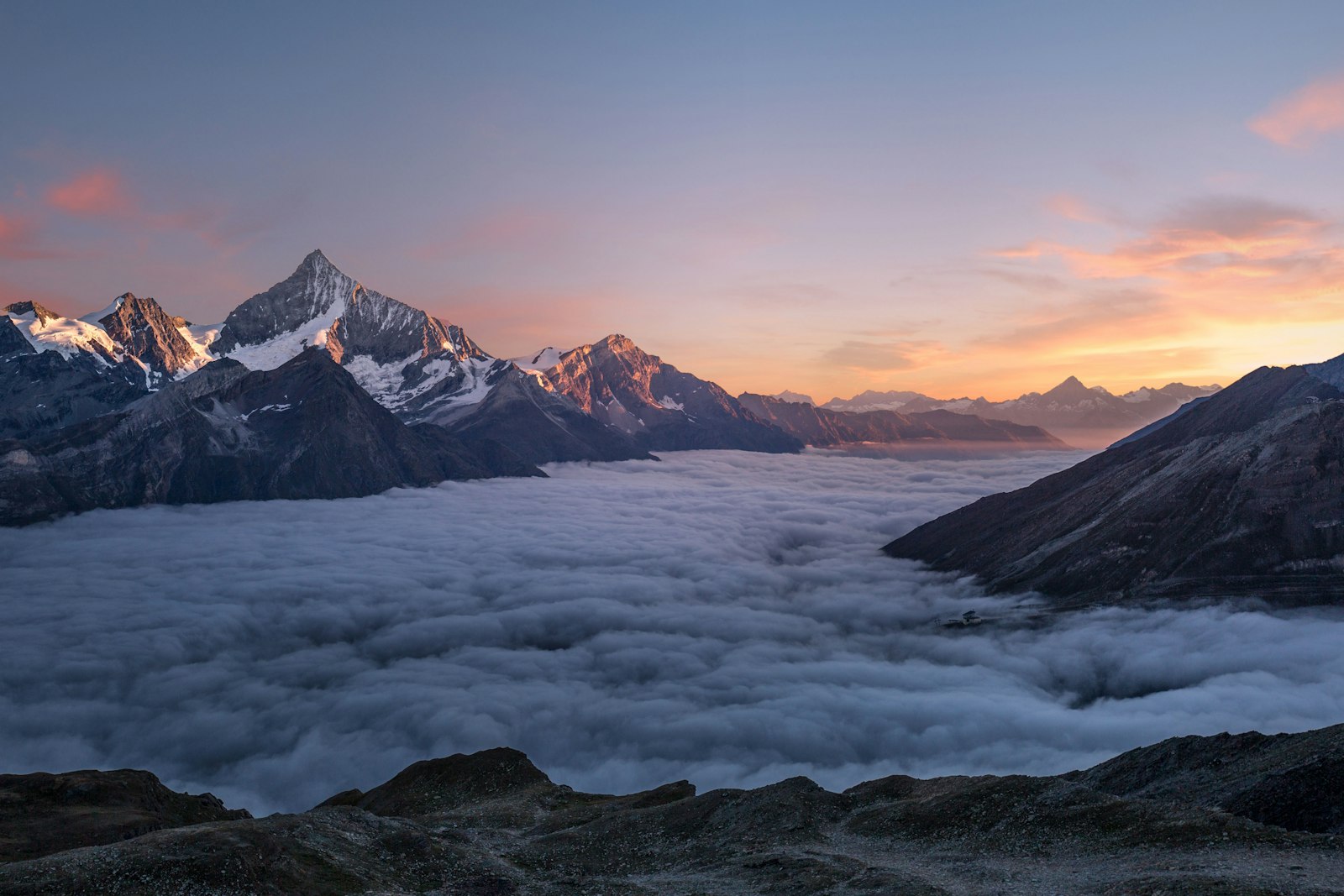
Photography Guide: Capturing Bhutan’s Magic
Bhutan is a photographer’s dream - a kingdom where ancient traditions blend seamlessly with stunning Himalayan landscapes, where colorful festivals burst with life, and where every turn reveals another frame-worthy moment. This comprehensive guide covers everything you need to know about photographing in the Land of the Thunder Dragon.
Why Bhutan is a Photography Paradise
Unique Subjects
- Stunning landscapes: Himalayan peaks, glacial valleys, pristine forests
- Rich culture: Monasteries, dzongs, festivals, traditional life
- Friendly people: Bhutanese are photogenic and welcoming
- Unexplored: Many locations rarely photographed
- Diverse ecosystems: From subtropical jungles to alpine heights
What Makes Bhutan Different
- No crowds: Unlike popular destinations, you’ll often have scenes to yourself
- Authenticity: Real culture, not staged for tourists
- Variety: Landscapes, portraits, architecture, festivals, wildlife
- Light quality: Clear mountain light, dramatic weather
Essential Photography Gear
Camera Equipment
Cameras
| Type | Best For | Notes |
|---|---|---|
| Mirrorless (APS-C) | Travel, street, culture | Lightweight, discreet |
| Full-frame mirrorless/DSLR | Landscapes, low light | Best image quality |
| Compact camera | Backup, casual shots | Always with you |
| Drone | Aerial landscapes | Permit required - see below |
Recommended:
- Bodies: Sony A7 series, Fuji X series, Nikon Z series, Canon R series
- Lenses: 24-70mm f/2.8, 70-200mm f/2.8, wide-angle zoom
Lenses for Bhutan
- Wide-angle (16-35mm): Landscapes, architecture, interiors
- Standard zoom (24-70mm): Streets, festivals, daily life
- Telephoto (70-200mm): Portraits, festivals, distant peaks
- Prime (50mm f/1.4 or 85mm f/1.8): Low light, portraits, bokeh
Accessories
Essential
- Spare batteries: Cold drains batteries faster
- Memory cards: Bring more than you think (64GB+ recommended)
- Polarizing filter: Essential for blue skies and water
- ND filter: For long exposures of waterfalls/rivers
- Lens cleaning kit: Dust is everywhere
Useful
- Tripod: For landscapes, low light, self-portraits
- Rain cover: Monsoon season = wet
- Camera backpack: Comfortable for hiking with gear
- Power bank: Keep devices charged on long drives
Top Photogenic Locations
Paro Valley
Tiger’s Nest (Taktsang Palphug)
Why: Most iconic site in Bhutan, spectacular cliffside location Best time: Early morning (best light, fewer people) Lenses: Wide-angle for overall scene, telephoto for details
Tips:
- Hike up early (before 8am)
- Use pony if carrying heavy gear (they can carry equipment too)
- Respect signs (no photography inside some shrines)
- Don’t miss the viewpoint across the valley (great wide shots)
Settings: f/8-f/16 for depth of field, ISO 100-400
Paro Dzong
Why: Stunning fortress-monastery with dramatic backdrop Best time: Late afternoon (golden hour on the walls) Lenses: Wide-angle for exterior, standard for details
Tips:
- Shoot from the viewpoint across the river
- Look for reflections in the water
- Capture monks walking across the courtyard
Kyichu Lhakhang
Why: One of Bhutan’s oldest and most sacred temples Best time: Morning light through the windows Lenses: Standard zoom, fast prime for interiors
Tips:
- Very low light inside - bring fast lens or high ISO capability
- Respect worshippers (don’t disrupt prayers)
- Ask permission before photographing people
Thimphu
Tashichho Dzong
Why: Impressive fortress, seat of government Best time: Blue hour (dusk), festivals Lenses: Wide-angle for exterior
Tips:
- Shoot from the bridge across the river
- Weekend market (colorful portraits)
- Buddha Dordenma statue at Kuensel Phodrang
Memorial Chorten
Why: Whitewashed stupa with devotees circumambulating Best time: Early morning or late afternoon Lenses: Standard zoom
Tips:
- Capture elderly devotees spinning prayer wheels
- Show the scale with people in frame
- Respect the sacred nature (remove shoes/hat if requested)
Punakha
Punakha Dzong
Why: Most beautiful dzong, at confluence of two rivers Best time: Late afternoon (golden light on walls) Lenses: Wide-angle for overall shot
Tips:
- Shoot from across the river (classic viewpoint)
- Reflections in the moat are stunning
- Look for monks on the covered bridge
Chimi Lhakhang
Why: Fertility temple with colorful decorations Best time: Morning Lenses: Standard zoom, telephoto for phalluses on walls
Tips:
- Don’t miss the nearby village (traditional life)
- Capturing devotees circumambulating (always clockwise)
Bumthang Region
Kurje Lhakhang
Why: Sacred site where Guru Rinpoche meditated Best time: Morning Lenses: Standard zoom, wide-angle
Tips:
- Rock meditation cave (Guru Rinpoche’s imprint)
- Flamboyant interior
- Peaceful valley setting
Jakar Dzong
Why: Hilltop fortress with panoramic views Best time: Sunrise/sunset Lenses: Wide-angle
Mebar Tsho (Burning Lake)
Why: Mysterious lake where Pema Lingpa discovered treasures Best time: Mid-day (light on the water) Lenses: Telephoto for details
High Mountain Passes
Dochu La (3,140m)
Why: Spectacular Himalayan views, 108 chortens Best time: Clear day (can see Jhomolhari) Lenses: Wide-angle for chortens, telephoto for peaks
Tips:
- 108 chortens make for dramatic leading lines
- Prayer flags add color and movement
- Often misty/ephemeral - be patient
Pele La (3,390m)
Why: Rho-dendron forests, mountain views Best time: April-May (rhododendrons in bloom) Lenses: Wide-angle
Festival Photography
Tshechu Festivals
Major festivals:
- Paro Tshechu: March/April
- Thimphu Tshechu: September
- Punakha Tshechu: February
- Jambay Lhakhang Drup: October
What to Photograph
Mask Dances (Cham):
- Elaborate costumes and masks
- Dynamic movements
- Crowd reactions
- Colorful banners and thangkas
Portraits:
- Locals in traditional dress (gho/kira)
- Monks and lamas
- Elderly devotees
- Children watching performances
Tips:
- Arrive early: Get good position before crowds
- Respect restrictions: No photography during some sacred dances (they’ll announce)
- Ask permission: For portraits, especially of monks/elders
- Use fast shutter speeds: 1/500s or faster to freeze motion
- Bring telephoto lens: 70-200mm ideal
Settings for Festivals
- Aperture: f/4-f/5.6 (shallow depth, blurred backgrounds)
- Shutter: 1/500s minimum (frozen motion)
- ISO: Auto, up to 3200 acceptable on modern cameras
- Focus: Continuous/AI Servo for moving subjects
Portrait Photography
Cultural Considerations
- Always ask permission: Especially for close-ups
- Show respect: Don’t photograph during prayers/rituals
- Accept refusal: Some people prefer not to be photographed
- Offer to share: If they have WhatsApp, send them photos
- Tip guides: They can help facilitate connections
Best Portrait Subjects
- Monks and lamas: Deeply photogenic, usually willing
- Elderly people: Weathered faces, great stories
- Children: Playful, curious, generally happy to be photographed
- Traditionally dressed people: Gho, kira, jewelry
Techniques
- Use wide apertures: f/2.8 or wider for bokeh
- Focus on eyes: Sharp eyes, soft background
- Natural poses: Avoid posed, stiff shots
- Environment: Include context (temples, villages, landscapes)
Landscape Photography
Classic Bhutan Landscapes
Mountain Vistas
- Jomolhari from Jangothang: Classic snow peak view
- Himalayan ranges from high passes: Dochu La, Pele La
- Rhododendron forests: April-May blooms
Techniques:
- Use graduated ND filters for sky-foreground balance
- Include foreground elements (prayer flags, chortens)
- Golden hour and blue hour give magical light
- Patience with weather - clouds add drama
Valley Scenes
- Paro Valley: Rice terraces, traditional houses
- Punakha Valley: Rivers, farmland, dzong
- Phobjikha Valley: Glacial, wide, pristine
Techniques:
- Early morning mist (common in valleys)
- Leading lines: rivers, paths, roads
- Elevated viewpoints: hike up for better angles
Traditional Architecture
- Dzongs: Massive fortress-monasteries
- Chortens: Stupas of all sizes
- Traditional houses: Rammed earth, intricate paintings
- Bridges: Covered wooden bridges
Wildlife Photography
Common Subjects
- Yaks and yak hybrids: Iconic Himalayan animals
- Blue sheep (bharal): Common in Lingshi region
- Himalayan marmots: Whistle from rocks
- Birds:
- Black-necked cranes (Phobjikha, Nov-Feb)
- Himalayan monal (colorful pheasant)
- Lammergeier (bearded vulture)
- Various birds of prey
Tips
- Long lens needed: 300mm+ recommended
- Patience essential: Wildlife is wary
- Early morning best: Animals active before heat of day
- Respect habitat: Don’t stress animals for shots
Drone Photography
Regulations
CRITICAL: Drones require special permits in Bhutan
- Apply in advance: Through tour operator or directly
- Restricted areas: No drones over:
- Dzongs and monasteries
- airports and airfields
- military installations
- festivals (unless special permit)
- Respect privacy: Don’t fly over private property/ceremonies
Best Drone Locations
- Paro Valley: Dramatic overview
- Punakha Valley: Rivers and dzong
- High passes: Himalayan peaks
- Phobjikha Valley: Wide glacial valley
Tips
- Fly early morning: Calmer winds, better light
- Keep low: Don’t disturb wildlife/people
- Multiple batteries: Cold drains power quickly
- Check weather: Monsoon = no flying
Cultural Etiquette for Photographers
Dos and Don’ts
DO:
- Ask permission before photographing people (especially close-ups)
- Dress modestly when visiting religious sites
- Remove shoes/hats before entering temples
- Respect restrictions (some areas don’t allow photography)
- Be patient and wait for the right moment
- Tip guides who help you get access
DON’T:
- Photograph during prayers or sacred rituals
- Photograph inside some temples (ask first)
- Climb on sacred statues/structures for better angles
- Disrupt ceremonies for a shot
- Photograph people praying without permission
- Fly drones over religious sites or crowds
- Pay for photos (it creates expectations, awkward dynamics)
Specific Restrictions
- Inside temples: Many prohibit all photography
- Religious ceremonies: Some parts are sacred
- Government buildings: Restricted
- Bridges: Some are sacred, ask first
- Funerals: Never photograph without explicit family permission
Seasonal Considerations
Spring (March-May)
Pros:
- Rhododendrons blooming
- Clear skies
- Green valleys
- Festival season
Cons:
- Hazy sometimes (dust from India)
- Cold at high altitude
Photo ops: Flowers, festivals, green landscapes
Summer/Monsoon (June-August)
Pros:
- Everything is lush and green
- Dramatic clouds and storms
- Fewer tourists
Cons:
- Rain, rain, rain (and leeches!)
- Landslides can block roads
- Poor visibility
Photo ops: Waterfalls, streams, moody atmosphere
Autumn (September-November)
Pros:
- BEST season for landscapes
- Clear skies and crisp light
- Harvest scenes
- Rice terraces turning golden
Cons:
- Crowded (peak season)
- Getting colder by November
Photo ops: Golden rice fields, clear mountains, festivals
Winter (December-February)
Pros:
- Dramatic snowy landscapes
- Clear crisp light
- Fewer tourists
- Winter festivals (Losar)
Cons:
- Very cold (especially mornings/nights)
- Snow can block high passes
- Short days
Photo ops: Snow scenes, festivals, stark landscapes
Practical Tips
Equipment Care
- Weatherproofing: Rain covers for everything
- Cold: Batteries drain faster in cold
- Dust: Bring cleaning supplies
- Altitude: Allow time to acclimatize
Backup Strategy
- Memory cards: Bring at least 128GB
- Cloud storage: Upload when possible (Wi-Fi limited)
- Laptop/tablet: Backup and review images
- Multiple cards: Don’t keep all eggs in one basket
Power
- Batteries: Cold drains power faster than you think
- Power banks: Essential, especially for long drives
- Car charger: Most vehicles have USB ports
- Universal adapter: Type D/G
Post-Processing Tips
Bhutan-Specific Enhancements
- Vibrance: Bhutan is colorful - don’t oversaturate
- Sky replacement: Rarely needed - skies are naturally blue
- Remove tourists: Sometimes necessary at popular sites
- Sharpen carefully: High altitude air is very clear
Recommended Software
- Lightroom/Photoshop: Standard editing
- Luminar/Aurora HDR: For high dynamic range
- Topaz Denoise: For high-ISO night shots
Photography Tours & Workshops
Why Join a Tour?
- Local knowledge: Best spots, right time
- Access: Can get into places otherwise difficult
- Cultural context: Understand what you’re photographing
- Logistics: Focus on photography, not planning
What to Look For
- Small groups: Maximum 6-8 photographers
- Experienced leader: Local knowledge + photography expertise
- Good timing: Align with festivals, seasons
- Access: Special permissions, locations
Sample Photography Itinerary
10-Day Bhutan Photography Adventure
Day 1-3: Paro
- Arrive, acclimatize
- Tiger’s Nest sunrise and sunset
- Paro Dzong golden hour
- Kyichu Lhakhang interiors
- Rice terraces and traditional village
Day 4-6: Thimphu
- Weekend market portraits
- Memorial Chorten
- Tashichho Dzong
- Buddha Dordenma statue
- Traditional arts demonstrations
Day 7-8: Punakha
- Drive over Dochu La (mountain views, 108 chortens)
- Punakha Dzong at sunrise
- Chimi Lhakhang and village
- River rafting (action shots)
- Hot stone bath documentation
Day 9: Return to Paro
- Different route, different views
- Final souvenir shopping photos
- Farewell dinner
Day 10: Departure
Bhutan offers some of the most rewarding photography experiences on Earth. From iconic landscapes to intimate portraits, from ancient festivals to daily life, the Kingdom of the Thunder Dragon provides endless opportunities for stunning images.
Contact us to arrange your photography tour - we’ll get you to the right places at the right time, handle all the logistics and permissions, and connect you with the most photogenic subjects in the Land of Gross National Happiness!