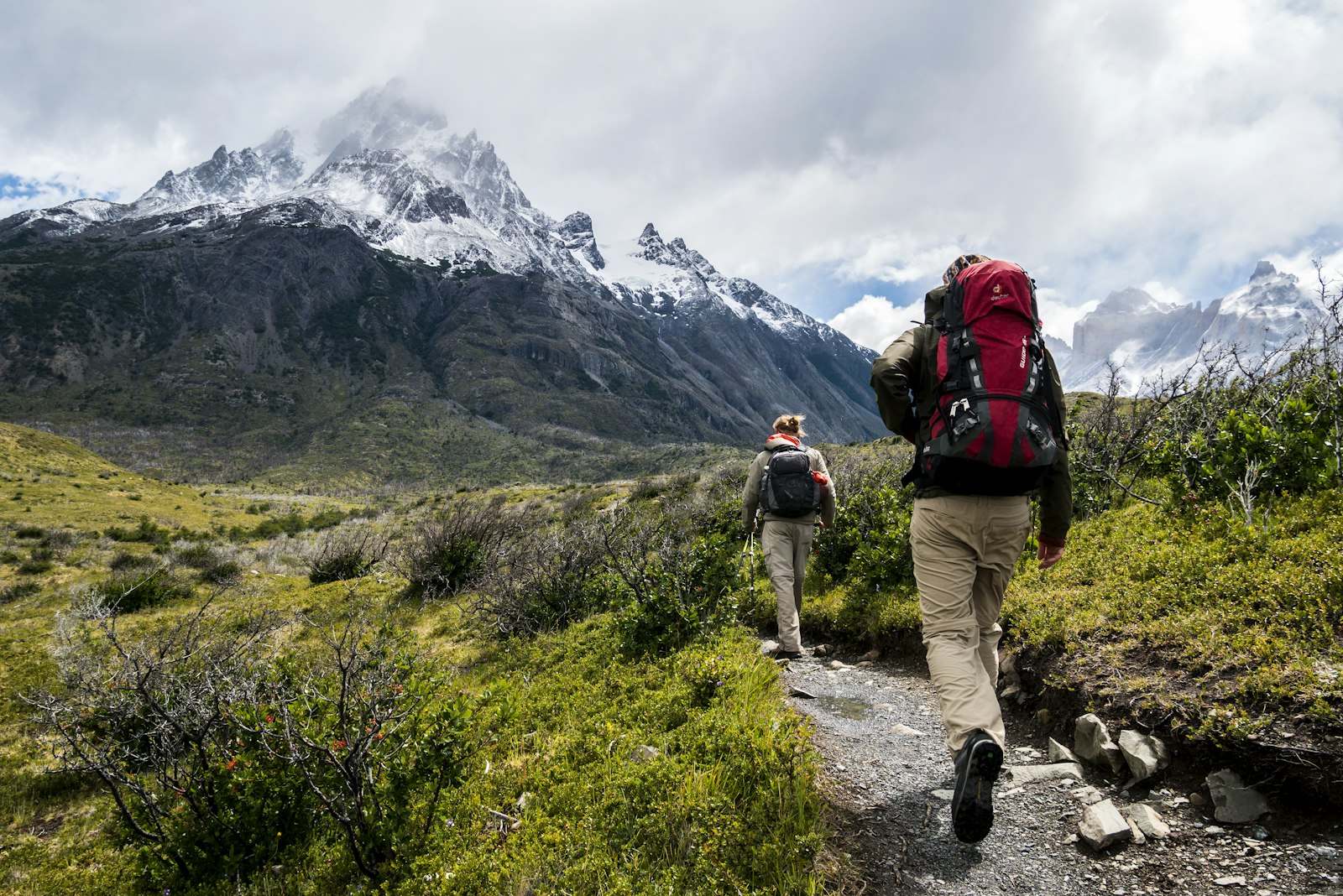
Hiking in Thimphu: 5 Scenic Trails That Reveal Bhutan’s Soul
Thimphu, Bhutan’s charming capital nestled in the Himalayan valley, offers some of the most accessible yet rewarding hiking experiences in the country. Unlike the multi-day treks that require weeks of preparation, these trails can be enjoyed in a few hours and reveal the authentic spirit of Bhutan—prayer flags fluttering in the wind, ancient monasteries perched on cliffs, and warm smiles from locals you meet along the way.
Why Hike in Thimphu?
The Magic of Himalayan Walking
Hiking in Thimphu isn’t just about exercise—it’s a cultural immersion. Every trail tells a story, every chorten (stupa) holds history, and every viewpoint offers a new perspective on the valley where tradition meets modernity in perfect harmony.
The best time to hike is from March to May and September to November, when the skies are clear and the rhododendrons are in bloom. Start early in the morning (around 8 AM) to catch the golden light on the mountains and avoid afternoon clouds.
1. Sangaygang to Wangditse Goemba
Difficulty: Easy | Duration: 2-3 hours | Distance: 5km
This is my favorite introduction hike for visitors to Thimphu. It’s gentle, scenic, and offers the perfect mix of nature and culture.
The Trail Experience:
Start at the Sangaygang hill (also known as the BBS tower hill). The path winds through pine forests dotted with colorful prayer flags. As you ascend, you’ll hear the gentle sound of wind chimes from the telecom tower.
About halfway through, you’ll reach a small clearing that offers a stunning panoramic view of Thimphu valley. This is the perfect spot to pause, breathe in the crisp mountain air, and take photos.
The trail ends at Wangditse Goemba, a 1750-built monastery that once housed the school for Buddhist studies. The resident monk will often welcome visitors with butter tea and share stories about the monastery’s history.
Pro Tip: Visit in April when the rhododendrons are blooming—you’ll walk through tunnels of red and pink flowers.
2. Changangkha Lhakhang to Buddha Point (Kuensel Phodrang)
Difficulty: Easy | Duration: 2 hours | Distance: 4km
This trail combines Bhutan’s most sacred sites with the best viewpoint in the capital.
Starting at Changangkha Lhakhang:
Begin your hike at this 13th-century temple, one of the oldest in Thimphu. Locals bring their newborn children here to receive blessings from the protector deity, Tamdrin. The atmosphere is serene, with the scent of juniper incense filling the air.
The Descent:
From the temple, follow the prayer flag-lined path downhill through the forest. You’ll spot pheasants and maybe even the elusive Himalayan black bear if you’re lucky (and quiet enough).
Arriving at Buddha Point:
The trail ends at Kuensel Phodrang, home to the world’s largest sitting Buddha. Standing 177 feet tall, this golden statue overlooks the entire valley. It’s particularly magical at sunset when the golden light paints the statue and the town below.
Insider Secret: The viewpoint behind the Buddha statue is perfect for meditation. Few tourists know about it, and you can often have it to yourself.
3. Cheri Goemba (Tango Monastery) Hike
Difficulty: Moderate | Duration: 4-5 hours round trip | Distance: 8km
For those seeking a more challenging hike with spiritual rewards, this trail to Tango Monastery is transformative.
The Sacred Ascent:
The trail starts at the base of the mountain and climbs steadily through blue pine forests. Along the way, you’ll pass several meditation caves where monks have spent years in solitary contemplation.
Reaching Tango Monastery:
Perched dramatically on a cliff, Tango Monastery (Cheri Goemba) dates back to the 12th century. It’s a training center for Buddhist studies, and if you’re quiet, you might hear young monks debating philosophy in the courtyard.
The view from the monastery courtyard is breathtaking—you can see all of Thimphu and the surrounding mountains.
Spiritual Experience: Many visitors report feeling a deep sense of peace here. It’s said that the monastery’s energy is particularly powerful for meditation.
4. Dechenphug Lhakhang Trail
Difficulty: Easy-Moderate | Duration: 3 hours | Distance: 6km
This lesser-known trail offers a genuine off-the-beaten-path experience.
What Makes It Special:
Dechenphug Lhakhang is a small, ancient temple that receives few tourists. The trail winds through traditional villages where you’ll see farmers working in their fields and children walking to school in their ghos (traditional robes).
The monastery itself dates back to the 17th century and houses some beautiful thangkas (painted scrolls) and statues. The caretaker monk is known for his warm hospitality and often invites hikers for tea.
Cultural Connection: This is where you see real Bhutanese life—not staged for tourists. The villagers are friendly, and a simple “Kuzuzangpo la” (hello) goes a long way.
5. Phajoding to Thimphu
Difficulty: Moderate | Duration: 4-5 hours | Distance: 7km
For the adventure seeker, this trail from the ancient Phajoding monastery complex down to Thimphu is thrilling.
Starting at Phajoding:
You’ll need a taxi to reach the starting point (about 30 minutes from Thimphu). Phajoding was once a meditation retreat for the famous saint Lam Phajo Drukgom Shigpo, who spread the Drukpa Kagyu school of Buddhism in Bhutan.
The Descent:
The trail descends through high-altitude meadows where yak herders graze their animals in summer. You’ll pass several small lakes considered sacred by locals.
Wildlife Spotting:
This area is rich in birdlife—look out for blood pheasants, Himalayan griffons, and if you’re very lucky, the red panda.
What to Bring on Your Hike
Essential Items:
- Comfortable hiking shoes with good grip
- Water bottle (2 liters minimum)
- Sunscreen and sunglasses (UV is strong at altitude)
- Light jacket (mountain weather changes quickly)
- Camera for the stunning views
- Small offerings for temples (butter, incense, or money)
Cultural Tips:
- Walk clockwise around chortens and mani walls
- Dress modestly (cover shoulders and knees)
- Ask permission before photographing monks or religious ceremonies
- Remove hats and shoes when entering temple rooms
Best Time of Day to Hike
Early Morning (8-10 AM):
- Best light for photography
- Cooler temperatures
- Birds and wildlife are more active
- Fewer tourists on trails
Late Afternoon (3-5 PM):
- Golden hour lighting
- Beautiful sunset views from Buddha Point
- Less crowded
- Can combine with dinner in town
Practical Information
Getting to Trailheads:
Most trailheads are accessible by taxi from Thimphu city center. Expect to pay 300-500 Ngultrum depending on distance.
Hiking Guides:
While most trails are well-marked and can be done independently, hiring a local guide enhances the experience. A guide can:
- Share stories and legends about the sites
- Identify local flora and fauna
- Help with cultural etiquette
- Take you to hidden spots not mentioned in guidebooks
Cost: 1,500-2,500 Ngultrum for a half-day hike
After Your Hike: Where to Refuel
Recommended Spots:
- Folk Heritage Museum Restaurant: Traditional Bhutanese set menu
- Bukhari Restaurant: Try their ema datshi after a hike
- Weekend Market: For fresh fruit juice and local snacks
Final Thoughts
Hiking in Thimphu is about more than just physical exercise—it’s about connecting with Bhutan’s spiritual heart, experiencing its natural beauty, and meeting its warm people. Whether you have a few hours or a full day, there’s a trail waiting to reveal Bhutan’s soul to you.
As the Bhutanese saying goes: “The journey is the destination.” Every step on these trails is an opportunity to slow down, breathe deeply, and appreciate the simple beauty of the Last Shangri-La.
Ready to explore Bhutan’s trails? Contact us to customize your hiking adventure in the Land of the Thunder Dragon.