Jomolhari Trek: Everything You Need to Know
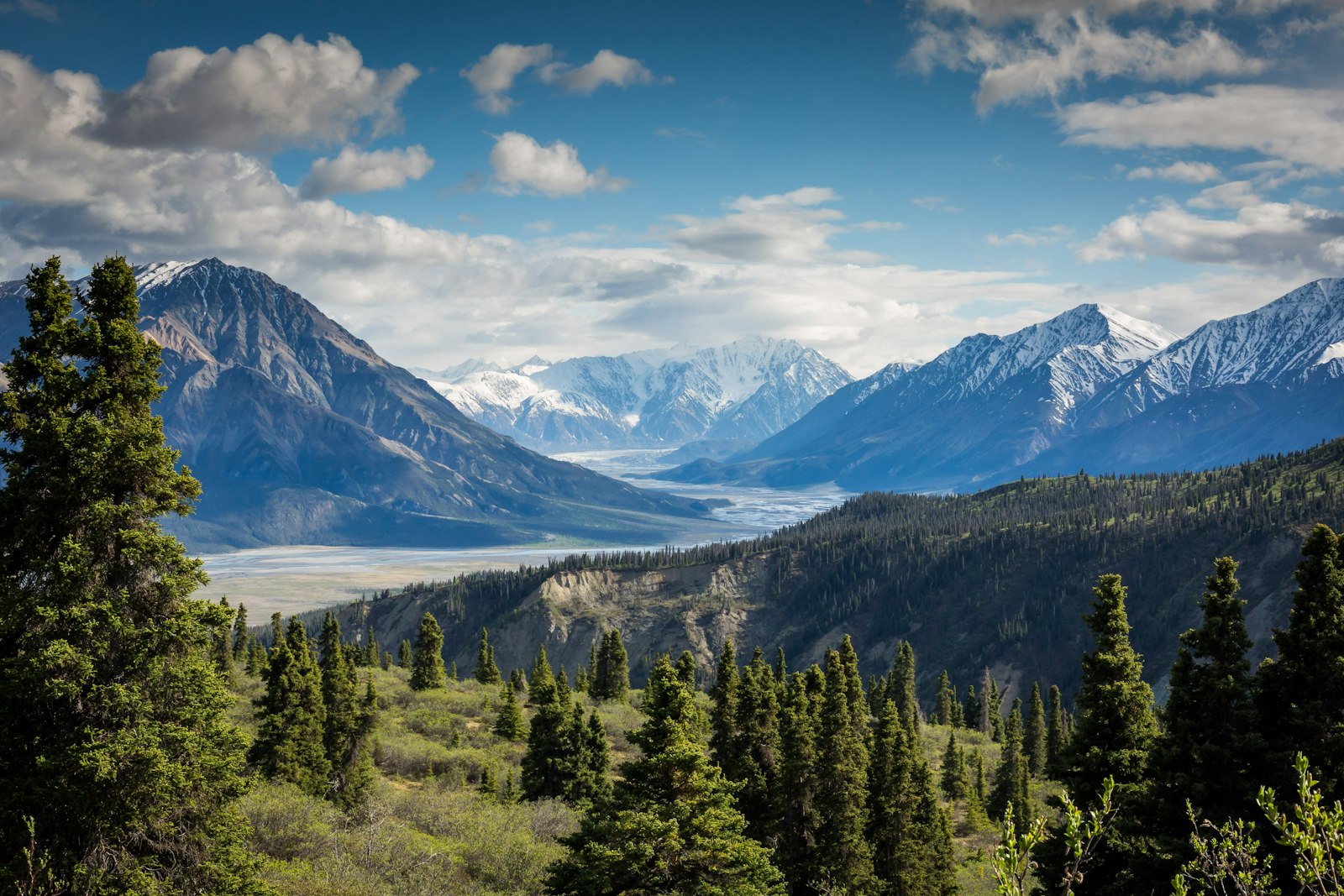
Named after Mount Jomolhari (7,326m), the sacred “Mountain of the Goddess” that dominates Bhutan’s northwestern landscape, the Jomolhari Trek is one of Bhutan’s most celebrated hiking routes. This 9-day journey takes you through some of the most spectacular scenery in the Himalayas, past nomadic settlements, high-altitude lakes, and into the heart of Bhutan’s pristine wilderness.
Why the Jomolhari Trek is Special
Unique Highlights
- Mount Jomolhari views: Close-up perspectives of Bhutan’s most sacred peak
- Remote villages: Experience traditional nomadic life (Laya region)
- High-altitude lakes: Crystal-clear tarns reflecting snow-capped peaks
- Wildlife spotting: Blue sheep, snow leopards (if you’re lucky!), Himalayan griffins
Trek At A Glance
| Detail | Information |
|---|---|
| Duration | 9 days / 8 nights |
| Distance | Approximately 80-90 km |
| Max Elevation | 4,890m (Nyile La pass) |
| Difficulty | Moderate to Challenging |
| Best Season | April-May, September-October |
| Accommodation | Camping |
Complete Itinerary
Day 1: Gunitsawa Village to Thangthangkha
- Distance: 12 km
- Duration: 5-6 hours
- Elevation: 2,770m → 3,590m
The Journey: Drive from Paro to Gunitsawa (1.5 hours), where the trek begins. Follow the Pachhu River through conifer forests, with Mount Jomolhari appearing majestically ahead.
Highlights:
- First stunning views of Mount Jomolhari
- Riverside trail through pine and rhododendron forests
- Camp at Thangthangkha with Jomolhari towering above
Day 2: Thangthangkha to Jangothang
- Distance: 15 km
- Duration: 5-6 hours
- Elevation: 3,590m → 4,040m
The Journey: Continue up the Pachhu Valley, crossing several streams. The trail becomes rockier as you ascend toward the base of Jomolhari.
Highlights:
- Jangothang base camp with incredible Jomolhari views
- Yaks grazing in high alpine meadows
- Remnants of old army posts
Overnight: Camp at Jangothang with spectacular mountain vistas
Day 3: Jangothang Acclimatization Day
No hiking (or short day hike)
Why Rest? This is a critical acclimatization day. Your body adjusts to 4,000m+ elevation before tackling higher passes.
Optional Activities:
- Short hike to Tshophu Lake (4,400m)
- Visit nomadic herders’ settlements
- Photography of Jomolhari at sunrise/sunset
Day 4: Jangothang to Lingshi
- Distance: 18 km
- Duration: 7-8 hours
- Elevation: 4,040m → 4,010m (via 4,890m Nyile La)
The Journey: The most challenging day! Climb to Nyile La (4,890m) - the highest point of the trek. Descend into the Lingshi Valley with stunning mountain views.
Highlights:
- Nyile La pass - incredible 360° Himalayan panorama
- Views of Tserim Kangfoo (6,789m) and other peaks
- First glimpse of Lingshi Dzong in the distance
Overnight: Camp near Lingshi Dzong
Day 5: Lingshi to Shodu
- Distance: 17 km
- Duration: 7-8 hours
- Elevation: 4,010m → 4,080m (via 4,620m Yule La)
The Journey: Cross Yule La pass today. The trail becomes remote and wild - you’re truly in the heart of the Himalayas now.
Highlights:
- Lingshi Dzong (ancient fortress on hilltop)
- Blue sheep sightings (common in this area)
- Dramatic mountain landscapes
Day 6: Shodu to Barshong
- Distance: 16 km
- Duration: 6-7 hours
- Elevation: 4,080m → 3,720m
The Journey: Gradual descent through rhododendron forests and cascading waterfalls.
Highlights:
- Lovely river valleys and waterfalls
- Changing vegetation as you descend
- Warmer temperatures
Day 7: Barshong to Domango
- Distance: 15 km
- Duration: 5-6 hours
- Elevation: 3,720m → 3,400m
The Journey: Follow the Thimphu River downstream through dense forests.
Highlights:
- Wildlife: possible golden langur sightings
- Lush vegetation after high-altitude landscapes
- Hot springs near Domango (natural geothermal)
Day 8: Domango to Dodena
- Distance: 8 km
- Duration: 3-4 hours
- Elevation: 3,400m → 2,640m
The Journey: Final descent to Dodena, following the Thimphu River.
Highlights: -Sense of accomplishment
- Changing landscapes from alpine to subtropical
- Wildlife spotting opportunities
Day 9: Dodena to Thimphu
- Distance: 5 km (road)
- Duration: 1-2 hours
- End Point: Thimphu
Drive to Thimphu and transfer to your hotel. Congratulations!
Physical Preparation
Is This Trek Right For You?
Required fitness level:
- Excellent cardiovascular health
- Ability to walk 6-8 hours per day for 9 days
- Experience with multi-day trekking (recommended)
- No altitude sickness history
Training Timeline
12-16 weeks before trek:
- Weeks 1-4: Build base fitness (3x cardio/week)
- Weeks 5-8: Add elevation (hike hills/stairs)
- Weeks 9-12: Endurance (long hikes with weighted pack)
- Weeks 13-16: Taper and rest
Altitude Preparation
- Acclimatization: The itinerary includes rest days
- Hydration: Practice drinking 3-4L water daily
- Pacing: Train to walk slowly and steadily
- Know symptoms: Learn AMS signs
Packing for Jomolhari Trek
Essential Gear
| Item | Priority | Notes |
|---|---|---|
| Sleeping bag | Essential | -15°C comfort rating |
| Backpack | Essential | 40-50L for main pack + daypack |
| Trekking poles | Highly Recommended | Save your knees on descents |
| Gaiters | Recommended | Keep mud/snow out of boots |
| Headlamp | Essential | Batteries drain in cold |
Clothing
Base Layers:
- 3-4 sets (merino wool or synthetic)
- Avoid cotton - it stays wet and cold
Mid Layers:
- 2 fleece jackets/pullovers
- 1 down jacket (for camp)
Outer Layers:
- Waterproof shell jacket (Gore-Tex)
- Waterproof pants
- Insulated jacket (down or synthetic, -10°C rating)
Other Items
- Water purification: Filter or purification tablets
- Sun protection: SPF 50+, hat, sunglasses
- Lip balm: With SPF (crucial at altitude)
- Personal medications: Plus blister kit
- Camera: Extra batteries (keep warm!)
- Trekking towel: Quick-dry microfiber
Wildlife & Nature
Animals You Might See
- Blue sheep (bharal): Common in Lingshi area
- Snow leopards: Rare but possible (Jangothang area)
- Himalayan marmots: Whistle at you from rocks
- Golden langurs: In lower forests
- Birds: Himalayan griffins, monal pheasants, lammergeiers
Flora
- Rhododendrons: Spectacular blooms in April-May
- Blue poppies: Bhutan’s national flower (late spring)
- Primulas: Colorful alpine flowers
- Medicinal plants: Juniper, gentian, angelica
Cultural Highlights
Nomadic Life
The Lingshi region is home to semi-nomadic yak herders:
- Yak hair tents: Traditional black tents made from yak wool
- Yak butter/cheese: Essential staples
- Traditional lifestyle: Little changed in centuries
Lingshi Dzong
Ancient fortress built in the 17th century:
- Strategic location: Guarded against Tibetan invasions
- Restoration: Recently renovated by government
- Monks: Small community of resident monks
Difficulty Assessment
What Makes It Challenging?
- High elevation: Several passes over 4,500m
- Long days: Some days 7-8 hours of hiking
- Remote: No settlements, no emergency access
- Weather: Can change quickly in mountains
- Sustained effort: 9 consecutive days
Easier Than…
- Snowman Trek (much longer, higher passes)
- Some high-altitude Andes treks
Harder Than…
- Druk Path Trek (lower, shorter)
- Most European alpine treks (lower elevation)
Best Time to Trek
Spring (April-May)
Pros:
- Rhododendrons in bloom
- Clear skies
- Mild daytime temperatures
Cons:
- Cold nights (-10°C to -15°C)
- Snow on high passes possible
Autumn (September-October)
Pros:
- Best visibility
- Stable weather
- Comfortable temperatures
Cons:
- Crowded (book well in advance!)
- Getting colder by late October
Cost Estimates
Per Person (9 Days)
| Service | Budget | Mid-Range | Premium |
|---|---|---|---|
| Guide | $35/day | $60/day | $90/day |
| Assistant Guide | $20/day | $35/day | $50/day |
| Cook | $20/day | $30/day | $40/day |
| Porters | $15/day | $20/day | $25/day |
| Horses | $25/day | $30/day | $35/day |
| Camping Equipment | $15/day | $25/day | $40/day |
| Food | $20/day | $35/day | $50/day |
| Park Fees | $10/day | $10/day | $10/day |
| Total (9 days) | ~$660 | ~$1,050 | ~$1,440 |
Plus: SDF ($100/day x 9 = $900 for international visitors)
Tips from Our Guides
- Break in boots thoroughly: Blisters ruin treks
- Bring blister kit: Moleskin, Compeed, or similar
- Pace yourself: The tortoise beats the hare at altitude
- Drink more water than you think: 4L minimum daily
- Eat even if not hungry: You need calories for energy
- Bring entertainment: Cards, book, Kindle for evenings
Safety & Emergencies
Altitude Sickness
Risk: High - several passes over 4,500m Prevention:
- Slow ascent (itinerary designed for this)
- Stay hydrated
- Recognize symptoms early
Symptoms:
- Mild AMS: Headache, nausea, fatigue, dizziness
- Severe AMS: HACE/HAPE - life-threatening, descend immediately
Emergency Protocols
- Satellite phone: Guides carry one
- Evacuation: Helicopter rescue possible (expensive!)
- First aid: All guides trained in wilderness first aid
- Insurance: Essential - get comprehensive trekking insurance
Why Choose Silverpine for Jomolhari Trek?
Our Advantages
- Experienced guides: All our guides have 10+ years experience
- Quality equipment: Modern tents, warm sleeping bags
- Great food: Our cooks prepare delicious meals
- Safety first: Comprehensive emergency protocols
- Small groups: Maximum 8 participants
- Responsible tourism: We support local communities
The Jomolhari Trek is a once-in-a-lifetime experience. The combination of stunning mountain scenery, remote wilderness, and rich cultural heritage makes this one of the world’s great treks.
Contact us to plan your Jomolhari adventure - we’ll make sure it’s safe, comfortable, and unforgettable!