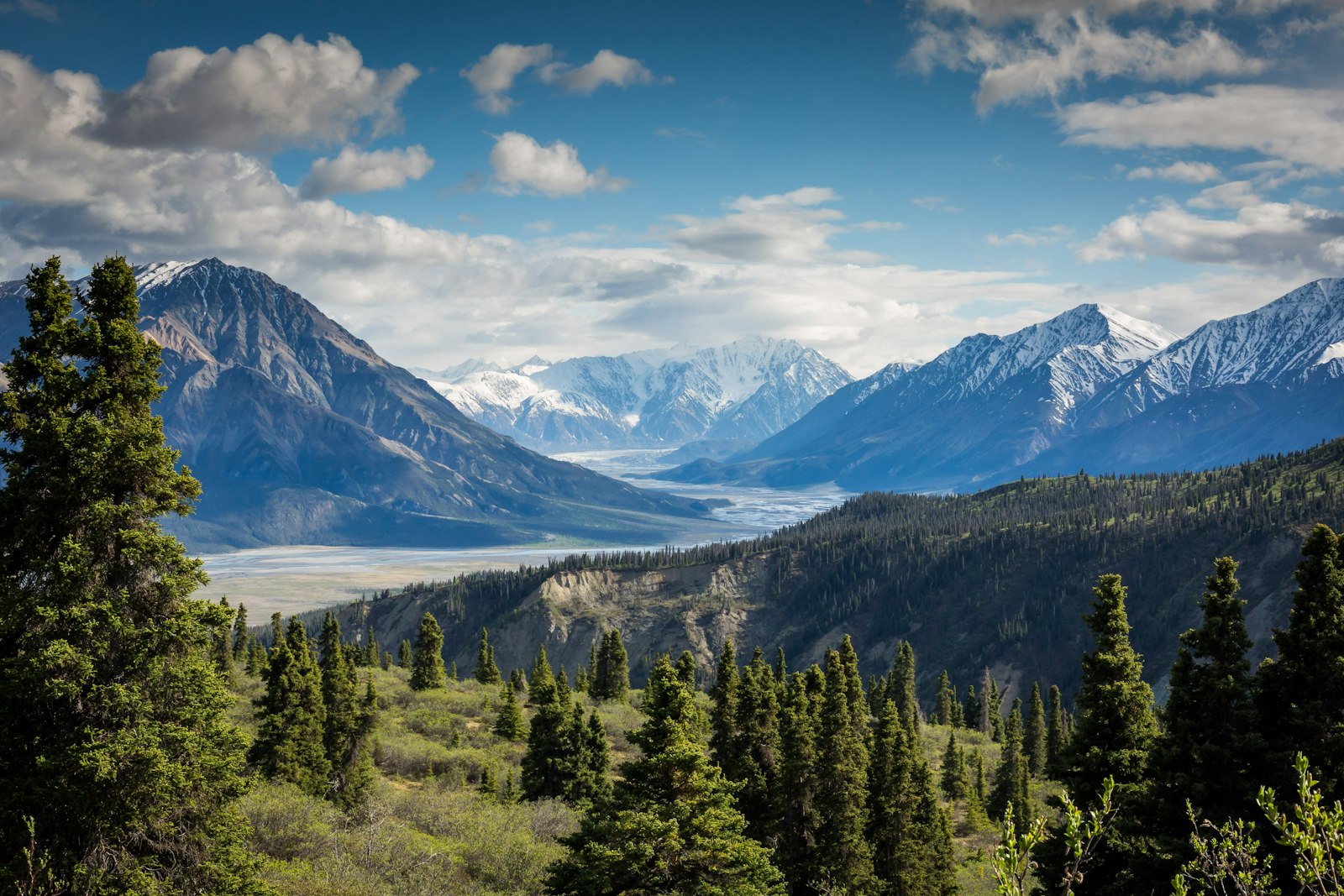
Journey to the Edge of the World: Remote Bhutan
Bhutan’s most remote region is Lunana - a hidden high-altitude valley deep in the Himalayas, accessible only via the legendary Snowman Trek. This is one of the most isolated inhabited places on Earth, where yak herders live as they have for centuries, and modern life feels worlds away.
About Lunana: The Most Remote Place in Bhutan
Location & Geography
Lunana Valley:
- Elevation: 4,000m - 5,100m (13,000 - 16,700 feet)
- Location: Northern Gasa District
- Population: ~800 people in 56 households
- Settlements: Thaga, Lhedi, Tenchey, Chozo, Woche
- Accessibility: 7-10 day trek from nearest road
Why It’s Remote:
- No road access (ever)
- No electricity/solar panels only since 2015
- Limited mobile coverage (only since 2018)
- No internet for most residents
- 4-5 day walk to nearest health center
- Supplies must be portered or carried by yak
The People of Lunana
Lunaps (Lunana residents):
- Livelihood: Yak herding, subsistence farming
- Language: Lunana dialect (related to Dzongkha)
- Housing: Traditional stone houses with yak-wool roofs
- Religion: Tibetan Buddhism
- Lifestyle: Semi-nomadic, moving between summer/winter pastures
What Makes Them Unique:
- Among the last true nomadic people in the Himalayas
- Live at extreme altitude year-round
- Entirely self-sufficient
- Welcoming to visitors but protective of their culture
The Snowman Trek: Route to Lunana
The Snowman Trek is widely considered one of the most difficult treks in the world.
Trek Statistics
| Statistic | Detail |
|---|---|
| Distance | 216+ km (134+ miles) |
| Duration | 25-30 days |
| Highest Pass | Gangla Karchung La (5,230m / 17,159ft) |
| Total Passes | 11 passes over 4,500m |
| Difficulty | Extremely Strenuous |
| Best Season | September - October |
| Success Rate | ~50% (many turn back due to altitude/weather) |
Route Overview
Day 1-3: Paro → Shana → Soi Thangthangkha
- Easy start, gradual ascent
- Forests, rivers, camping
Day 4-6: Jangothang → Lingshi
- Cross Nye La La (4,890m)
- First views of Jhomolhari
Day 7-9: Chebisa → Shomuthang → Robluthang
- Multiple high passes
- Isolated campsites
Day 10-13: Limithang → Laya
- Reach Layap village (famous for its unique culture)
- Rest day recommended
Day 14-17: Rodophu → Narethang → Tarina
- Approaching Lunana region
- Getting more remote
Day 18-20: Woche → Lhedi → Thanza (LUNANA!)
- Arrival in Lunana valley
- Cultural highlight of the trek
Day 21-30: Return via different route or continue to Bumthang
What Makes It So Difficult
- Extreme Altitude: Most of trek is above 4,000m
- Length: Nearly a month of continuous trekking
- Remote: No escape routes, no helicopters (usually)
- Weather: Unpredictable, can snow any month
- Physical: Demanding days, steep climbs
- Mental: Isolation, basic conditions
Preparation: Getting Ready for Lunana
Physical Preparation (4-6 months minimum)
Cardiovascular Fitness:
- Long-distance running: Build up to 15-20 km runs
- Hiking with weight: Weekly hikes with 10-15kg pack
- Stair climbing: 1,000+ steps per session
- Cycling: Excellent for endurance
- Swimming: Full-body workout, low impact
Training Schedule:
- 4 months out: 3-4 workouts per week
- 3 months out: 4-5 workouts per week + weekend hike
- 2 months out: 5-6 workouts per week + weekend hike with pack
- 1 month out: Peak training, taper final week
Strength Training:
- Legs: Squats, lunges, step-ups
- Core: Planks, Russian twists
- Back: Rows, deadlifts (for pack carrying)
- Flexibility: Yoga, stretching (injury prevention)
Mental Preparation
Ask Yourself:
- Can I go 25+ days without a hot shower?
- Am I okay with basic toilet facilities (or none)?
- Can I handle being away from all communication?
- Am I comfortable with extreme isolation?
- Can I handle not knowing if/when I’ll finish?
Mental Strategies:
- Break it down: Focus on today, not the whole trek
- Accept discomfort: It’s temporary
- Embrace the challenge: This is a once-in-a-lifetime experience
- Trust your guide: They know the route and conditions
Gear: What You Need
Essential Equipment:
| Category | Item | Notes |
|---|---|---|
| Backpack | 70-90L, quality | Must fit well, broken in |
| Sleeping Bag | -20°C comfort rating | Down recommended |
| Sleeping Pad | Insulated, R-value 4+ | Critical for cold |
| Tent | 4-season, sturdy | Or use operator’s tents |
| Boots | Waterproof, broken in | Critical |
| Trekking Poles | Adjustable | Strongly recommended |
| Clothing | Full layering system | See below |
| Headlamp | Extra batteries | Long winter nights |
| Water Purification | Filter + tablets | Rivers are glacial melt |
| First Aid | Comprehensive incl. diamox | For altitude sickness |
Clothing System:
Base Layers: Merino wool top/bottom (2 sets) Mid Layers: Fleece jacket + synthetic pants Outer Layer: Hard shell jacket + pants Insulation: Down jacket (-10°C rating) Extremities: Warm hat + gloves + 2 pairs socks
Special Cold Weather Items:
- Down pants (for camp)
- Balaclava or neck gaiter
- Goggles (for snow/wind)
- Chemical hand/foot warmers
Health & Medical Preparation
Before You Go:
- Medical checkup: Full physical, heart/lung function
- Dental checkup: Problems are emergencies here
- Vaccinations: Hepatitis A, Typhoid, routine boosters
- Medications: Bring extra of all prescriptions
Altitude Medications:
- Diamox (Acetazolamide): Prevents AMS
- Nifedipine: For HAPE (high altitude pulmonary edema)
- Dexamethasone: For HACE (high altitude cerebral edema)
- Ibuprofen: For headaches/aches
First Aid Kit Contents:
- Comprehensive wound care
- Blister treatment (moleskin, second skin)
- Antibiotics (broad spectrum)
- Water purification (filter + tablets)
- Rehydration salts
- Altitude medication
- Pain relievers
Note: Your guide should have most of this, but always bring your own backup.
Choosing the Right Tour Operator
Critical Decision: Not all operators are equipped for Snowman Trek.
Look For:
- Experience: Multiple Snowman Trek completions
- Safety Record: Ask about past expeditions
- Staff: Experienced guides, cooks, support team
- Equipment: Quality tents, sleeping bags, food
- Emergency Plan: Satellite phone, evacuation plan
- Insurance: Comprehensive coverage for high-altitude trekking
Recommended Operators (research current):
- Bhutan Travel Agency
- Snowman Treks
- Experience Bhutan
- Bhutan Homestay
Questions to Ask:
- How many Snowman Treks have you led?
- What’s your success rate?
- What’s your emergency evacuation plan?
- What equipment do you provide?
- What’s the maximum group size?
- How experienced are your guides and cooks?
Cost: $8,000 - $15,000 per person (25-30 days, all-inclusive)
Insurance
You MUST have travel insurance that covers:
- Trekking above 5,000m
- Helicopter evacuation (if available)
- Medical treatment in remote areas
- Trip cancellation/interruption
- Emergency repatriation
Providers: World Nomads, IMG, Battleface (verify coverage for your itinerary)
What to Expect on the Trek
Daily Routine
Typical Day:
- 6 AM: Wake up, hot tea in tent
- 7 AM: Breakfast (porridge, eggs, toast)
- 8 AM: Start trekking
- 10 AM: Short break with tea/snacks
- 12:30 PM: Lunch (often packed)
- 2 PM: Continue trekking
- 4-6 PM: Arrive at camp
- 6 PM: Dinner in dining tent
- 8 PM: Bed (early in remote areas)
Meals on Trek:
- Breakfast: Porridge, eggs, toast, tea/coffee
- Lunch: Packed (sandwiches, fruit, nuts)
- Dinner: Rice/noodles, dal, vegetables, meat
- Snacks: Energy bars, dried fruit, nuts
Note: Food gets simpler as you get more remote. Pack your favorite snacks!
Accommodation
Tent Camping:
- Sleeping: Two-person tents (solo if you pay extra)
- Dining: Large dining tent with tables/chairs
- Toilet: Toilet tent (basic) or behind rocks
- Washing: Bowl of hot water morning/evening
- Shower: None (except with wet wipes)
In Villages (Lunana, Laya):
- Basic homestays or guesthouses
- Wooden floors, simple bedding
- Shared facilities
- Cultural highlight of the trek
Weather Expectations
Best Time: September - October
| Month | Day Temp | Night Temp | Conditions |
|---|---|---|---|
| September | 10-15°C (50-59°F) | -5 to 0°C (23-32°F) | Clear, some rain early |
| October | 8-13°C (46-55°F) | -8 to -2°C (17-28°F) | Generally clear |
| November | 5-10°C (41-50°F) | -12 to -5°C (10-23°F) | Clear but very cold |
Weather Challenges:
- Snow: Possible any month at high altitude
- Wind: Very strong on passes
- Sun: Intense UV at altitude
- Altitude: Makes weather feel more extreme
Physical Challenges
What It Feels Like:
- Breathless: Even at rest at high altitude
- Tired: Every day is demanding
- Cold: Especially in the mornings/evenings
- Basic Conditions: No hot showers, basic toilets
- Isolation: No escape, no quick exit
Hardest Parts:
- First few days: Acclimatizing to altitude
- High passes: Gangla Karchung La (5,230m) is brutal
- Days 15-20: Mental fatigue sets in
- Weather: Bad weather makes everything harder
Cultural Highlights
Lunana Village Visit (Days 18-20):
- Visit local homes (if invited)
- See the monastery in Thanza
- Meet the school children (small school in Lhedi)
- Learn about yak herding from local herders
- Try traditional food (yak cheese, butter tea)
Laya Village (Day ~17):
- Famous for: Unique traditional dress, friendly people
- Cultural exchange: With Layap people
- Hot springs: If weather/time permits
Special Permission:
- Some remote villages require special permits
- Your operator arranges these in advance
- Respect local customs, ask before photographing
Wildlife & Nature
What You Might See:
- Blue sheep (bharal)
- Himalayan tahr (wild goat)
- Snow leopard (extremely rare, tracks maybe)
- Himalayan black bear (lower elevations)
- Golden eagle and lammergeier
- Yaks (everywhere in Lunana)
- Marmots and pikas
Flora:
- Rhododendrons (September blooming ends)
- Blue poppies (Bhutan’s national flower, rare)
- Alpine meadows
- Glaciers and glacial lakes
Communication
Expect No Communication:
- No cell service (except in Laya/Lunana if lucky)
- No internet
- Satellite phone: With guide for emergencies only
- This is part of the experience - embrace the disconnection!
Inspirational Videos
Before You Go - Watch These
Documentaries:
1. “Walking the Bhutan Himalayas” [YouTube Search: Bhutan Snowman Trek documentary]
- Multiple trekkers document their Snowman Trek
- See what daily life is like
- Realistic expectations
2. “Lunana: The Yak Herder’s Way” [YouTube Search: Lunana Bhutan yak herders]
- Learn about the people of Lunana
- Understand the culture you’ll visit
- Respect for traditional ways of life
3. “The Last Place on Earth” - Lunana [YouTube Search: Lunana Bhutan remote village]
- Short documentaries about Lunana
- Daily life in the most remote place
- Beautiful scenery
Feature Film:
“Lunana: A Yak in the Classroom” (2019)
- Bhutan’s Oscar submission
- Fictional story but authentic depiction
- Shows life in Lunana
- Highly recommended before your trek
How to Find:
- Search YouTube: “Bhutan Snowman Trek documentary”
- Search YouTube: “Lunana Bhutan village”
- The feature film is on Netflix (some regions) or Amazon Prime
Safety & Risk Management
The Dangers
Real Risks:
- Altitude Sickness (AMS): Can be fatal if untreated
- Falls/Injuries: No quick rescue possible
- Exhaustion: Leading to mistakes
- Weather: Snowstorms can be deadly
- Cold: Hypothermia risk
- Getting Lost: Trails are unmarked in places
Mitigation:
- Experienced guide: Non-negotiable
- Acclimatize: Go slow, rest if needed
- Turn back: If conditions are dangerous
- Listen to your body: Don’t push through symptoms
Emergency Evacuation
The Reality:
- Helicopter evacuation: Often impossible due to weather/terrain
- Yak evacuation: Seriously injured trekkers sometimes carried out on yaks
- Walk out: Most “evacuations” involve walking or being carried out
- Days from help: Even “quick” rescue takes days
This is why: Physical fitness, good insurance, and experienced guides are essential.
Is This Trek Right for You?
Ideal Candidate:
✅ Previous high-altitude trekking experience ✅ Excellent physical fitness ✅ Mental resilience ✅ Comfortable with basic conditions ✅ Respectful of local culture ✅ Flexible with plans (weather/altitude) ✅ 4-6 weeks available
NOT For You If:
❌ No high-altitude experience ❌ First-time trekker ❌ Need hot showers/comforts ❌ Must stay connected ❌ Not willing to turn back if needed ❌ Limited time (can’t be rushed)
Conclusion: The Journey of a Lifetime
Reaching Lunana via the Snowman Trek is one of the world’s great adventures. It will challenge you physically, mentally, and emotionally. You’ll experience landscapes and cultures that few people ever see.
It’s not easy. It’s not comfortable. But for the right person, there’s nothing else like it on Earth.
The people of Lunana still live as they have for centuries, in one of the most remote and beautiful places on the planet. Visiting them is a privilege - one that will change how you see the world.
Final Note: If you’re considering this trek, start preparing now. Physical fitness, mental preparation, and choosing the right operator are critical. And remember: The mountain will always be there another day. If you need to turn back, that’s okay. The real goal is coming home safely.