Willkommen in Thimphu: Die einzigartigste Hauptstadt der Welt
Thimphu ist die einzige Hauptstadt der Welt ohne Ampeln.
Diese Tatsache fasst Bhutans Engagement perfekt zusammen, die kulturelle Identität zu bewahren, während man sich in der modernen Welt bewegt.
Nestled in the Wang Chhu river valley at 2,248 meters (7,375 feet), this vibrant city of approximately 115,000 people serves as the political, economic, and cultural heart of the Kingdom of Bhutan.
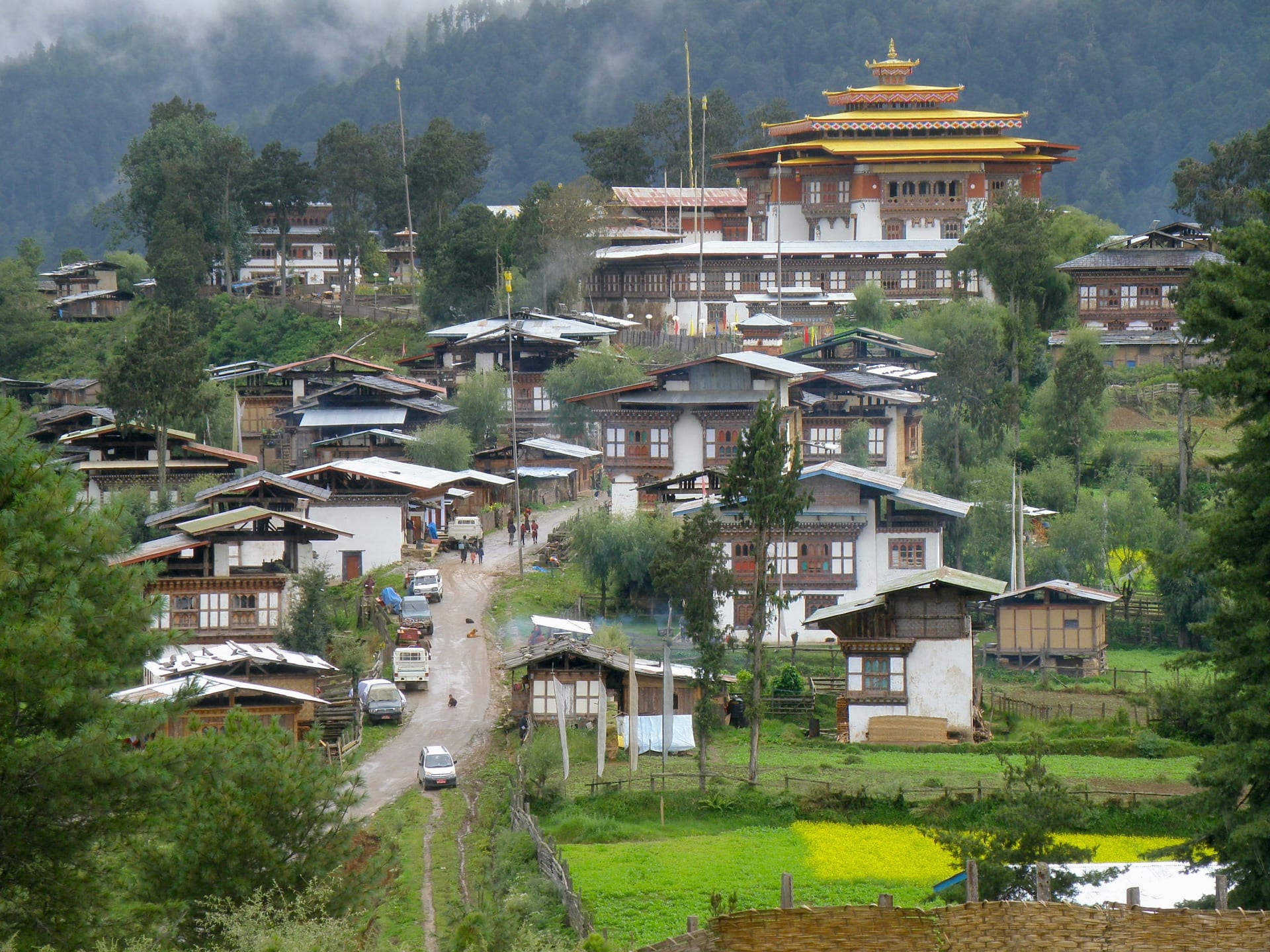
Im Gegensatz zu vielen asiatischen Hauptstädten, die Charakter für Beton und Stahl geopfert haben, hat Thimphu seine unverwechselbare bhutanische Architektur bewahrt.
Sogar die modernsten Gebäude halten sich an traditionelle Designs, kunstvolle Holzfenster und abfallende Wände in glücksverheißenden Farben.
Was macht Thimphu besonders?
Thimphu represents Bhutan’s unique approach to development.
Die Stadt priorisiert das Bruttonationalglück vor dem BIP. Hier finden Sie Mönche, die Smartphones überprüfen, neben traditionell gekleideten Älteren.
Cafés serve butter tea alongside espresso. This harmonious blend creates an atmosphere found nowhere else on Earth.
Die kompakte Größe der Stadt macht sie perfekt für Erkundungen zu Fuß.
Doch sie bietet genug kulturelle Stätten, Märkte und Erlebnisse, um Besucher für Tage zu beschäftigen.
From sacred dzongs to vibrant weekend markets, from textile museums to folklore institutes, Thimphu offers deep insights into Bhutanese culture and values.
Top-Sehenswürdigkeiten in Thimphu
Buddha Dordenma (Giant Buddha Statue)
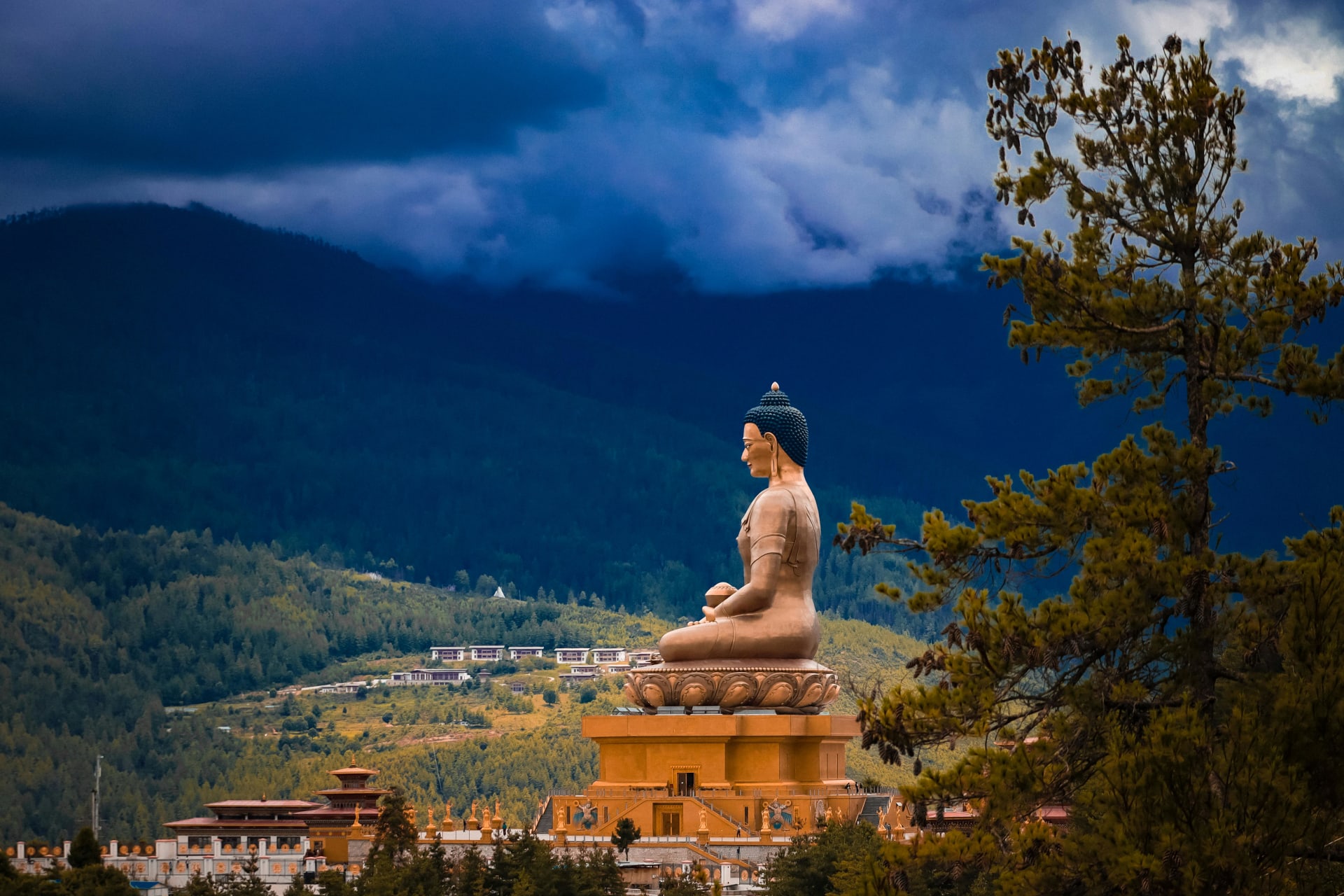
Towering over the city from atop Kuensel Phodrang hill, the 51-meter (169-foot) bronze Buddha Dordenma statue is one of the largest Buddha statues in the world.
Completed in 2015 to commemorate the 60th anniversary of the fourth King, this golden masterpiece contains 125,000 smaller Buddha statues within its body.
Warum ein Besuch
- Panoramic views of Thimphu valley
- One of the largest sitting Buddha statues globally
- Spiritual significance and peaceful atmosphere
- Spectacular sunset views over the city
Besuchertipps
- Visit in the early morning for the best light and fewer crowds
- The statue is illuminated at night, creating a magical sight
- Combine with a visit to Kuensel Phodrang Nature Park
- Free entry (donations appreciated)
Tashichho Dzong (Fortress of the Glorious Religion)
This impressive fortress serves as both the seat of Bhutan’s government and the summer residence of the Je Khenpo (Chief Abbot) and the central monastic body.
The current structure, rebuilt in the 1960s in traditional style using neither nails nor written plans, houses 30 temples and shrines.
Was zu sehen
- The magnificent throne room and assembly hall
- Beautifully painted murals depicting Buddha’s life
- The spectacular utse (central tower)
- The administrative buildings where the King works
Besuchsinformationen
- Open to visitors after 5:30 PM on weekdays and all day Saturday
- Closed on Sundays and government holidays
- Photography restrictions apply in some areas
- Dress modestly (covered shoulders and knees)
Motithang Takin Preserve
Dedicated to protecting Bhutan’s national animal, the takin, this wildlife preserve offers a unique opportunity to see these unusual creatures up close.
Looking like a cross between a cow, goat, and antelope, the takin is said to have been created by the Divine Madman (Lama Drukpa Kunley) in the 15th century.
Was zu erwarten
- See takins roaming in a natural habitat
- Learn about this unique and endangered species
- Short nature trail through the preserve
- Opportunity to see other Himalayan wildlife
Memorial Chorten (Stupa)
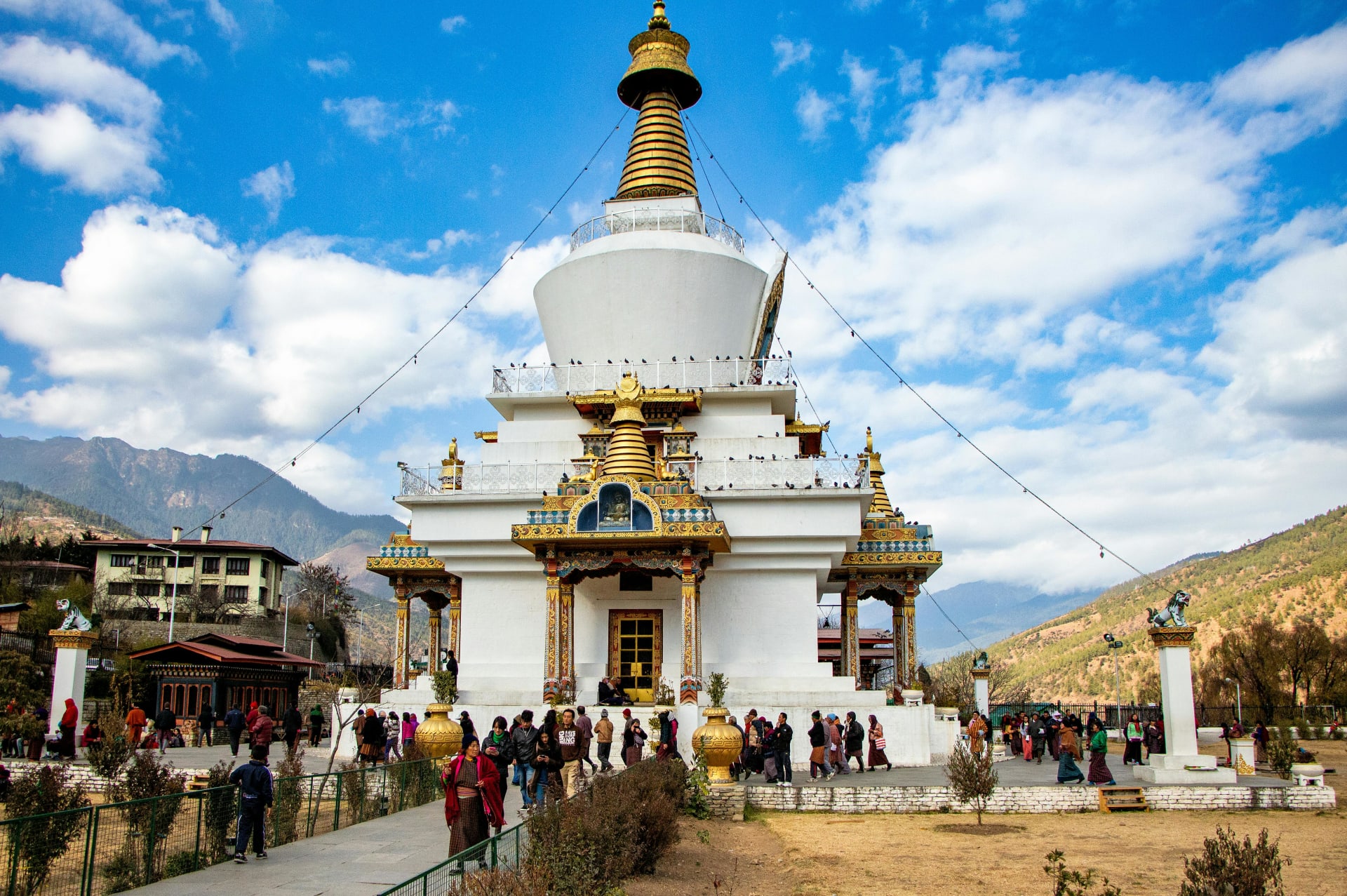
Built in 1974 in memory of the third Druk Gyalpo (King), Jigme Dorji Wangchuck, this prominent landmark is one of Thimphu’s most visible religious structures.
The chorten features three levels representing the mind, body, and speech of Buddha.
Warum ein Besuch
- Active religious site with devoted worshippers
- Beautiful Tibetan-style architecture
- Learn about Vajrayana Buddhism
- Peaceful atmosphere for meditation
- Spin the prayer wheels alongside locals
Centenary Farmers Market (Weekend Market)
For an explosion of colors, smells, and sounds, visit Thimphu’s weekend market (Saturday and Sunday).
Farmers from across the region gather to sell fresh produce, local cheese, dried chilies, and traditional crafts.
Was zu kaufen/sehen
- Fresh organic produce from valleys across Bhutan
- Local varieties of cheese (chugo and datshi)
- Dried chilies in every shade of red
- Traditional utensils and crafts
- Bhutanese incense and herbal medicines
- Try local snacks and momos
Folk Heritage Museum
Step back in time at this beautifully preserved traditional farmhouse.
The museum showcases rural Bhutanese life from the 19th century. The three-story building contains authentic artifacts and provides insight into traditional Bhutanese household customs.
Highlights
- Traditional kitchen with mud stove and utensils
- Ancient artifacts and household items
- Knowledgeable guides explaining Bhutanese customs
- Traditional rice wine distillery
- Authentic atmosphere and architecture
National Textile Museum
Bhutan’s weaving tradition is world-renowned.
This museum celebrates the country’s textile heritage. Exhibits showcase traditional weaving techniques, regional styles, and the significance of textiles in Bhutanese culture.
Was Sie sehen werden
- Regional weaving styles from across Bhutan
- Traditional looms and demonstrations
- Royal textiles and ceremonial garments
- The significance of the kira and gho
- Gift shop with authentic textiles
Simply Bhutan Museum
This living museum provides an interactive journey through Bhutanese culture.
Housed in a traditional building, it offers hands-on experiences including traditional games, archery demonstrations, and rice wine tasting.
Interaktive Erlebnisse
- Try on traditional gho or kira
- Sample arra (local spirit) and butter tea
- Learn traditional games like khuru (darts)
- Archery demonstrations
- Authentic cultural immersion
Kulturelle Erlebnisse in Thimphu
Traditional Archery
Archery is Bhutan’s national sport.
Witnessing a competition is a memorable experience. Teams of archers dressed in traditional gho compete at the Changlimithang Archery Ground.
The competition is accompanied by cheering, dancing, and traditional songs.
Wann zusehen
- Weekend afternoons (Saturday/Sunday)
- During festivals and holidays
- Special tournaments throughout the year
Thimphu Tshechu Festival
Held annually in autumn (typically September or October), the Thimphu Tshechu is one of Bhutan’s largest festivals.
The event features masked cham dances, religious ceremonies, and draws thousands of visitors from across the country.
Was zu erwarten
- Colorful masked dancers performing ancient stories
- Traditional music and ceremonies
- Locals in their finest traditional clothes
- Street food and carnival atmosphere
- Unforgettable cultural immersion
Weekend Walking Street
Every Saturday and Sunday (5 PM – 10 PM), Thimphu’s main street transforms into a pedestrian-only zone with food stalls, crafts, music, and entertainment.
Highlights
- Try local street food and snacks
- Buy handicrafts directly from artisans
- Live music and cultural performances
- Meet local families enjoying their weekend
- Vibrant, festive atmosphere
Spa und Wellness
Thimphu offers several excellent spas and wellness centers.
Traditional Hot Stone Bath
Known as “menchu,” this therapeutic bath involves heated river stones placed in water infused with medicinal herbs. It’s perfect for soothing tired muscles after trekking.
Beste Spas in Thimphu
- Serena Spa: Luxury wellness in traditional style
- Pema Karpo: Authentic traditional therapies
- Bhutan Yoga and Meditation Center: Holistic wellness
Tagesausflüge von Thimphu
Tango and Cheri Monasteries
These two sacred monasteries, perched on hills north of Thimphu, offer spiritual significance and rewarding hikes.
Tango Monastery
- Founded in the 13th century
- Important center of Buddhist learning
- Moderate 1-hour hike from road head
- Spectacular valley views
- Active monastery with young monks
Cheri Monastery
- Meditation site of the first Zhabdrung Rinpoche
- Strenuous 2-hour hike
- Peaceful, remote atmosphere
- Wildlife spotting opportunities
Dodeydrak Hike
For experienced hikers, this challenging trail leads to a remote meditation retreat.
The 4-5 hour hike passes through forests, past waterfalls, and hermitages, offering spectacular views of Thimphu valley.
Cheri Mountain Resort
A beautiful spot for a picnic or short walk.
The resort features hiking trails, a small temple, and panoramic views of the Thimphu valley.
Beste Reisezeit für Thimphu
Frühling (März - Mai)
- Pleasant temperatures (15-25°C)
- Rhododendrons and wildflowers blooming
- Clear mountain views
- Thimphu Tshechu (sometimes in March)
Sommer (Juni - August)
- Monsoon season (rainy and humid)
- Lush green countryside
- Fewer tourists
- Lower prices possible
Herbst (September - November)
- Clear skies, excellent visibility
- Comfortable temperatures
- Thimphu Tshechu (September/October)
- Peak tourist season
Winter (Dezember - Februar)
- Cold nights, sunny days
- Best mountain views
- Fewer crowds
- Some restaurants may have shorter hours
Unterkunft in Thimphu
Luxushotels
- Taj Tashi: 5-star luxury with excellent spa
- Le Méridien: Modern comfort with mountain views
- Terma Linca: Boutique luxury with Bhutanese architecture
Mittelklasse-Optionen
- Hotel River View: Great location and value
- Thimphu Tower: Central and comfortable
- Phuntsho Pelri: Traditional decor with modern amenities
Günstige Optionen
- Numerous guesthouses and homestays
- Youth hostels for backpackers
- Basic hotels near the weekend market
Wo man in Thimphu isst
Traditionell Bhutanesisch
- Bhutan Kitchen: Authentic local cuisine
- Bukhari: Traditional dishes in cozy setting
- Folk Heritage Museum Restaurant: Traditional atmosphere
Internationale Küche
- Swiss Guest: Excellent bakery and continental food
- Ambrosia: Italian and Indian favorites
- Season’s Restaurant: Pan-Asian cuisine
Cafés und Bäckereien
- Coffee House: Popular meeting spot with good coffee
- Zombala: Great breakfast and pastries
- The Zone: Modern café with WiFi
Fortbewegung in Thimphu
Zu Fuß
Thimphu is very walkable, especially the town center. Most attractions are within walking distance of each other.
Taxi
Readily available and inexpensive. Agree on fare before starting (no meters).
Mietwagen
Only with a licensed Bhutanese driver. Your tour operator will arrange this.
Praktische Reisetipps
Währung
- Ngultrum (BTN) pegged to Indian Rupee
- Indian Rupees accepted everywhere
- Credit cards accepted in hotels and larger shops
- ATMs available in town
Konnektivität
- WiFi available in most hotels and cafés
- SIM cards available (Bhutan Telecom and TashiCell)
- Internet can be slow by international standards
Gesundheit und Sicherheit
- Altitude: 2,248m – drink plenty of water
- Tap water is not safe to drink
- Medical facilities available for minor issues
- Travel insurance recommended
Beispiel-Reiseplan für Thimphu (3 Tage)
Tag 1: Stadtorientierung
Morning: Buddha Dordenma and Kuensel Phodrang
Afternoon: Memorial Chorten and Tashichho Dzong
Evening: Explore Clock Tower area and dinner
Tag 2: Kulturelle Immersion
Morning: Folk Heritage Museum and Textile Museum
Afternoon: Motithang Takin Preserve and Simply Bhutan
Evening: Weekend market (if Saturday/Sunday) or walking street
Tag 3: Spirituelle Erkundung
Morning: Tango Monastery hike
Afternoon: Simply Bhutan Museum and souvenir shopping
Evening: Traditional hot stone bath and farewell dinner
Planung Ihres Thimphu-Besuchs
Thimphu offers a perfect introduction to Bhutanese culture.
The city’s commitment to preserving tradition while embracing thoughtful progress creates an atmosphere that is both deeply spiritual and genuinely welcoming.
Whether you’re exploring ancient dzongs, browsing vibrant markets, or simply soaking in the unique atmosphere of a capital city without traffic lights, Thimphu will challenge your perceptions.
At Silverpine Bhutan, we’ve been sharing Thimphu’s treasures with travelers since 2010. Our local guides know the city’s hidden gems, from the best momo stalls to secret meditation spots.
Bereit, Thimphu zu erkunden? Browse our tours or contact us to start planning your Bhutan adventure.
Häufig gestellte Fragen zu Thimphu
Lohnt sich ein Besuch in Thimphu?
Absolut! Als Hauptstadt Bhutans bietet Thimphu die perfekte Einführung in die bhutanische Kultur, mit wichtigen religiösen Stätten, Museen, Märkten und kulturellen Erlebnissen.
Wie viele Tage sollte ich in Thimphu verbringen?
Wir empfehlen 2-3 volle Tage, um die Hauptsehenswürdigkeiten ohne Hektik zu sehen und die einzigartige Atmosphäre auf sich wirken zu lassen.
Benötige ich einen Reiseführer für Thimphu?
Obwohl Sie die Stadt zu Fuß erkunden können, bietet ein Reiseführer unschätzbaren kulturellen Kontext und führt Sie an Orte, die Sie sonst vielleicht verpassen würden.
Wie ist das Essen in Thimphu?
Thimphu bietet alles von traditionell Bhutanesischem (Ema Datshi, Momos) bis hin zu internationaler Küche. Indische und tibetische Einflüsse sind stark.
“Thimphu ist nicht nur eine Stadt – sie ist ein lebendiges Manifest von Bhutans Glauben, dass Fortschritt und Tradition harmonisch koexistieren können.”