Best Time to Visit Bhutan: A Complete Seasonal Guide for 2025-2026
Bhutan, the Land of the Thunder Dragon, transforms dramatically through the seasons. Each month paints the Himalayan kingdom in different colors—from spring’s vibrant rhododendron blooms to autumn’s golden rice terraces and winter’s pristine snow-capped peaks.
Having guided travelers through Bhutan for over 15 years, I’ve learned that timing your visit can transform a good trip into an extraordinary one. Let me help you find the perfect season for your Bhutanese adventure.
Quick Overview: Bhutan’s Seasons
| Season | Months | Best For | Weather |
|---|---|---|---|
| Spring | March-May | Flowers, clear views, trekking | Pleasant days, cool nights |
| Summer | June-August | Luxury travel, fewer crowds | Warm, rainy, lush greenery |
| Autumn | September-November | Festivals, trekking, photography | Peak season, clear skies |
| Winter | December-February | Snow views, cultural sites, budget | Cold, crisp, sunny days |
Spring (March - May): The Kingdom in Bloom
Spring in Bhutan is nothing short of magical. As winter’s grip loosens, the mountains awaken in a spectacular display of color. Rhododendrons paint the hillsides in shades of crimson, pink, and white, while clear skies offer uninterrupted views of the Himalayan peaks. The temperatures during these months are simply ideal for exploration—pleasant days of 15-25°C and cool, crisp nights that invite restful sleep. What’s more, spring sees fewer visitors than the autumn peak, giving you a more intimate experience of this enchanting land.
March arrives gently to the valleys. The lower elevations begin their transformation to verdant green, though snow may still crown the higher peaks. This is the photographer’s season—the air is crystal clear, and the light takes on a golden quality that seems to illuminate everything it touches. In Thimphu, the jacaranda trees burst into purple bloom, creating a striking contrast against the whitewashed buildings and ancient fortress walls.
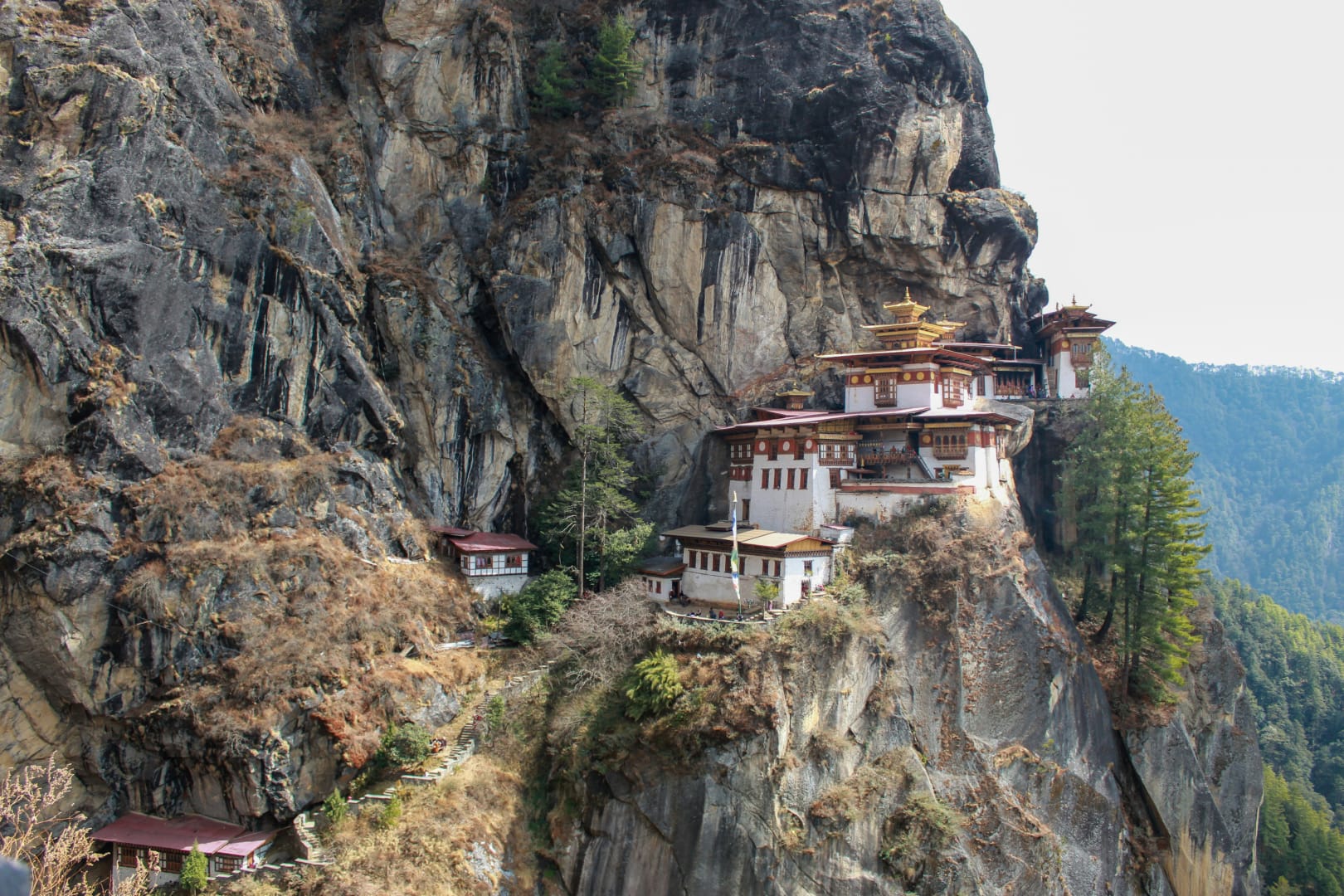
By April, the hillsides are ablaze with rhododendrons. The famous Jomolhari and Snowman treks offer spectacular displays of these Himalayan flowers, transforming the mountain paths into corridors of natural beauty. April also brings the Paro Tshechu, one of Bhutan’s most vibrant festivals, where masked dancers perform ancient rituals in the courtyard of Paro Dzong while Tiger’s Nest monastery watches from the cliffs above.
May extends the flowering season while bringing warmer temperatures and clearer skies. Migratory birds return to the valleys, filling the air with their songs and making it an exceptional time for wildlife enthusiasts. Spring packing should include light layers for daytime exploration, a warm jacket for evenings and higher elevations, and waterproof gear for the occasional shower that heralds the coming monsoon.
Summer (June - August): The Monsoon Season
Summer in Bhutan brings the monsoon rains, and with them, a different kind of beauty. The crowds thin considerably, offering a more private and personal experience of the kingdom. The landscape transforms into an emerald paradise—lush, vibrant, and alive. Waterfalls cascade down mountainsides in their full glory, and the valleys take on a mystical quality shrouded in mist and cloud.
The reality of monsoon travel requires some preparation. You won’t encounter rain all day, every day, but you can expect heavy but brief afternoon showers, occasional multi-day rain spells, and humidity levels that reach 70-80%. The temperatures hover between 20-30°C, making for a warm, tropical feel in the valleys.
Summer is perhaps the perfect time for cultural travelers. Bhutan’s magnificent museums, dzongs, and temples take on an atmospheric quality in the rain, with overcast skies creating dramatic photography opportunities that capture the moody essence of the Himalayas. The stone courtyards glisten with rain, and the sound of water creates a natural soundtrack to your cultural explorations.
For those seeking luxury, Bhutan’s high-end hotels come into their own during the monsoon. Properties like Aman, Como, and Taj Tashi offer incredible spa experiences, gourmet cuisine, and cozy fireplaces—perfect for watching the rain sweep across the valleys while staying warm and pampered. Budget-conscious travelers will appreciate the lower daily tariffs and better availability that comes with the off-peak season.
Autumn (September - November): The Golden Season
If there’s a perfect time to visit Bhutan, autumn is it. The weather is simply the best of the year—crystal-clear mountain views that seem to stretch forever, comfortable temperatures, and not a cloud in the sky for days on end. This is also the season of major festivals, when the entire kingdom seems to celebrate with colorful tshechus that bring communities together in joyous gatherings.
September marks the transition from monsoon to paradise. The rains taper off by mid-month, and the countryside transforms into a patchwork of green and golden rice fields ready for harvest. The air becomes crisp, and distant mountain views start to reveal themselves in all their snow-capped splendor. Each day brings clearer skies and more spectacular vistas.
October is arguably the best single month to visit Bhutan. The weather is nearly perfect—sunny days, cool nights, and mountain views that will take your breath away. The Thimphu Tshechu typically occurs in late September or early October, making this the ideal time to witness Bhutan’s biggest festival. The Jomolhari Mountain Festival also takes place in October, celebrating snow leopard conservation in a stunning high-altitude setting. The Punakha Tshechu sometimes occurs in late October as well, giving visitors multiple opportunities to experience these extraordinary cultural events.
November brings crisper air and drier landscapes as autumn deepens. This is an excellent time for photography, as the clear air produces razor-sharp images, and for high-altitude trekking, thanks to stable weather patterns. Of course, perfection comes with a price—this is peak season, and you’ll need to book 4-6 months in advance to secure accommodations and guides. The standard daily tariff applies without discounts, and hotels fill up quickly with travelers from around the world.
Winter (December - February): Snowy Serenity
Winter in Bhutan offers a completely different, equally rewarding experience. The crowds vanish, replaced by a profound sense of peace and possibility. Sunny days are surprisingly bright and clear, revealing snow-capped peaks in all their glory. The government often offers discounted daily tariffs in winter months, making it an attractive option for budget-conscious travelers. And there’s nothing quite like a traditional hot stone bath when the air is crisp and cold.
December begins the quiet transition. Early December still offers pleasant daytime temperatures of 10-15°C in the valleys. By late December, snow dusts the higher peaks, and the landscape takes on a serene beauty that photographers find irresistible. The light is exceptional—clear and sharp, creating dramatic contrasts between the white mountains and dark forests.
January is the coldest month, but also offers some of the clearest views of the Himalayas you’ll ever see. On a sunny day, you can see multiple snow-capped peaks from Thimphu and Paro, their white summits gleaming against the deep blue sky. Temperatures in Thimphu and Paro range from 10-15°C during the day to -5 to 5°C at night, while higher elevations can drop to -15°C after dark. Bundle up, and you’ll be rewarded with landscapes that look like something from a meditation painting.
February marks the return of festival season with the Punakha Tshechu and Drubchen, one of Bhutan’s most unique celebrations featuring a dramatic reenactment of a 17th-century battle. As the month progresses, temperatures begin their slow climb toward spring, but winter’s beauty remains on the mountain peaks.
Winter is also when the black-necked cranes migrate to Phobjikha Valley. These elegant birds, considered sacred in Bhutanese culture, arrive from Tibet and stay until February. The annual Black-Necked Crane Festival in November celebrates their arrival with children performing crane dances and conservation-themed songs. For wildlife enthusiasts, this is a special time indeed.
Festival Calendar 2025-2026
Bhutan’s festivals, or tshechus, are among the most colorful cultural experiences in the world. These vibrant celebrations commemorate Guru Rinpoche, the 8th-century Buddhist master who brought Buddhism to Bhutan, and feature masked cham dances that have remained unchanged for centuries.
For 2025, the Paro Tshechu runs from March 28 to April 1, while the Thimphu Tshechu takes place September 12-14. The Jomolhari Mountain Festival occurs October 14-15, perfect for adventure seekers who want to combine trekking with cultural immersion. The Black-Necked Crane Festival on November 11 celebrates these sacred birds in the beautiful Phobjikha Valley. The Punakha Tshechu rounds out the year from February 26-28.
Looking ahead to 2026, the Paro Tshechu shifts to April 17-21, the Thimphu Tshechu moves to October 2-4, and the Punakha Tshechu is scheduled for February 16-18. Keep in mind that all dates are based on the Bhutanese lunar calendar and may shift slightly—always confirm with your tour operator before finalizing your travel plans.
Month-by-Month Recommendations
| Month | Rating | Best For | Avoid If |
|---|---|---|---|
| January | 7/10 | Budget travelers, mountain views | Dislike cold |
| February | 8/10 | Festivals (Punakha), snow views | Want warm weather |
| March | 8.5/10 | Festivals (Paro), flowers, fewer crowds | Peak autumn crowds |
| April | 9/10 | Rhododendrons, clear skies, trekking | Sensitive to pollen |
| May | 8.5/10 | Trekking, flowers, good weather | Dislike heat |
| June | 6/10 | Fewer crowds, luxury stays | Dislike rain |
| July | 5/10 | Budget travelers, lush landscapes | Want clear views |
| August | 6/10 | Fewer tourists, monsoon experience | Dislike humidity |
| September | 8/10 | Fewer crowds than October, rice harvest | Can tolerate occasional rain |
| October | 10/10 | EVERYTHING – festivals, weather, views | Dislike crowds |
| November | 9/10 | Trekking, photography, clear views | Want warmer weather |
| December | 7.5/10 | Snow views, fewer tourists, lower prices | Very sensitive to cold |
Best Time by Interest
The ideal time to visit Bhutan depends entirely on what you hope to experience. For trekking enthusiasts, the prime months are March through May and September through November, when trails are clear, views are spectacular, and the temperatures are comfortable for physical exertion. The summer months of June through August should be avoided for trekking due to leeches and slippery trails, though the determined adventurer will be rewarded with lush, green landscapes and waterfalls in full flow.
Festival seekers should plan their visits between February and May or September and November. The absolute peak times are the Paro Tshechu in March or April and the Thimphu Tshechu in September or October—these are the largest and most accessible festivals, drawing visitors from around the world. For a more intimate festival experience, consider visiting in February for the Punakha Tshechu or seeking out smaller village celebrations.
Photographers will find their paradise in October and November, when the air is clearest and the light is most dramatic. The golden hour stretches on forever, and the mountain views are simply unmatched. March and April are also excellent for photography, offering flowers in bloom and atmospheric clouds that add depth to your images. For snow-covered peaks, December through February provides stark, beautiful compositions that capture winter in the Himalayas.
Budget-conscious travelers will find the best values from June through August during the monsoon season and from December through February when winter discounts apply. The absolute peak season of October should be avoided if cost is a concern, as this is when prices are at their highest and demand is most intense.
Wildlife enthusiasts should plan their visits between November and February for black-necked crane season and prime snow leopard viewing opportunities. April and May are also excellent for bird watching, as migratory species return and spring blooms attract a diverse array of birdlife to the valleys.
For those seeking cultural immersion, timing your visit during any major festival is essential. The energy, color, and community connection of tshechu season provide unmatched insights into Bhutanese culture. Winter also offers opportunities for more authentic experiences, as fewer tourists mean more genuine interactions with locals who have time to share their traditions and stories.
Practical Tips for Timing Your Visit
Booking well in advance is essential, especially during popular times. For festival season, particularly around October, you’ll need to secure your plans 4-6 months ahead. Spring and autumn also require 2-3 months of advance planning to ensure availability. Winter and monsoon seasons offer more flexibility, with 1-2 months typically sufficient.
Understanding the daily tariff structure helps with planning. Peak season covers March, April, May, September, October, and November, with rates typically ranging from $200-250 per day. Off-season includes June, July, August, December, January, and February, with rates around $150-200 per day. Keep in mind that these prices are government-regulated and subject to change.
Weather preparation is key regardless of when you visit. Always pack layers, as Bhutan’s elevation changes mean rapid temperature shifts throughout the day. Rain gear is essential year-round, even in dry seasons, as mountain weather is notoriously unpredictable. Sun protection is equally important—UV levels are strong at high altitudes, and the thin air offers less protection than you might expect.
My Personal Recommendations
After fifteen years guiding travelers through this magical kingdom, I’ve developed some strong opinions about timing. For first-time visitors, October is simply unbeatable. The weather is perfect, the Thimphu Tshechu is in full swing, the rice harvest turns the valleys gold, and the mountain views will leave you speechless. Yes, it’s crowded—but there’s a reason for that.
For return visitors who have already experienced the autumn peak, I recommend April or November. You’ll find fewer crowds than October but still enjoy excellent weather and spectacular scenery. April brings the rhododendrons in full bloom, while November offers crystal-clear air perfect for photography and high-altitude adventures.
Trekking enthusiasts face a delightful choice between April for rhododendron-lined trails or October for the clearest mountain views imaginable. Either way, you’ll be rewarded with some of the best hiking in the Himalayas.
Cultural travelers should consider February or March, when the Punakha Tshechu and Paro Tshechu offer authentic, less crowded alternatives to the autumn festivals. These earlier festivals feel more intimate and traditional, with fewer international visitors and more local participation.
Budget-conscious travelers will find the best values in January or July, when significant discounts and fewer crowds make for an affordable adventure. Winter offers pristine snow views, while the monsoon season presents Bhutan at its most lush and green—both beautiful in their own ways.
For honeymooners and luxury travelers, October is ideal if your budget allows for perfect weather. But there’s something romantic about July, when you can enjoy cozy rainy days in luxury resorts with mountain views, warm yourself by fireplaces, and let the monsoon create the perfect atmosphere for relaxation.
Final Thoughts
Bhutan is beautiful year-round, but each season offers a different perspective on this magical kingdom. The “right” time depends entirely on what you want to experience and what kind of traveler you are. Whether you’re hiking through rhododendron forests in spring, dancing at a festival in autumn, or sipping butter tea while watching snow fall on ancient monasteries in winter, Bhutan will touch your soul in ways you never expected.
Remember that in Bhutan, the journey is as important as the destination. The pace is slow, the people are genuine, and the culture is alive in ways that few places on Earth can claim. Whatever season you choose, you’ll find yourself welcomed into a world that seems to have mastered the art of living well.
Ready to plan your Bhutan adventure? Contact us to customize your journey based on your preferred season, interests, and budget. We’ll help you choose the perfect time for your Himalayan experience.