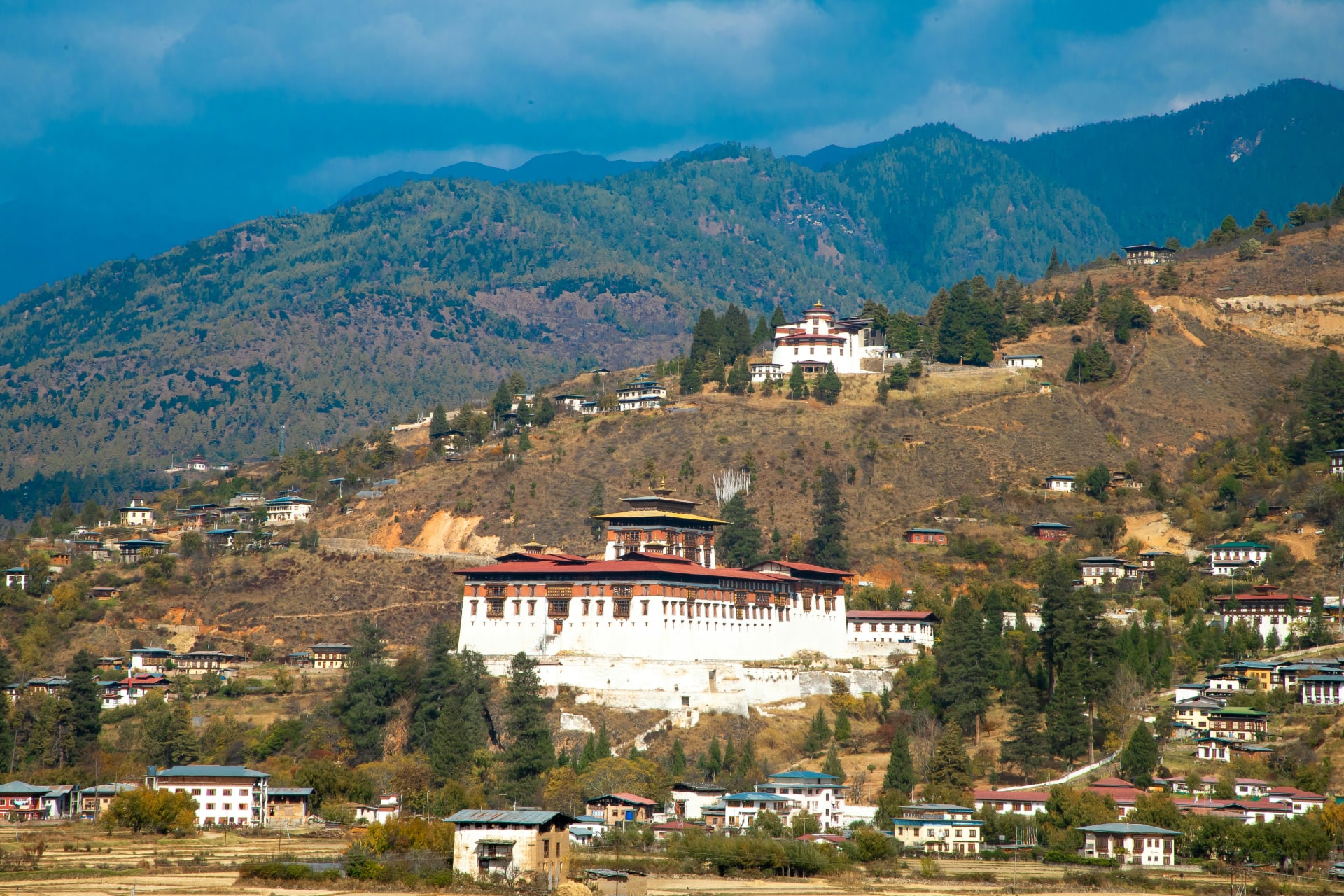
Bhutan with Kids: The Complete Family Travel Guide
Traveling to Bhutan with children might seem daunting, but it’s actually one of the most rewarding family destinations in the world. Bhutan is safe, welcoming to families, and filled with experiences that will captivate children and adults alike. This guide covers everything you need to know about planning a memorable family trip to the Land of the Thunder Dragon.
Why Bhutan is Perfect for Families
Bhutan offers a unique combination of safety, culture, and adventure that makes it exceptional for family travel. The crime rate is extremely low, making it one of the safest countries you could possibly visit. But beyond safety, what truly sets Bhutan apart is how genuinely welcoming Bhutanese people are toward children. You’ll find smiles and warmth wherever you go, with locals often going out of their way to make your little ones feel comfortable and special.
The Bhutanese culture itself is deeply family-oriented, and you’ll see this reflected in everything from the way hotels welcome children to how restaurant staff accommodate picky eaters. The food is generally fresh, non-processed, and mild enough for young palates—though you can always ask to adjust the spice level. Perhaps most importantly, Bhutan offers the kind of education that can’t be found in any classroom. Children learn about Gross National Happiness, a unique development philosophy that prioritizes wellbeing over economic growth. They’re exposed to Buddhist culture, mindfulness practices, and environmental conservation in ways that are engaging and age-appropriate.
The pace of travel in Bhutan is naturally slow and gentle. Unlike rushing between attractions in more developed destinations, Bhutan invites you to linger, to absorb, to take your time. Most destinations are within three to four hours of each other, and your itinerary can be adjusted to match your family’s energy levels and interests.
Finding the Right Age for Your Bhutan Adventure
Each age group presents different opportunities and challenges for a Bhutan trip. For infants and toddlers under three, the journey is certainly doable but presents significant logistical considerations. On the positive side, entry to most attractions is free for the little ones, and babies are portable enough to carry in a front pack. You’ll come home with incredible photos that your child won’t remember but will cherish seeing later. However, you’ll need to manage diapers and formula logistics in remote areas, and infants under one year should be monitored for altitude sensitivity. Frequent breaks and carrying supplies will be your reality.
Young children aged four to seven are at a delightful age to introduce Bhutan. They’re old enough to begin appreciating the experience, to marvel at Tiger’s Nest perched on a cliff, to find the mask dances fascinating rather than overwhelming. They’re still portable enough to be carried if they tire on a hike, and most attractions don’t require tickets for this age group. The challenges are real—long hikes might be too much, early wake times can disrupt schedules, and picky eating can be tricky when Bhutanese cuisine features chilies as a main ingredient. But with the right preparation and a flexible approach, this can be a magical age for a first Bhutan adventure.
School-age children between eight and twelve, in my experience, represent the ideal age for Bhutan travel. They can engage meaningfully with the culture, ask questions about Buddhism and Bhutanese traditions, and handle moderate hikes without complaint. They will remember this trip for the rest of their lives, and the educational value is tremendous. School schedules do require consideration, and they may occasionally grow bored with yet another monastery visit. But overall, this age group gets the most out of everything Bhutan has to offer.
Teenagers thirteen and older can handle more challenging activities and appreciate the cultural depth of Bhutan. They make excellent travel companions and can engage in genuine conversations with guides and locals. The main challenge is that teenagers might prefer adventure over cultural sites, and the limited connectivity can feel like tech withdrawal at first. However, involving them in the planning process—giving them ownership over certain aspects of the trip—can transform this from a potential drawback into an opportunity for genuine family connection without digital distractions.
Designing Your Family Itinerary
A classic seven-day family trip through Paro, Thimphu, and Punakha offers the perfect introduction to Bhutan for families with children aged eight and older. Begin in Paro with two days of acclimatization and gentle exploration. Tiger’s Nest Monastery is accessible even for children, with ponies available for the climb up if little legs get tired. The National Museum at Ta Dzong provides fascinating insights into Bhutanese culture without being overwhelming, and light hiking through the Paro Valley introduces the family to the stunning landscape that will become your constant companion.
From Paro, the drive to Thimphu takes just one hour—perfect for short attention spans. In the capital, the Takin Preserve is always a hit with children who are fascinated by these strange, mythical-looking animals that seem to be part cow, part goat, and part sheep. The Motithang Museum brings traditional Bhutanese life to life in engaging ways, while the weekend market offers a sensory explosion of color, sound, and scent that captivates visitors of all ages. Don’t miss the paper factory where traditional paper-making demonstrations show kids how paper was made centuries ago—and they can try it themselves.
Punakha, a two-hour drive from Thimphu over the spectacular Dochu La pass, offers its own treasures. If you’re traveling in winter, playing in the snow at the pass might be the highlight of the trip for the kids. Punakha Dzong, often called Bhutan’s most beautiful fortress, sits at the confluence of two rivers and provides an awe-inspiring backdrop for family photos. Chimi Lhakhang, the Fertility Temple, has a humorous quality that children find endlessly entertaining, while the suspension bridge offers thrills and spectacular river views. Gentle river rafting is available for families, and a traditional hot stone bath provides the perfect end to active days.
For active families with children aged ten and older, extending to ten days allows inclusion of the magical Phobjikha Valley. This glacial valley feels like stepping into another world, and if you visit between November and February, the black-necked cranes that winter here provide an unforgettable wildlife experience. The Gangtey Nature Trail offers an easy ninety-minute walk perfect for families, and the crane center provides educational opportunities that engage children in conservation. Return to Thimphu for additional cultural sites and perhaps an archery lesson—Bhutan’s national sport that kids absolutely love trying. A hot stone bath experience on your final day provides the perfect relaxation before departure.
Activities That Children Love
Tiger’s Nest Monastery, or Taktsang Palphug, inevitably tops the list of children’s favorites. The cliffside location is simply exciting, perched dramatically on a vertical rock face. The hike up can be challenging, but ponies are available for children under ten, and frequent breaks with snacks and water keep energy up. The legends of buried treasure and the tigers that carried Guru Rinpoche here capture young imaginations, and prayer flags fluttering in the wind create a magical atmosphere that feels like something from a storybook.
Archery experiences consistently delight children of all ages. As Bhutan’s national sport, archery is deeply woven into the culture, and children are thrilled when they can try it themselves. Many local clubs offer lessons, and the friendly competition that naturally emerges between family members creates wonderful memories and lots of laughter.
The Takin Preserve in Thimphu is another highlight. Takins are genuinely strange-looking creatures that seem impossible until you see them with your own eyes. They look like a whimsical combination of cow, goat, and sheep, and children love observing them up close in their enclosure at Motithang.
Traditional hot stone baths feel like a giant hot tub to children, and watching the preparation is fascinating in itself. River stones are heated in a fire until red-hot, then placed in a wooden tub filled with water infused with medicinal herbs. Just be sure to test the temperature carefully before children get in—it gets very hot!
Mask dances during festivals are pure magic for children. The colorful costumes and elaborate masks, the music and chanting, the sheer spectacle of it all captures their attention completely. Best of all, at the end of many dances, the audience is invited to join in—something kids rarely pass up.
Paper making demonstrations at the Jungshi Handmade Paper Factory in Thimphu offer hands-on learning that engages children. They can make their own paper, see traditional crafts in action, and gain appreciation for the skill involved in this ancient art form.
For families who enjoy gentle adventure, rafting on the Po Chhu River offers safe but exciting floats with beautiful scenery. The minimum age is usually five or six years old, making it accessible to most school-age children.
Staying Healthy and Safe
Altitude is the primary health consideration for families visiting Bhutan. Thimphu and Paro sit at 2,200-2,500 meters, which is generally well-tolerated by children, but it’s wise to take the first twenty-four hours easy. Drink lots of water, watch for headaches or loss of appetite, and descend if symptoms appear. Punakha, at 1,300 meters, is actually lower and easier on the system—a good option if anyone is struggling with altitude.
Food and water safety is straightforward but important. Drink only bottled or purified water, avoid tap water and ice cubes, and be cautious with street food. Well-cooked, hot meals are generally safe. For fruits, peel them yourself or avoid them entirely. Carry snacks from home—familiar foods can be lifesavers during long drives or when local options don’t appeal to picky eaters.
Travel insurance is essential, and bring a comprehensive first aid kit with family medications, pain and fever reducers, stomach remedies, band-aids and antiseptic, and any prescription medications. Hospitals are available in Thimphu and Paro, but it’s always better to be prepared.
Packing for Your Family Adventure
For children, comfortable walking shoes that have been broken in before the trip are essential. Bhutan involves lots of walking, often on uneven surfaces. Layers are crucial as weather can change quickly, and a rain jacket is necessary year-round. Sun protection including a hat, sunglasses, and SPF 50+ sunscreen is non-negotiable at these altitudes. Entertainment for long drives—books, games, a tablet with downloaded content—can be a lifesaver. Snacks and a reusable water bottle help keep children hydrated and satisfied between meals.
For parents, a baby carrier or front pack is invaluable if you’re traveling with an infant or toddler. Strollers aren’t very useful due to uneven terrain, though they can be helpful in airports. Wet wipes and hand sanitizer are essential, as is laundry detergent for hand-washing clothes. Plug adapters for type D and G electrical outlets are needed, as Bhutan uses 230V power.
Eating Well in Bhutan
Bhutanese food can be child-friendly with the right approach. Ema datshi, the national dish of chilies and cheese, is usually too spicy for children, but restaurants will happily make a non-spicy version. Red rice is mild and generally liked by kids. Momos, the Tibetan-style dumplings found everywhere, are almost universally loved by children. Fried rice and noodles are available at virtually every restaurant and provide safe, familiar options. Western food is readily available in hotels for those moments when familiarity is needed.
The Ambient Cafe in Thimphu offers great coffee and pastries that feel familiar, while the Folk Heritage Museum restaurant serves traditional food in a setting that engages children. Hotel restaurants are generally the most accommodating for families and can modify dishes to suit young palates.
Where to Stay with Your Family
When choosing accommodation, look for connecting rooms or family rooms that give everyone space while keeping you together. Heating is essential in winter, and hot water is not guaranteed in budget places. Wi-Fi is available in most mid-range and above hotels, which can be important for older children who want to stay connected with friends back home.
In Thimphu, Terma Linca and River View offer family-friendly facilities. In Paro, Tenzinling Resort and Olathang are reliable choices. Punakha’s Damchen and Zhingkham hotels welcome families and provide comfortable bases for exploring the valley. For a more authentic experience, homestays are available where families can truly immerse themselves in Bhutanese life, though shared bathrooms are common in budget options.
Transportation Considerations
Private vehicles are strongly recommended for families. The flexibility to make stops when children need breaks, the space for luggage and snacks, climate control, and safety all make private transport worth the additional cost. Taxis can work for short trips within cities but are less ideal for longer distances due to limited space and flexibility.
Keeping Kids Engaged and Happy
The key to successful family travel in Bhutan is preparation and engagement. Before your trip, involve children in the planning process. Show them pictures and videos of Bhutan, read books about the country together, and learn a few basic Dzongkha phrases. Hello is “Kuzuzangpo” and thank you is “Kadrin chhe”—kids love using these phrases and seeing the delighted reactions they receive.
During the trip, give children a journal where they can write or draw daily experiences. Let them take photos with their own camera or an old digital camera you don’t mind them using. Create a scavenger hunt for things to find—prayer flags, stupas, yaks, specific types of flowers. Give children their own souvenir budget so they can practice decision-making and feel ownership over their purchases. Most importantly, schedule downtime. Tired children make for miserable travel experiences, and there’s no shame in calling it early and returning to the hotel for rest.
Engaging activities that children love include lighting incense and spinning prayer wheels together at monastery visits, trying on traditional masks available in shops, taking cooking classes to learn to make momos, dressing up in kira or gho for fun photos, and collecting Bhutanese stamps which are renowned worldwide for their beauty.
The Educational Value of a Bhutan Journey
Beyond the obvious adventure and cultural experiences, Bhutan offers tremendous educational opportunities. Children learn about Buddhism through visits to monasteries, where guides explain concepts like compassion and mindfulness in age-appropriate ways. The architecture of dzongs, chortens, and prayer flags becomes a lesson in art history and engineering. Traditional arts like thangka painting, weaving, and woodcarving demonstrate craftsmanship that has been passed down through generations. Music and chanting introduce children to sound traditions that have continued unchanged for centuries.
Nature and environmental education happen naturally in Bhutan. The concept of Gross National Happiness sparks conversations about what truly matters in life. Conservation efforts for black-necked cranes and protected areas teach about environmental stewardship. Sustainable living practices and organic farming show children alternatives to industrial agriculture. The incredible diversity of flora and fauna—from rhododendrons and blue poppies to yaks and Himalayan birds—provides endless opportunities for learning about ecosystems and biodiversity.
Social learning opportunities abound as well. School visits can sometimes be arranged through tour operators, giving children a glimpse into how their Bhutanese peers learn and play. Observing family life in Bhutan raises questions about different ways of living and what’s truly important. Community service opportunities are sometimes available for families who want to give back during their visit.
Budget Considerations for Families
Family travel to Bhutan comes with some financial advantages. Children under five are often free, and children aged five to twelve typically receive a fifty percent discount on tour packages. The SDF may be waived for children—check the current policy when booking. Flights can be more expensive for families, but children’s discounts are sometimes available through airlines.
A typical seven-day trip for two adults and two children might range from $3,500 for a budget experience to $12,000 for premium accommodations and services. The mid-range option around $6,500 provides comfortable hotels, private vehicles, good food, and experienced guides without the luxury price tag.
At Silverpine Bhutan, we specialize in family travel because we believe these journeys create memories that last generations. Our guides are patient and experienced with children, understanding when to push and when to rest. Our itineraries are flexible and adapt to your family’s rhythm rather than forcing you to conform to a rigid schedule. We’ve developed relationships with family-friendly hotels throughout Bhutan and can recommend accommodations that truly welcome children rather than merely tolerating them.
Bhutan is a magical destination for families. The combination of safety, genuine culture, natural beauty, and adventure makes it perfect for creating lifelong memories together. Whether you’re watching your children’s eyes widen at their first sight of Tiger’s Nest, laughing together as you learn archery, or sharing the quiet awe of a monastery visit, Bhutan will touch your family in ways that few destinations can.
Contact us to plan your family adventure—we’ll make sure every family member, from kids to grandparents, has an unforgettable experience in the Land of the Thunder Dragon!