Photography Guide: Capturing Bhutan’s Magic
Bhutan is a photographer’s dream—a kingdom where ancient traditions blend seamlessly with stunning Himalayan landscapes, where colorful festivals burst with life, and where every turn reveals another frame-worthy moment. This comprehensive guide covers everything you need to know about photographing in the Land of the Thunder Dragon.
Why Bhutan is a Photography Paradise
The unique subjects available in Bhutan set it apart from virtually anywhere else on Earth. Stunning landscapes span Himalayan peaks, glacial valleys, and pristine forests that stretch as far as the eye can see. Rich culture permeates every frame—monasteries perched on cliffs, dzongs rising from valley floors, festivals alive with color and movement. The Bhutanese people themselves are remarkably photogenic and welcoming, their faces reflecting both strength and gentleness. Perhaps most importantly, many locations here remain rarely photographed, offering opportunities for genuine discovery rather than simply capturing scenes already exhaustively documented by others.
What makes Bhutan genuinely different as a photography destination is the absence of crowds. Unlike popular destinations where you’re constantly working around other visitors, you’ll often have scenes entirely to yourself. The culture you’re capturing is authentic—not staged for tourist consumption. The variety is extraordinary: landscapes, portraits, architecture, festivals, and wildlife are all accessible within a single journey. The light quality itself is remarkable, with clear mountain atmosphere and dramatic weather patterns creating natural drama in your images.
Essential Photography Gear
The right equipment depends on your photographic priorities, but Bhutan’s diverse subjects reward thoughtful preparation. For cameras, mirrorless systems with APS-C sensors work beautifully for travel, street, and cultural photography—they’re lightweight and discreet, allowing you to work without drawing attention. Full-frame mirrorless or DSLR cameras deliver the best image quality for landscapes and low-light situations. A compact camera serves as an excellent backup and for casual shots when you don’t want to carry heavier gear.
Drone photography requires special permits in Bhutan—more on this later—but can yield spectacular aerial perspectives when properly authorized. Recommended camera bodies include the Sony A7 series, Fuji X series, Nikon Z series, and Canon R series. A versatile lens kit should include a 24-70mm f/2.8 standard zoom, a 70-200mm f/2.8 telephoto for portraits and distant subjects, and a wide-angle zoom for landscapes and architecture.
A fast prime lens—50mm f/1.4 or 85mm f/1.8—is invaluable for low-light situations and portraits with beautiful background separation. Essential accessories deserve careful consideration: spare batteries are critical, as cold temperatures at altitude drain power faster than you might expect. Memory cards should total at least 64GB, preferably more—Bhutan’s visual riches will fill them faster than you anticipate. A polarizing filter is essential for deep blue skies and reducing reflections, while an ND filter enables long exposures of waterfalls and rivers. A lens cleaning kit is necessary—dust is everywhere, and you’ll be changing lenses in the field.
Useful but not essential items include a tripod for landscapes and low-light work, a rain cover for monsoon season, a comfortable camera backpack for hiking with gear, and a power bank for keeping devices charged during long drives over mountain passes.
Top Photogenic Locations
Paro Valley
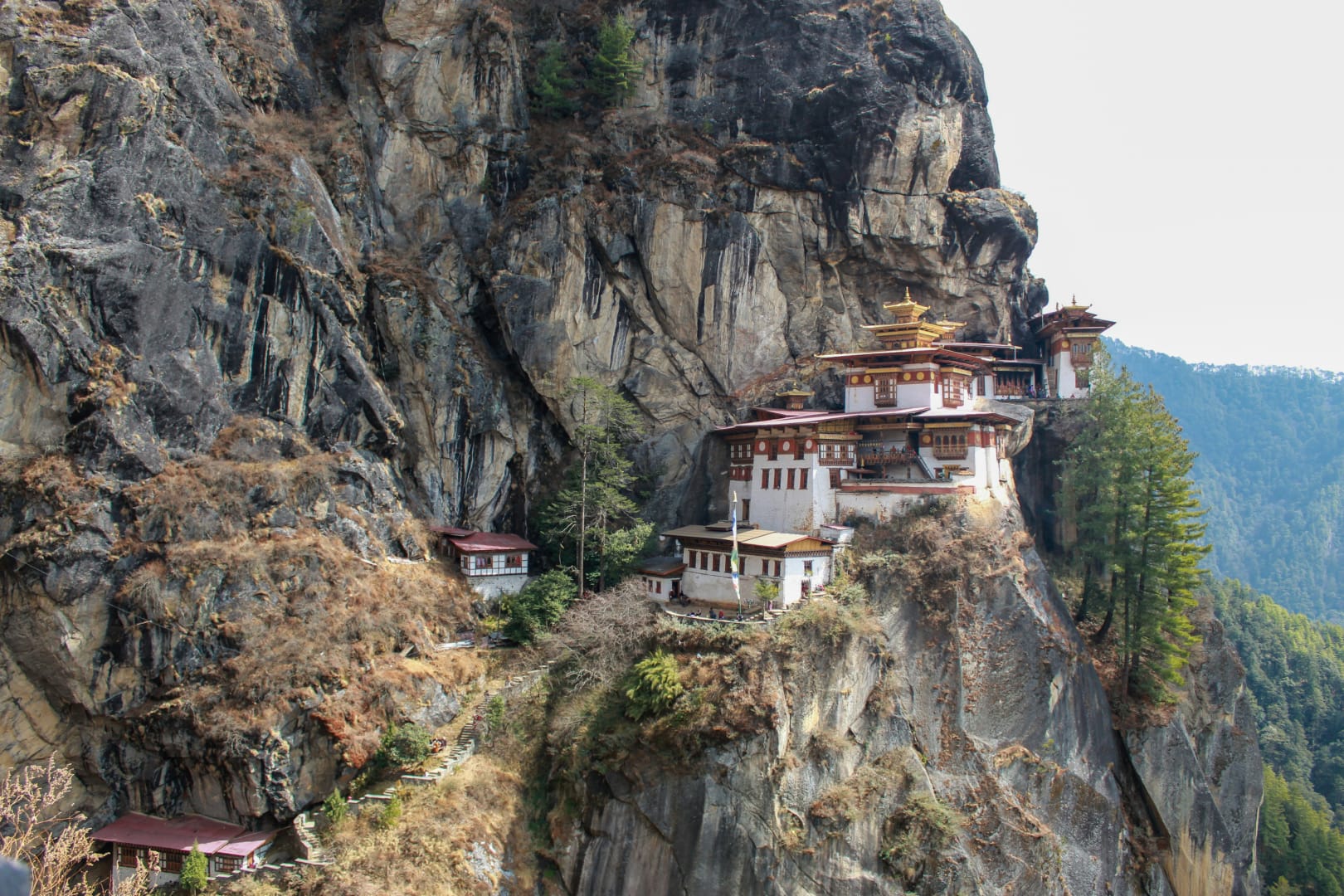
Tiger’s Nest, or Taktsang Palphug, is Bhutan’s most iconic site—the cliffside monastery that appears on virtually every Bhutan travel poster. The spectacular location speaks for itself, but capturing it requires planning. Early morning delivers the best light and fewer people on the trail. Use a wide-angle lens to capture the overall scene and a telephoto for architectural details. If you’re carrying heavy gear, consider using a pony—they can carry equipment as well as riders. Respect signs prohibiting photography inside certain shrine rooms, and don’t miss the viewpoint across the valley, which offers classic wide shots of the entire complex. Settings of f/8 to f/16 ensure sufficient depth of field, while ISO 100-400 maintains image quality.
Paro Dzong provides another stunning subject, particularly in late afternoon when golden hour light transforms its whitewashed walls. Shoot from the viewpoint across the river for the classic composition, look for reflections in the water below, and capture monks walking across the courtyard to add life and scale to your images.
Kyichu Lhakhang, one of Bhutan’s oldest and most sacred temples, offers rich interior photography opportunities. Morning light through the windows creates beautiful illumination, but interior spaces are very dim—bring a fast lens or camera with excellent high-ISO capability. Always respect worshippers and never disrupt prayers for the sake of a photograph. Ask permission before photographing people, especially within sacred spaces.
Thimphu
Tashichho Dzong, the impressive fortress that serves as Bhutan’s seat of government, photographs beautifully at blue hour just after sunset. The bridge across the river provides the ideal vantage point. The weekend market offers extraordinary portrait opportunities, while the giant Buddha Dordenma statue at Kuensel Phodrang creates striking images against the sky.
Memorial Chorten, with its whitewashed stupa and devotees circumambulating while spinning prayer wheels, rewards patient observation. Capture elderly devotees engaged in this sacred practice, include people in your frame to show scale, and always respect the sacred nature of the site—remove shoes and hats if requested.
Punakha
Punakha Dzong deserves its reputation as Bhutan’s most beautiful fortress. Located at the confluence of two rivers, it photographs spectacularly in late afternoon golden light. Shoot from across the river for the classic viewpoint—reflections in the moat are stunning on calm days. Look for monks on the covered bridge to add human interest to your architectural images.
Chimi Lhakhang, the fertility temple decorated with colorful phallus symbols, offers unique photographic subjects. Don’t miss the nearby village, where traditional life continues largely unchanged. Capture devotees circumambulating the temple—always clockwise—and include the whimsical decorations that make this site so distinctive.
Bumthang Region
Kurje Lhakhang marks the sacred site where Guru Rinpoche meditated, leaving his body imprint in rock. The meditation cave, flamboyant interior, and peaceful valley setting all reward careful composition. Jakar Dzong sits atop a hill with panoramic views—excellent for sunrise and sunset photography.
Mebar Tsho, known as the Burning Lake, holds deep spiritual significance as the place where Pema Lingpa discovered sacred treasures. The mysterious waters repay mid-day visits when light plays across the surface—a telephoto lens helps capture details.
High Mountain Passes
Dochu La at 3,140 meters elevation offers spectacular Himalayan views on clear days, including sacred Mount Jhomolhari. The 108 chortens (stupas) create dramatic leading lines in your compositions, while prayer flags add color and movement. The pass is often misty and ephemeral—patience is rewarded when clouds part to reveal the peaks beyond.
Pele La at 3,390 meters passes through rhododendron forests that burst into color during April and May. Wide-angle lenses capture the scale of these mountain landscapes, while telephotos isolate details in the terrain.
Festival Photography
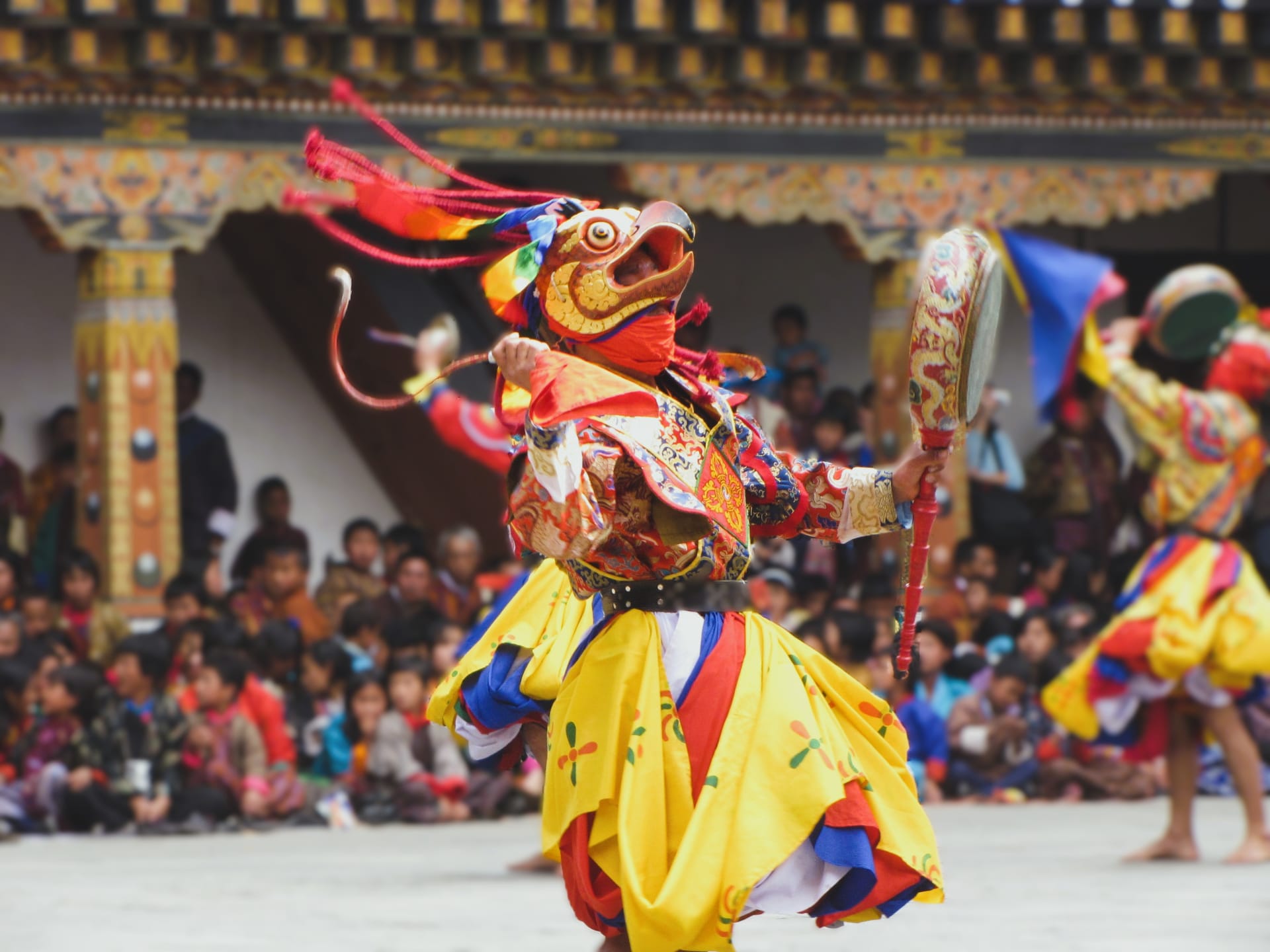
Tshechu festivals offer some of Bhutan’s most extraordinary photographic opportunities. Paro Tshechu in March or April, Thimphu Tshechu in September, Punakha Tshechu in February, and Jambay Lhakhang Drup in October all present masked cham dances, elaborate costumes, and deeply devoted participants.
What you’ll photograph at festivals falls into several categories. The mask dances themselves are mesmerizing—elaborate costumes and masks, dynamic movements, crowd reactions, colorful banners and thangkas all competing for attention. Portraits abound: locals in traditional dress of gho and kira, monks and lamas in crimson robes, elderly devotees whose faces reflect decades of devotion, children watching performances with wide eyes.
Festival photography requires specific techniques. Arrive early to secure a good position before crowds fill the courtyard. Respect restrictions—some sacred dances prohibit photography entirely, and announcements will be made. Always ask permission before photographing people, especially for close-up portraits. Use fast shutter speeds of at least 1/500 second to freeze motion. A 70-200mm telephoto lens is ideal for capturing performances from respectful distance.
Camera settings for festivals typically include an aperture of f/4 to f/5.6 for shallow depth of field that separates dancers from backgrounds. Shutter speeds of 1/500 second or faster freeze motion, while ISO can be set to auto—modern cameras handle ISO up to 3200 with excellent results. Use continuous autofocus to track moving subjects.
Portrait Photography
Cultural considerations matter deeply when photographing people in Bhutan. Always ask permission, especially for close-ups. Show respect by not photographing during prayers or sacred rituals. Accept refusal gracefully—some people prefer not to be photographed, and this choice must be honored. If your subject has WhatsApp, offering to send them photos creates a meaningful connection. Tipping guides who facilitate portrait opportunities is appropriate and appreciated.
The best portrait subjects in Bhutan are numerous. Monks and lamas are deeply photogenic and generally willing to be photographed—though always ask first. Elderly people carry weathered faces that tell stories of lives lived close to the land and tradition. Children are playful, curious, and typically happy to have their images made. People dressed in traditional gho and kira with jewelry and accessories create striking portraits.
Technical techniques for portraits include using wide apertures of f/2.8 or wider for beautiful background blur. Focus sharply on the eyes—soft backgrounds work, but soft eyes don’t. Encourage natural poses rather than stiff, artificial arrangements. Include environmental context—temples, villages, landscapes—to tell more complete stories about your subjects’ lives.
Landscape Photography
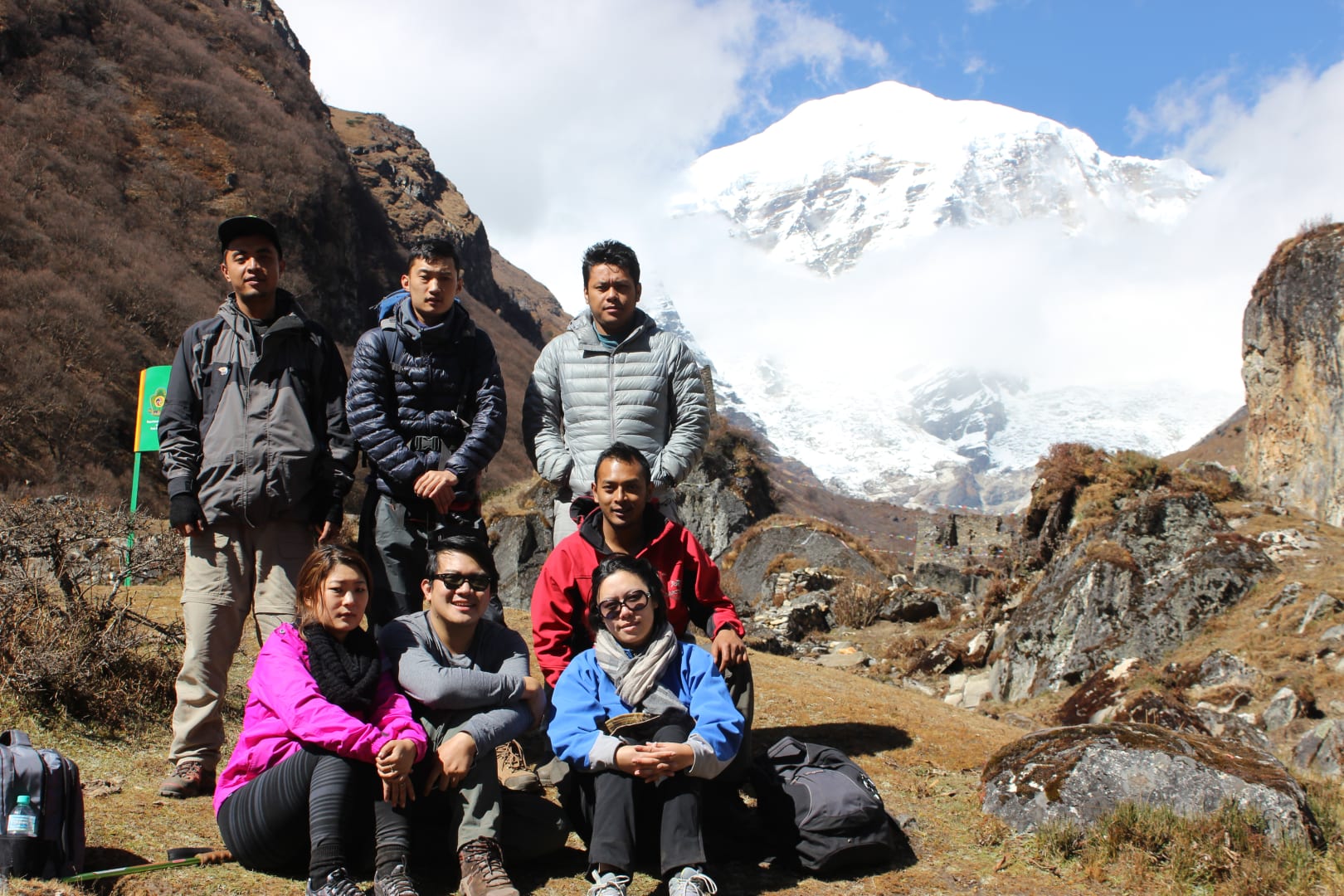
Classic Bhutan landscapes encompass several quintessential subjects. Mountain vistas include Jomolhari viewed from Jangothang, Himalayan ranges from high passes like Dochu La and Pele La, and rhododendron forests in April and May bloom. Techniques for mountain landscapes include using graduated ND filters to balance bright skies with darker foregrounds, including foreground elements like prayer flags and chortens for depth, shooting during golden and blue hours for magical light, and exercising patience—weather changes constantly, and clouds add drama.
Valley scenes offer different rewards. Paro Valley’s rice terraces and traditional houses create patterns of human habitation within natural settings. Punakha Valley’s rivers, farmland, and dzong demonstrate integration of architecture and agriculture. Phobjikha Valley’s wide, glacial openness feels almost otherworldly. Early morning mist commonly fills valleys—this ephemeral light rewards early rising. Look for leading lines: rivers, paths, roads that draw viewers into your images. Hike to elevated viewpoints for better angles on valley floors.
Traditional architecture provides endless photographic possibilities. Massive dzongs—fortress-monasteries that dominate every major town—chortens of all sizes from roadside monuments to large temples, traditional houses of rammed earth with intricate paintings, and covered wooden bridges all reward careful composition. Look for interesting light, human elements for scale, and combinations of architecture with landscape.
Wildlife Photography
Wildlife subjects in Bhutan include yaks and yak hybrids—iconic Himalayan animals that appear throughout high-altitude regions. Blue sheep, or bharal, are commonly sighted in the Lingshi region. Himalayan marmots whistle from rocky outcroppings, standing on hind legs as sentinels. Birds offer particular rewards: black-necked cranes in Phobjikha Valley from November through February, colorful Himalayan monal pheasants, lammergeier (bearded vultures) soaring on thermals, and various birds of prey including eagles and hawks.
Successful wildlife photography in Bhutan requires long lenses—300mm or longer recommended—and tremendous patience. Wildlife here is wary and unhabituated to humans. Early morning provides the best opportunities, as animals are active before the heat of the day. Most importantly, respect habitat and never stress animals simply to obtain photographs. The image is never more important than the subject’s wellbeing.
Drone Photography
Drone photography in Bhutan requires special permits and careful adherence to regulations. Critical to understand: you cannot simply fly drones as you might elsewhere. Apply in advance through your tour operator or directly to relevant authorities. Restricted areas where drone flight is absolutely prohibited include dzongs and monasteries, airports and airfields, military installations, and festivals unless you have obtained a specific special permit. Always respect privacy—never fly over private property or ceremonies without explicit permission.
The best drone locations include Paro Valley for dramatic overviews, Punakha Valley for rivers and dzong seen from above, high passes for Himalayan peaks, and Phobjikha Valley for wide glacial vistas. Fly early morning when winds are calmer and light is more favorable. Keep your drone low to avoid disturbing wildlife and people. Carry multiple batteries—cold at altitude drains power quickly. Always check weather conditions, particularly during monsoon season when flying is impossible.
Cultural Etiquette for Photographers
Photographing in Bhutan requires deep respect for cultural norms and religious practices. Do ask permission before photographing people, especially for close-ups. Do dress modestly when visiting religious sites. Do remove shoes and hats before entering temples. Do respect restrictions—some areas prohibit photography entirely, and signs will indicate this. Do be patient and wait for the right moment rather than forcing situations. Do tip guides who help you gain access to special photographic opportunities.
Don’t photograph during prayers or sacred rituals. Don’t photograph inside temples without asking first—many prohibit all photography. Don’t climb on sacred statues or structures for better angles. Don’t disrupt ceremonies for the sake of a photograph. Don’t photograph people praying without explicit permission. Don’t fly drones over religious sites or crowds. Don’t pay for photographs—this creates problematic expectations and awkward dynamics.
Specific restrictions to understand: many temples prohibit all photography inside. Some religious ceremonies include sacred moments that should never be photographed. Government buildings are restricted. Some bridges are sacred—always ask first. Funerals should never be photographed without explicit family permission.
Seasonal Considerations
Each season in Bhutan offers distinct photographic opportunities and challenges. Spring from March through May brings rhododendrons blooming in riotous color, clear skies, green valleys emerging from winter, and festival season. The primary drawback is sometimes hazy conditions from dust blowing up from India. High altitude remains cold even when valleys are mild. This season rewards with flower photography, festivals, and lush green landscapes.
Summer monsoon from June through August turns everything lush and green, while dramatic clouds and storms create moody, atmospheric images. Fewer tourists mean easier access to locations. The drawbacks are nearly constant rain, leeches in forested areas, possible landslides blocking roads, and generally poor visibility for mountain photography. This season excels for waterfall and stream photography, moody atmosphere, and avoiding crowds at popular sites.
Autumn from September through November provides the best season for landscape photography. Clear skies and crisp light create ideal conditions, harvest scenes fill fields with activity, and rice terraces turn golden. The drawbacks include peak season crowds and increasingly cold temperatures as November progresses. This is the prime time for golden rice fields, clear mountain views, and festivals.
Winter from December through February delivers dramatic snowy landscapes, clear crisp light, fewer tourists, and winter festivals including Losar celebrations. Drawbacks include very cold temperatures especially in mornings and at night, snow that can block high passes, and short days with limited daylight hours. This season rewards with snow scenes, festivals without crowds, and stark, minimalist landscapes.
Practical Tips
Equipment care in Bhutan’s challenging conditions deserves attention. Weatherproofing is essential—rain covers for everything during monsoon. Cold temperatures drain batteries faster than you expect, so keep spares warm in interior pockets. Dust is everywhere, so bring cleaning supplies and change lenses cautiously. Allow time to acclimatize to altitude before undertaking strenuous photography treks.
Backup strategy is critical. Memory cards should total at least 128GB—more is better. Cloud storage upload when possible, though Wi-Fi is limited outside major towns. A laptop or tablet allows backup and image review during your trip. Never keep all images on a single card—multiple cards spread risk.
Power management requires planning. Batteries drain faster in cold than you anticipate—factor this into your calculations. Power banks are essential, especially during long drives over mountain passes. Most vehicles have USB ports for charging, and car chargers are worth bringing. Universal adapters for Type D/G outlets are necessary.
Post-Processing Tips
Bhutan-specific post-processing considerations can elevate your images. Vibrance adjustments should be applied carefully—Bhutan is naturally colorful, and oversaturation looks unnatural. Sky replacement is rarely needed—skies here are naturally blue and dramatic. Remove tourists when necessary at popular sites, but this should be done subtly. Sharpen carefully—high altitude air is remarkably clear, and images don’t need aggressive sharpening.
Recommended software includes Adobe Lightroom and Photoshop for standard editing workflow, Luminar or Aurora HDR for high dynamic range situations, and Topaz Denoise for cleaning up high-ISO night shots.
Photography Tours & Workshops
Joining a photography tour or workshop in Bhutan offers distinct advantages. Local knowledge ensures you’re in the right places at the right times—critical for fleeting opportunities like specific festival moments or particular light conditions. Access to locations that might otherwise be difficult or impossible to arrange can be facilitated through established relationships. Cultural context from knowledgeable guides helps you understand and respectfully photograph what you’re witnessing. Logistics handled by someone else allow you to focus entirely on photography rather than planning.
What to look for in a photography tour includes small groups—maximum six to eight photographers ensures everyone gets individual attention. An experienced leader with both local knowledge and photography expertise makes an enormous difference. Good timing that aligns with festivals or optimal seasons maximizes opportunities. Special permissions and access to unique locations set excellent tours apart.
Sample Photography Itinerary
A ten-day Bhutan photography adventure might begin with three days in Paro. Arrive and acclimatize, then photograph Tiger’s Nest at both sunrise and sunset for different light. Paro Dzong at golden hour, Kyichu Lhakhang interiors, rice terraces, and traditional village life fill your days.
Days four through six in Thimphu offer weekend market portraits, Memorial Chorten with its devotees, Tashichho Dzong, the Buddha Dordenma statue, and traditional arts demonstrations that provide fascinating cultural documentation.
Days seven and eight in Punakha include the drive over Dochu La pass for mountain views and 108 chortens. Punakha Dzong at sunrise, Chimi Lhakhang and its village, river rafting for action shots, and documenting a traditional hot stone bath experience create diverse images.
Day nine returns to Paro via a different route with different views and final souvenir shopping photography opportunities. A farewell dinner provides a last chance to document newfound friends. Day ten is departure.
Bhutan offers some of the most rewarding photography experiences on Earth. From iconic landscapes to intimate portraits, from ancient festivals to daily life, the Kingdom of the Thunder Dragon provides endless opportunities for stunning images that will become treasured memories of a remarkable journey.
Contact us to arrange your photography tour—we’ll get you to the right places at the right time, handle all the logistics and permissions, and connect you with the most photogenic subjects in the Land of Gross National Happiness!