Bhutan Pilgrimage Tour Guide: Sacred Sites & Spiritual Journeys 2026
For spiritual seekers, Bhutan offers one of the most profound pilgrimage experiences in the Buddhist world. The Land of the Thunder Dragon is dotted with ancient monasteries, sacred caves, and temples where saints and sages have meditated for centuries.
Having organized pilgrimage tours since 2008, let me guide you through Bhutan’s sacred landscape.
What Makes Bhutan Special for Pilgrimage?
Bhutan is a living Buddhist kingdom where Vajrayana Buddhism isn’t just practiced—it’s woven into daily life. Unlike many countries where Buddhism is declining, Bhutan’s spiritual traditions remain vibrant and authentic.
Sacred Sites Include:
- Monasteries where Guru Rinpoche meditated
- Temples with ancient relics and treasures
- Caves where saints attained enlightenment
- Stupas containing sacred relics
- Holy mountains considered embodiments of deities
Top 10 Sacred Pilgrimage Sites in Bhutan
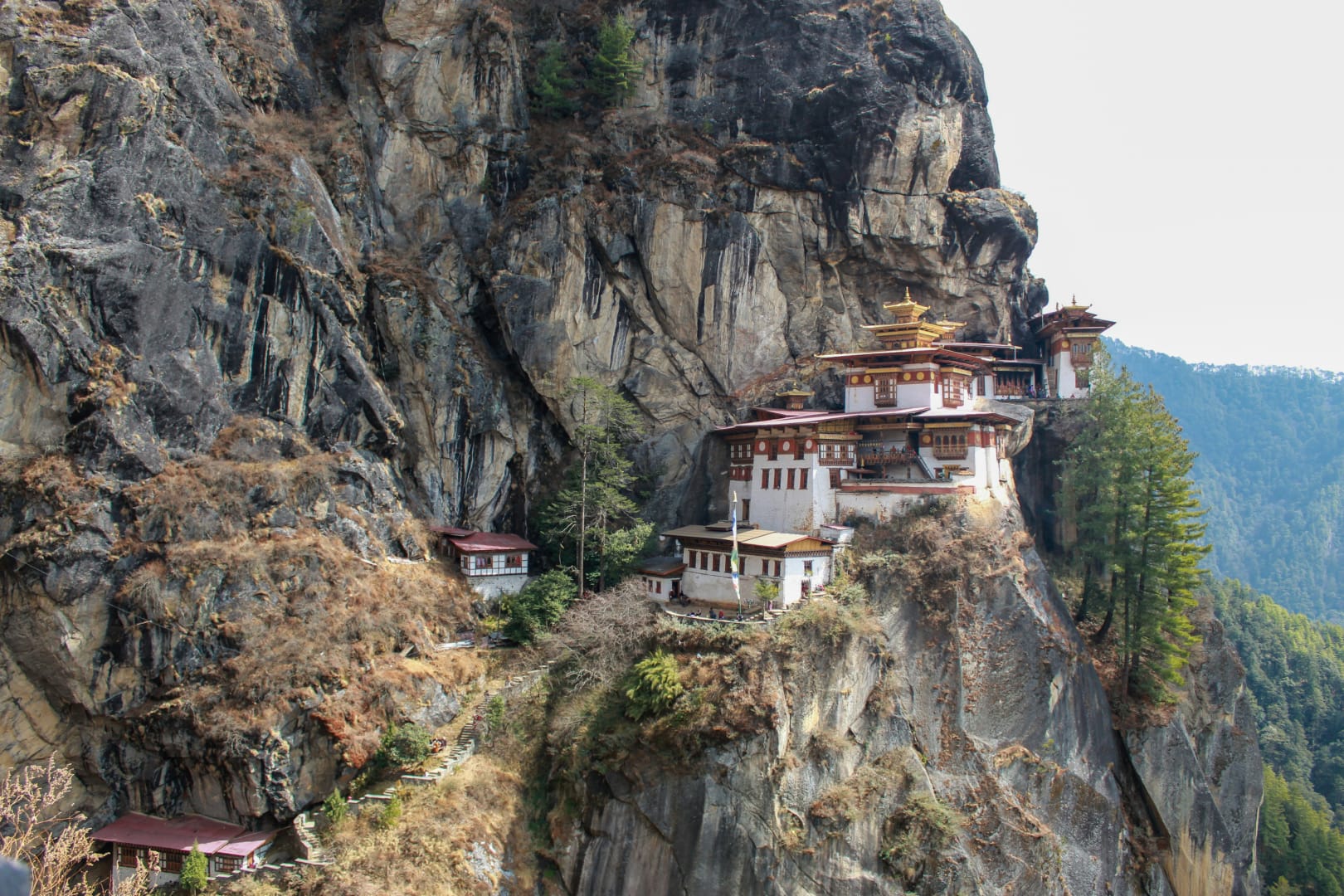
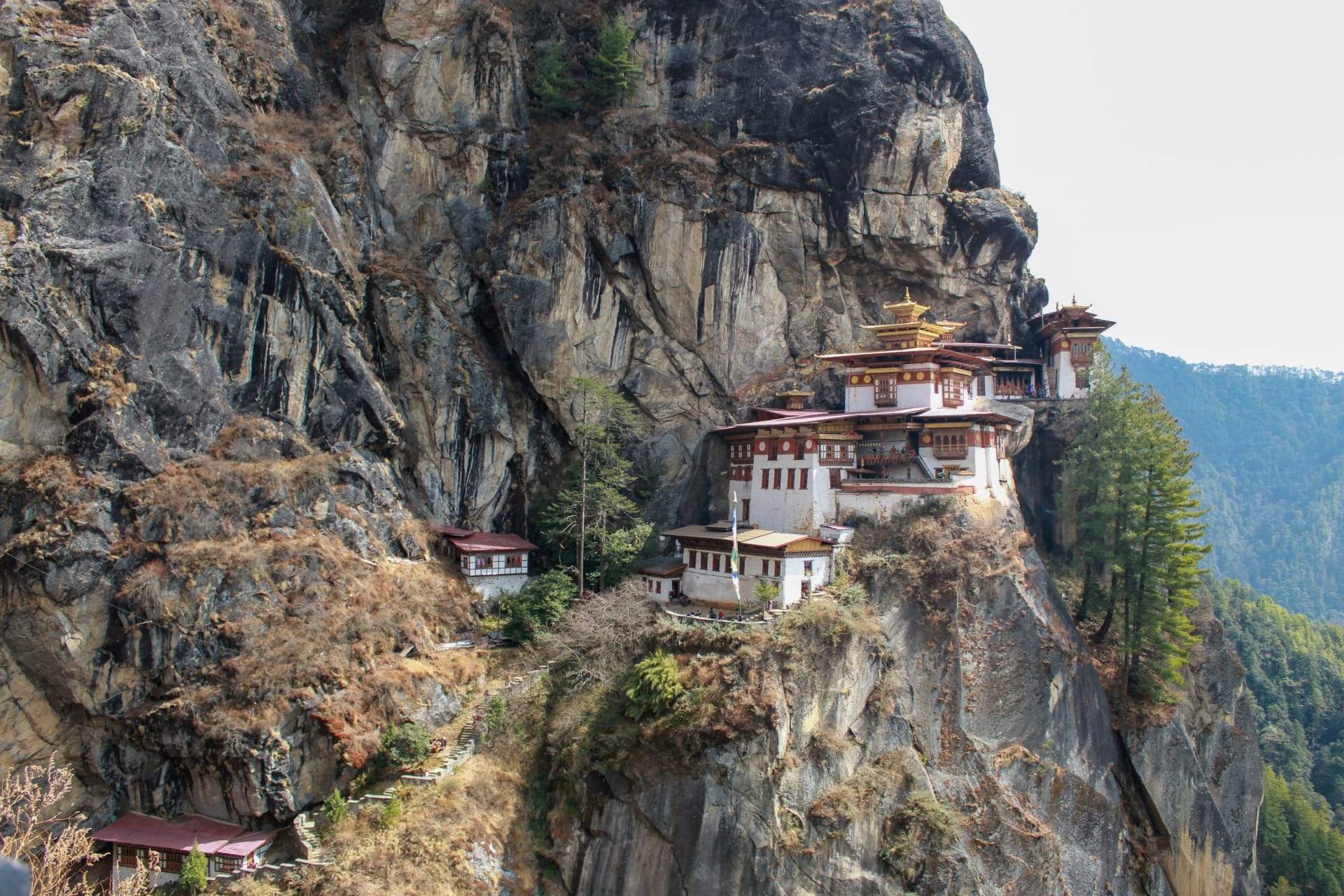
1. Paro Taktsang (Tiger’s Nest) - The Crown Jewel
Significance: Where Guru Rinpoche flew on a tigress and meditated for 3 years Sacred Element: The meditation cave where Guru Rinpoche subdued local demons Pilgrimage Experience: Trek to the monastery, offer butter lamps, receive blessings
2. Kurje Lhakhang, Bumthang
Significance: Contains body imprint of Guru Rinpoche on a rock Sacred Element: The rock where Guru Rinpoche meditated, leaving his body imprint Pilgrimage Experience: Circumambulate the sacred rock, make offerings
3. Kyichu Lhakhang, Paro
Significance: One of Bhutan’s oldest temples (7th century) Sacred Element: Built by King Songtsen Gampo of Tibet Pilgrimage Experience: Walk among ancient statues, feel centuries of prayers
4. Tamshing Lhakhang, Bumthang
Significance: Founded by Pema Lingpa, treasure revealer Sacred Element: Contains the oldest painting in Bhutan Pilgrimage Experience: Experience ancient Buddhist art preserved for centuries
5. Cheri Monastery, Thimphu
Significance: Founded by Phajo Drukgom Zhigpo in 1620 Sacred Element: Meditation cave of Phajo Drukgom Zhigpo Pilgrimage Experience: Day retreat, meditation sessions
6. Punakha Dzong
Significance: Second oldest and second largest dzong Sacred Element: Contains relics of Zhabdrung Ngawang Namgyal Pilgrimage Experience: Attend puja, receive blessings from resident monks
7. Jambay Lhakhang, Bumthang
Significance: Site where Guru Rinpoche suppressed a local deity Sacred Element: contains sacred relics and ancient statues Pilgrimage Experience: Attend fire blessing ceremony (Jambay Lhakhang Drup)
8. Gangtey Monastery, Phobjikha
Significance: Nyingma monastery in the valley of black-necked cranes Sacred Element: Beautiful location, traditional architecture Pilgrimage Experience: Meditate in sacred valley, attend daily prayers
9. Tango Monastery, Thimphu
Significance: Founded by Phajo Drukgom Zhigpo, yogi who subdued spirits Sacred Element: Meditation caves, sacred relics Pilgrimage Experience: Day meditation retreat, spiritual teachings
10. Chorten Kora, Thimphu
Significance: Circumambulation path around National Memorial Chorten Sacred Element: 108 chortens containing relics Pilgrimage Experience: Join locals in circumambulation, spin prayer wheels
Types of Pilgrimage Tours
1. Weekend Spiritual Retreat
Duration: 2-3 days Focus: Tiger’s Nest + major Paro monasteries Ideal For: First-time visitors, tight schedules Sample Itinerary:
- Day 1: Tiger’s Nest trek + Kyichu Lhakhang
- Day 2: Punakha Dzong + Chimi Lhakhang
- Day 3: Thimphu monasteries + departure
2. Bumthang Pilgrimage Circuit
Duration: 7-10 days Focus: Sacred sites in spiritual heartland of Bhutan Ideal For: Serious pilgrims, cultural enthusiasts Sample Itinerary:
- Kurje Lhakhang (Guru Rinpoche’s body imprint)
- Tamshing Lhakhang (ancient paintings)
- Jambay Lhakhang (fire blessing)
- Mebar Tsho (lake where Pema Lingpa hid treasures)
- Ugyen Choling Palace
3. Complete Buddhist Circuit
Duration: 14-21 days Focus: All major sacred sites across Bhutan Ideal For: Deep spiritual immersion Sample Itinerary:
- Western sacred sites (Paro, Thimphu)
- Central sacred sites (Punakha, Wangdue)
- Eastern sacred sites (Bumthang, Trashigang)
- Remote monasteries and retreat centers
Spiritual Practices During Pilgrimage
Circumambulation (Kora)
Walking around sacred sites in clockwise direction
- Accumulates merit
- Shows reverence
- Joins locals in daily practice
Offering Butter Lamps
Lighting lamps in temples for:
- Good health
- Prosperity
- Wisdom
- Removing obstacles
Prayer Flags
Displaying prayer flags:
- Carry prayers on the wind to benefit all beings
- Five colors represent elements (blue=sky, white=clouds, green=water, red=fire, yellow=earth)
- Accumulate merit when hoisted
Prostrations
Full-body prostrations before sacred images:
- Purify negative karma
- Cultivate humility
- Accumulate merit
- Challenging but powerful practice
Meditation Retreat
Silent meditation in sacred places:
- Caves where saints meditated
- Monastery retreat centers
- Private retreat facilities
- Duration: 1 day to 3 years
Receiving Blessings
From High Lamas (Rinpoches)
Special blessings for:
- Long life
- Health
- Prosperity
- Removing obstacles
From Senior Monks
Daily blessings available at:
- Most monasteries (check schedule)
- Specific prayer ceremonies
- Festival times (special blessings)
Sacred Relics
Receive blessings from:
- Ancient statues (consecrated by great masters)
- Relics of saints and yogis
- Blessed substances (holy water, pills)
Planning Your Pilgrimage
Best Time for Spiritual Travel
- Spring (March-May): Mild weather, festivals
- Autumn (September-November): Clear weather, major festivals
- Winter (December-February): Quiet, contemplative atmosphere
- Summer (June-August): Fewer pilgrims, lush environment
Preparation (4-6 weeks before)
- Read about Bhutanese Buddhism
- Practice meditation daily
- Learn basic Dzongkha phrases
- Prepare modest, respectful clothing
- Set spiritual intentions
What to Pack
- Modest clothing (shoulders and knees covered)
- Comfortable walking shoes
- Prayer flags (to offer)
- Offerings (incense, butter for lamps)
- Meditation cushion or shawl
- Buddhist texts (optional)
- Journal for reflections
- Katak (traditional offering scarf)
Fasting Guidelines
- Light breakfast recommended (not full fasting)
- Vegetarian meals preferred
- Avoid alcohol during pilgrimage
- No garlic/onions (Tibetan Buddhist tradition)
- Stay hydrated
Sample 7-Day Pilgrimage Itinerary
Day 1: Arrive Paro - Visit Kyichu Lhakhang Sacred Focus: Connect with ancient Buddhist heritage
Day 2: Tiger’s Nest Trek & Meditation Sacred Focus: Walk in Guru Rinpoche’s footsteps, offer butter lamps at his meditation cave
Day 3: Travel to Thimphu - Cheri Monastery Sacred Focus: Visit Phajo Drukgom Zhigpo’s meditation site, receive teachings
Day 4: Punakha Dzong & Chimi Lhakhang Sacred Focus: Receive blessings at divine madman’s temple, join morning prayers
Day 5: Drive to Bumthang - Kurje Lhakhang Sacred Focus: Meditate before Guru Rinpoche’s body imprint, circumambulate sacred site
Day 6: Tamshing Lhakhang & Jambay Lhakhang Sacred Focus: Experience ancient Buddhist art, attend fire blessing ceremony
Day 7: Return - Depart with Blessings Sacred Focus: Final prayers, receive farewell blessings, carry spiritual energy home
Spiritual Etiquette
Inside Monasteries
- Remove hats and shoes before entering
- Maintain silence (no loud talking)
- Don’t point your feet at Buddha images
- Walk clockwise around stupas and temples
- Ask permission before taking photos
- Don’t touch religious statues
- Dress modestly (no shorts, low necklines)
Receiving Teachings
- Sit lower than the teacher
- Receive teachings with both hands cupped
- Make traditional kata offering with scarf
- Listen with full attention
- Ask respectful questions
Making Offerings
- Use clean hands
- Offer with pure intention
- Don’t expect anything in return
- Make modest offerings (not extravagant)
- Respect temple customs
Spiritual Benefits of Bhutan Pilgrimage
Pilgrims Report:
- Deeper connection to Buddhist practice
- Transformation of perspective on life
- Lasting peace and contentment
- Protection and blessings for their journey
- Feeling of coming “home” spiritually
Common Experiences:
- Profound moments of clarity
- Emotional release during ceremonies
- Feeling of connection with centuries of practitioners
- Receiving answers to spiritual questions
- Commitment to deeper practice after returning home
Special Pilgrimage Opportunities
Festival Pilgrimages
- Paro Tshechu (March/April): Witness sacred cham dances
- Thimphu Tshechu (September): Largest gathering, most blessings
- Punakha Drubchen (Feb/March): Sacred reenactment
- Jambay Lhakhang Drup (Oct/Nov): Fire blessings
Retreat Pilgrimages
- Weekend Retreats: At Cheri, Tango, or other monasteries
- Week-long Retreats: Longer meditation programs
- Private Retreats: Custom retreats with personal instruction
- Group Retreats: Organized pilgrimage group experiences
Ready for Your Pilgrimage?
Since 2008, we’ve guided thousands of spiritual seekers on pilgrimage tours to Bhutan. Our guides understand the sacred significance of each site, respect your practice, and create space for genuine spiritual experience.
We don’t just show you sacred sites—we help you connect with the living tradition of Buddhism in Bhutan. Whether you’re a serious practitioner or simply curious, we’ll create a pilgrimage that meets your spiritual needs.
Contact us to plan your sacred journey to Bhutan. Let’s craft a pilgrimage that transforms your spirit and deepens your practice.