Bhutan Solo Travel Guide: Your Complete Resource
I remember her first evening in Bhutan clearly. Sarah, a solo traveler from Seattle, sat by herself at dinner, looking uncertain. By the end of the week, she was dancing at a local archery match, laughing with her guide, and planning her return trip.
That’s the thing about solo travel in Bhutan. The country has a way of transforming uncertainty into connection, apprehension into adventure, strangers into family.
Unlike many destinations where solo travelers can feel isolated or vulnerable, Bhutan offers unique advantages that make it an exceptional choice for independent adventurers. Let me show you why.
Is Bhutan Safe for Solo Travelers?
Bhutan consistently ranks as one of the safest countries in Asia for travelers. Violent crime against tourists is virtually non-existent, and while normal precautions still apply, petty theft is rare. Women report feeling very safe traveling alone, and local people are genuinely helpful and protective of visitors.
Bhutan is considered one of the safest destinations in Asia for women traveling alone. Harassment is extremely rare, and the culture respects women while looking out for solo visitors. Normal precautions still apply—dress modestly especially in religious sites, avoid walking alone late at night in remote areas, and trust your instincts. Your guide is your best security asset.
What Makes Solo Travel in Bhutan Unique
Bhutan requires international tourists to travel with a licensed guide. This structure actually enhances the solo experience. You won’t be navigating foreign transportation systems alone, you’ll have local insider knowledge from your guide, you’ll enjoy safety and security while still having independence, and you’ll have flexibility to pursue your interests within the itinerary.
The cultural advantages for solo travelers are significant. Locals are curious about solo travelers in a friendly way, and not being in a couple or group makes connecting simpler. Guides facilitate introductions to locals, and deeper cultural immersion experiences await when you’re not focused on a companion.
The personal growth opportunities are profound. You’ll step out of your comfort zone safely, learn about yourself through new experiences, practice mindfulness in the Land of Gross National Happiness, and return with a transformed perspective.
Meeting Other Travelers
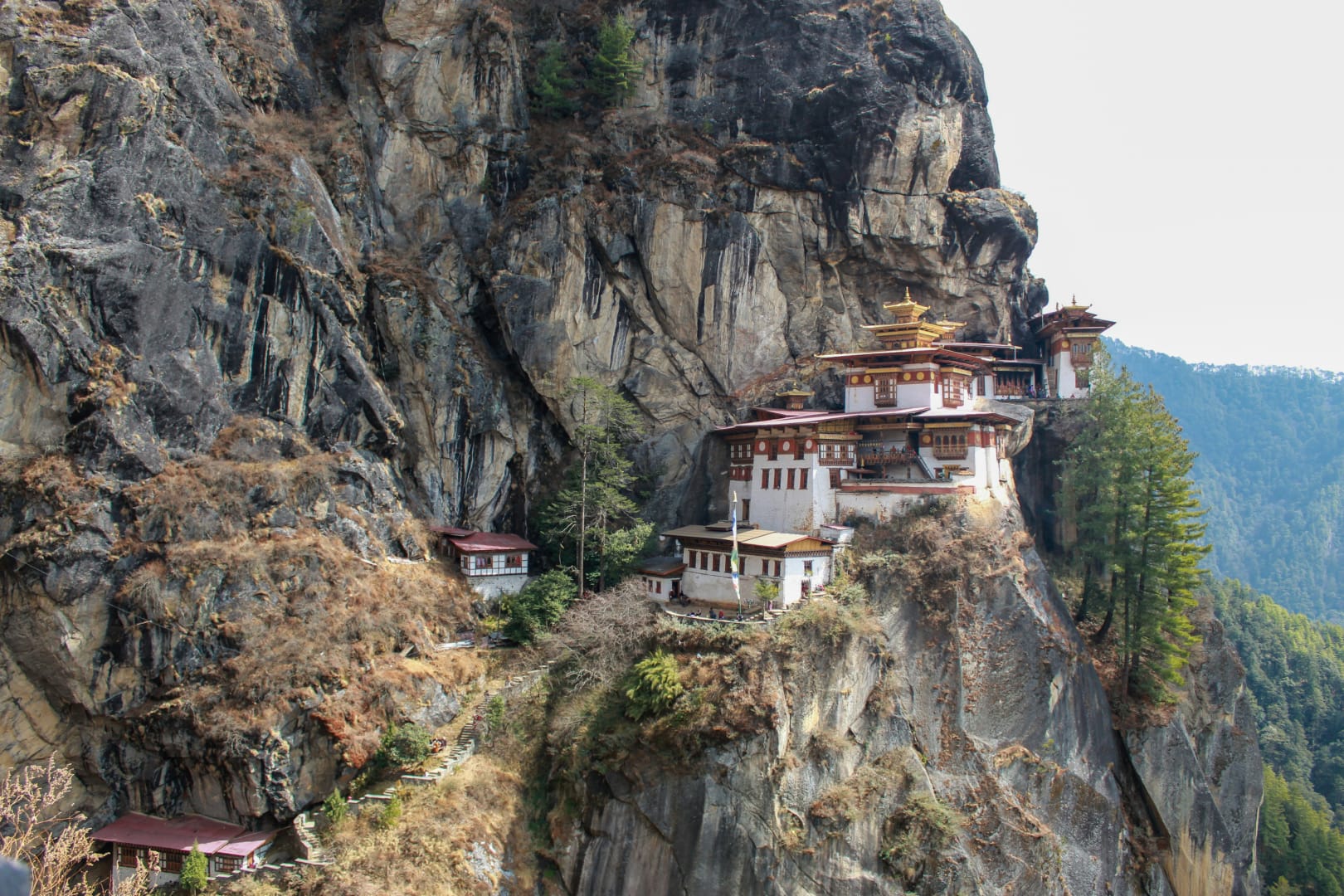
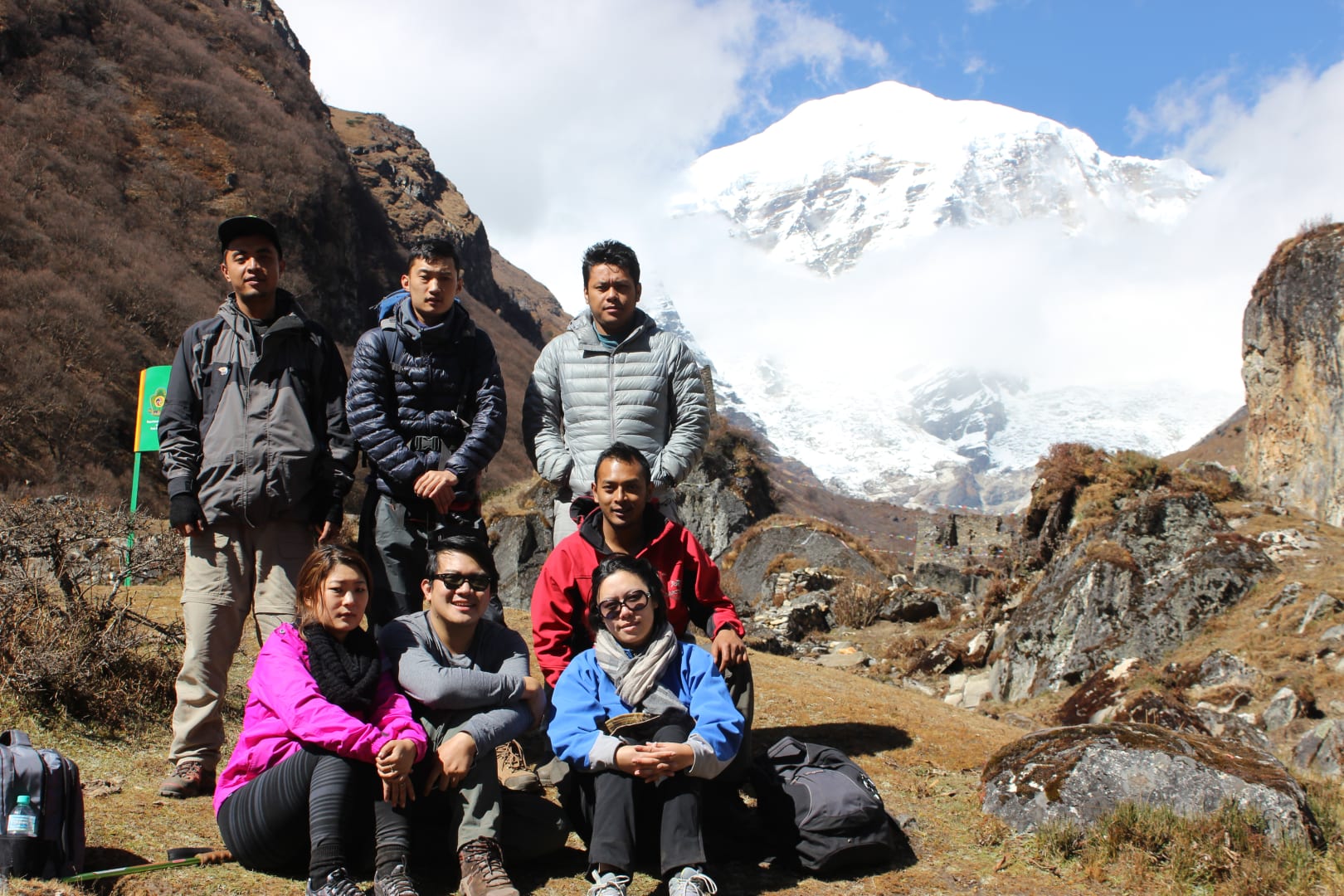
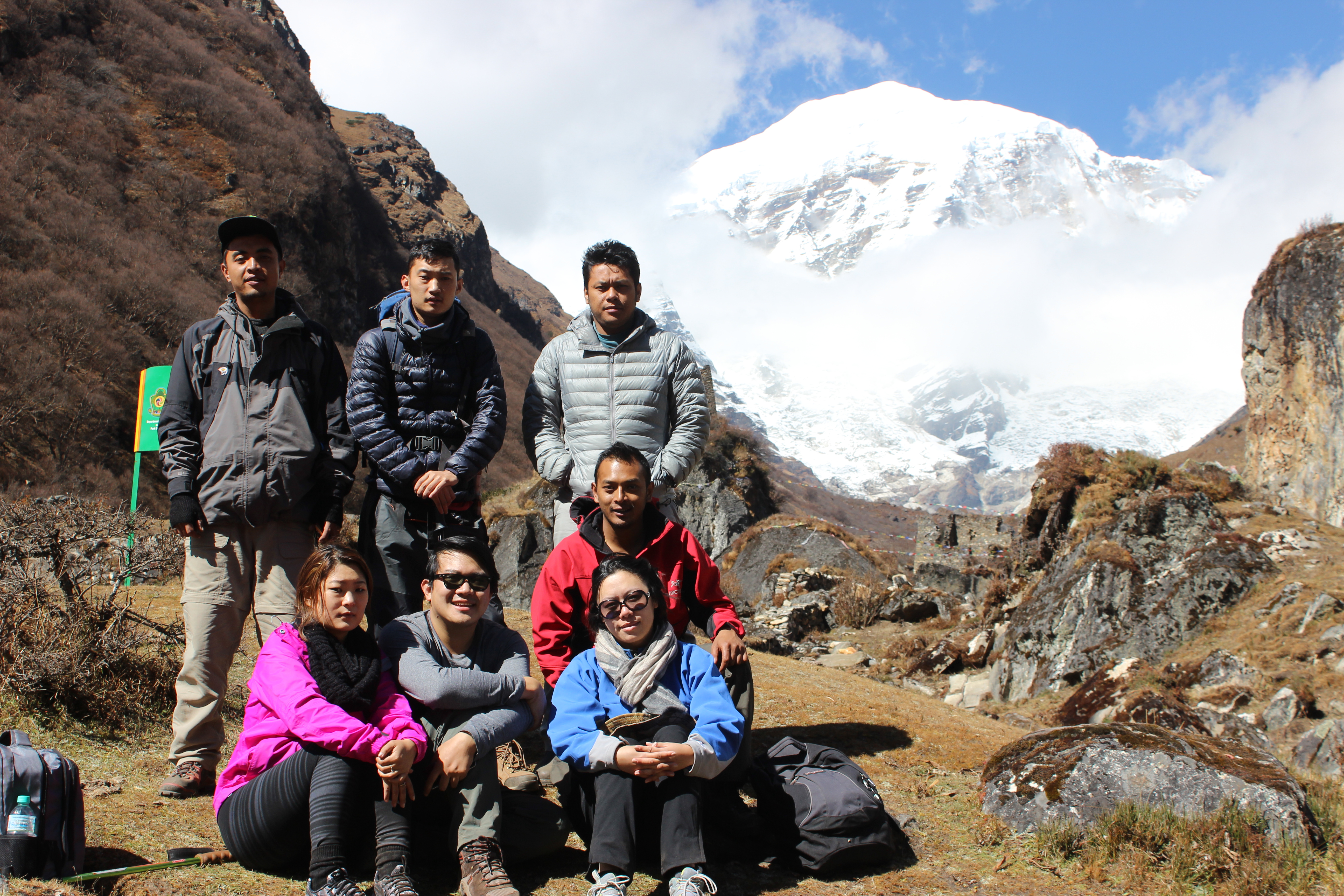
Despite the guided nature of Bhutan travel, there are many opportunities to connect with others. Tiger’s Nest brings other trekkers together on the trail. Tshechu festivals draw international visitors by the hundreds. Boutique hotels often have communal dining areas where conversations flow naturally. Monasteries attract other pilgrims and visitors, and popular hiking trails like Druk Path create opportunities for trailside encounters.
Your guide serves as a valuable connector. Guides know other guides with groups, can arrange shared activities, recommend restaurants where travelers gather, and know festival schedules that maximize social opportunities.
Festivals represent the best time for socializing. The Paro Tshechu in March or April attracts the largest festival crowd with many international visitors. The Thimphu Tshechu in September brings visitors to the capital city festival, while the Jambay Lhakhang Drup in October offers a more intimate experience with fewer tourists.
Planning Your Solo Trip
Each season offers distinct advantages for solo travelers. Spring delivers good weather and festival season with more travelers to meet, though it’s a popular season with higher prices—ideal for first-time solo travelers and those seeking social connections. Autumn provides the best weather with clear skies and harvest season, making it perfect for trekking, photography, and meeting people, though it’s peak season and can be crowded. Winter offers fewer tourists and lower prices with a festive atmosphere, though cold and snow in high passes may be a concern—budget-conscious travelers and those seeking cultural immersion will appreciate this season. Summer has the lowest prices and lush landscapes, but rain, leeches, and poor visibility make it a season most budget travelers choose to avoid.
Duration recommendations vary based on your interests. A minimum of seven days covering three days in Paro, two days in Thimphu, and two days in Punakha provides a solid introduction. The ideal duration of ten to fourteen days allows for a full cultural circuit, time for trekking, festival attendance, and wellness activities. Extended trips of twenty-one days or more open up multiple treks, remote eastern Bhutan exploration, deep cultural immersion, and pilgrimage experiences.
Solo-Friendly Itineraries
A seven-day solo discovery itinerary represents the perfect introduction for first-timers. Arrive in Paro to meet your guide—you’ll likely bond quickly—acclimatize with a light walk through Paro town, and enjoy a welcome dinner together. Day two in Paro Valley features the Tiger’s Nest hike where your guide will pace with you, a picnic lunch with mountain views, and a visit to Kyichu Lhakhang temple. Day three brings a scenic two-hour drive from Paro to Thimphu, the Memorial Chorten where you can watch locals—a wonderful experience for photography, traditional lunch with your guide, and the weekend market if your visit falls on Saturday or Sunday. Day four in Thimphu includes the Buddha Dordenma statue, Takin Preserve, Traditional Arts Institute, and evening free to explore solo if you wish. Day five travels from Thimphu to Punakha with a drive over Dochu La pass and its stunning views, Punakha Dzong known as the most beautiful fortress, Chimi Lhakhang the fertility temple, and a riverside hotel stay. Day six in Punakha offers a morning hot stone bath—the perfect solo activity—followed by afternoon river rafting or a village walk, and evening relaxation. Day seven returns you to Paro for departure.
Activities Perfect for Solo Travelers
Cultural experiences abound for the solo traveler. Meditation sessions in temples offer quiet spaces for reflection. The traditional hot stone bath provides ultimate solo relaxation. An archery lesson introduces you to the national sport in a very social setting. Cooking classes teach you to make ema datshi, the famous chili cheese dish. Thangka painting classes provide artistic meditation, and weaving demonstrations showcase traditional textile arts.
Wellness and reflection opportunities include meditation retreat options with three-day silent retreats available. Yoga classes can be found in major hotels, while spa treatments offer traditional Bhutanese massage. Nature walks allow for forest bathing in pristine environments, and stupa circumambulation provides a meditative practice.
Adventure activities with guide support include the challenging but rewarding Tiger’s Nest hike, the six-day beginner-friendly Druk Path trek, gentle river rafting floats on the Punakha river, easier mountain biking trails around Paro, and bird watching—Bhutan boasts over seven hundred species.
Practical Tips for Solo Travelers
Your guide becomes your primary companion throughout your journey. They are locals with deep cultural knowledge, most speak excellent English, and you should never hesitate to communicate your preferences. They can adjust pace based on your energy and ensure your experience matches your interests.
Staying connected is straightforward. Buy a local SIM card from TashiCell or Bhutan Telecom. WiFi is available in most hotels, though speeds can be slow. Download offline maps through Google Maps and install translation apps for Dzongkha phrases. Share your itinerary with family back home for peace of mind.
Budgeting for solo travel requires consideration. The SDF remains the same at one hundred dollars per day regardless of group size. Single supplements on hotels typically add thirty to fifty dollars per night. There are no cost-splitting benefits, so tip your guide and driver generously—they’re your companions throughout the journey.
Cultural Etiquette for Solo Travelers
Dressing modestly is essential. Women should cover knees and shoulders, while men should wear long pants and avoid tank tops. Temples require more conservative dress, so bring a scarf or sarong for temple visits.
Photography etiquette matters deeply. Always ask permission before photographing people. No photos are permitted inside some temples, so ask first. No photos should be taken during sacred ceremonies, and restricted areas must always be respected.
When interacting with locals, use Tashi Delek as your universal greeting for hello. Accept tea and snacks when offered as a polite gesture—the polite refusal is simply “no, thank you.” Use your right hand for eating and giving, as the left hand is considered unclean. Remove shoes before entering temples and homes, and always walk around stupas clockwise.
Making the Most of Your Solo Experience
Your mindset and approach shape everything. Embrace the structure—having a guide is a feature rather than a limitation. They enhance your experience exponentially while you still maintain independence within the itinerary and flexibility to pursue your interests.
Be open to new experiences. Say yes to local experiences that arise. Try foods you’ve never heard of before. Attend ceremonies and festivals if invited. Start conversations with locals. Accept invitations when appropriate and safe.
Document your journey through journaling, which provides perfect solo reflection. Practice respectful photography. Collect small mementos along the way. Record your guide’s stories, and note your emotions and insights as they arise.
Common Concerns Addressed
The question of loneliness often arises. The reality is that you’re accompanied by your guide around the clock, and your guide becomes companion, local friend, and cultural bridge.
Dining alone can feel awkward, but this is common and accepted in Bhutan. Your guide often joins you, and hotel restaurants are accustomed to solo diners.
Women frequently ask about safety. Bhutan is extremely safe with low harassment. Normal precautions apply—dress modestly, trust your guide, and you’ll find the country welcoming.
Meeting other travelers is possible though limited. Festivals, popular sites, hotels, and your guide’s network all provide opportunities for connection.
Solo travel does cost more. The reality includes single supplements and no cost splitting, but it’s worth it for the safety, experience quality, and personalized attention you receive.
Final Thoughts
Bhutan offers one of the world’s most rewarding solo travel experiences. The combination of safety, cultural richness, and the unique guided structure creates an environment where you can explore independently while never truly being alone.
Whether you seek cultural immersion, personal transformation, or simply a safe adventure off the beaten path, solo travel in Bhutan will exceed your expectations.
The guide who becomes a friend. The monastery where you find stillness. The festival where you dance with strangers. The village that welcomes you like family.
These moments await.
Contact us to design your solo Bhutan adventure—we’ll match you with the perfect guide, create your ideal itinerary, and ensure a journey that’s safe, enriching, and unforgettable.