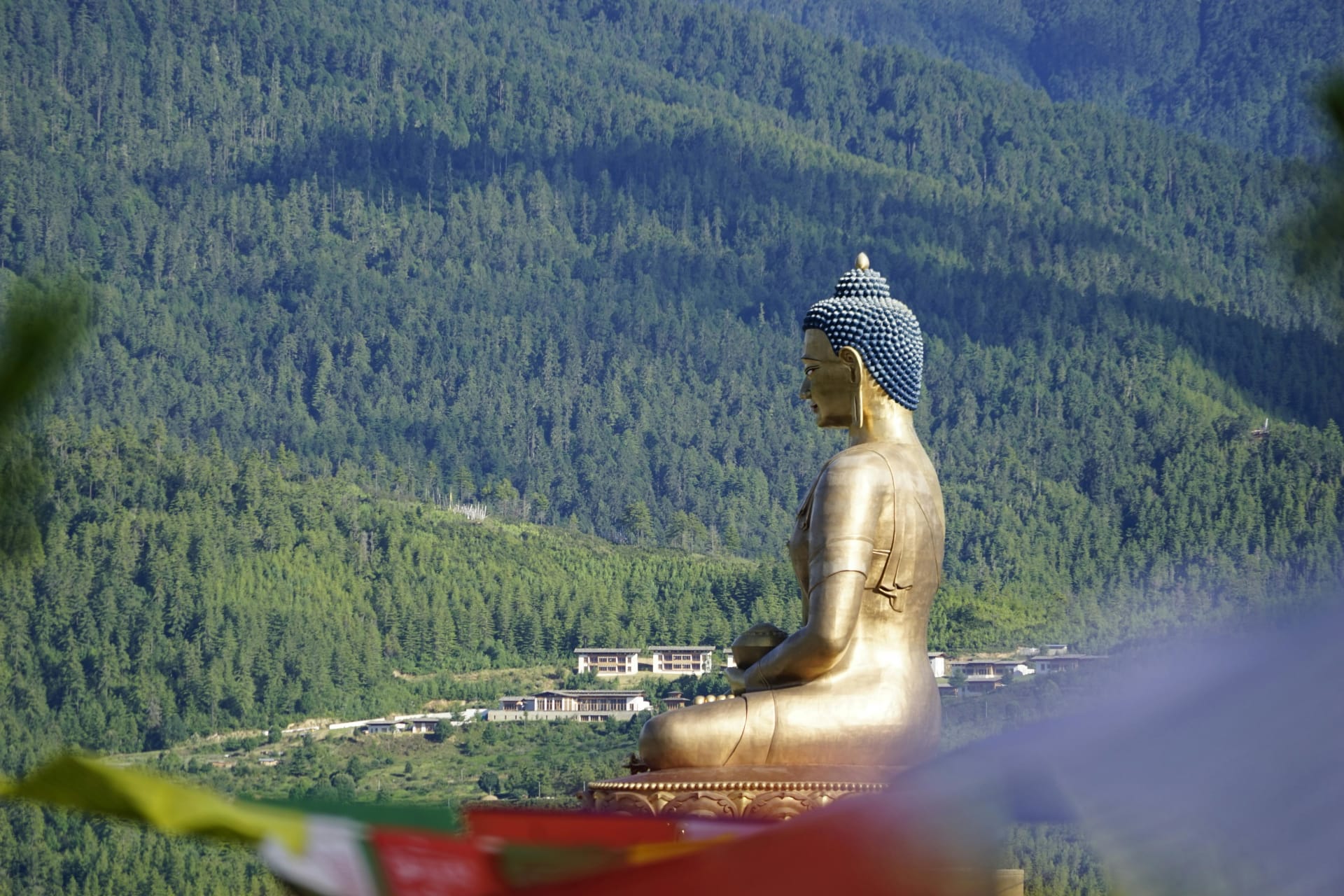
Bhutan Wellness Retreats: Rejuvenate in the Himalayas
In a world dominated by stress and constant connectivity, Bhutan offers something increasingly rare: genuine peace and space for transformation. The Kingdom of Gross National Happiness has emerged as one of the world’s premier wellness destinations, combining ancient Buddhist healing traditions with modern holistic practices.
Whether you’re seeking physical renewal, mental clarity, or spiritual awakening, Bhutan’s pristine environment and wisdom traditions offer the perfect setting for profound transformation.
Why Bhutan for Wellness?
Bhutan offers unique advantages that make it an exceptional wellness destination. The country’s guiding philosophy of Gross National Happiness prioritizes wellbeing over GDP. Seventy-two percent forest cover provides some of the cleanest air on Earth. Over thirteen hundred years of Buddhist contemplative tradition inform the wellness approach. The slow pace of life in Bhutan means you will too slow down naturally. These are authentic traditions, not tourist performances.
The Bhutan wellness difference sets it apart from most destinations. The environment here is pristine Himalayan wilderness rather than developed and polluted areas. The tradition is a living Buddhist culture rather than commercialized. The pace is natural and unhurried rather than rushed. The approach is holistic addressing mind, body, and spirit rather than merely symptomatic. The practitioners are authentic monks and healers rather than just trained therapists.
Types of Wellness Experiences
Meditation retreats offer silent retreats in monasteries or retreat centers lasting from three days to three months. These are best for stress relief, clarity, and both beginners or experienced meditators. Popular locations include Tango Buddhist Institute near Thimphu in a scenic valley setting, Punakha retreat centers with warm climate and peaceful environment, and Bumthang in the heart of Bhutanese Buddhism. What to expect includes daily meditation instruction with English-speaking teachers available, chanting and mindfulness practices, vegetarian meals, silence for most of the day, and simple monastery-style accommodation.
The traditional hot stone bath called Menchu is traditional Bhutanese hydrotherapy lasting one to two hours per session, best for muscle relaxation, circulation, joint pain, and stress. The experience begins with preparation as river stones are heated in a wood fire until red-hot. Herbal water includes Artemisia leaves, camphor, and other medicinal herbs. You sit in a wooden tub while stones are added, with heat building gradually and penetrating deeply. The duration in the bath is twenty to thirty minutes, followed by tea, rest, and deep sleep. Benefits include detoxification through sweating, pain relief for joints and muscles, improved circulation, better sleep, and stress reduction.
Yoga retreats provide yoga in stunning Himalayan settings over five to fourteen days, best for physical flexibility, mindfulness, and nature connection. Styles available include Hatha yoga with traditional postures and breathing, Vinyasa flow-style for more dynamic practice, Yin yoga for deep stretching and relaxation, and meditation yoga as a combination practice. Popular settings include Paro Valley with mountainside studios and Tiger’s Nest views, Punakha with riverside retreats and warmer climate, and the high Himalayas for advanced yoga treks suited for experienced practitioners. What’s included covers daily yoga classes twice per day, meditation sessions, vegetarian meals, excursions to cultural sites, and optional massage or treatments.
Traditional healing offers traditional Bhutanese medicine called Sowa Rigpa with consultations lasting thirty to ninety minutes and treatments varying. This is best for chronic conditions and holistic healing. Traditional medicine includes pulse diagnosis where a doctor reads your pulse to assess health, herbal remedies in pills, teas, and powders from medicinal plants, Ku Nye or traditional Bhutanese massage, and dietary advice based on your constitution. Common treatments address digestive issues, insomnia and anxiety, joint pain and arthritis, respiratory problems, and general detoxification. This can complement Western medicine, so consult both practitioners.
Spiritual pilgrimage involves sacred site visits with contemplative practices over seven to fourteen days, best for spiritual seekers and those seeking meaning. Sacred sites include Taktsang Palphug or Tiger’s Nest as the most sacred site, Kyichu Lhakhang as one of Bhutan’s oldest temples, Bumthang’s Jambay Lhakhang associated with Guru Rinpoche, and Singye Dzong as a meditative retreat site. Pilgrimage practices include circumambulation walking around sacred sites clockwise, offering butter lamps, prostrations or full-body bows, chanting prayers, and receiving blessings.
Nature immersion provides forest bathing and wilderness wellness over three to seven days, best for burnout, nature deficit, and urban stress. Activities include forest bathing with mindful walks in pristine forests, alpine lake meditation sitting by crystal-clear lakes, wilderness solo time with guided alone time in nature, and mountain contemplation with extended stillness in high places.
Top Wellness Retreat Centers
COMO Uma Paro represents a luxury wellness resort with yoga, meditation, and holistic spa programs, best for luxury travelers wanting comfort with wellness. Features include a world-class spa, yoga studio with mountain views, personalized wellness programs, and organic cuisine.
Gangtey Palace is a boutique hotel in a glacial valley with nature immersion, meditation, and yoga programs, best for nature lovers and quiet contemplation. Features include black-necked crane viewing, valley hikes and walks, traditional hot stone bath, and an intimate, peaceful setting.
Zhiwa Ling Heritage Lodge offers traditional architecture with modern comfort, cultural wellness, meditation, and yoga programs, best for those wanting culture combined with wellness. Features include traditional architecture, a nearby meditation cave, hot stone bath, and local healers available.
Six Senses Thimphu is a luxury eco-retreat with comprehensive wellness programs, best for a complete wellness overhaul. Features include medical wellness programs, sleep enhancement, digital detox, and personalized nutrition.
Sample Wellness Itineraries
A five-day stress relief retreat begins with arrival in Paro, transfer to hotel, gentle yoga, welcome dinner, and introduction to Bhutanese wellness. Day two in Paro Valley features morning yoga and meditation, visiting Tiger’s Nest with a pony ride option, traditional hot stone bath, and evening meditation. Day three in Thimphu includes a scenic drive, visiting Takin Preserve for nature connection, traditional massage treatment, and evening chanting at a monastery. Day four as a meditation day offers silent retreat introduction, guided meditation sessions, vegetarian meals, and mindfulness practices. Day five for departure includes morning yoga, integration practices for home, and transfer to the airport.
A ten-day transformation retreat includes everything above plus days five through seven in Punakha. Drive to Punakha over Dochu La pass, stay at a riverside retreat, daily yoga and meditation, traditional healing consultation, hot stone baths, visit Chimi Lhakhang the fertility temple, and enjoy river rafting with gentle floats. Days eight and nine in Phobjikha Valley include driving to the glacial valley, nature immersion walks, solo nature time, journaling and reflection, and seasonal crane viewing. Day ten for departure includes an integration session, wellness plan for home, and departure.
Traditional Healing Practices
Ku Nye is traditional Bhutanese therapeutic massage using deep tissue work, acupressure points, and oil massage lasting sixty to ninety minutes. Benefits include pain relief, energy balance, and relaxation.
Astrological healing involves diagnosis based on Bhutanese astrology where an astrologer reads your birth chart and prescribes remedies. Remedies may include specific rituals or practices, gemstone therapy, prayer flags, and pilgrimage to specific sites.
Herbal medicine provides traditional herbal remedies with common preparations including pills made of ground herbs with honey, teas as medicinal infusions, hot water as herbal decoctions, and poultices for external applications. Common herbs include Artemisia for digestive and respiratory purposes, turmeric as anti-inflammatory and antioxidant, cardamom for digestive and respiratory needs, and cordyceps for energy and vitality—rare and expensive.
Wellness Philosophy
Gross National Happiness as Bhutan’s unique development philosophy includes psychological wellbeing for mental health and happiness, time use for balance between work and leisure, cultural diversity for preservation and promotion, resilience as community strength, and ecological diversity for environmental conservation. This benefits your wellness journey because you’re in a culture that values wellbeing, in a less rushed and stressed environment, with community support for healthy practices, and connection to nature and tradition.
Buddhism and wellness offer core concepts including mindfulness for present-moment awareness, compassion as kindness to self and others, impermanence accepting change, and interdependence as connection to all things. Practical applications include meditation practices, mindful walking, conscious eating, and gratitude practices.
Practical Considerations
The best time for wellness travel is spring from March through May with mild weather and blooming flowers, though it’s a popular season. Autumn from September through November offers clear skies and harvest season, though it’s getting colder. Avoid monsoon from June through August with rain, leeches, and mud, and deep winter from December through February which is very cold.
Most wellness programs are suitable for all fitness levels, all ages from eighteen to eighty plus, and beginners to experienced practitioners. More demanding options include high-altitude yoga treks, extended meditation retreats, and multi-day wilderness solo experiences.
Essential items to pack include comfortable, modest clothing, a yoga mat if you prefer your own, an optional meditation cushion, journal and pen, reusable water bottle, warm layers even in summer, and comfortable walking shoes. Optional items include a meditation shawl, incense checking hotel policy, an eye mask and earplugs, and your own yoga props like a block or strap.
Wellness retreats typically serve vegetarian meals with organic ingredients, local and seasonal food, and mild flavors not too spicy. Special diets including vegan are usually available, gluten-free is possible with notice, allergies should be informed in advance, and fasting can be arranged for specific programs.
Cost Considerations
Wellness retreat packages vary by budget. A five-day package ranges from eight hundred to one thousand two hundred dollars per person for budget options, one thousand five hundred to two thousand five hundred dollars per person for mid-range, and three thousand to five thousand dollars or more per person for luxury. A ten-day package ranges from one thousand five hundred to two thousand dollars per person for budget, two thousand five hundred to four thousand dollars per person for mid-range, and five thousand to eight thousand dollars or more per person for luxury. Plus the SDF at one hundred dollars per day for international visitors, international flights, and recommended travel insurance. Individual treatments include hot stone bath at thirty to sixty dollars per session, traditional massage at forty to eighty dollars per hour, healing consultation at thirty to sixty dollars, and yoga class at fifteen to thirty dollars per class.
Planning Your Wellness Journey
Questions to ask yourself include what’s your primary goal of stress relief, spiritual growth, or physical renewal. How much time do you have—be realistic as transformation takes time. What’s your budget including flights, SDF, and insurance. What’s your comfort level with camping versus luxury retreat. Do you want guidance or solitude with a retreat versus independent travel.
When choosing a provider, look for experience with wellness travelers, qualified practitioners including guides, healers, and yoga teachers, authentic practices not tourist performances, good reviews and testimonials, and clear communication and planning.
Integration: Bringing It Home
The true value of a wellness retreat lies in how well you integrate the practices into daily life after you return. Good programs will teach you daily practices including ten to twenty minutes of meditation or yoga in the morning, mindful eating with no screens during meals, mini breathing exercises during work breaks, and a gratitude practice before sleep.
Lifestyle changes include digital detox with regular screen-free time, nature connection with daily outdoor time, community practicing compassion and kindness, and purpose aligning actions with values.
Ongoing support options include online sessions as many Bhutanese centers offer Zoom classes, return visits with annual retreats for deeper practice, and community staying connected with fellow retreat participants.
Why Choose Silverpine for Wellness?
Our wellness expertise includes authentic traditions as we work with genuine healers and practitioners, experienced guides trained in hosting wellness travelers, flexible programs that adapt to your needs and interests, complete logistics where we handle everything so you just focus on your journey, and follow-up support to help you integrate practices at home.
Bhutan’s combination of pristine environment, ancient wisdom traditions, and philosophy of Gross National Happiness makes it the perfect destination for profound wellness transformation.
Contact us to design your personalized wellness retreat—whether you seek stress relief, spiritual awakening, or simply space to breathe in the Himalayas, we’ll create an experience that stays with you long after you return home.