Complete Guide to Paro, Bhutan: Gateway to the Land of the Thunder Dragon
The plane banked sharply, and passengers gasped collectively. Through the window, mountains filled every direction—snow-capped peaks, verdant valleys, and a narrow strip of runway appearing like magic between them.
This is Paro International Airport—one of the world’s most dramatic landings.
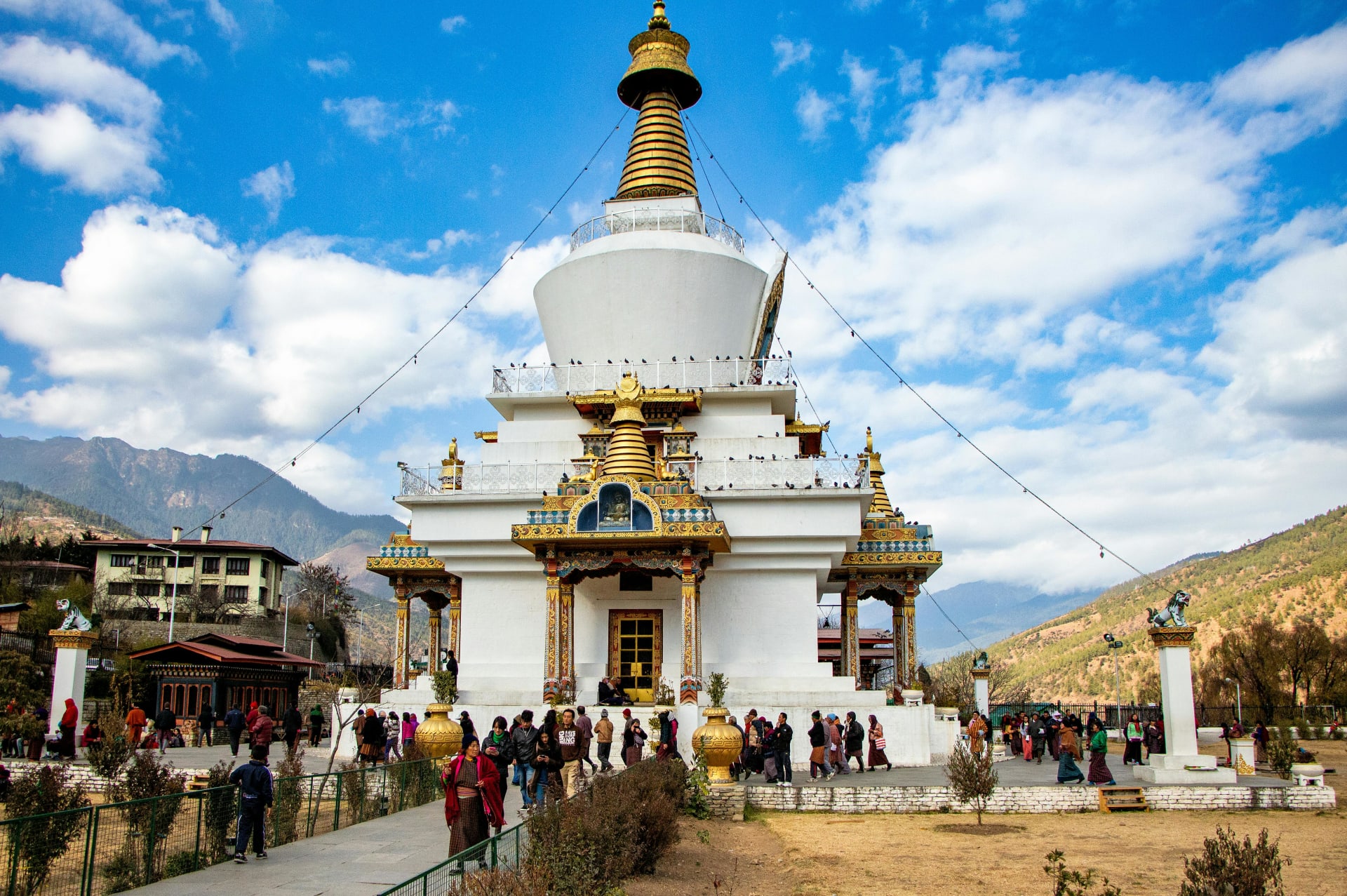
As you descend into Paro Valley at 2,280 meters, you’re entering more than just a destination. You’re stepping into a landscape that has captivated travelers for centuries. Home to the iconic Tiger’s Nest Monastery, ancient temples, and stunning Himalayan scenery, Paro represents the essence of Bhutanese culture and spirituality.
Let me guide you through this extraordinary valley.
Why Visit Paro?
Paro represents the essence of Bhutanese culture and spirituality.
The valley houses some of Bhutan’s most sacred temples, monasteries, and historical landmarks. It’s an essential destination for anyone seeking to understand the true spirit of the Land of the Thunder Dragon.
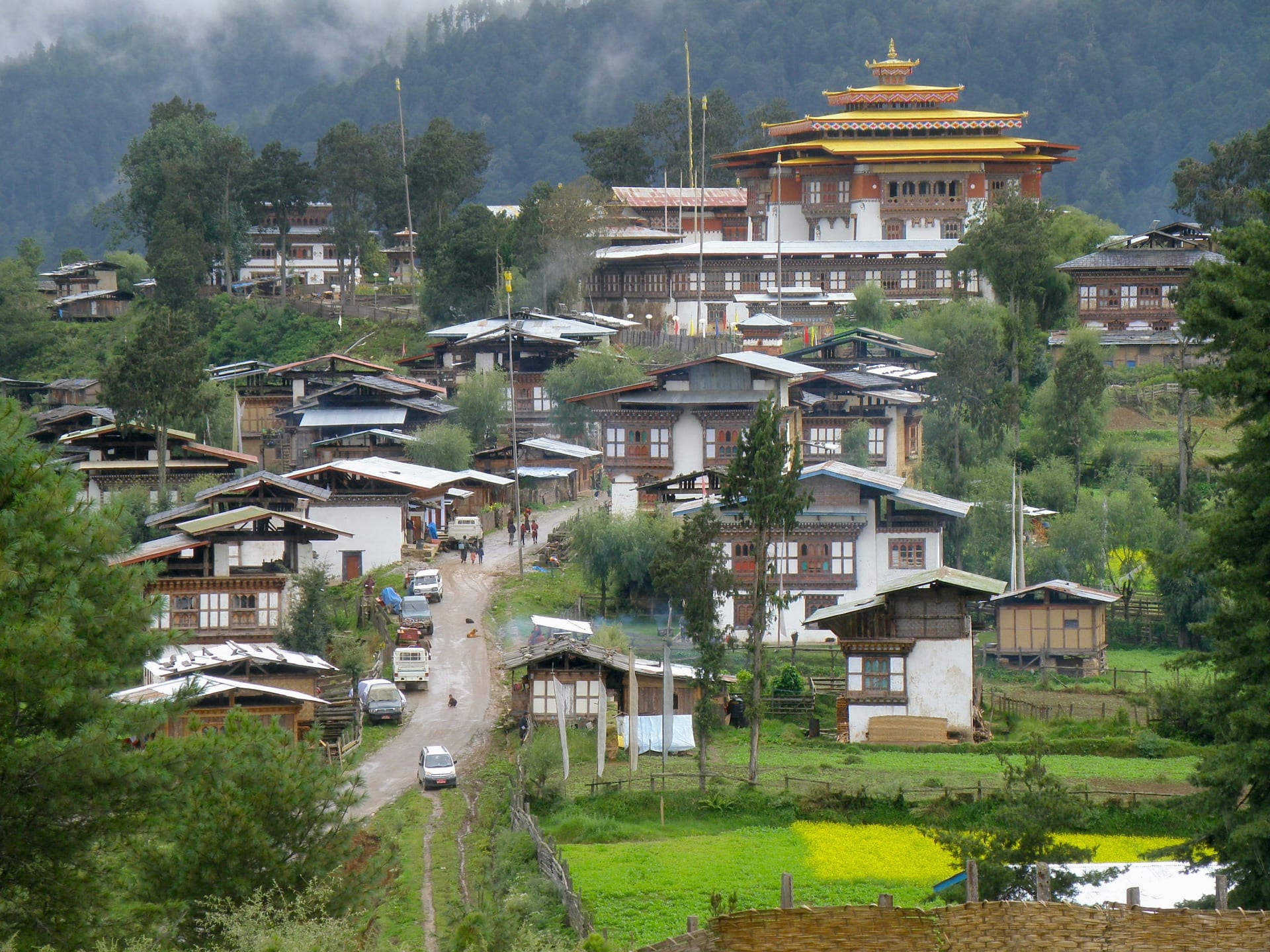
The valley’s fertile lands have sustained communities for centuries. Terraced fields, traditional farmhouses, and prayer flags fluttering in the mountain breeze create a landscape that seems lifted from a storybook.
Top Attractions in Paro
Tiger’s Nest Monastery (Taktsang Palphug)
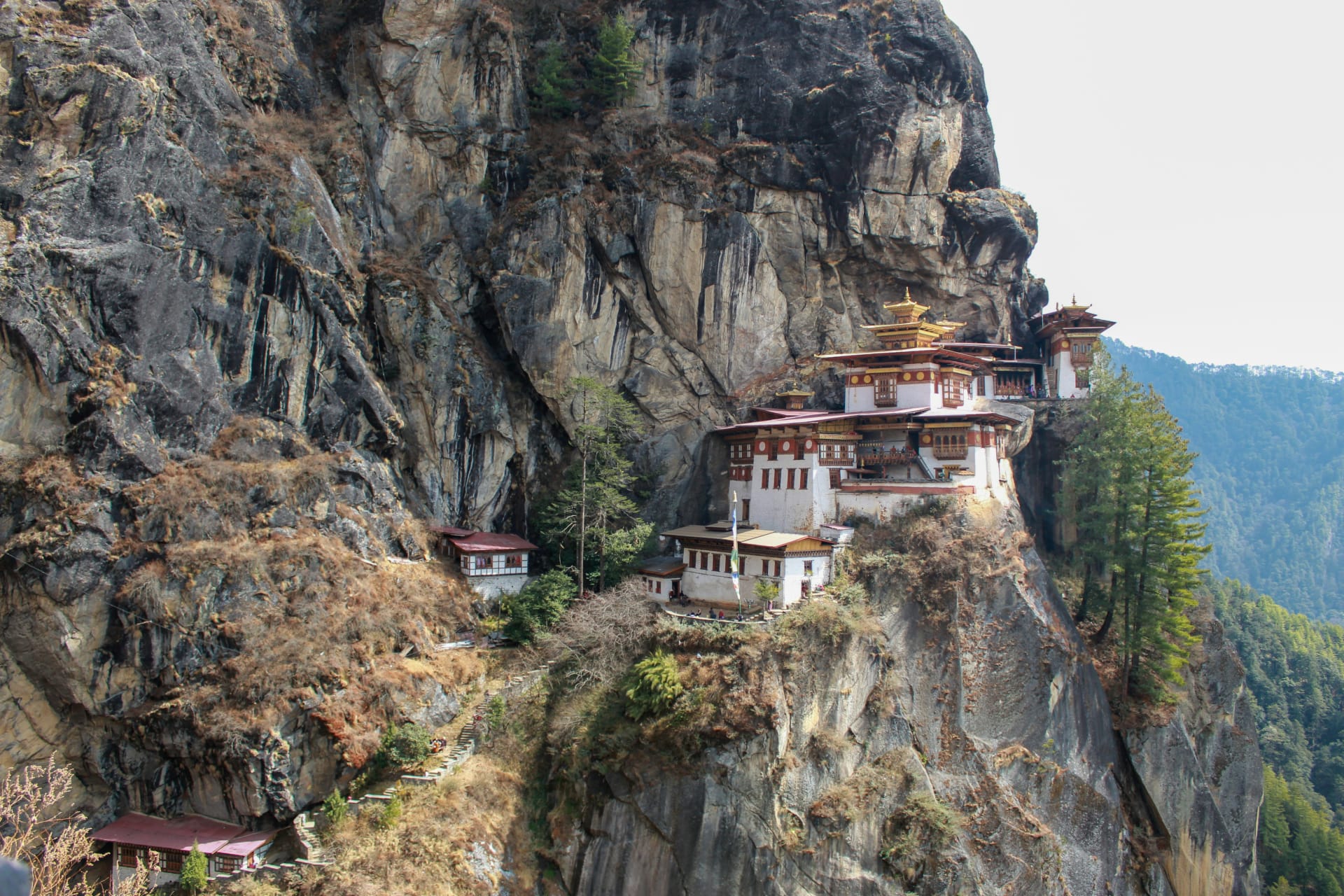
No visit to Paro—or Bhutan—is complete without trekking to the legendary Tiger’s Nest. Perched precariously on a cliff face 900 meters above the valley floor, this sacred site is where Guru Rinpoche is said to have meditated for three years.
The Experience:
- Difficulty: Moderate to challenging
- Duration: 4-6 hours round trip
- Best Time: March to May and September to November
“The climb to Tiger’s Nest is not just a physical journey, but a spiritual one. Each step brings you closer to understanding why Bhutanese people hold this site so sacred.”
Rinpung Dzong (Fortress of the Heap of Jewels)
This magnificent fortress-monastery dominates the Paro skyline. Built in 1644, it serves as both administrative and monastic center, housing 14 shrines and chapels adorned with intricate paintings and statues.
Highlights:
- Beautifully carved wooden windows and painted murals
- Annual Paro Tshechu festival held here each spring
- Stunning views from the dzong’s courtyard
- Traditional Bhutanese architecture at its finest
National Museum of Bhutan (Ta Dzong)
Housed in a renovated watchtower above Rinpung Dzong, this museum offers an excellent introduction to Bhutanese culture, art, and history. The circular building features seven floors of exhibits, including thangkhas, ancient artifacts, and natural history displays.
Kyichu Lhakhang
One of Bhutan’s oldest and most sacred temples, dating back to the 7th century. The temple houses an ancient statue of Jowo Shakyamuni and remains an active place of worship. The peaceful atmosphere and ancient energy make this a perfect spot for meditation and reflection.
Chele La Pass
At 3,988 meters, Bhutan’s highest motorable pass offers spectacular views of both Paro and Haa valleys. On a clear day, you can see Mount Jomolhari (7,326 meters).
What to Do: Enjoy panoramic Himalayan views, photograph prayer flags against snow-capped peaks, spot Himalayan flora including rhododendrons
Cultural Experiences in Paro
Visit a Traditional Farmhouse
Experience authentic Bhutanese hospitality by visiting a local farmhouse. Many Paro families welcome visitors into their homes.
What You’ll Experience:
- Learn about traditional Bhutanese architecture
- Try ara (local spirit) and suja (butter tea)
- Witness traditional weaving and cooking
- Understand rural Bhutanese life
Best Time to Visit Paro
| Season | Weather | Experience |
|---|---|---|
| Spring | Pleasant weather, blooming rhododendrons | Paro Tshechu festival, peak tourist season |
| Summer | Lush green landscapes | Monsoon season, fewer crowds |
| Autumn | Clear skies, excellent visibility | Ideal for trekking, festival season |
| Winter | Cold but sunny days | Snow-capped peaks, fewer tourists |
Where to Stay in Paro
Luxury Options: Uma Paro by COMO, Zhiwa Ling Heritage, Tiger’s Nest Resort
Mid-Range Options: Metta Resort & Spa, Tenzinling Resort, Bhutan Suites
Budget Options: Local guesthouses and homestays, basic hotels in Paro town
Getting to Paro
Paro International Airport (PBH) is the sole international airport in Bhutan. Druk Air and Bhutan Airlines operate flights from Bangkok, Singapore, Kathmandu, Delhi, Kolkata, and other cities.
Important Note: Only a handful of pilots are certified to land at Paro due to the challenging terrain. Flights are often delayed or cancelled due to weather, so allow flexibility in your schedule.
Practical Tips for Visiting Paro
Permits and Regulations
- All nationalities must book through a licensed Bhutanese tour operator
- The Sustainable Development Fee (SDF) is mandatory
- Monasteries may have dress codes (modest clothing required)
Packing List
- Comfortable hiking shoes for Tiger’s Nest
- Warm layers (mountain temperatures can be cool)
- Rain jacket (especially during monsoon)
- Modest clothing for temple visits
- Sunscreen and sunglasses
Sample 3-Day Paro Itinerary
Day 1: Arrival & Orientation
Morning: Arrive in Paro
Afternoon: Visit Rinpung Dzong and National Museum
Evening: Explore Paro town and enjoy traditional dinner
Day 2: Tiger’s Nest Trek
Morning: Begin trek to Taktsang Palphug
Midday: Lunch at cafeteria and temple visit
Afternoon: Return trek and relaxation at hotel
Evening: Traditional hot stone bath (optional)
Day 3: Valley Exploration
Morning: Visit Kyichu Lhakhang and Drukgyel Dzong
Afternoon: Drive to Chele La Pass for mountain views
Evening: Visit local farmhouse for cultural experience
Photography Tips for Paro
Best Spots:
- Tiger’s Nest viewpoint (first glimpse of monastery)
- Rinpung Dzong from the cantilever bridge
- Paro airport approach (plane window shots)
- Chele La Pass prayer flags with mountains
Best Times: Golden hour (sunrise/sunset), early morning for clear views and fewer crowds
Final Thoughts
Visiting Paro is more than just sightseeing—it’s an immersion into a culture that has preserved its traditions while embracing mindful progress. Whether you’re seeking spiritual renewal, cultural discovery, or natural beauty, Paro Valley offers experiences that will stay with you long after you leave.
Ready to explore Paro Valley? Browse our tours or contact us for personalized trip planning.
“The goal of life is to make your heartbeat match the beat of the universe, to match your nature with Nature.” — Joseph Campbell
Nowhere is this quote more relevant than in Paro, where the rhythm of life flows in harmony with the sacred mountains that cradle this valley.