Day Hikes in Thimphu & Paro: Complete Guide
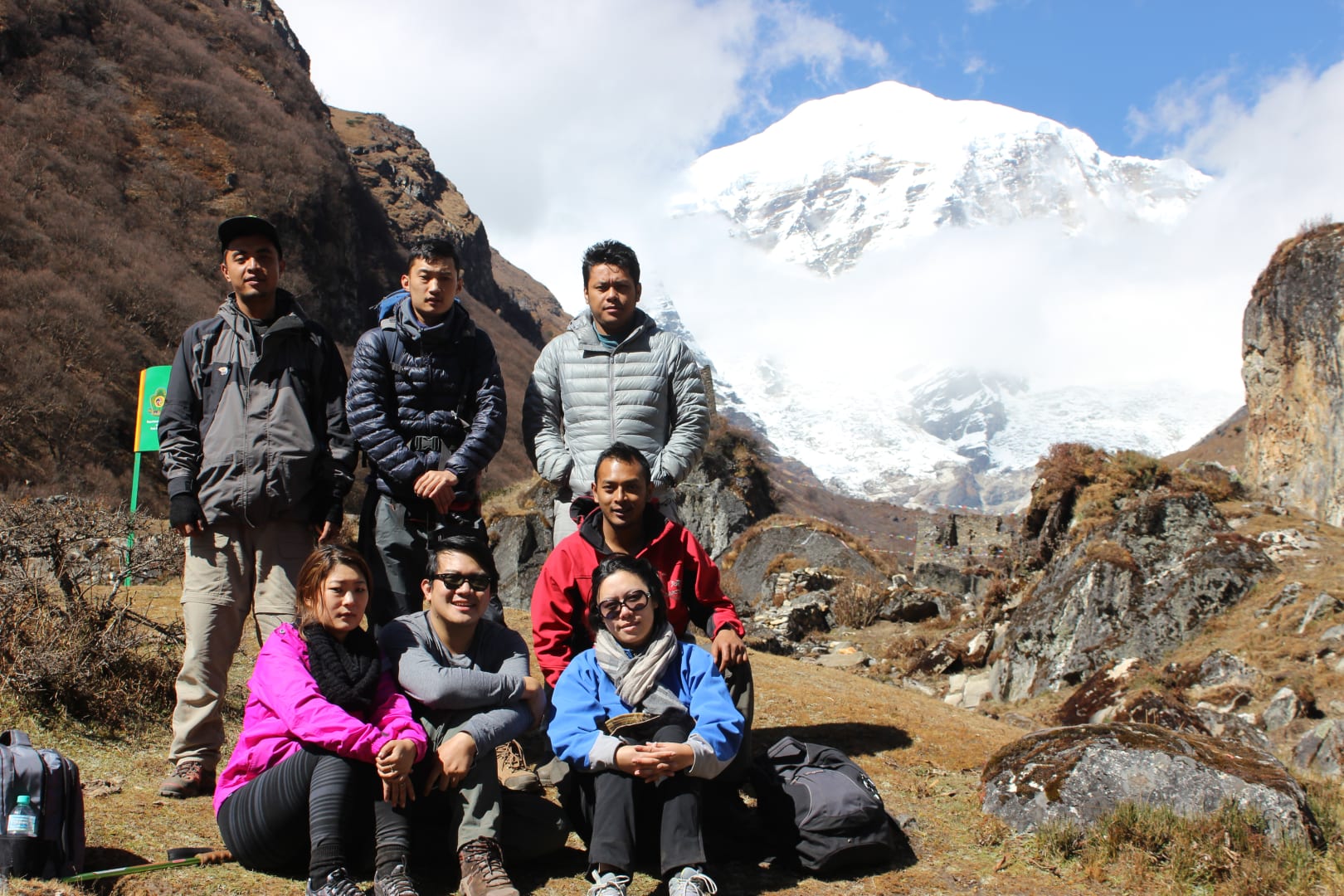
The valleys of Thimphu and Paro offer some of Bhutan’s most accessible yet rewarding hiking trails. From sacred temples perched on ridges to panoramic viewpoints of the Himalayas, these day hikes provide the perfect introduction to Bhutan’s natural beauty without the commitment of a multi-day trek. Whether you have a few hours or a full day, whether you’re seeking spiritual solace or physical challenge, there’s a trail here waiting for you.
Thimphu Hiking Trails
Sangaygang to Chokortse Loop
This scenic ridge walk connects three important religious sites with stunning views of Thimphu valley. The six to eight kilometer loop takes three to four hours at an easy to moderate pace, gaining about three hundred meters of elevation. It’s accessible year-round, though morning visits offer the clearest views and the best light for photography.
Start at Sangaygang, also known as the BBS Tower hill. A taxi from town costs 100 to 150 Ngultrum for the short ride up. The trail begins at 2,680 meters elevation, and right away you’re walking through pine forests with the valley unfolding below you. The first section descends gradually through trees, with Thimphu valley views opening up with every step. The trail is well-defined—a dirt path that’s easy to follow even for novice hikers.
About an hour in, you’ll reach Chokortse Nunnery, home to about 100 nuns who live, study, and practice here. Take time to explore the temple with its beautiful statues and thangkas, the painted scrolls that depict Buddhist deities and stories. The nuns are welcoming, and the views from the nunnery grounds offer excellent photo opportunities. Plan to spend thirty minutes here before continuing.
The section from Chokortse to Wangditse, covering two kilometers over forty-five minutes, is perhaps the most scenic part of the hike. You’re ridge walking now, with panoramic views in all directions. Oak and rhododendron forests line the trail. In spring, the rhododendrons burst into bloom—red, pink, and white blossoms that transform the walk into a tunnel of flowers.
Wangditse Lhakhang is a historic temple founded in the 18th century. Inside, you’ll find ancient statues and relics that have been preserved here for generations. The temple overlooks Dechencholing Palace, and the views alone justify the thirty to forty-five minutes you’ll want to spend here. From Wangditse, you can either complete the loop back to Sangaygang or continue down to Motithang if you prefer not to climb back up.
This hike rewards you with panoramic valley views, sacred temples, colorful pheasants that dart through the undergrowth, and endless prayer flags and chortens that mark the trail as sacred ground. Bring water, snacks, sun protection, and a camera. A small donation for the temples is always appreciated.
Sangaygang to Wangditse Direct
If time is limited, this shorter version offers the essential experience in less time. The four kilometer one-way trek takes an hour and a half to two hours, classified as easy with only about 150 meters of elevation gain. Start at Sangaygang and follow the direct ridge trail to Wangditse, then either return the same way or continue down to Motithang.
This is an excellent choice for sunsets—the golden light on the mountains and valley is unforgettable—or for short walks and families with children who might find the longer loop too much. The trail is easy to follow, the walking is gentle, and you still get the full reward of Wangditse’s temple and views.
Changangkha to Buddha Point
This urban hike connects two of Thimphu’s most iconic sites. The five to six kilometer one-way trek takes two to two and a half hours at a moderate pace, gaining about 200 meters of elevation. Start at Changangkha Lhakhang, a 13th-century temple and one of the oldest in Thimphu. A taxi from town costs about 80 Ngultrum to reach the trailhead. Visit the temple first—spending fifteen to twenty minutes here is worthwhile before you begin the hike.
The first section from Changangkha to the Rice Research Institute covers 1.5 kilometers through forest on a gradual descent. The trail is well-marked and easy to follow. From the research institute to Buddha Point is another 3.5 kilometers, and this is where the trail becomes more interesting. You’re climbing now, on a mix of stairs and dirt paths, with city views getting better with every step you take upward.
Buddha Point, or Kuensel Phodrang, is home to the giant Buddha statue that stands 51.5 meters tall. The views of Thimphu valley from here are the best in the city. Spend thirty to forty-five minutes exploring the grounds, taking photos, and simply absorbing the panorama. You can end here or continue down into town if you have energy left.
This hike offers two sacred sites in one walk, great city views that change constantly as you climb and descend, and is accessible year-round. Bring 1.5 liters of water, good walking shoes (there are stairs), a camera, and a small donation for Buddha Point.
Buddha Point to Pumola to Takin Preserve
This scenic ridge walk offers wildlife viewing opportunities and a chance to see Bhutan’s national animal. The six to seven kilometer one-way hike takes two and a half to three hours at a moderate pace, gaining about 250 meters of elevation. Start at Buddha Point and follow the trail behind the Buddha statue.
The section from Buddha to Pumola covers 2.5 kilometers through ridge walking with forest views. This is prime bird watching territory—bring binoculars if you have them. The walking is gentle, up and down but never strenuous. Pumola Viewpoint is less crowded than Buddha Point itself and offers a different perspective of the valley. It’s an excellent picnic spot if you’ve brought food.
From Pumola, continue 3.5 kilometers through forest trail as you descend toward Motithang. The trail connects you to the Takin Preserve, where you can see Bhutan’s national animal up close. The takin is a strange and wonderful creature that looks like a cross between a goat, a cow, and a sheep. Legend says it was created by the Divine Madman, Lam Drukpa Kunley, who assembled it from parts of other animals. Entry to the preserve costs 50 Ngultrum and takes about thirty minutes to visit.
This hike gets you away from crowds and onto less traveled trails, offers wildlife viewing opportunities, and provides great photo angles of Thimphu that most tourists never see.
Paro Hiking Trails
Rago Goenpa Hike
This moderate hike leads to a hermitage with stunning Paro valley views. The five kilometer round trip takes two to three hours and gains about 400 meters of elevation, starting from Paro at 2,280 meters. The trailhead at Rago Bridge is a ten minute drive from Paro town. Cross the bridge and follow the trail upward.
The first section, from bridge to chorten, covers 1.5 kilometers and takes about forty-five minutes. It’s a steep ascent through pine forest, with many prayer flags lining the path. Take your time—there are plenty of rest spots, and the climbing is worth the effort. From the chorten to the goenpa is another kilometer, taking thirty minutes of continued climbing. The views improve with every meter you ascend, and suddenly the goenpa appears on the cliff edge ahead of you.
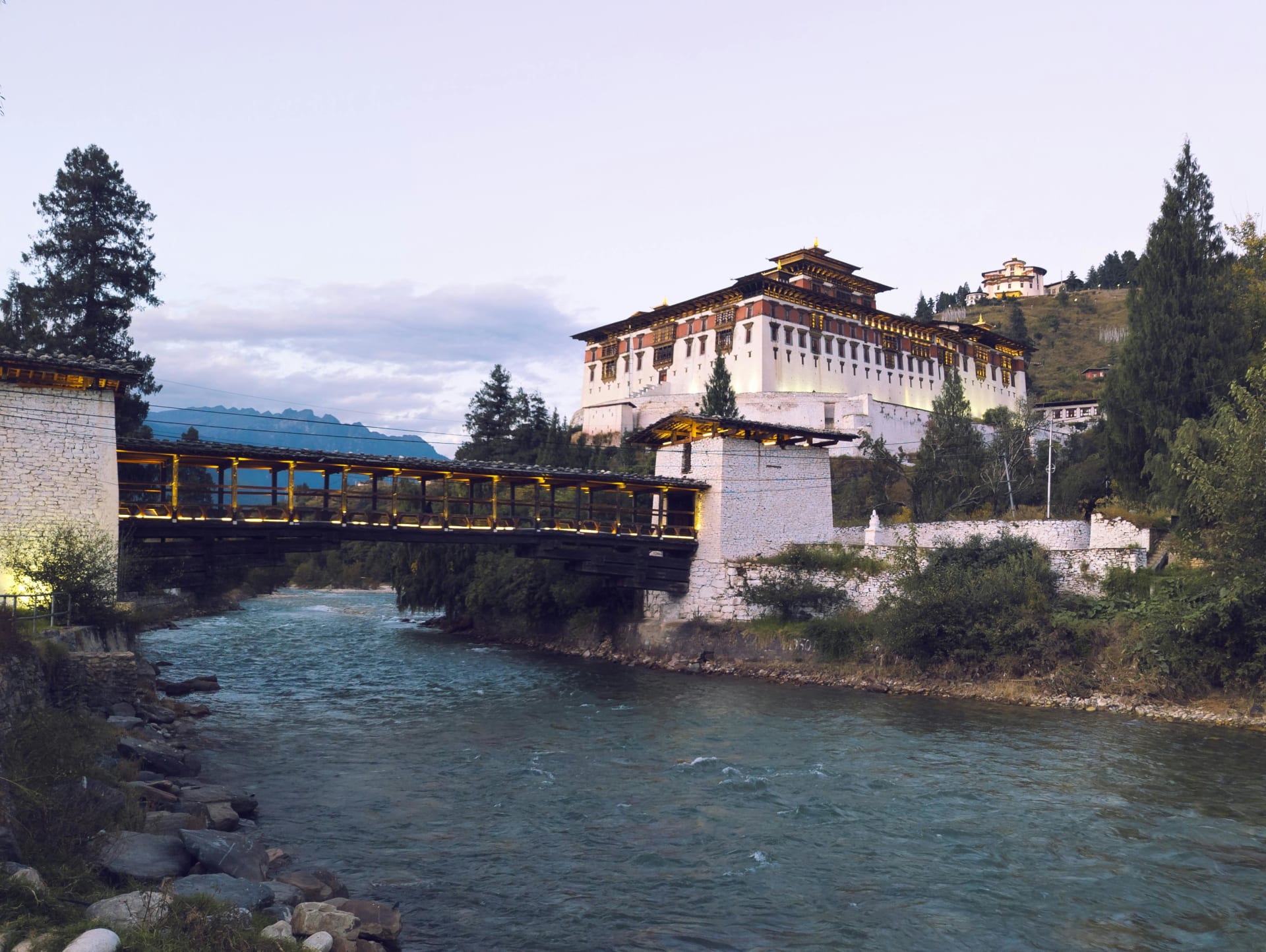
Rago Goenpa is a small hermitage with a monk resident. The views of Paro valley and the dzong below are incredible—you can see the entire valley laid out before you. Tea is often available if the monk is present, and sitting here with a cup of tea and this view is one of those perfect Bhutanese moments. The return trip takes one to 1.5 hours down the same route you came up.
This hike offers panoramic valley views, a sacred hermitage that feels removed from the world, and is an excellent acclimatization hike if you’ve just arrived. Bring 1.5 liters of water, snacks, good hiking shoes, a camera, and a small donation for the goenpa.
Jana Dzong Hike
This moderate hike leads to the ruins of a historic fortress with valley views. The eight kilometer round trip takes three to four hours and gains about 500 meters of elevation. Start at Damchena village, a twenty minute drive from Paro. Ask locals for the trailhead—they’ll point you in the right direction. Follow the trail through the village as you begin your ascent.
The climb takes you through fields and forests, with village life unfolding around you. You’ll pass farmers working their land, children walking home from school, and perhaps a few curious cows watching you pass. The climbing is gradual, never overwhelming, but steady. Elevation gain accumulates slowly until you’re looking down on everything you walked through.
Jana Dzong’s ruins crown a hilltop with 360-degree views of Paro valley. This historic fortress once guarded this approach to the valley, and the stone foundations still speak of its former importance. It’s an excellent picnic spot if you’ve brought food, and the thirty to forty-five minutes you’ll want to spend here can easily stretch longer if you’re enjoying the solitude.
This hike rewards you with a historic site that few tourists visit, valley views that stretch to the horizon, a genuine village experience, and a trail that’s off the typical tourist path. You’ll likely have the place to yourself.
Tshogonpa Nunnery Hike
This easy hike visits an active nunnery above Paro. The four kilometer round trip takes 1.5 to 2 hours and gains about 200 meters of elevation—gentle climbing that almost anyone can manage. Start above Paro town—you can take a taxi to the trailhead. The trail is well-marked and even paved in sections, making navigation straightforward.
Tshogonpa Nunnery houses more than fifty nuns who live and practice here. Visit the temple for thirty minutes—the interior is beautiful, and the nuns are welcoming. The valley views from the nunnery grounds are excellent, and tea is often available if you’d like to sit for a while.
This is the perfect hike for acclimatization, cultural experience, or families with children who want an easy introduction to Himalayan walking. The trail is accessible, the destination is welcoming, and the effort required is minimal compared to the reward.
Combination Hikes
For those with a full day and plenty of energy, you can combine these trails into longer adventures. The Sangaygang Full Loop covers approximately twelve kilometers over six to seven hours at a moderate pace. Combine Sangaygang, Chokortse, Wangditse, Motithang, Changangkha, and Buddha Point into one magnificent day that circles the entire northern end of Thimphu valley. Pack lunch or eat at one of the restaurants in Motithang halfway through.
The Paro Ridge Hike covers about ten kilometers over five to six hours at a moderate to strenuous pace. Combine Rago Goenpa with Jana Dzong and return via a different route, spending a full day exploring the ridges and hills above Paro valley. This is demanding walking but rewards you with views most tourists never see.
Practical Information
Getting to Trailheads
In Thimphu, a taxi to Sangaygang from town costs 100 to 150 Ngultrum. To Changangkha, expect to pay about 80 Ngultrum. Buddha Point taxis cost 100 Ngultrum going up or 50 Ngultrum coming down. In Paro, a taxi to Rago Bridge costs 200 to 300 Ngultrum. Tshogonpa runs about 150 Ngultrum. Jana Dzong is farther—expect to pay 300 to 400 Ngultrum for the ride.
Best Times to Hike
Spring from March through May offers clear weather and blooming rhododendrons—ideal hiking conditions. Summer from June through August brings rain, leeches, and muddy trails. If you hike in monsoon season, start early and bring rain gear. Autumn from September through November provides the best visibility and is the peak hiking season. Winter from December through February is clear but cold—expect morning frost and dress warmly.
What to Wear
Year-round, wear hiking shoes or sturdy sneakers. Lightweight pants are better than jeans, especially if it rains. A t-shirt plus a light layer works for most days, and a sun hat is essential given the high UV levels at altitude. In winter from December through February, add a warm jacket, warm hat, and gloves. During monsoon from June through August, bring a rain jacket, quick-dry clothing, and extra socks—wet feet are miserable feet.
What to Bring
Essential items include 1.5 to 2 liters of water, snacks like energy bars or fruit, sun protection (sunscreen and sunglasses), a camera, and small cash for donations and taxi. Optional but worthwhile items include binoculars for bird watching, a light rain jacket since mountain weather changes quickly, and toilet paper—some trails have no facilities.
Safety Tips
Hike with others whenever possible. The companionship is pleasant, and there’s safety in numbers. Tell someone your planned route, especially for longer hikes. Start early to avoid afternoon weather or rain that often develops later in the day. Stay on marked trails—wandering off can get you lost in terrain that looks similar from every direction. Carry water because streams may not be safe to drink without treatment. Respect sacred sites by removing hats and shoes in temples. Don’t disturb wildlife—observe from a distance. Be weather aware, since storms can develop quickly in the mountains.
Altitude Considerations
Thimphu sits between 2,280 and 2,700 meters. Paro ranges from 2,280 to 3,000 meters and above. Altitude sickness risk is low for these day hikes, but it’s still important to take it easy if you’ve just arrived. Drink plenty of water. Rest as needed. Descend if you feel severe symptoms like persistent headache, nausea, or dizziness—these are warning signs, not challenges to overcome.
Cultural Etiquette
When visiting temples or goenpas, dress modestly by covering shoulders and knees. Remove shoes before entering—there’s usually a designated spot for footwear. Remove hats inside temple buildings. Walk clockwise around chortens and stupas. Ask permission before photographing, especially inside temples. Keep your voice low in these sacred spaces.
On the trail itself, yield to locals, especially elders and monks who have right of way. Don’t block prayer wheels that line the path. Don’t touch sacred objects—look but don’t touch. Respect prayer flags by never removing or damaging them. These aren’t decorations but religious offerings.
Hiring a Guide
Most day hikes can be done independently without a guide, but there are benefits to hiring one. A guide provides cultural information and context that you’d otherwise miss, shares local knowledge about trails and sights, ensures safety in numbers, and offers support if altitude is a concern. Expect to pay 1,000 to 1,500 Ngultrum per day plus tip. Find guides through your hotel, tour operators, or the tourist information office.
Trail Difficulty Guide
Easy hikes suitable for beginners include Sangaygang to Wangditse direct, Tshogonpa Nunnery, and Buddha Point area walks. These trails are well-defined with minimal elevation gain, easy to follow, and have facilities available.
Moderate hikes for those with some experience include the Sangaygang to Chokortse to Wangditse loop, Changangkha to Buddha Point, and Rago Goenpa. These have some steep sections, longer distances, require basic fitness, and are more remote from facilities.
Strenuous hikes for fit hikers include Jana Dzong and full combination hikes. These feature significant elevation gain, longer distances of five or more hours, require good fitness, and are very remote from facilities.
After-Hike Recommendations
In Thimphu, after a long day on the trails, head to Bhutan Kitchen or the Folk Heritage Museum Restaurant for a post-hike meal. Both serve excellent traditional food that will restore your energy. Many hotels offer hot stone baths that are perfect for relaxing tired muscles. Some hotels even offer yoga if you want to stretch properly after your hike.
In Paro, try Meto-Pelri Restaurant or Dumptseng for your post-hike meal. Both are excellent and will satisfy the appetite you’ve worked up. A hot stone bath at your hotel is the perfect way to end the day, and hotel gardens are ideal for gentle stretching while you reflect on what you’ve seen.
Final Note: These day hikes are the perfect way to experience Bhutan’s natural beauty without the commitment of a multi-day trek. They offer sacred sites, stunning views, and a taste of Himalayan hiking that will leave you wanting more. Whether you have a few hours or a full day, there’s a trail waiting for you in the valleys of Thimphu and Paro.