Why Bhutan Booking is Different
Planning a trip to Bhutan is unlike planning travel to most other countries. You can’t just buy a plane ticket and book a hotel. Bhutan requires all international tourists to book through licensed tour operators. This might seem complicated, but it ensures your trip is well-planned, safe, and genuinely connects you with Bhutanese culture.
The booking process is straightforward once you understand it. Let’s walk through everything step by step, so by the end of this guide, you’ll know exactly how to turn your Bhutan dreams into reality.
Understanding Your Requirements
All international tourists must book through a licensed Bhutanese tour operator. This includes travelers from the United States and Canada, the United Kingdom and Europe, Australia and New Zealand, Southeast Asia, East Asia, and Africa and South America. Everyone else needs a tour operator and licensed guide to explore this Himalayan kingdom.
Only Indian, Bangladeshi, and Maldivian citizens can travel independently. They can book through operators if they choose, but they have the option to travel on their own—a privilege not extended to other nationalities.
Step 1: Choose Your Travel Dates
Bhutan has distinct travel seasons, and choosing the right time for your visit depends on what you hope to experience. Spring, from March through May, brings pleasant weather and blooming flowers. The views are clear, and festivals are in full swing. This is a popular time, so prices are higher and there are more tourists, but you’ll need to book only two to three months in advance to secure your preferred dates.
Summer from June through August is monsoon season in Bhutan. The rains turn everything lush and green, and there are far fewer tourists than in peak seasons. Prices are lower during these months, making it an excellent time for budget-conscious travelers. The drawbacks are real—nearly constant rain, poor visibility for mountain photography, and possible landslides that can block roads. If you don’t mind getting wet and want Bhutan to yourself, book just one month in advance.
Autumn from September through November is the golden season. Clear skies and crisp temperatures create ideal conditions, and this is when the major festivals take place. The weather is nearly perfect, the rice harvest turns valleys gold, and the mountain views will take your breath away. This is peak season, so book three to four months ahead. The standard daily tariff applies without discounts, and hotels fill up quickly with travelers from around the world.
Winter from December through February offers snowy serenity. The crowds vanish, replaced by a profound sense of peace. Sunny days are surprisingly bright and clear, revealing snow-capped peaks in all their glory. The government often offers discounted daily tariffs in winter months, making it attractive for budget travelers. It’s very cold—nights can drop well below freezing—but there’s nothing quite like a traditional hot stone bath when the air is crisp and cold.
For trip duration, five days is the shortest practical trip, but seven to ten days is ideal for a first visit. Fourteen days or more gives you a comprehensive exploration of the country, and twenty-one days plus can include eastern Bhutan and extended treks.
Step 2: Find a Licensed Tour Operator
Your tour operator makes or breaks your Bhutan experience. They handle everything—visa processing, SDF payments, itinerary planning, hotel bookings, guide and driver assignments, and all the permits and paperwork that would otherwise overwhelm you. Finding the right operator is worth the time it takes to research properly.
The Tourism Council of Bhutan website lists all licensed operators, as does the ABTO (Association of Bhutanese Tour Operators) member directory. When evaluating operators, look for their license number to verify they’re officially accredited. Consider how many years they’ve been in business—experience matters in a country as unique as Bhutan. Read reviews and testimonials from past travelers to understand what it’s actually like to travel with them. Check whether they specialize in your particular interests, whether that’s trekking, photography, spirituality, or cultural immersion. Most importantly, pay attention to their communication style—are they responsive and helpful from the first contact?
Ask potential operators several key questions. How long have you been in business? What’s included in your packages? Can you customize my itinerary? What hotels do you use? Who will be my guide? What’s your payment schedule? What’s your cancellation policy? Their answers will tell you everything you need to know.
Watch for red flags. An operator without a license number can’t be verified. Prices that seem too good to be true usually are—operators who cut corners will disappoint you. Poor communication during the booking process will only get worse once you’re in country. An operator who can’t provide references from past clients should be approached with caution. Vague details about hotels and guide names suggest they’re hiding something or cutting corners.
Step 3: Plan Your Itinerary
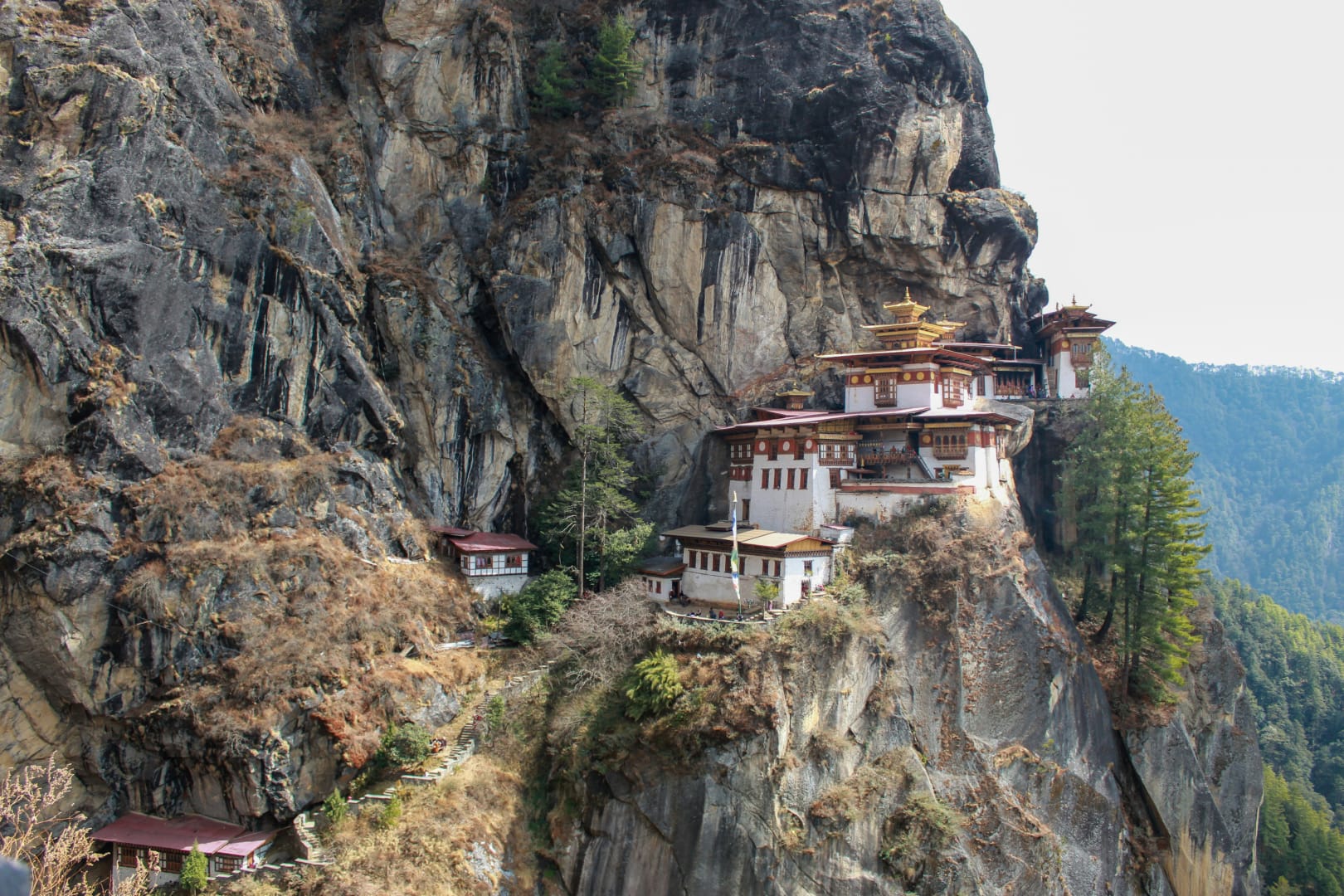
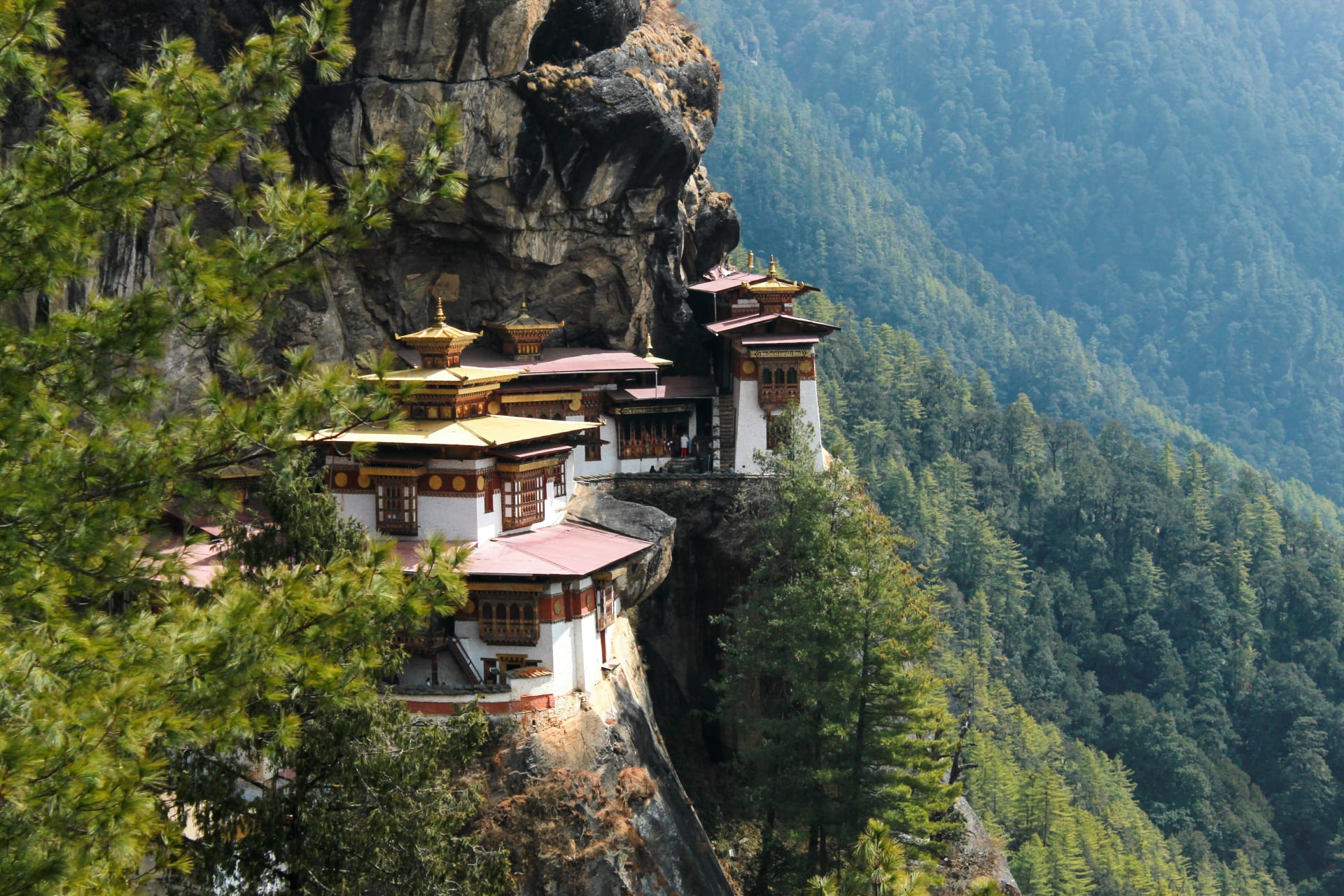
Standard routes have evolved over decades of tourism in Bhutan, and they work for a reason. The Western Bhutan circuit covers Paro, Thimphu, and Punakha over five to seven days. You’ll see Tiger’s Nest, the Tiger’s Nest Monastery that clings to a cliff face above Paro Valley. You’ll explore Thimphu, the capital city where ancient tradition meets modern development. You’ll visit Punakha, the ancient capital with its magnificent dzong at the confluence of two rivers. You can optionally extend into Phobjikha Valley, the winter home of endangered black-necked cranes.
Western plus Central Bhutan takes ten to twelve days and adds Bumthang, the spiritual heartland of the country. This route includes Gangtey and Phobjikha, and you can optionally explore the Ura and Tang valleys for a deeper experience of rural Bhutanese life.
Complete Bhutan itineraries of fourteen days or more incorporate both western and central regions, then extend into eastern Bhutan to places like Trashigang and Trashiyangtse. These remote valleys and villages see very few international visitors, offering an experience that’s increasingly rare in our globalized world. You can also add trekking extensions for those who want to explore the high Himalayas on foot.
Your tour operator can customize based on your specific interests. If culture draws you, focus on temples, festivals, and monasteries with more time for deeper exploration. Nature lovers might prioritize hiking, valleys, and wildlife watching. Adventure seekers can add trekking, rafting, and mountain biking. Spiritual travelers might arrange meditation sessions and visits to pilgrimage sites. Photographers should coordinate timing with festivals and optimal light conditions.
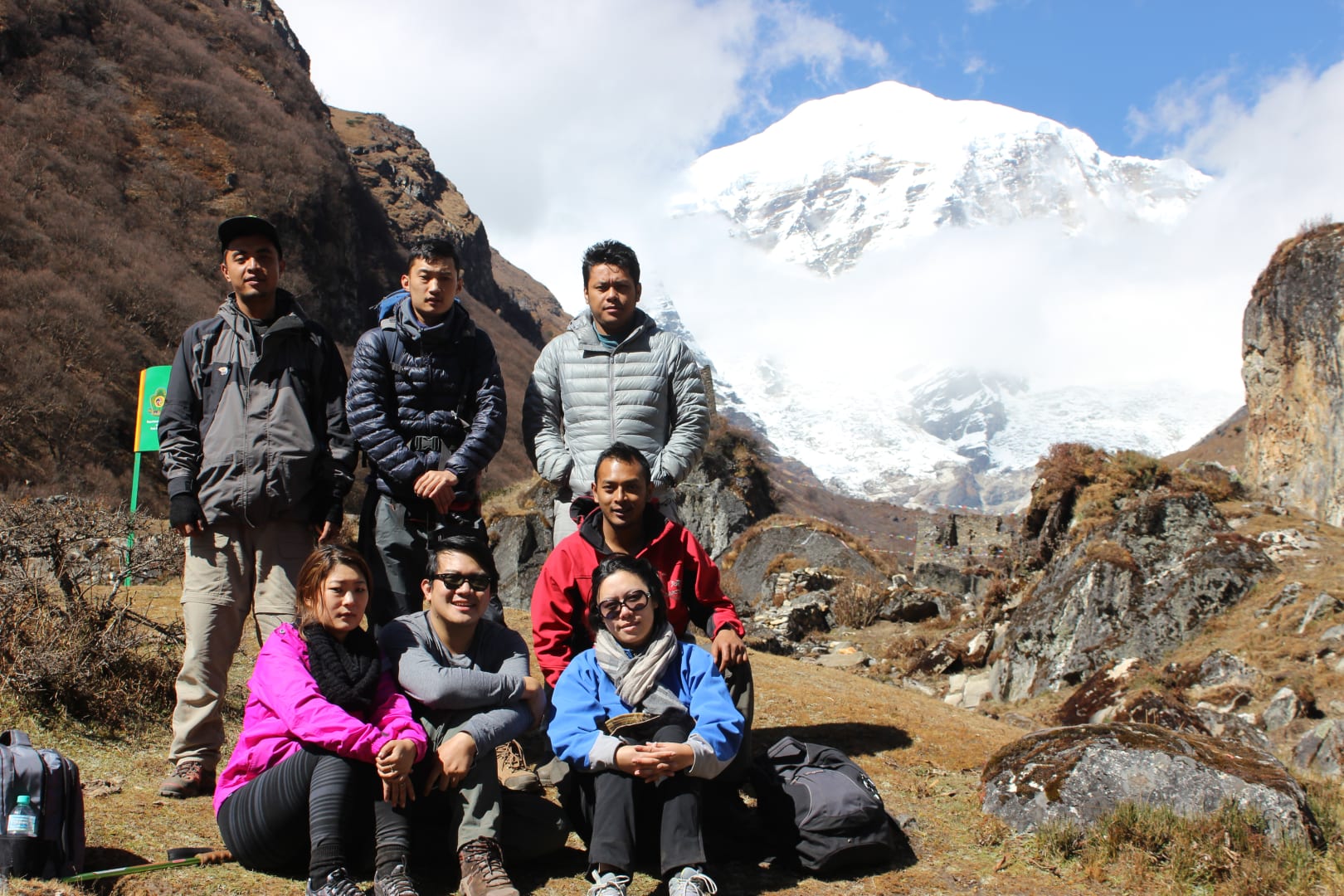
Popular treks that can be added to any itinerary include the Druk Path Trek, a six-day journey from Paro to Thimphu with spectacular mountain views. The Jomolhari Trek runs nine days around sacred Mount Jomolhari and offers some of the most beautiful mountain scenery in the Himalayas. The legendary Snowman Trek stretches twenty-five days or more through remote Bhutan—it’s one of the world’s great trekking challenges and recommended only for experienced, well-prepared hikers. The Bumthang Cultural Trek runs three to four days through villages at a moderate pace, perfect for those who want trekking without extreme effort.
Step 4: Understand Your Costs
The SDF, or Sustainable Development Fee, is the mandatory daily fee that funds Bhutan’s commitment to high-value, low-volume tourism. International tourists pay $100 USD per night. Indians pay 1,200 rupees per night. Children aged six to twelve receive a fifty percent discount, and children under six are free. This fee is non-negotiable and must be paid before your visa is approved.
On top of the SDF, you’ll pay for accommodation, which ranges from $50 to $300 or more per night depending on the level of luxury you prefer. Guide fees typically run $25 to $50 per day. Driver fees cost $20 to $40 daily. Vehicle expenses add another $40 to $80 per day. Meals run $20 to $40 per day, and entrance fees to monuments and attractions cost $10 to $50 per site.
For budget planning, a seven-day trip might cost approximately $2,050 total. This includes $700 for the SDF, $350 for budget hotels, $450 for guide and driver, $350 for the vehicle, and $200 for meals. A mid-range ten-day trip runs around $3,350, with $1,000 for the SDF, $800 for comfortable three-star hotels, $700 for guide and driver, $500 for the vehicle, and $350 for meals. A luxury fourteen-day trip might reach $6,500 or more, with $1,400 for the SDF, $2,800 for luxury properties, $1,000 for guide and driver, $700 for the vehicle, and $600 for meals.
Be aware of surcharges. Solo travelers pay an additional $40 per day. Groups of two pay an extra $30 per person per day. Groups of three or more pay no surcharge at all.
Step 5: Submit Your Information
Your tour operator will need several documents to process your booking. A scanned passport valid for at least six months beyond your travel dates is essential. You’ll also need a passport photo as a digital file. Confirm your travel dates with your operator, as the itinerary must be fixed for visa purposes. Provide your full name, nationality, and occupation. Travel insurance is recommended but not required, though comprehensive coverage is always wise when traveling internationally.
You’ll also need to provide information about your arrival and departure—how you’re entering Bhutan, whether by air at Paro International Airport or overland from India. Share your interests and preferences so your operator can customize your itinerary appropriately. Mention any dietary restrictions or food allergies so restaurants and hotels can accommodate you. Be honest about your physical fitness, especially if you plan to trek. Note any special requests—special occasions you’re celebrating, particular experiences you’re hoping for, or accessibility needs.
Step 6: Pay Your Deposit
A standard payment schedule applies to most Bhutan bookings. You’ll typically pay a deposit of twenty to thirty percent when you confirm your booking. This secures your dates and services. Payment methods usually include bank transfer, credit card, or online platforms like Wise. Bank transfer is most common and generally offers the best rates.
The SDF payment of one hundred percent is due before your visa can be approved. This payment is non-refundable once processed, so be certain of your travel dates before proceeding. The final balance for your tour is usually due before arrival, typically thirty days prior. This includes all tour costs, hotels, and services.
Step 7: Receive Your Visa
Visa processing typically takes five to seven working days under normal circumstances. During peak season, allow ten to fourteen days. Same-day processing is not possible, so plan accordingly. The process begins when your operator submits your application to immigration. Once your SDF payment is verified, the visa is approved electronically. You’ll receive an email with your visa approval letter, which includes a unique visa number and validity dates that match your itinerary.
When you arrive at immigration, show your approval on your phone or as a printed document. Your passport will be stamped with the actual visa, photos will be taken for immigration records, and your entry and route permits will be issued. The process is straightforward and usually takes just a few minutes.
Step 8: Finalize Your Itinerary
Before you travel, confirm all the details with your operator. Verify hotel names and locations so you know where you’ll be staying each night. Get your guide’s name and contact information. Confirm driver details and the vehicle that will transport you. Know the pickup arrangements for your airport or border transfer. Store emergency contact numbers for 24/7 support during your trip.
Your tour operator should provide a detailed day-by-day schedule, a packing list tailored to your specific itinerary and the season you’re visiting, cultural guidelines explaining how to dress and behave appropriately, and contact information for your guide and the operator. They should also explain emergency procedures—what to do if problems arise during your journey.
Step 9: Book Your Flights
Druk Air, Royal Bhutan’s national airline, serves Bangkok, Singapore, Kathmandu, Delhi, Kolkata, and several other cities. Flights are limited and book quickly, especially during peak seasons. Paro airport weather is notoriously unpredictable—flights are often delayed when conditions don’t allow safe landing or takeoff. Book early and build flexibility into your schedule if possible.
Bhutan Airlines also serves several regional routes including Kathmandu, Delhi, Kolkata, and Bangkok. Their fleet is newer and their pricing is often competitive with Druk Air. When booking, try to arrive in the morning when weather is generally more favorable and views are spectacular. Always confirm your flight dates with your tour operator before booking, as they need to align with your overall itinerary.
Step 10: Pack and Prepare
Packing for Bhutan requires careful consideration of the season and activities you’ve planned. Essential documents include your passport with six months or more of validity, your visa approval letter, travel insurance documents, flight confirmations, and your tour operator’s contact information. Keep these accessible but secure throughout your journey.
For clothing, bring layers for Bhutan’s varying temperatures. Comfortable walking shoes that have been broken in are essential. Hiking boots are necessary if you’re trekking. Pack modest clothing for temple visits—shoulders and knees must be covered. A rain jacket is essential, especially during monsoon season. Warm clothes are necessary for winter travel or high-altitude trekking.
Health and comfort items should include sunscreen and sunglasses for protection at high altitude, a basic first aid kit with personal medications, hand sanitizer, and a reusable water bottle. For electronics, bring your camera and charger, a universal adapter for Bhutan’s Type D and G electrical outlets, a power bank to keep devices charged during long drives over mountain passes, and your phone with its charger.
On arrival day, expect your guide to meet you at the airport with a sign displaying your name or your company’s logo. You’ll be transferred to your hotel, and your guide will provide an overview of your trip, answering any questions and ensuring you’re comfortable before your adventure truly begins. If you’re entering overland from Phuntsholing on the Indian border, you’ll walk across the border, process your entry permit at the immigration office, meet your guide usually in town, and begin your Bhutan journey from there.
Common Booking Mistakes to Avoid
The most common mistake is booking too late. Operators can’t secure dates, flights fill up, and hotels reach capacity during popular times. For peak seasons, book at least two to three months in advance. For festivals like Paro Tshechu or Thimphu Tshechu, book four to six months ahead or risk missing out entirely.
Not researching your operator thoroughly is another mistake. Poor service, unexpected costs, and bad experiences often result from inadequate due diligence. Check licenses, reviews, and references before committing money.
Not confirming details leads to wrong dates, wrong hotels, and misunderstandings that can derail your trip. Get everything in writing and confirm before travel. Don’t assume—ask.
Underestimating altitude ruins many trips to Bhutan. Acclimatize properly by allowing your body time to adjust. Discuss your fitness level honestly with your operator so they can plan appropriate pacing. Altitude sickness is serious and potentially fatal—don’t treat it lightly.
Not reading the fine print results in surprise fees and cancellation penalties. Understand payment terms, refund policies, and exactly what’s included in your package. Ask questions about anything that’s unclear.
Cancellation and Refund Policies
The SDF is generally not refundable once processed. Exceptions exist for government-declared emergencies, natural disasters, and other force majeure events, but these are rare and the approval process is stringent.
Tour cost refunds depend on your operator’s specific policy. Standard terms often include full refund minus deposit for cancellations sixty days or more before travel, fifty percent refund for cancellations thirty to sixty days before, and no refund for cancellations less than thirty days before travel. Always check your specific contract, as terms vary between operators.
Travel insurance is strongly recommended and should cover trip cancellation, medical emergencies, evacuation costs, and lost or delayed baggage. Bhutan’s remote location and limited medical facilities make comprehensive coverage essential.
Working with Silverpine Bhutan
At Silverpine Bhutan, we’ve been guiding travelers since 2010. Our booking process is simple and transparent because we believe planning your trip should be exciting, not stressful. We’re a fully licensed operator accredited by the Tourism Council of Bhutan. Our pricing is transparent with no hidden fees and clear contracts that spell out exactly what you’re getting. We customize every itinerary to match your interests rather than forcing you into pre-packaged experiences. Our guides are experienced, knowledgeable, and licensed professionals who love sharing their country. And we provide 24/7 support throughout your journey.
Our process begins with a free consultation where we learn about your interests, budget, and dreams for your Bhutan adventure. Then we create a custom proposal with detailed pricing. We refine it together until you’re completely happy. Once you book, we handle all the paperwork and payments. And we support you from that first contact until you return home with memories that will last a lifetime.
"Booking a trip to Bhutan is the beginning of a journey that will change how you see the world. The process may seem detailed, but every step ensures your experience is authentic, safe, and transformative." — Karma Dorji
Contact us today to start planning your 2025 Bhutan journey, or browse our tours for inspiration. We’ll respond within 24 hours with a custom proposal tailored to your dreams.