What to Pack for Bhutan: Complete Clothing Guide
Packing for Bhutan requires careful planning due to the country’s dramatic elevation range—from 200 meters in the southern foothills to over 7,000 meters in the high Himalayas—and its distinct seasonal variations. This guide covers everything you need for any Bhutan adventure, from cultural tours through the valleys to high-altitude treks that test even experienced mountaineers.
Understanding Bhutan’s Climate
Bhutan’s climate zones vary dramatically across the country. The southern foothills ranging from 200 to 1,000 meters experience a subtropical, humid climate best visited from November through March. The western valleys of Paro and Thimphu at 2,200 to 2,600 meters offer a temperate climate with four distinct seasons, ideal from March through May or September through November. Central Bhutan’s Bumthang region at 2,600 to 3,500 meters is cooler with dry winters, best experienced from April through June or September through October. Eastern Bhutan ranges from 600 to 3,000 meters with warmer, wetter conditions best visited from November through March. The high Himalayas above 3,500 meters offer alpine conditions and very cold temperatures, accessible only from April through May or October.
| Region | Elevation | Climate | Best Season |
|---|---|---|---|
| Southern Foothills | 200-1,000m | Subtropical, humid | Nov-Mar |
| Western Valleys (Paro, Thimphu) | 2,200-2,600m | Temperate, 4 seasons | Mar-May, Sep-Nov |
| Central Bhutan (Bumthang) | 2,600-3,500m | Cooler, dry winters | Apr-Jun, Sep-Oct |
| Eastern Bhutan | 600-3,000m | Warmer, wetter | Nov-Mar |
| High Himalayas | 3,500-7,000m | Alpine, very cold | Apr-May, Oct |
Season by season, the conditions shift dramatically. Spring from March through May brings mild temperatures with daytime readings of fifteen to twenty degrees Celsius in the valleys and nighttime lows of five to ten degrees. The weather is mild with blooming rhododendrons and occasional rain. Summer monsoon from June through August sees daytime highs of twenty to twenty-five degrees in the valleys with nighttime lows of fifteen to eighteen degrees. Heavy rain, humidity levels reaching seventy to eighty percent, and leeches in forested areas define this season. Autumn from September through November offers the best trekking weather with daytime temperatures of fifteen to twenty-two degrees in the valleys and nighttime lows of five to twelve degrees. Clear skies and the best conditions for mountain viewing make this the ideal time to visit. Winter from December through February brings cold, dry conditions with clear skies. Daytime temperatures in the valleys range from ten to fifteen degrees, while nighttime lows often drop below freezing. Snow at higher elevations is common, creating spectacular but challenging conditions.
Essential Clothing Checklist
For tops, your base layers should include four to six lightweight, quick-dry t-shirts. Plan for two to three for travel and two to three for layering in cold conditions. Add two or three long-sleeve shirts, including one sun protection shirt with UPF 50+ rating and one or two casual button-downs for evenings out.
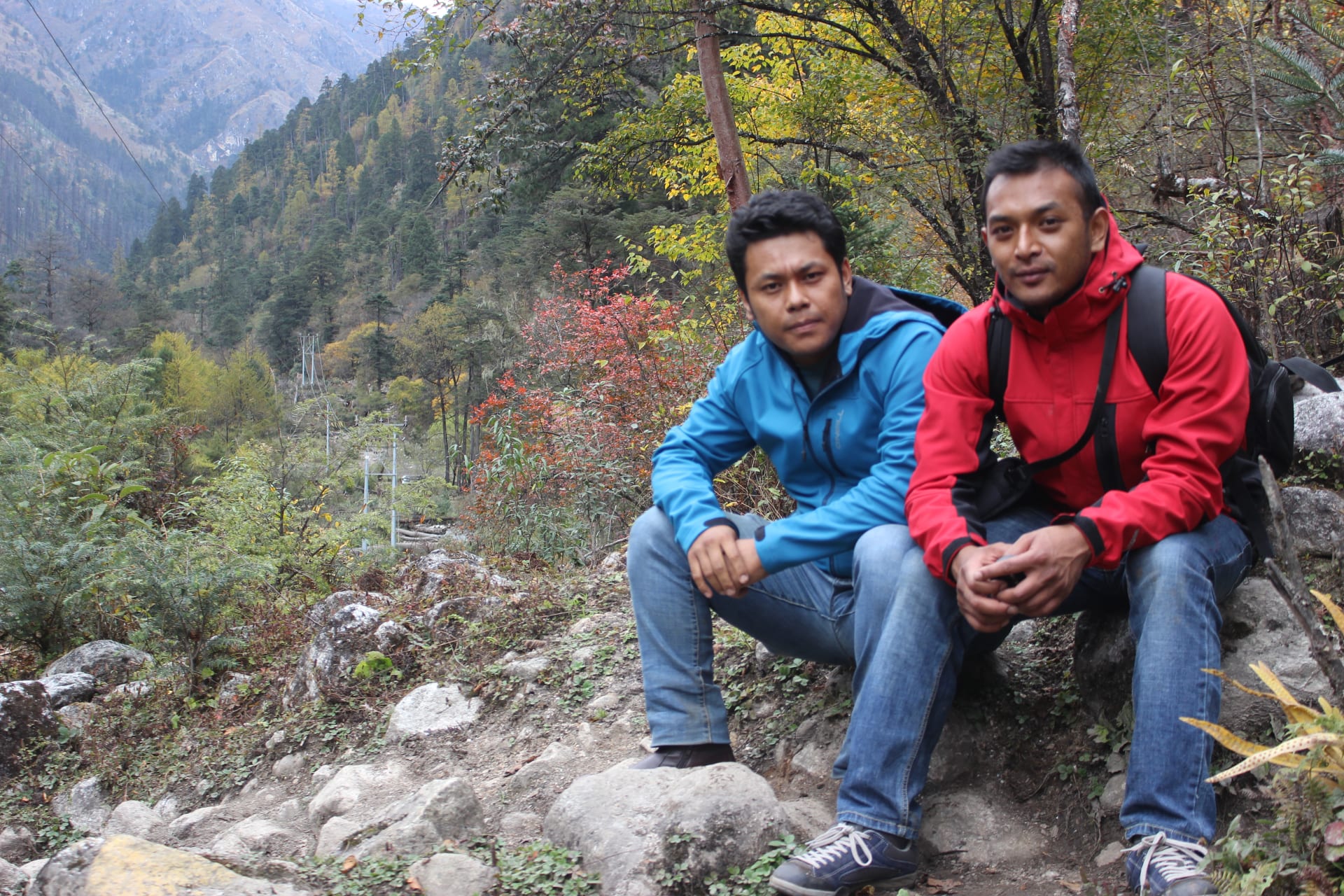
Mid layers provide essential insulation. One or two fleece jackets or pullovers offer warmth without bulk. A light down or synthetic jacket that’s compressible for easy packing serves as excellent layering. One sweater made of wool or cashmere provides versatility for different situations.
Outer layers protect against the elements. A waterproof shell with hood made of Gore-Tex or equivalent material is essential year-round. This single piece can handle everything from summer downpours to winter snow squalls. An insulated down or synthetic jacket is required for winter treks and optional for city visits during shoulder seasons.
For bottoms, pack two or three pairs of hiking pants or convertible pants that are quick-dry and lightweight. Zip-off shorts are useful during summer months. One or two pairs of casual pants or jeans work well for city visits and dinners. Thermal leggings or long johns—two pairs if you’re traveling in winter or planning high-altitude trekking—provide essential base layers. Rain pants are necessary for monsoon season or trekking.
Women may want to pack one or two casual dresses for city visits and one long skirt for visiting temples, as knees must be covered in sacred spaces.
Footwear
Hiking and trekking demand proper footwear. Hiking boots that are waterproof with Gore-Tex protection and ankle support for rough terrain are essential. The most important rule: break them in before you arrive. Blisters on day one can ruin an entire trip. Camp shoes or sandals from manufacturers like Teva or Crocs are perfect for wearing around camp or hotel, providing comfort after a day of walking.
For casual wear, comfortable walking shoes or sneakers suitable for city walking are necessary. They should be clean for temple visits where you’ll be removing your shoes. Flip-flops serve well for showers and hotels.
Socks require thoughtful selection. Three or four pairs of hiking socks made of merino wool or synthetic blend in medium weight work well for trekking. Two or three pairs of liner socks prevent blisters, though these are optional. Four or five pairs of casual socks handle everyday needs. One or two pairs of thermal socks provide essential warmth for cold weather.
Undergarments and Sleepwear
Pack seven to ten days worth of underwear—laundry services are available but not always convenient. Women should include two or three sports bras suitable for hiking or travel. One or two sets of thermal underwear including both top and bottom prepare you for cold conditions. One set of sleepwear is essential, plus thermals for winter when nighttime temperatures drop below freezing.
Accessories
Head and neck protection matters. A wide-brimmed sun hat provides essential UV protection. A warm beanie or wool hat offers warmth during cold mornings and evenings. One or two scarves or buffs are versatile accessories that provide sun protection, dust protection, and warmth depending on conditions. A neck gaiter is optional but great for cold and dusty conditions.
Handwear includes one pair of light gloves and one pair of warm insulated gloves for winter or high altitude. Eyewear should include sunglasses with UV400 protection—polarized lenses are recommended—and a strap for active use. Backup glasses are essential if you wear contacts or glasses.
Swimwear
Pack one swimsuit if you’re visiting hot springs or hotels with pools. Hot stone baths are a Bhutanese specialty, and you’ll want appropriate attire.
Clothing for Festivals
If you’re attending a tshechu or festival, consider specific packing. For women, a kira or traditional dress can be purchased or rented in Bhutan. Lightweight layers are essential because festivals are crowded and generate body heat. Comfortable flats are necessary since you’ll be standing or sitting on the ground for extended periods. For men, a gho or traditional dress is available for purchase or rental. A lightweight t-shirt worn underneath adds comfort.
Pro tip: don’t buy a kira or gho before coming to Bhutan. The selection is better in-country, and you can get custom-fitted for the same price or less than you’d pay at home.
Temple and Dzong Visit Clothing
Bhutanese temple dress codes are conservative. Shoulders must be covered—no tank tops or sleeveless tops. Knees must be covered—no shorts or short skirts. Shoes must be removed before entering, so easy slip-on shoes are helpful. Hats should not be worn inside temples. Modest clothing that isn’t tight or revealing is recommended. Light layers work well since temple interiors can vary dramatically in temperature. A scarf or sarong to cover up if needed is always useful.
Specialized Trekking Gear
Multi-day treks like the Snowman or Jomolhari require additional equipment beyond standard travel gear. An expedition-weight down jacket with a minus ten degree comfort rating provides essential warmth for high-altitude camps. Hard shell pants that are waterproof and breathable protect against rain and snow. Gaiters keep snow and mud out of your boots. Trekking poles are highly recommended—one pair per person reduces knee strain and provides stability on rough terrain. Crampons are necessary for early season or late season snow. A harness and carabiners for technical sections can be provided by your guide but are sometimes required for more challenging routes.
High-altitude considerations matter. Extra warm layers are essential because temperatures can drop to minus twenty degrees at night on high passes. Base layers of merino wool are recommended over synthetic materials. A balaclava provides protection for extreme cold conditions that would otherwise be unbearable.
Rainy Season Essentials
Monsoon season from June through August demands specific preparation. Quality rain gear including both jacket and pants is non-negotiable. A compact but sturdy umbrella serves well in urban areas. Quick-dry everything is essential because cotton takes forever to dry in humid conditions. Gaiters keep mud and leeches out of your boots. Dry bags protect electronics and documents from relentless moisture. Extra socks are critical because your feet will get wet, and wet feet are miserable feet.
Winter Essentials
Winter from December through February requires serious cold-weather preparation. A heavy down jacket is non-negotiable—don’t even consider visiting without one. Thermal layers for both top and bottom provide essential base insulation. A warm hat plus gloves that are windproof if possible make a tremendous difference. An insulated water bottle prevents your water from freezing, which happens faster than you’d expect at altitude. Hand and foot warmers are optional but nice on especially cold mornings. Lip balm and sunscreen remain essential despite the cold because the sun is intense at altitude.
Packing Strategy
The layering system with its three-layer rule serves as the foundation of intelligent packing. A base layer wicks moisture away from your skin, keeping you dry from the inside out. A mid layer traps heat—fleece or down works perfectly here. An outer layer protects from wind and precipitation. This system works because you can add or remove layers as temperature and activity levels change, staying comfortable in conditions that would otherwise be miserable.
The capsule wardrobe approach maximizes versatility while minimizing weight. Core items of seven to ten pieces provide fourteen or more outfit combinations for any situation. Two pairs of hiking pants, one casual pant, four t-shirts, one long-sleeve shirt, one fleece, one waterproof jacket, and one insulated jacket create a wardrobe that handles everything from temple visits to mountain viewpoints.
What Not to Bring
Leave behind items that will only weigh you down. Too many cotton items are a mistake because cotton becomes cold when wet and dries slowly. High heels are unnecessary and impractical on Bhutan’s terrain. Excessive makeup is out of place—minimal is fine, but Bhutan appreciates natural beauty. Formal wear isn’t needed unless you’re attending a specific special event. Expensive jewelry should be left at home along with other valuables. Multiple heavy coats are unnecessary—one good jacket plus layering is superior to several mediocre options.
Laundry Options
Hotels offer laundry service for fifty to one hundred Ngultrum per item, and most can return items within twenty-four hours. Laundry services in Thimphu and Paro provide twenty-four to forty-eight hour turnaround. Hand washing quick-dry items in your hotel sink is always an option. Laundry soap—a small bottle or bar—should be packed regardless of your laundry strategy.
Sample Packing Lists by Trip Type
A seven to ten day cultural tour visiting only the valleys requires relatively little. Four t-shirts, two long-sleeve shirts, two pairs of hiking pants, one casual pant, one fleece, one rain jacket, seven to ten pairs of underwear, five to seven pairs of socks, one pair of hiking boots, one pair of walking shoes, one pair of flip-flops, one sun hat, and one scarf will cover virtually any situation.
A summer trek of five to seven days requires everything from the cultural tour plus additional items. One down jacket, rain pants, one set each of thermal top and bottom, three extra pairs of socks, one pair of gaiters, one pair of trekking poles, and two or three dry bags prepare you for more challenging conditions.
A winter trip requires the cultural tour base plus cold-weather additions. One heavy down jacket, two sets each of thermal top and bottom, one warm hat, one or two pairs of gloves, one extra fleece or sweater, two extra pairs of warm socks, and one neck gaiter ensure you stay warm in conditions that can be surprisingly harsh.
Weight Limits
Druk Air and Bhutan Airlines enforce strict weight limits. Economy class allows twenty kilograms of checked baggage plus five kilograms of carry-on. Business class allows thirty kilograms checked plus seven kilograms carry-on. These limits are strictly enforced, so weigh your bags before leaving for the airport.
Internal road travel has no strict limits, but luggage space is limited. Trekking presents the most serious constraints—porters can carry only ten to twelve kilograms maximum per person.
Where to Buy in Bhutan
If you forget something essential, options exist. In Thimphu, Druk Department Store offers clothing and gear. The Weekend Market provides local wear at inexpensive prices. Adventure Sports Bhutan rents trekking gear for those who don’t want to carry everything from home. Paro has limited options with small shops near the Dzong, so it’s better to buy in Thimphu if possible. Note that selection is limited compared to Western countries, so don’t rely on buying specialized gear in Bhutan.
Final Tips
Pack light whenever possible. You’ll be carrying your bags more than you expect. Break in your boots thoroughly before arriving—new boots equal blisters on the trail. Test layers before your trip to make sure everything fits and works together. Leave room in your luggage for souvenirs. Textiles are bulky and you’ll want to take some home. Carry a few plastic bags for wet or dirty clothes. Choose comfort over fashion. Bhutan is casual and practical, and no one will judge you for wearing functional clothing.
Remember: Bhutan is about experiences, not appearances. Pack functional, versatile items and you’ll be prepared for anything the Land of the Thunder Dragon throws at you. The most important thing you can bring isn’t in your suitcase at all—it’s an open mind and a willingness to embrace a culture that has preserved its traditions while thoughtfully engaging with the modern world.