Journey to the Edge of the World: Remote Bhutan
Bhutan’s most remote region is Lunana, a hidden high-altitude valley deep in the Himalayas accessible only via the legendary Snowman Trek. This is one of the most isolated inhabited places on Earth, where yak herders live as they have for centuries and modern life feels worlds away. Reaching Lunana requires effort, preparation, and respect—but for those who make the journey, the rewards are beyond measure.
About Lunana: The Most Remote Place in Bhutan
Lunana Valley sits at extreme elevation, ranging from four thousand to fifty-one hundred meters, or thirteen thousand to nearly seventeen thousand feet. Located in the northern Gasa District, this valley holds about eight hundred people scattered across fifty-six households in settlements named Thaga, Lhedi, Tenchey, Chozo, and Woche. What makes Lunana truly remote is its complete isolation. There is no road access—ever. The valley had no electricity until solar panels arrived in 2015. Limited mobile coverage appeared only in 2018. Most residents still have no internet access. The nearest health center requires a four or five day walk. All supplies must be portered or carried by yak, a reality that shapes every aspect of life here.
The people of Lunana, known as Lunaps, practice a way of life that has remained largely unchanged for generations. Their livelihood depends on yak herding and subsistence farming. They speak a Lunana dialect related to Dzongkha, the national language. Traditional stone houses with yak-wool roofs shelter families from the harsh climate. Their practice of Tibetan Buddhism informs daily life, and their semi-nomadic existence follows the rhythm of seasons, moving between summer and winter pastures. What makes them unique is their status as among the last true nomadic people in the Himalayas. They live year-round at extreme altitude. They’re entirely self-sufficient. And while welcoming to visitors, they remain protective of their traditional culture.
The Snowman Trek: Route to Lunana
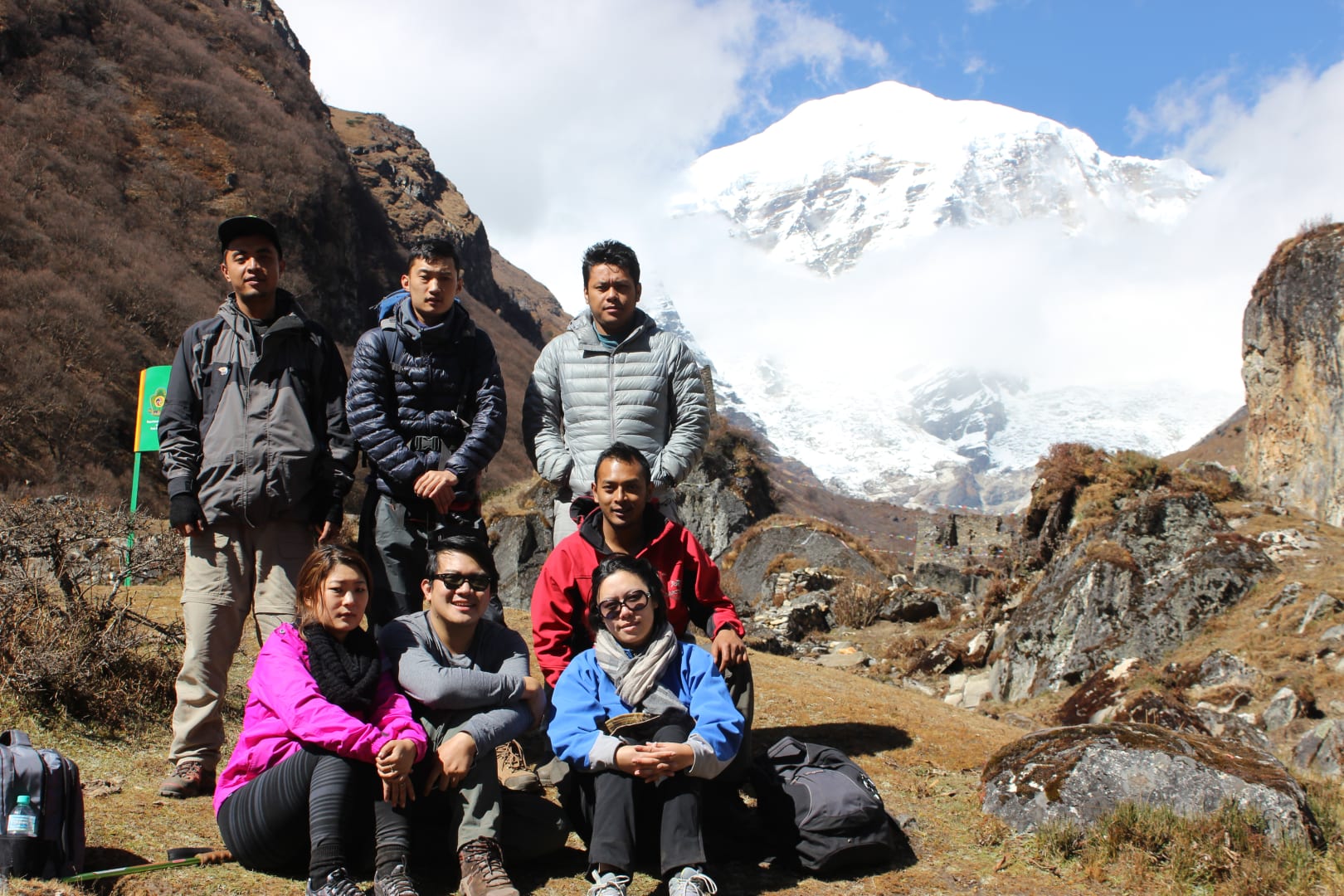
The Snowman Trek is widely considered one of the most difficult treks in the world, and for good reason. The statistics are daunting: over two hundred sixteen kilometers of walking spanning twenty-five to thirty days. The highest pass, Gangla Karchung La, reaches five thousand two hundred thirty meters or nearly seventeen thousand two hundred feet. Eleven passes exceed four thousand five hundred meters. The difficulty is rated as extremely strenuous, and the success rate hovers around fifty percent as many trekkers turn back due to altitude or weather.
The route unfolds in stages that progressively remove you from the modern world. Days one through three cover the distance from Paro to Shana to Soi Thangthangkha, an easy start with gradual ascent through forests, rivers, and camping terrain. Days four through six reach Jangothang and Lingshi, crossing Nye La La at four thousand eight hundred ninety meters and revealing first views of sacred Mount Jomolhari. Days seven through nine continue through Chebisa, Shomuthang, and Robluthang, with multiple high passes and isolated campsites that feel increasingly removed from civilization.
Days ten through thirteen bring you to Limithang and Laya, where you reach the famous Layap village known for its unique culture. A rest day here is recommended to acclimatize before continuing. Days fourteen through seventeen proceed through Rodophu, Narethang, and Tarina as you approach the Lunana region and get progressively more remote. Days eighteen through twenty represent the climax of the trek as you reach Woche, Lhedi, and Thanza—the actual Lunana valley. This is the cultural highlight of the trek, where all your preparation and effort culminate in genuine human connection.
Days twenty-one through thirty offer return via a different route or continuation to Bumthang, the choice yours depending on time, energy, and weather.
What makes the Snowman Trek so difficult? The extreme altitude is the primary factor—most of the trek is above four thousand meters, where oxygen is scarce and every movement requires effort. The length is punishing—nearly a month of continuous trekking tests even the fittest adventurers. The terrain offers no escape routes and no helicopters for rescue when weather turns bad. The weather is unpredictable, with snow possible any month at high altitude. The physical demands are intense—demanding days, steep climbs, and rough terrain. And perhaps most challenging is the mental strain—isolation and basic conditions for nearly a month test the mind as much as the body.
Preparation: Getting Ready for Lunana
Physical preparation should begin four to six months minimum, and longer if possible. Cardiovascular fitness is essential and should include long-distance running building up to fifteen to twenty kilometers, hiking with ten to fifteen kilogram packs weekly, stair climbing with one thousand or more steps per session, cycling for endurance, and swimming for a full-body workout that’s low impact.
Your training schedule should be structured. Four months out, aim for three to four workouts per week. Three months out, increase to four to five workouts plus a weekend hike with weight. Two months out, push to five or six workouts per week plus weekend hiking with a pack. One month out, peak your training and then taper the final week so your body is rested and ready when you arrive.
Strength training complements cardio preparation. Legs need squats, lunges, and step-ups for the climbing ahead. Core work including planks and Russian twists provides stability for heavy pack carrying. Back exercises like rows and deadlifts prepare you for the weight you’ll carry. Flexibility through yoga and stretching helps prevent injuries.
Mental preparation is equally important. Ask yourself honestly: can I go twenty-five plus days without a hot shower? Am I okay with basic toilet facilities or none at all? Can I handle being away from all communication? Am I comfortable with extreme isolation? Can I handle not knowing if or when I’ll finish? Your answers determine your readiness. Mental strategies include breaking the trek down—focus on today, not the whole month ahead. Accept discomfort as temporary. Embrace the challenge as a once-in-a-lifetime experience. And trust your guide—they know the route and conditions better than anyone.
Gear for a trek of this magnitude must be chosen carefully. A seventy to ninety liter backpack that fits well and has been broken in is essential. A sleeping bag rated to minus twenty degrees comfort—down recommended—provides critical warmth. An insulated sleeping pad with R-value four plus ensures you don’t lose heat to the ground. A four-season sturdy tent or your operator’s tents provide shelter. Waterproof boots broken in before arrival cannot be overstated. Adjustable trekking poles are strongly recommended. A full layering system of clothing handles extreme conditions. A headlamp with extra batteries lights long winter nights. Water purification through filter plus tablets treats glacial melt water. And a comprehensive first aid kit including Diamox for altitude sickness addresses medical needs.
Clothing for extreme cold requires specific attention. Base layers should be merino wool—two sets minimum. Mid layers include fleece jacket and synthetic pants. Outer layers consist of hard shell jacket and pants. Insulation requires a down jacket rated to minus ten degrees. Extremities need warm hat, gloves, and two pairs of socks. Special cold weather items include down pants for camp, a balaclava for extreme conditions, goggles for snow and wind, and chemical hand and foot warmers for emergency warmth.
Health preparation before you go should be thorough. A medical checkup including full physical with heart and lung function ensures you’re fit for the challenge. A dental checkup is essential because dental problems become emergencies in remote locations. Vaccinations including Hepatitis A, Typhoid, and routine boosters protect against preventable illness. Bring extra medications for any prescriptions you take.
Altitude medications should be discussed with your doctor before departure. Diamox or Acetazolamide helps prevent altitude sickness. Nifedipine treats HAPE or high altitude pulmonary edema. Dexamethasone addresses HACE or high altitude cerebral edema. Ibuprofen manages headaches and aches. Your first aid kit should include comprehensive wound care, blister treatment with moleskin and second skin, broad spectrum antibiotics, water purification, rehydration salts, altitude medication, and pain relievers. Note that your guide should have most of this, but always carry your own backup.
Choosing the right tour operator is a critical decision that can make or break your experience. Not all operators are equipped for the Snowman Trek. Look for operators with multiple Snowman Trek completions, safety records you can verify, experienced guides, cooks, and support teams, quality equipment including tents, sleeping bags, and food, an emergency plan with satellite phone and evacuation protocols, and insurance covering high-altitude trekking. Recommended operators for research include Bhutan Travel Agency, Snowman Treks, Experience Bhutan, and Bhutan Homestay. Questions to ask include how many Snowman Treks you’ve led, your success rate, your emergency evacuation plan, what equipment you provide, maximum group size, and guide and cook experience levels. Expect to pay eight to fifteen thousand dollars per person for a twenty-five to thirty day all-inclusive trek.
You must have travel insurance that covers trekking above five thousand meters, helicopter evacuation when available, medical treatment in remote areas, trip cancellation and interruption, and emergency repatriation. Providers like World Nomads, IMG, and Battlefail offer coverage—verify specifics for your itinerary.
What to Expect on the Trek
The daily routine on the Snowman Trek follows a predictable rhythm. Wake at 6 AM with hot tea delivered to your tent. Breakfast at 7 AM includes porridge, eggs, toast, tea, and coffee. Start trekking at 8 AM. Take a short break at 10 AM with tea and snacks. Lunch at 12:30 is often packed—sandwiches, fruit, and nuts. Continue trekking at 2 PM. Arrive at camp between 4 and 6 PM. Dinner in the dining tent at 6 PM. Bed at 8 PM or earlier in remote areas.
Meals on trek provide essential fuel. Breakfast includes porridge, eggs, toast, tea, and coffee. Lunch is packed with sandwiches, fruit, and nuts. Dinner covers rice or noodles, dal, vegetables, and meat. Snacks include energy bars, dried fruit, and nuts. Food gets simpler as you get more remote, so pack favorite snacks as the trek progresses.
Accommodation is entirely tent-based. Sleeping arrangements are two-person tents, or solo if you pay extra. A large dining tent with tables and chairs provides the communal space. Toilet tents offer basic facilities. A bowl of hot water for washing is provided morning and evening. Showers don’t exist—except through wet wipes and determination. In villages like Lunana and Laya, basic homestays or guesthouses with wooden floors, simple bedding, and shared facilities offer a cultural highlight of the trek.
Weather expectations depend on season. September through October, the optimal trekking season, offers September temperatures of ten to fifteen degrees Celsius during the day and minus five to zero degrees at night, with clear conditions and some early rain. October brings eight to thirteen degrees during the day and minus eight to minus two at night with generally clear conditions. November sees five to ten degrees during the day and minus twelve to minus five at night with clear but very cold conditions. Weather challenges include snow possible any month at high altitude, very strong winds on passes, intense sun at altitude, and altitude making weather feel more extreme.
Physical challenges accumulate over the trek. You’ll feel breathless even at rest at high altitude. Tiredness becomes constant—every day is demanding. Cold mornings and evenings are inescapable. Basic conditions mean no hot showers and basic toilets. Isolation is absolute—no escape, no quick exit. The hardest parts include the first few days as your body acclimatizes to altitude, high passes like Gangla Karchung La at five thousand two hundred thirty meters, and days fifteen through twenty when mental fatigue sets in. Bad weather makes everything more difficult.
Cultural highlights provide emotional rewards that balance the physical challenges. A Lunana Village visit during days eighteen through twenty might include visiting local homes if invited, seeing the monastery in Thanza, meeting school children at the small school in Lhedi, learning about yak herding from local herders, and trying traditional food like yak cheese and butter tea. Laya Village around day seventeen features famous traditional dress, friendly people, cultural exchange with Layap people, and possibly hot springs if weather and time permit. Special permission may be needed for some remote villages—your operator arranges these in advance. Always respect local customs and ask before photographing.
Wildlife and nature provide constant companionship. Blue sheep or bharal are commonly sighted in the Lingshi area, these sure-footed creatures grazing on steep slopes. Himalayan tahr, wild goats, are also present. Snow leopards are extremely rare but tracks might be seen if you’re exceptionally fortunate. Himalayan black bears inhabit lower elevations. Golden eagles and lammergeier or bearded vultures soar on thermals. Yaks are everywhere in Lunana. Marmots and pikas provide small moments of joy with their whistling and scampering.
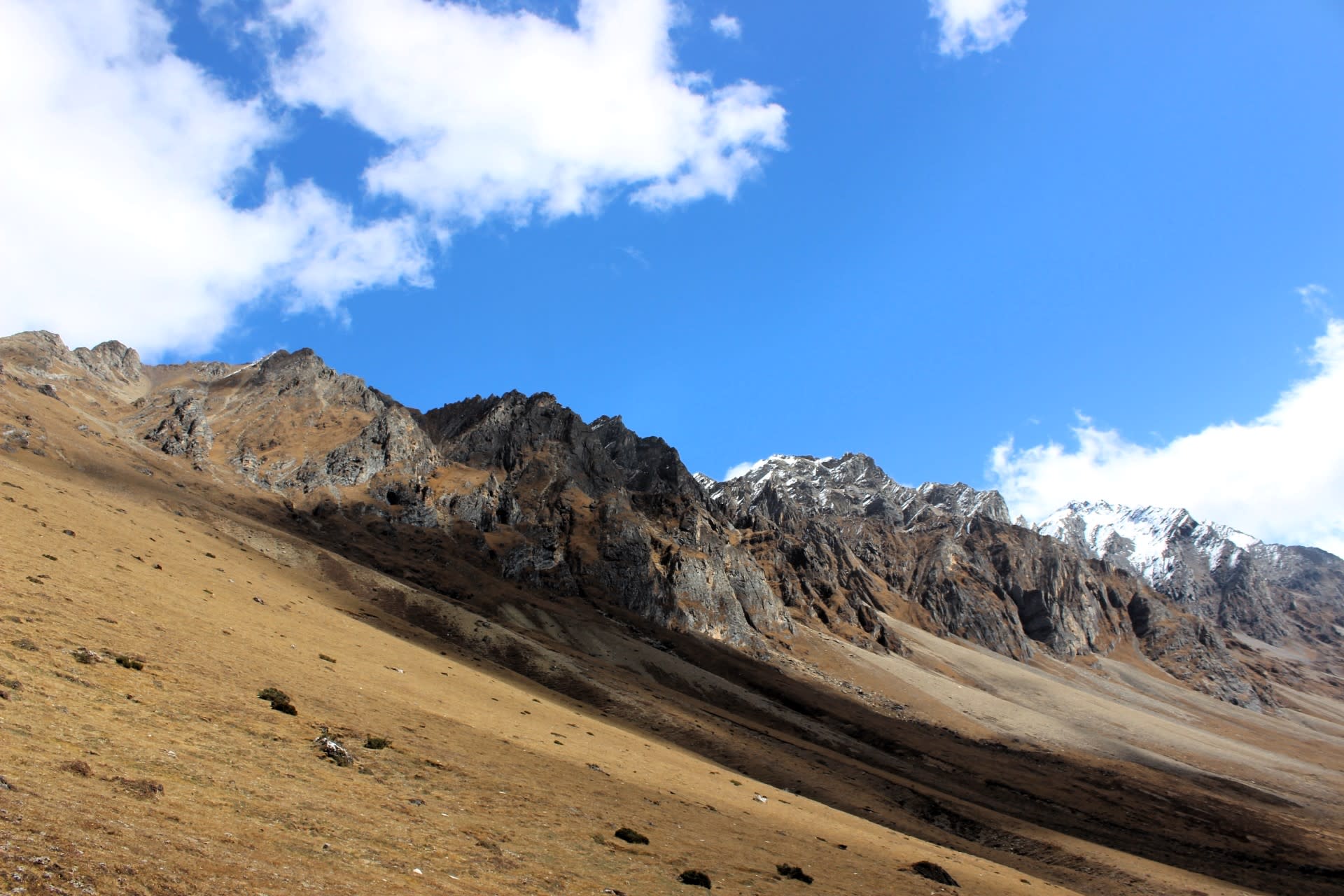
Flora changes with elevation. Rhododendrons are ending their September blooming season. Blue poppies, Bhutan’s national flower, are rare but possible to find. Alpine meadows stretch endlessly. Glaciers and glacial lakes create landscapes of extraordinary beauty.
Communication is effectively non-existent. Expect no cell service except possibly in Laya or Lunana if you’re lucky. No internet means total disconnection. A satellite phone travels with your guide for emergencies only. This disconnection is part of the experience—embrace it rather than fighting against it.
Is This Trek Right for You?
The ideal candidate for the Snowman Trek has previous high-altitude trekking experience, excellent physical fitness, mental resilience, comfort with basic conditions, respect for local culture, flexibility with plans because weather and altitude dictate everything, four to six weeks available, and willingness to turn back if conditions become dangerous.
This trek is not for you if you have no high-altitude experience, if this is your first trek, if you need hot showers and comfortable facilities, if you must stay connected, if you’re not willing to turn back if needed, or if you have limited time that cannot accommodate weather delays.
Conclusion: The Journey of a Lifetime
Reaching Lunana via the Snowman Trek is one of the world’s great adventures. It will challenge you physically, mentally, and emotionally. You’ll experience landscapes and cultures that few people ever see. It’s not easy. It’s not comfortable. But for the right person, there’s nothing else like it on Earth.
The people of Lunana still live as they have for centuries, in one of the most remote and beautiful places on the planet. Visiting them is a privilege that will change how you see the world. The experience stays with you long after you’ve returned home, a reminder that some rhythms transcend modern concerns and that wisdom sometimes resides in the most unexpected places.
Final Note: If you’re considering this trek, start preparing now. Physical fitness, mental preparation, and choosing the right operator are critical. And remember: the mountain will always be there another day. If you need to turn back, that’s okay. The real goal is coming home safely.