Things to Do in Bhutan: Top Experiences & Activities
After guiding travelers through Bhutan for over twenty years, I’ve learned that this Himalayan kingdom offers experiences found nowhere else on Earth. From sacred cliffside monasteries to ancient festivals that feel unchanged since the 17th century, Bhutan will touch your soul in ways you never expected.
Whether you have five days or three weeks, these experiences belong on every Bhutan bucket list.
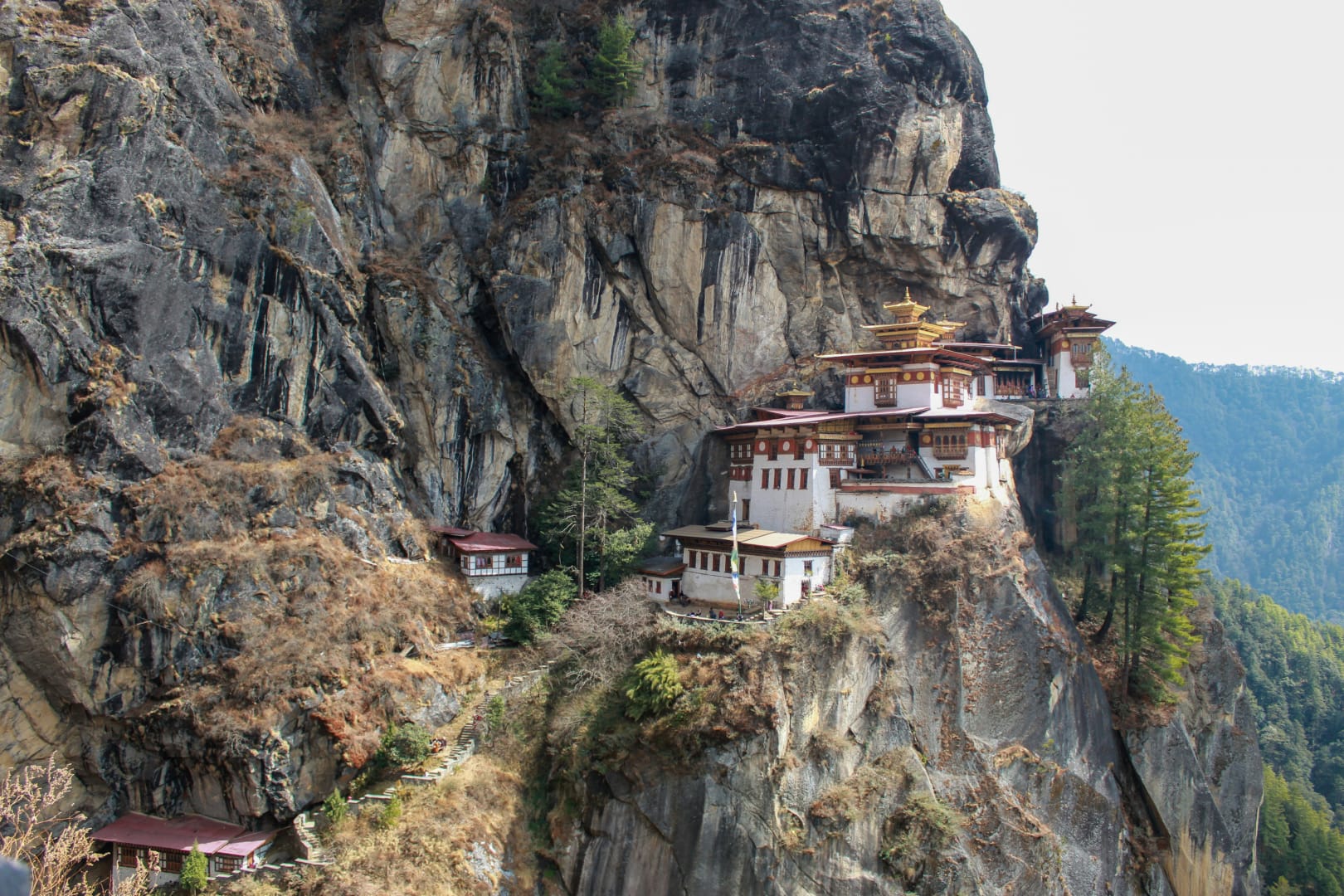
Hike to Tiger’s Nest Monastery
No Bhutan journey is complete without visiting Tiger’s Nest, the sacred monastery that clings to a cliff three thousand meters above sea level. Guru Rinpoche meditated here for three years, arriving on the back of a flying tigress according to legend.
The hike takes four to five hours round trip, a moderate climb that challenges while remaining achievable for most visitors. Prayer flags line the winding path upward. Mountain spring water offers refreshment along the way. The sacred cave where Guru Rinpoche himself meditated awaits at the summit. Breathtaking views of Paro valley unfold with every switchback.
Hire a pony for the first uphill section if needed—available for a small fee. Carry water and snacks. Wear comfortable hiking shoes with good grip. Take your time, for this is not a race. Tiger’s Nest is more than a photo opportunity—it is a spiritual pilgrimage, and as you climb you will understand why Bhutanese have made this journey for centuries.
Attend a Tshechu Festival
Tshechus are religious festivals that commemorate Guru Rinpoche’s deeds through masked cham dances. These are not performances for tourists but sacred rituals offering blessings to all who witness them.
The festivals span two to five days depending on the location. The Paro Tshechu in spring attracts the most visitors, while the Thimphu Tshechu in autumn draws the largest crowds. The Punakha Tshechu, held in the magnificent dzong courtyard, offers perhaps the most unique setting.
You will see elaborate brocade costumes and ancient masked dances that tell stories through movement. The unfurling of the giant thongdrel, a sacred scroll believed to confer liberation merely by viewing it, remains a highlight. Locals dress in their finest ghos and kiras, creating a spectacle of color and grace.
Plan your trip around a festival and book at least six months ahead. Arrive early for good viewing spots. Join the locals for lunch, picnicking on the dzong grounds. Respect the sacred nature by sitting quietly during dances.
Explore Punakha Dzong
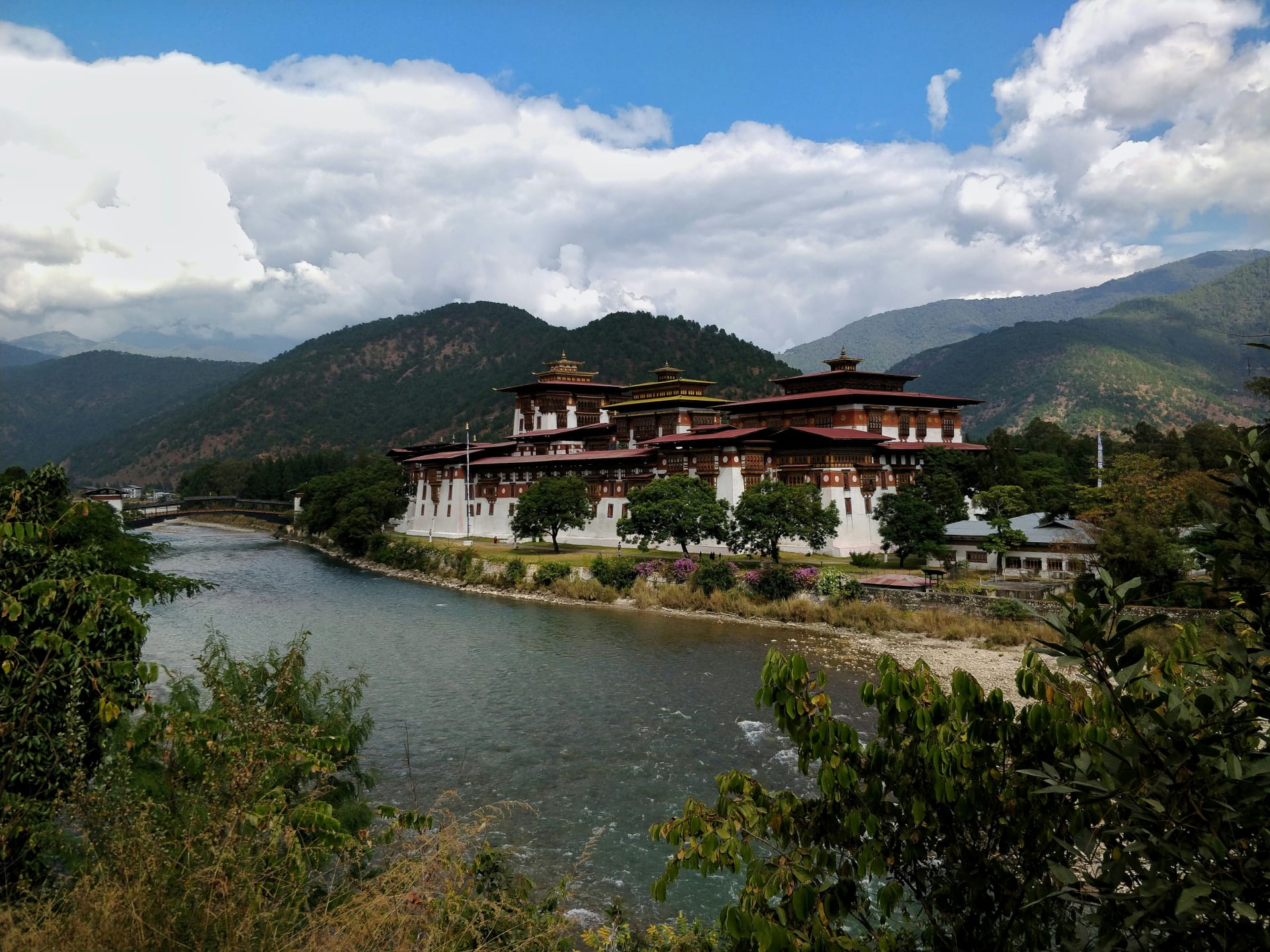
Punakha Dzong, known as the Palace of Great Happiness, is widely considered the most beautiful dzong in Bhutan. Situated at the confluence of two rivers with the Himalayas as backdrop, it becomes magical at golden hour.
Visit in late afternoon for the best light. The elaborately painted murals depict Buddhist history and mythology. Sacred relics including Guru Rinpoche’s remains rest within. The coronation hall of Bhutan’s first king stands as a testament to royal history. Beautiful wooden bridges span the rivers below.
For photographers, cross the suspension bridge for the classic dzong reflection shot. The best light arrives thirty minutes before sunset.
Visit the Giant Buddha Dordenma
The world’s largest sitting Buddha at one hundred and seventy-seven feet tall overlooks Thimphu valley from a mountaintop. Inside are 125,000 smaller Buddha statues—this is a place of profound peace.
Sunrise or sunset offers dramatic valley views. The meditation room inside the statue provides space for quiet reflection. The kuti, or hermitage, houses monks who meditate in caves carved into the mountainside. The panoramic viewpoint behind the statue rewards with sweeping vistas. Prayer flags flutter in the wind, carrying blessings across the valley.
Unlike many tourist attractions, this remains an active spiritual site where locals circumambulate the statue in devotion.
Soak in a Traditional Hot Stone Bath
After days of hiking, nothing beats a traditional Bhutanese hot stone bath. River stones are heated in a wood fire until glowing, then placed in a wooden tub filled with water and medicinal herbs.
The experience lasts one to two hours. It relieves muscle aches and joint pain while improving circulation. The treatment promotes deep relaxation and detoxification. Most hotels and guesthouses offer this service, but book in advance since preparation takes two to three hours.
Try it after the Tiger’s Nest hike for pure bliss. Add Artemisia leaves for traditional healing properties. Soak for at least forty-five minutes to receive full benefit.
Trek to Remote Villages
For adventurous travelers, treks to remote villages offer glimpses into Bhutan’s highlander culture. The trek to Laya village at 3,800 meters reveals a world where time moves differently.
The journey takes five to seven days from Punakha through challenging high-altitude terrain. Dramatic mountain scenery unfolds daily. Glacial lakes reflect snow-capped peaks. Yaks and yak herders tend to animals as they have for centuries. The Layap people possess a distinct culture, language, and dress including conical bamboo hats.
April through May and September through October offer the best conditions for these challenging treks.
Witness Black-Necked Cranes
Each winter, endangered black-necked cranes migrate from Tibet to Bhutan’s Phobjikha Valley. Watching these sacred birds arrive—circumambulating the monastery three times before landing—feels deeply moving.
November through February provides the viewing window. Gangtey Valley in central Bhutan hosts these visitors. The Black-Necked Crane Festival on November 11 celebrates their arrival.
These cranes are considered heavenly birds in Bhutan. They mate for life, and Bhutan protects them rigorously—killing one is a serious offense. Only about 11,000 remain in the wild, making each sighting precious.
Cross Suspension Bridges
Bhutan’s suspension bridges span rivers with precarious charm. Wangditse Bridge, at 180 meters, ranks as Bhutan’s longest. The span crosses the Thimphu Chhu river, connecting Wangditse Goemba to the city.
Walking across provides both thrill and scenery. The bridge reaches sixty meters above the river. The slight sway adds adrenaline to the experience, though the structure remains completely safe.
Visit the National Memorial Chorten
This prominent stupa in central Thimphu was built in 1974 in memory of the third king. Unlike most sacred sites, this chorten welcomes both Buddhists and non-Buddhists.
Early morning or late afternoon offer the best atmosphere. Older locals circumambulate the chorten in devotion. People spin prayer wheels as they walk. Offerings of butter lamps and incense fill the air with scent. Monks and nuns practice with deep focus.
Sit quietly and observe. You will see Bhutanese spirituality in its purest form—elderly people praying, children learning traditions, and the constant murmur of sacred mantras.
Try Archery
Archery is not just a sport in Bhutan—it is a passion. Every weekend, men gather at archery ranges to compete, taunt opponents with songs, and celebrate with traditional victory dances.
Traditional bamboo bows or modern compound bows are used. Cheerleaders sing teasing songs that mock opponents’ skills. Opponents perform victory dances near the target when they hit. The festive atmosphere often includes local arra, or rice wine.
Ask your guide to arrange a visit to a local archery range. Even if you do not play, watching a tournament provides incredible entertainment. The teasing songs and dance rituals remain unique to Bhutanese archery.
Learn Traditional Weaving
Bhutanese textiles enjoy world renown for intricate patterns and deep cultural symbolism. Learn from master weavers in villages like Khoma, famous for silk weaving, or Radi, known for raw silk.
A half-day to full-day workshop introduces traditional backstrap loom techniques. You will learn natural dye preparation and pattern meanings and symbolism. You will discover how long each textile takes—months for complex pieces.
Take home your own small weaving sample or purchase a beautiful textile directly from the weaver.
Visit Chimi Lhakhang
This 15th-century temple dedicated to the Divine Madman, Lama Drukpa Kunley, is believed to bless couples with fertility. The site is colorful, lighthearted, and uniquely Bhutanese.
A short walk through rice fields near Punakha leads to the temple. Phallic symbols painted on houses ward off evil spirits. Devout couples receive blessings from the monk. The lama’s original staff and relics remain on display.
The Divine Madman used outrageous behavior and humor to teach Buddhism. He is beloved in Bhutan for his unconventional wisdom, which reminds us that enlightenment need not be solemn.
Take a Cooking Class
Learn to cook authentic dishes like ema datshi, kewa datshi, and momos with a local chef. The three to four hour experience introduces Bhutan’s culinary traditions.
You will prepare ema datshi, the national dish. You will cook red rice. You will make momos with dipping sauce. You will prepare suja, the butter tea that warms mornings. You will create Bhutanese tea snacks.
Wear comfortable clothes since you will be standing. Bring an appetite—you will eat everything you make. Ask about spice levels, for Bhutanese like their food hot.
Explore Traditional Villages
Ura, in central Bhutan’s Bumthang region, ranks among the most beautiful and well-preserved traditional villages. Cobblestone streets wind between wooden houses. Friendly locals welcome visitors with genuine warmth.
Late April brings the Ura Yakchoe festival. Autumn offers clear mountain views. Traditional architecture has been carefully preserved. Wool weaving demonstrations reveal ancient techniques. Local cheese tasting introduces regional flavors. Hiking to nearby hermitages provides mountain views and spiritual connection.
Hike to Tango Monastery
This 12th-century monastery perched on a cliff serves as a training center for Buddhist studies. It is peaceful, powerful, and offers stunning valley views.
The hike takes two to three hours round trip. The moderate uphill climb passes through pine forests lined with prayer flags. Meditation dots the mountainside. Young monks engage in debate and study. Spectacular Thimphu valley views unfold from the monastery. A deep sense of peace pervades the site.
Visit in late afternoon when fewer tourists are around. The monastery becomes particularly magical at golden hour.
Visit the Folk Heritage Museum
This restored 19th-century house in Thimphu shows how traditional Bhutanese families lived. It is authentic, educational, and beautifully preserved.
The traditional kitchen contains a wood-fired stove. The altar room served for daily worship. Textiles and household artifacts reveal daily life. Traditional grain storage methods demonstrate ingenuity.
The museum restaurant serves traditional Bhutanese set meals in a beautiful old house—the perfect way to complete the experience.
Cross High Mountain Passes
Chele La Pass, at 3,988 meters, offers spectacular views of both Paro and Haa valleys. On a clear day, Mount Jomolhari at 7,326 meters dominates the horizon.
The drive from Paro takes 1.5 hours each way. Early morning provides the clearest views. Mountain vistas stretch endlessly. Prayer flags cover the pass in waves of color. Rhododendron forests bloom spectacularly in April and May. The descent into Haa Valley reveals beautiful rural Bhutan.
The pass is covered in prayer flags. Frame your shots with them for classic Bhutan imagery.
Shop at the Weekend Market
Every Saturday and Sunday, Thimphu’s weekend market comes alive with farmers, artisans, and locals selling everything from fresh produce to handicrafts.
Saturday and Sunday mornings from eight to eleven offer the best selection and atmosphere. Handwoven textiles make beautiful souvenirs. Traditional wooden bowls called dapa serve both practical and decorative purposes. Paper products made from de-sho paper provide unique gifts. Hand-carved masks carry cultural significance. Local honey and spices bring flavors home.
This is where locals shop, so prices remain reasonable. Bring cash in Ngultrum and know that bargaining is expected for handicrafts.
Meditate in a Cave Monastery
Bhutan has many cave monasteries where monks have meditated for centuries. Ask your guide to arrange a meditation session in one.
Tango, Cheri, or Phajoding monasteries offer this experience. Thirty minutes to two hours allows for meaningful practice. Silent meditation in a sacred space transforms. Instruction from a monk is available upon request. A profound sense of peace settles over you. Connection to centuries of practice becomes tangible.
Even ten minutes of silent meditation in these caves can be transformative. Do not worry about technique—just sit and breathe.
Stay in a Traditional Farmhouse
Spend a night in a traditional farmhouse to experience genuine rural Bhutanese hospitality. These family-run guesthouses offer warm meals, cozy rooms, and cultural immersion.
A traditional bukhari wood stove provides heating. Home-cooked Bhutanese meals nourish body and spirit. Warm family hospitality welcomes you like family. Farm activities vary by season—planting, harvesting, caring for animals. Evening stories and butter tea end the day perfectly.
Paro valley, Punakha rice-farming villages, and Bumthang rural communities all offer excellent farmhouse stays.
Combining Experiences
For first-time visitors with seven to ten days, prioritize the essentials. The Tiger’s Nest hike cannot be missed. Time your visit with the Paro Tshechu if possible. Punakha Dzong rewards with beauty and history. Buddha Dordenma offers modern spirituality. A traditional hot stone bath soothes tired muscles. The Folk Heritage Museum provides cultural context. The weekend market reveals local life if your visit falls on a weekend.
Cultural enthusiasts with ten to fourteen days can add Chimi Lhakhang for its unique traditions, multiple dzongs for architectural appreciation, a traditional village stay for immersion, a cooking class for culinary education, textile weaving demonstrations for artistic appreciation, and local archery tournaments for community connection.
Adventure seekers with fourteen days or more should consider the Laya-Gasa trek, Chele La pass crossing, high-altitude monastery hikes, and camping in remote valleys.
Practical Tips
Dress modestly for temples and dzongs—cover shoulders and knees. Wear your best clothes for festivals. For trekking, bring layers, comfortable shoes, and rain gear.
Walk clockwise around chortens and stupas. Remove hats and shoes before entering temples. Ask permission before photographing monks or ceremonies. Accept tea and food when offered—it is impolite to refuse.
| Experience | Best Season |
|---|---|
| Tiger’s Nest | March-May, September-November |
| Festivals | February-May, September-November |
| Trekking | March-May, September-November |
| Black-necked cranes | November-February |
| Village stays | Year-round (avoid monsoon hikes) |
Hire a knowledgeable guide who transforms sightseeing into storytelling. They will explain the meaning behind rituals and symbols, introduce you to locals, take you to hidden gems, and handle logistics seamlessly.
Travel slowly. Bhutan is not a place to rush. Spend two to three nights in each location. Embrace the unexpected—roads may be blocked by yaks or festivals, monasteries may close unexpectedly for ceremonies, weather can change plans quickly. The unexpected moments often become the best memories.
Bhutan is not just another travel destination—it is a place that changes you. The experiences described above are more than activities. They are gateways into understanding a culture that prioritizes happiness, compassion, and preservation over progress at any cost.
Whether you are meditating in a cave monastery, dancing at a festival, or simply sipping butter tea with a village family, you will leave Bhutan with more than photos. You will leave with a new perspective on what matters in life.
The true magic of Bhutan lies not in what you see, but in what you feel.