

Travel Tips
Altitude and Acclimatization in Bhutan
Most cultural itineraries stay around 1,200–3,100m—manageable for many travellers if you hydrate, pace Tiger’s Nest, and sleep a night in Paro before big climbs; multi-day high treks need slower plans and honest fitness.
Most cultural itineraries stay around 1,200–3,100m—manageable for many travellers if you hydrate, pace Tiger’s Nest, and sleep a night in Paro before big climbs; multi-day high treks need slower plans and honest fitness.
In this story
A festival stay is about USD 1,100 per person. Ten private days for two is about USD 2,600–2,700 per person. The fee is included.
Most cultural itineraries stay around 1,200–3,100m—manageable for many travellers if you hydrate, pace Tiger’s Nest, and sleep a night in Paro before big climbs; multi-day high treks need slower plans and honest fitness.
Altitude in Bhutan is real—but it is also misunderstood. Guests often fear Everest numbers when their trip is mostly valley culture with one memorable hike. Here is the practical map we use when planning.
Elevations you will actually meet
| Place | Approx. elevation | Notes |
|---|---|---|
| Punakha | ~1,200m | Often the “easiest breathing” valley on a classic loop |
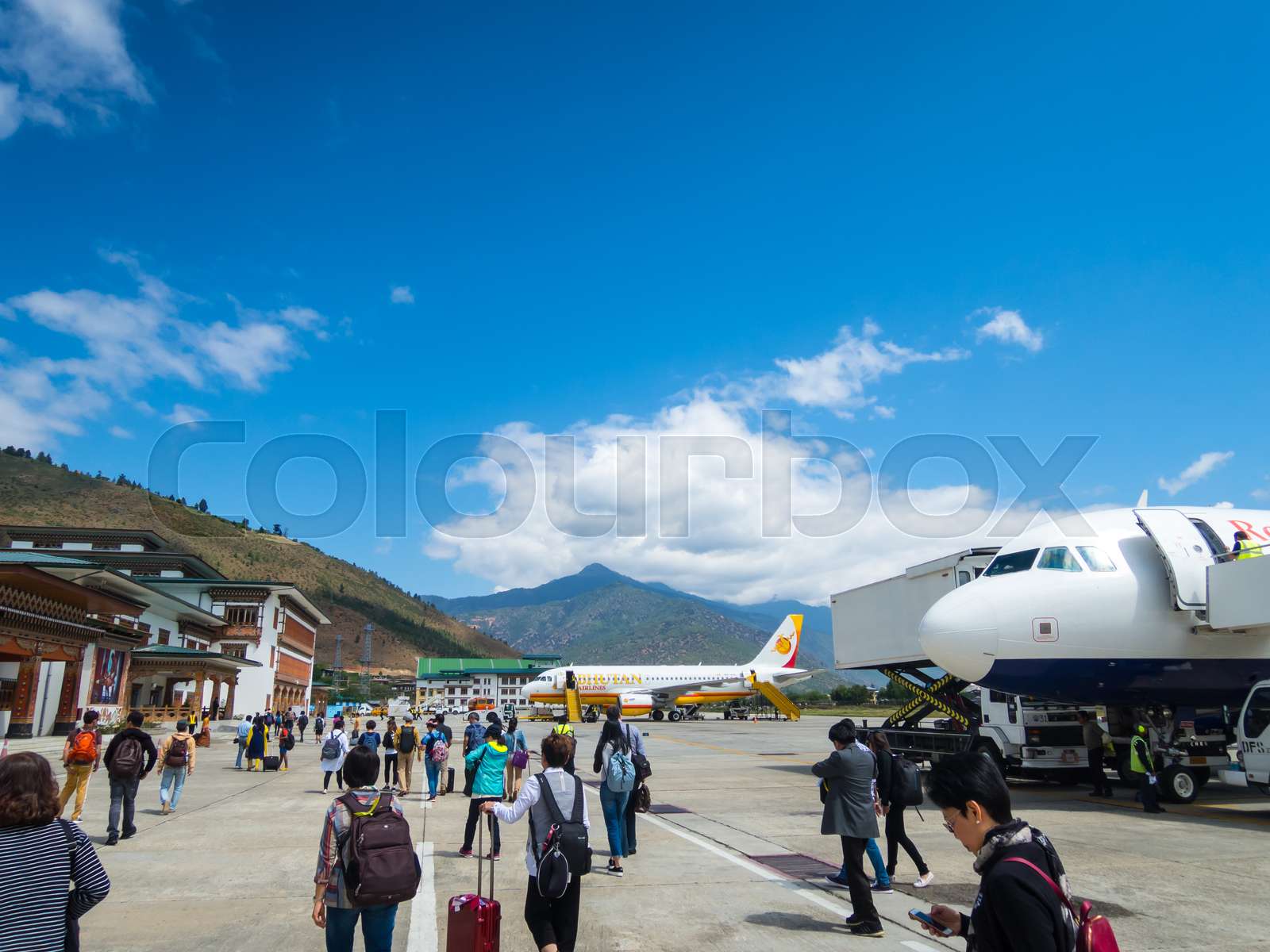
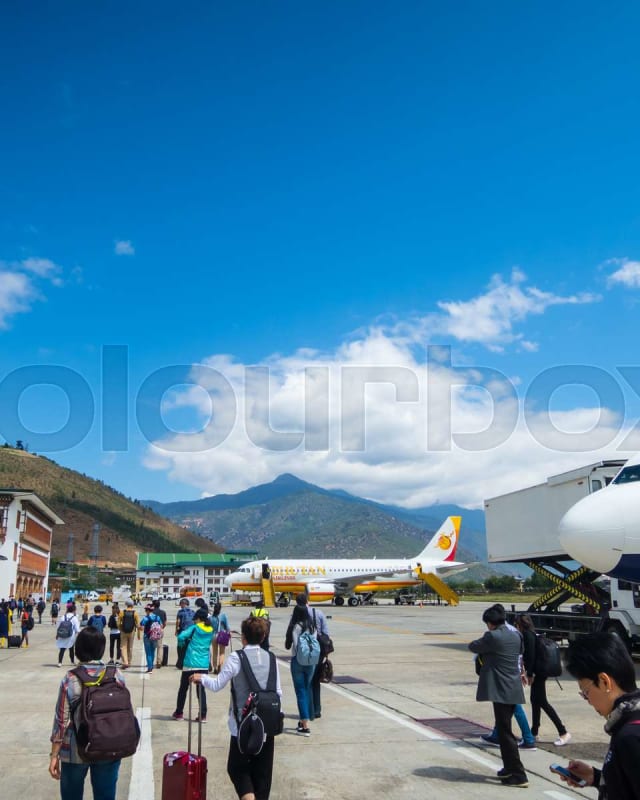
| Paro | ~2,200m | Airport and first hotel nights |
| Thimphu | ~2,300m | Capital days, light walks |
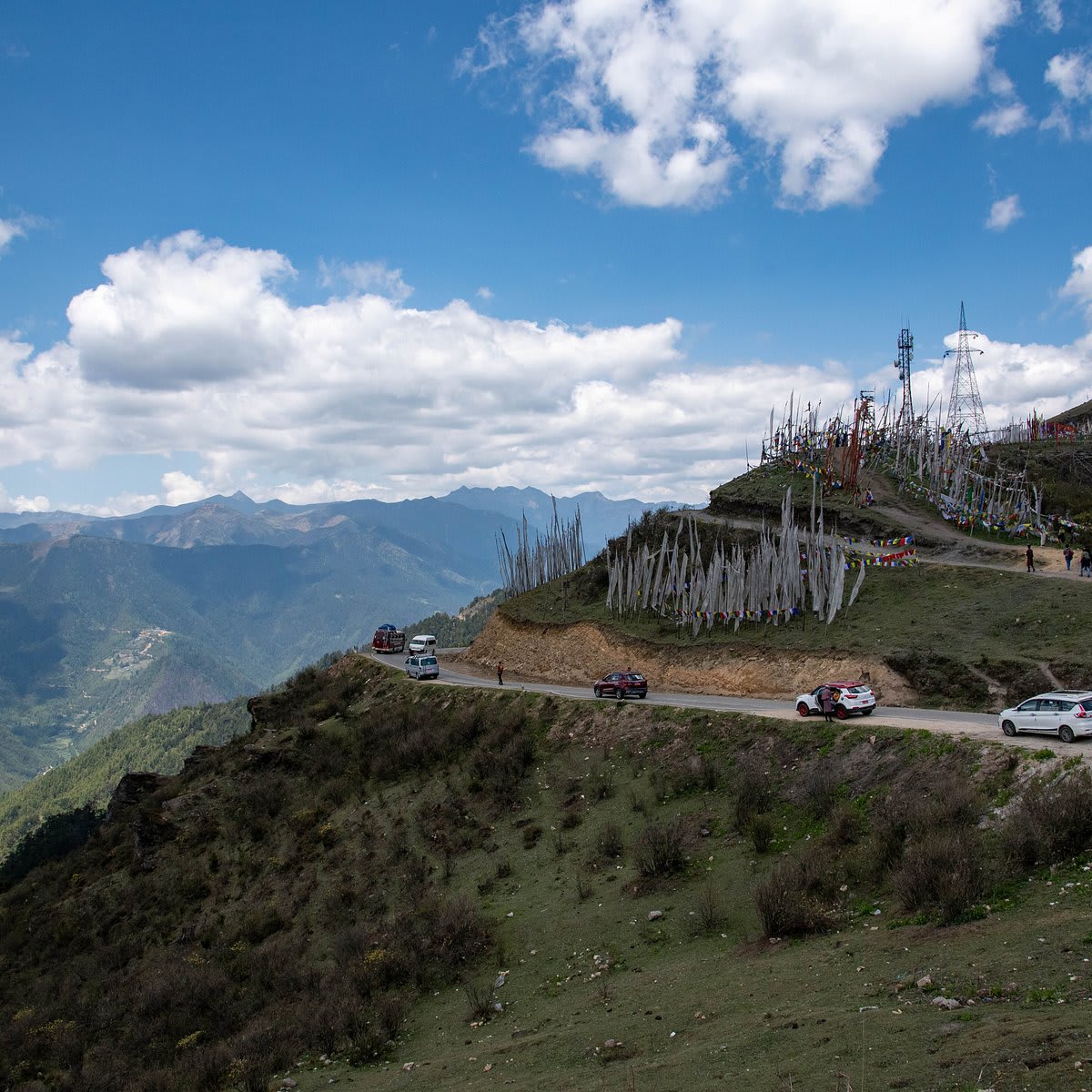
| Dochu La | ~3,100m | Pass stop—short exposure |
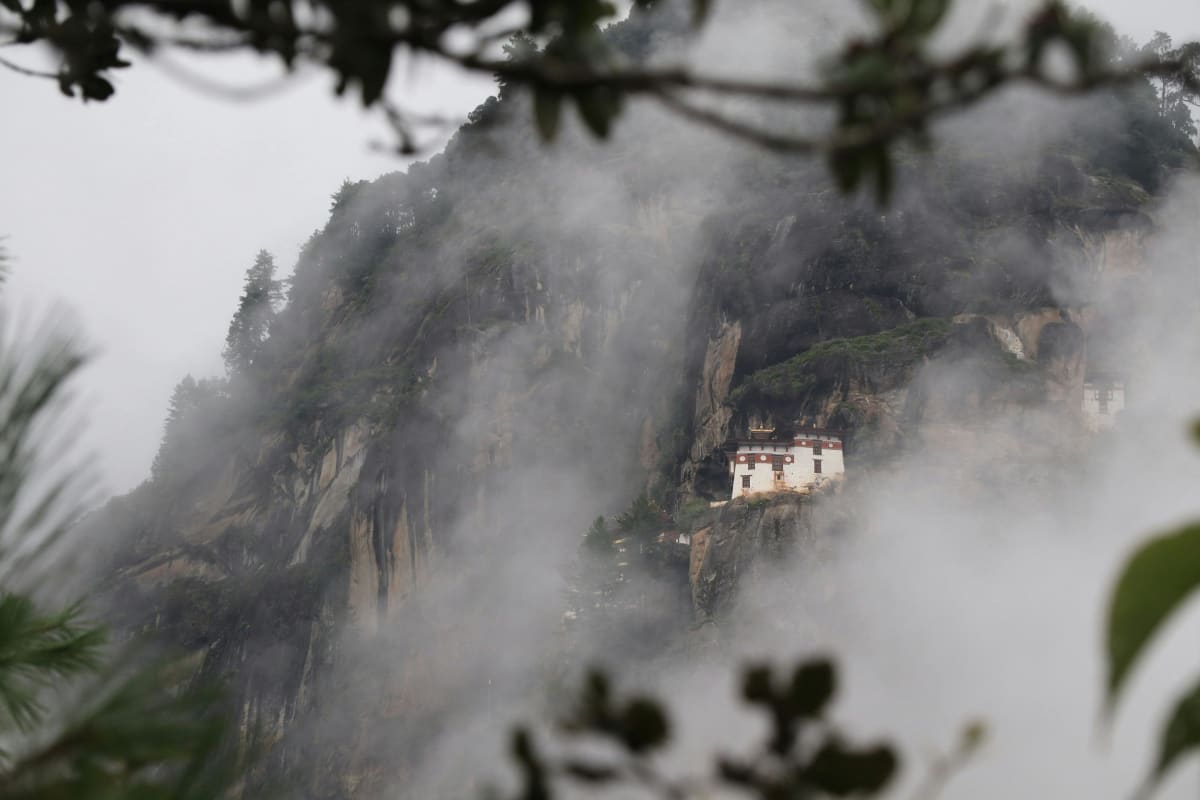
| Tiger’s Nest | ~3,120m | Hike effort + height |
| Chele La | ~3,800m+ | Day excursion; dress warm |
| High treks (Jomolhari, etc.) | much higher | Separate planning from cultural tours |
Figures are rounded for travellers, not a survey marker list. Your guide paces the day to the road and weather in front of you.
Cultural trip vs trek
On a Classic Cultural Journey, most nights are in valley hotels. The biggest combined stress is usually Tiger’s Nest: elevation gain plus stairs and sun. Read the Tiger’s Nest trek guide for timing, ponies, and packing.
On Jomolhari, Druk Path, or other high routes, acclimatization is the itinerary—not an afterthought. We build rest and “climb high, sleep lower” logic into those products on purpose.
Acclimatization habits that help
- Sleep in Paro before Tiger’s Nest when the schedule allows.
- Drink water steadily; valley air is dry.
- Go slow on day one—skip a victory hike from the airport.
- Limit alcohol the first 24–48 hours.
- Layer clothing so you do not overheat and dehydrate on climbs.
- Tell your guide early about headache, unusual fatigue, or poor sleep.
These are travel habits, not medical treatment.
Warning signs—take them seriously
Mild: short breath on stairs, light headache, poor sleep the first night—common.
Escalate with your guide if you see: worsening headache, vomiting, confusion, severe breathlessness at rest, or symptoms that intensify instead of easing after rest.
Descent and medical care beat “pushing through” for a photo. Bhutan’s clinics outside main towns are limited—travel insurance with evacuation cover matters. See visa and trip prep.
How Silverpine paces first-timers
We prefer arrival → gentle Paro evening → cultural day or rest → Tiger’s Nest, rather than summiting the same afternoon you land. Families, elders, and guests coming from sea level get itineraries with shorter driving days and honest hike options (partial climb, pony assist, or viewpoint turnaround).
Ask for a altitude-aware plan on plan my trip, or start from the Tiger’s Nest pilgrimage trek if that hike is your main goal.
Related guides
Frequently asked questions
Most cultural itineraries stay around 1,200–3,100m—manageable for many travellers if you hydrate, pace Tiger’s Nest, and sleep a night in Paro before big climbs; multi-day high treks need slower plans and honest fitness.
- How high is Paro Airport?
- Paro sits roughly around 2,200m. Many guests feel fine on arrival; some notice light breathlessness on stairs the first evening. That is common—not automatically dangerous.
- How high is Tiger’s Nest?
- The monastery sits about 3,120m, with the hike starting near Paro valley elevation. We usually schedule it after at least one night in Paro when the itinerary allows.
- Will I get altitude sickness in Thimphu or Punakha?
- Thimphu is a bit higher than Paro; Punakha is lower and often feels easier. Serious altitude illness is more associated with rapid gain on high treks than with a standard cultural loop—but listen to your body.
- What should I do if I feel unwell?
- Tell your guide immediately. Rest, hydrate, avoid alcohol, and do not push a summit hike. Descending or delaying a high day is the correct call when symptoms worsen.
- Do I need Diamox?
- That is a medical decision for your doctor—not something a tour operator should prescribe. Discuss personal risk factors (heart, lungs, prior AMS) with a clinician before you fly.
Send your dates
A festival stay is about USD 1,100 per person. Ten private days for two is about USD 2,600–2,700 per person. The fee is included.