

Pilgrimage
Bhutan Meditation Retreats: Life-Changing Spiritual Experiences in Sacred Valleys
Discover why meditation seekers choose Bhutan for spiritual retreats. Experience guided meditation with local monks, sacred valley locations, and authentic Buddhist practices in Punakha, Paro, and Bumthang.
Discover why meditation seekers choose Bhutan for spiritual retreats. Experience guided meditation with local monks, sacred valley locations, and authentic Buddhist practices in Punakha, Paro, and Bumthang.
In this story
A festival stay is about USD 1,100 per person. Ten private days for two is about USD 2,600–2,700 per person. The fee is included.
Why Bhutan is the World’s Best Meditation Destination
Based on hosting spiritual seekers from around the world, we’ve discovered something profound: meditation in Bhutan isn’t just peaceful - it’s transformative. Unlike commercialized meditation retreats elsewhere, our guests experience authentic Buddhist practices in locations where monks have meditated for centuries.
The Bhutan Meditation Difference
Sacred Locations Used for Centuries
Our meditation spots aren’t randomly chosen retreat centers - they’re places where Buddhist masters have meditated for generations:
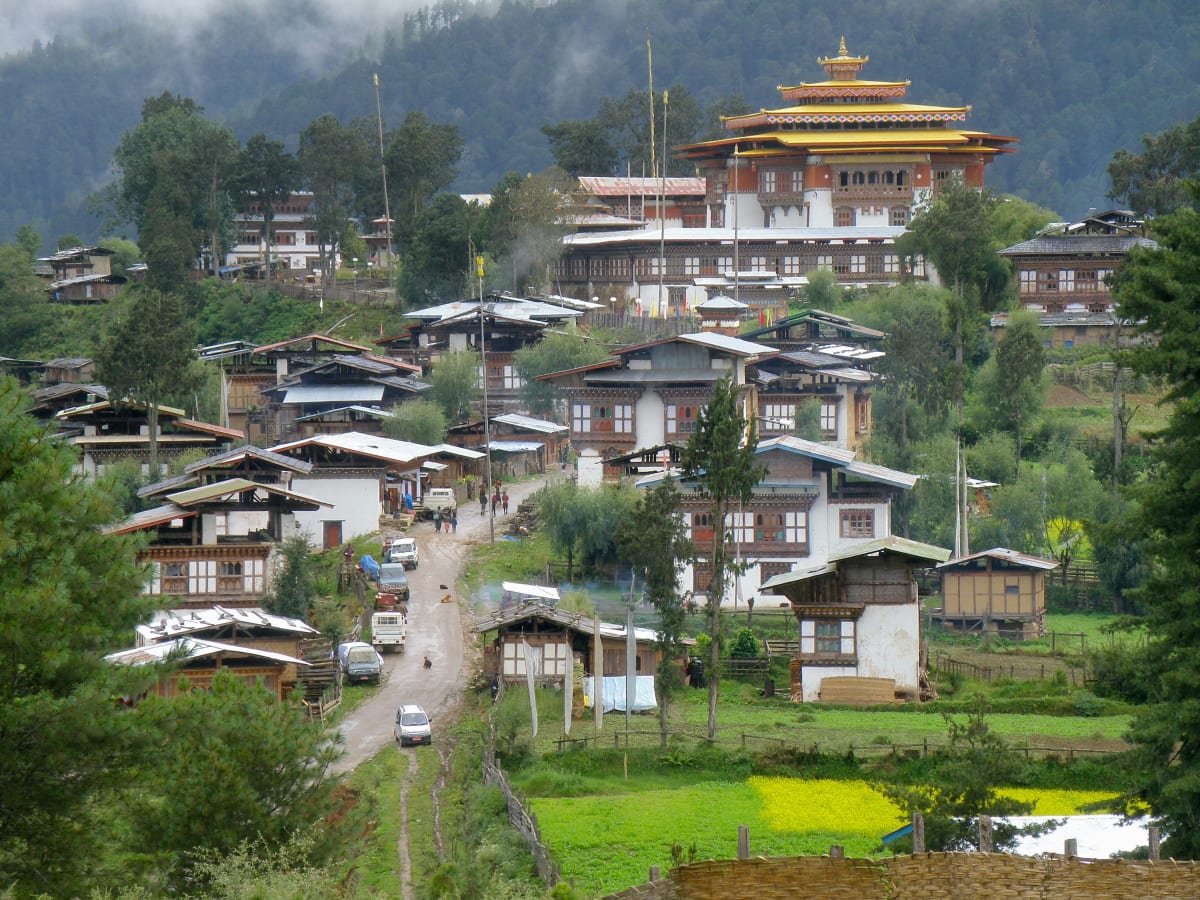
Punakha Valley Meditation Sites:
- Riverside Spots: Where Guru Rinpoche himself meditated in the 8th century
- Temple Courtyards: Quiet corners of ancient monasteries overlooking rice terraces
- Farm Family Shrines: Private meditation rooms in traditional farmhouses
Paro Valley Spiritual Locations:
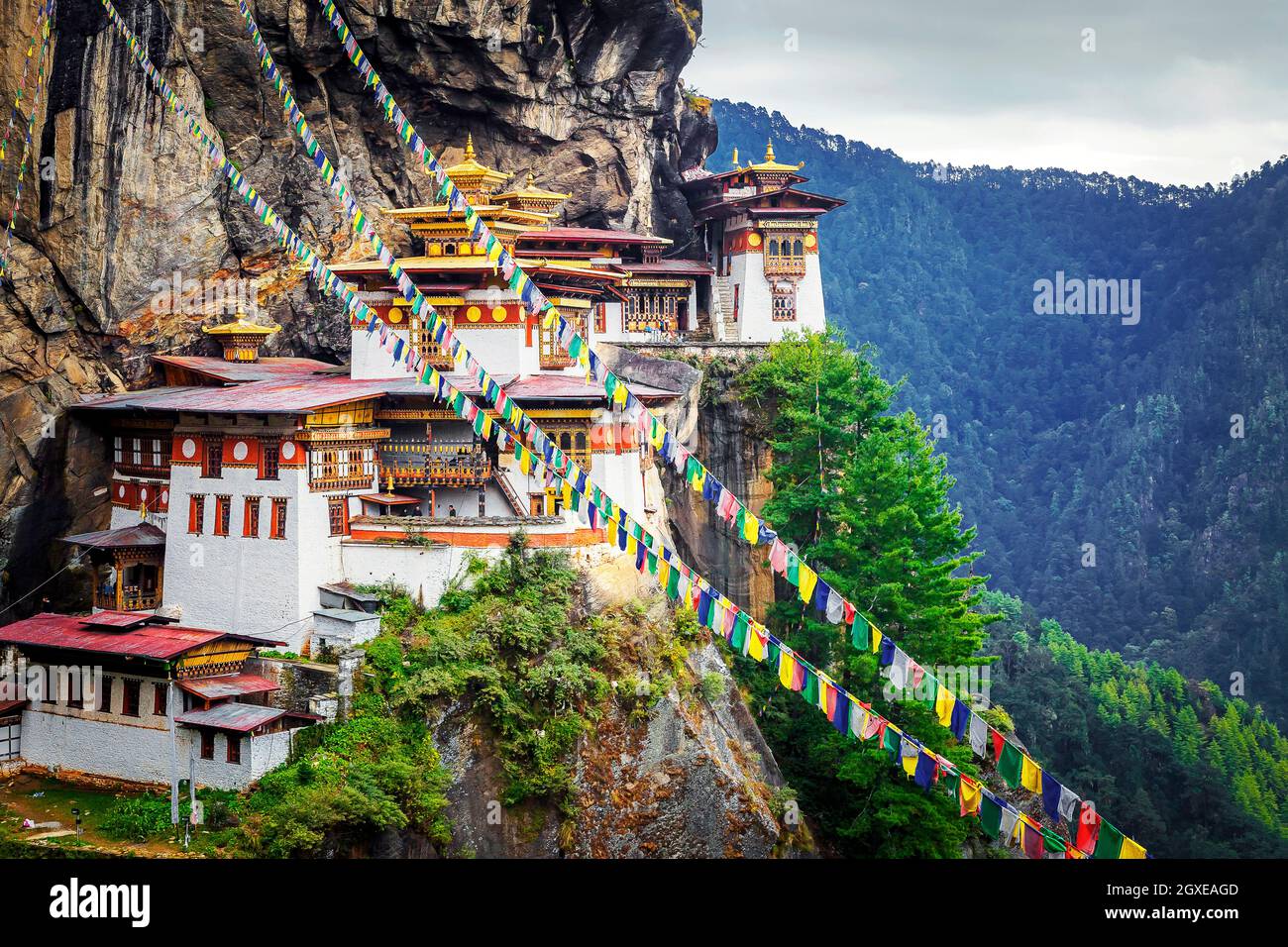
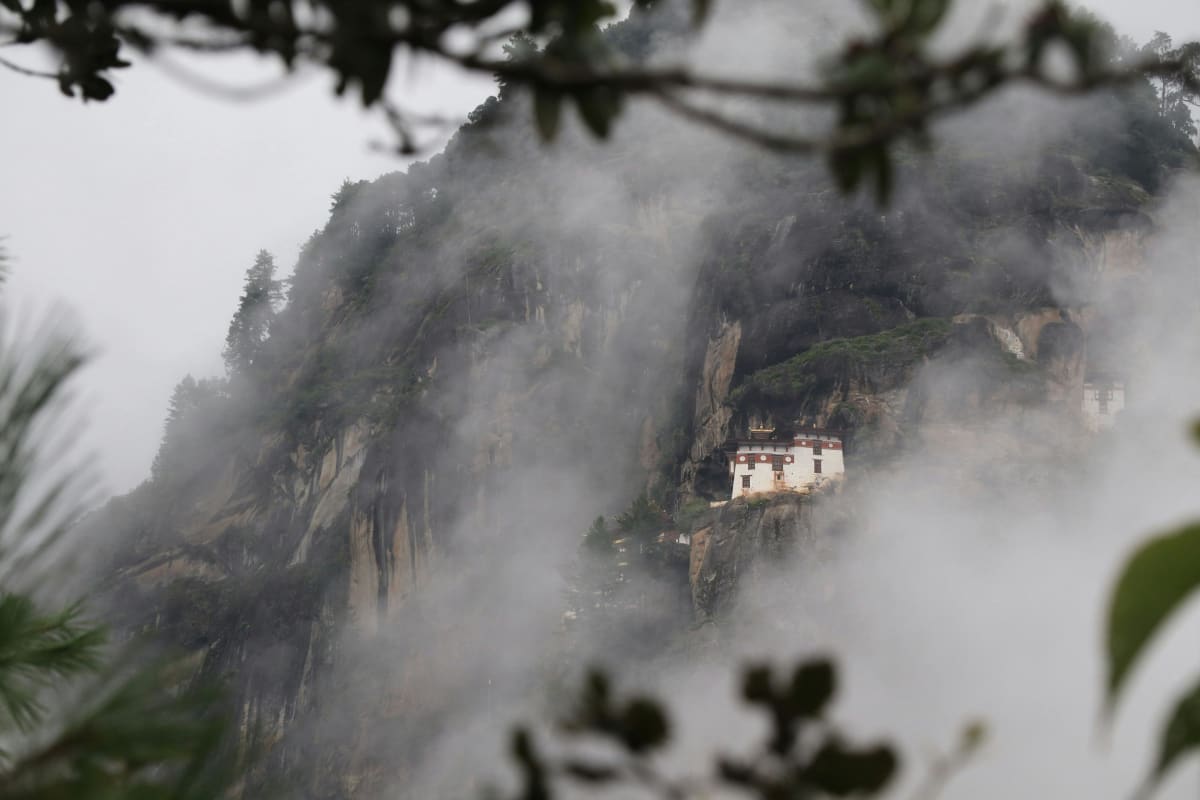
- Tiger’s Nest Approaches: Meditation spots with views of Taktsang Palphug Monastery
- River Confluence Points: Where two rivers meet, considered especially powerful
- Mountain Cave Retreats: Traditional meditation caves used by hermits
Bumthang Sacred Valley:
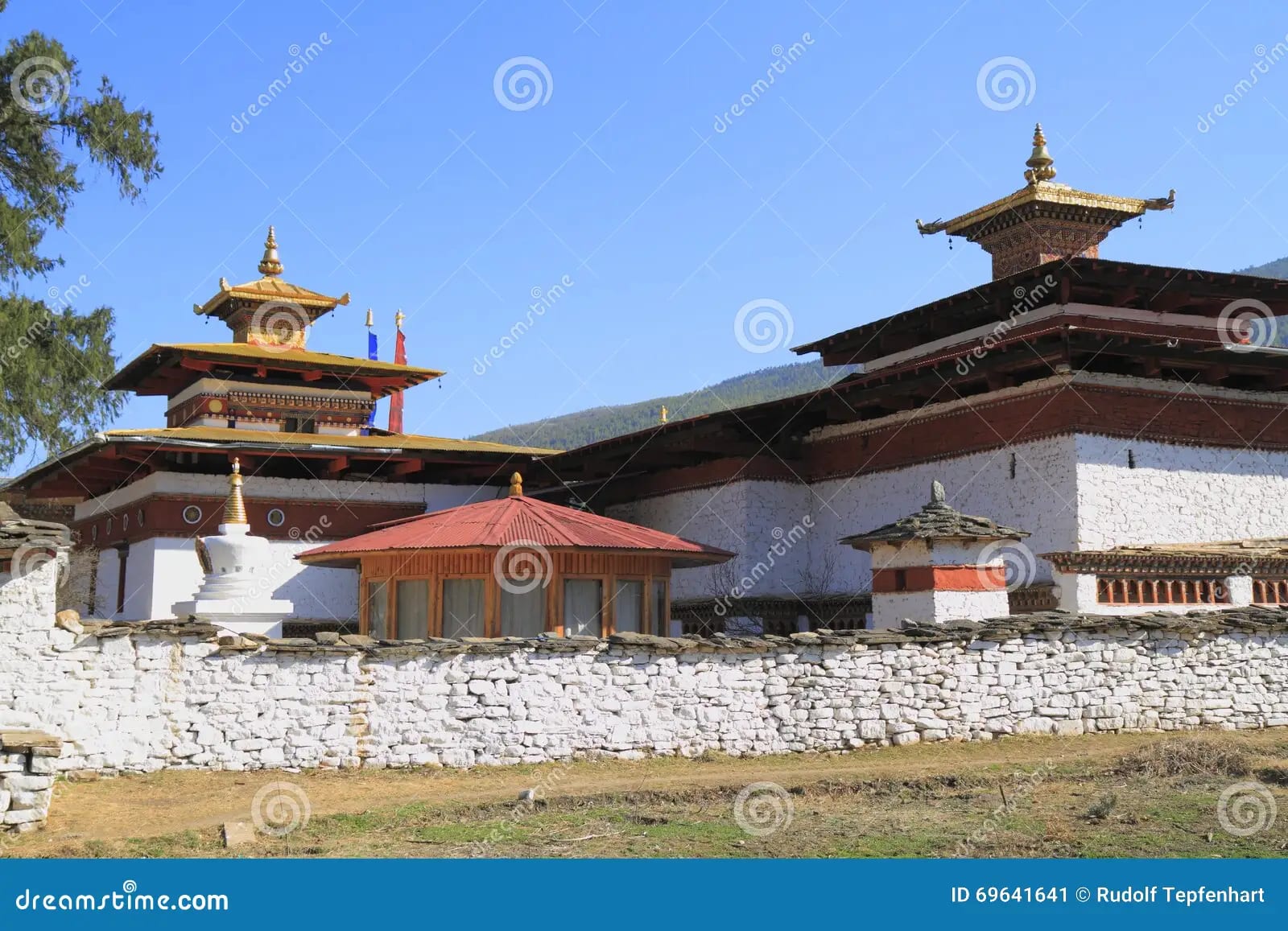
- Kurjey Lhakhang: Where Guru Rinpoche meditated and left body prints
- Jambay Lhakhang: One of Bhutan’s oldest temples, perfect for dawn meditation
- Tamshing Lhakhang: Known for its spiritual energy and ancient murals
Guided by Real Practitioners
Unlike retreat centers with hired meditation teachers, our sessions are led by:
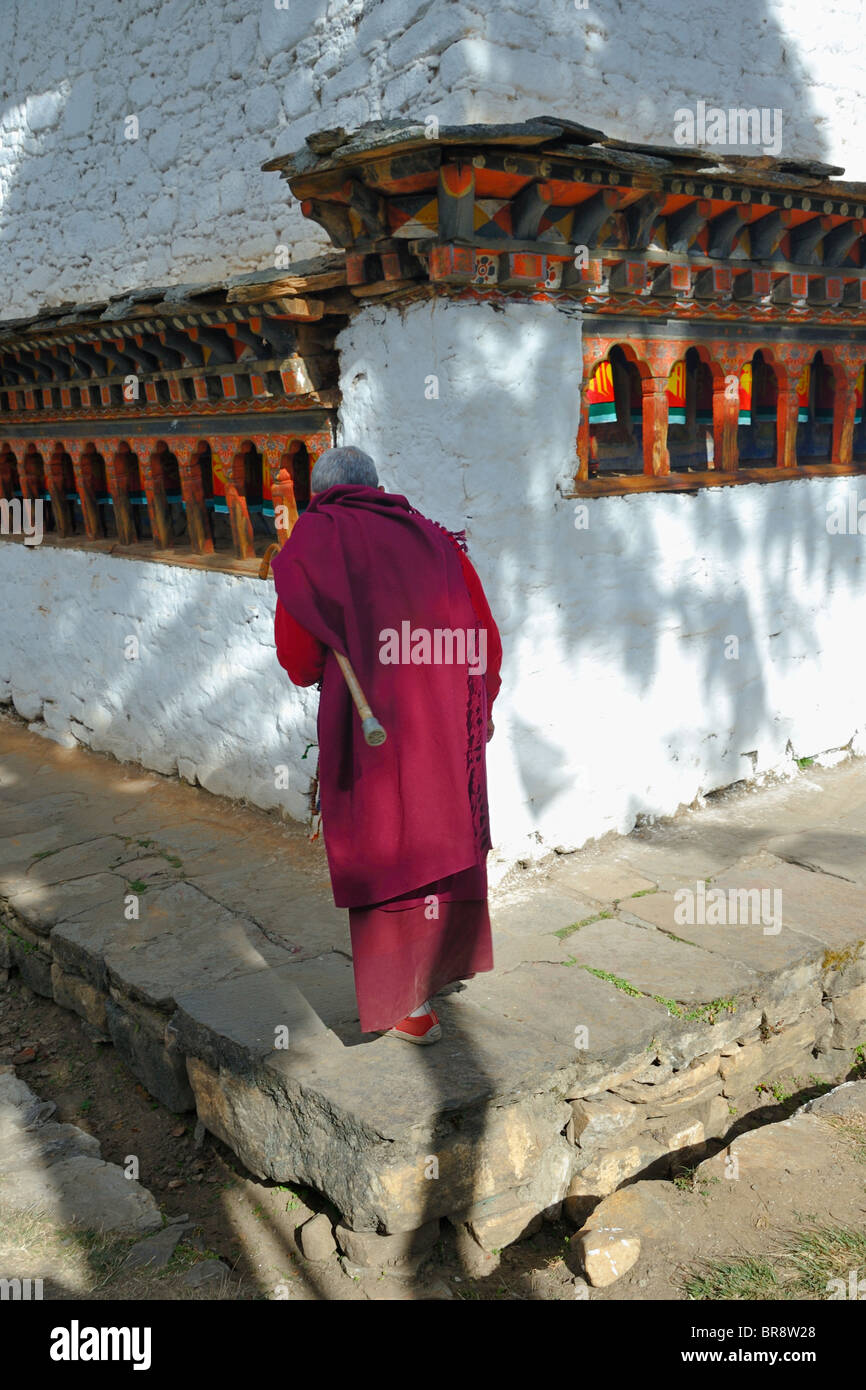
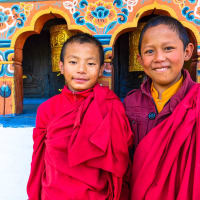
- Local Monks: Monks from nearby monasteries who have practiced since childhood
- Farm Family Elders: Grandparents who have meditated daily for decades
- Village Lamas: Respected spiritual leaders in their communities
Real Meditation Experiences from Our Guests
Life-Changing Results
“I’ve done meditation retreats in India, Thailand, and Nepal, but Bhutan was completely different. Meditating with the village monk who has practiced in the same spot for 40 years - the depth of peace was incredible. My month in Bhutan changed my perspective on life.” - Software engineer from USA, February 2026
“The morning meditation sessions at our Punakha farm stay were magical. Our host grandfather guided us through simple breathing techniques while overlooking the rice terraces. I’m still meditating daily since returning home.” - Marketing manager from Singapore, March 2026
Physical and Mental Benefits Reported:
- Stress Reduction: Guests report dramatically lower stress levels
- Better Sleep: Many experience improved sleep quality
- Clarity of Mind: Decision-making becomes clearer
- Emotional Balance: Better handling of life’s challenges
- Spiritual Connection: Deeper understanding of Buddhist principles
Types of Meditation Experiences We Offer
1. Farm Stay Meditation
Best For: First-time meditators, families, cultural immersion seekers
What’s Included:
- Daily morning meditation with host family elders
- Evening mindfulness sessions before dinner
- Walking meditation through rice terraces and village paths
- Learning about Buddhist principles from practical family perspective
- Meditation during farming activities (mindful rice planting/harvesting)
2. Monastery Retreat Meditation
Best For: Experienced meditators, serious spiritual seekers
What’s Included:
- Staying in monastery guesthouses
- Guided sessions with resident monks
- Participation in morning and evening prayer ceremonies
- Silent meditation periods (half-day to full-week options)
- Teaching sessions on Buddhist philosophy
3. Wilderness Meditation Retreats
Best For: Adventure seekers, deep transformation seekers
What’s Included:
- Meditation in mountain caves (safe, accessible locations)
- Riverside meditation spots with sound therapy from flowing water
- Forest meditation with nature mindfulness
- Trekking meditation (walking meditation between sacred sites)
- Solo meditation time with periodic check-ins
4. Integrated Meditation & Cultural Experience
Best For: Those wanting balance of spirituality and culture
What’s Included:
- Morning meditation sessions
- Daytime cultural activities (temples, festivals, crafts)
- Evening reflection meditation
- Meetings with Buddhist practitioners
- Participation in local ceremonies when available
Ideal Meditation Itinerary: 10-Day Spiritual Journey
Based on what worked best for our spiritual guests:
Days 1-3: Punakha Valley Farm Stay
- Morning meditation overlooking rice terraces
- Afternoon: Learn about farming, help with gentle activities
- Evening: Guided meditation with host family elder
- Night meditation: Star meditation in courtyard
Days 4-6: Bumthang Sacred Valley
- Dawn meditation at Kurjey Lhakhang
- Day: Visit sacred sites with meditation sessions
- Evening: Meditation with village lama
- Night: Silent meditation periods
Days 7-9: Paro Valley & Tiger’s Nest
- Riverside meditation sessions
- Day hike to Tiger’s Nest with meditation stops
- Evening: Debriefing and integration sessions
- Night: Mountain view meditation
Day 10: Thimphu Integration
- Morning: Final meditation session
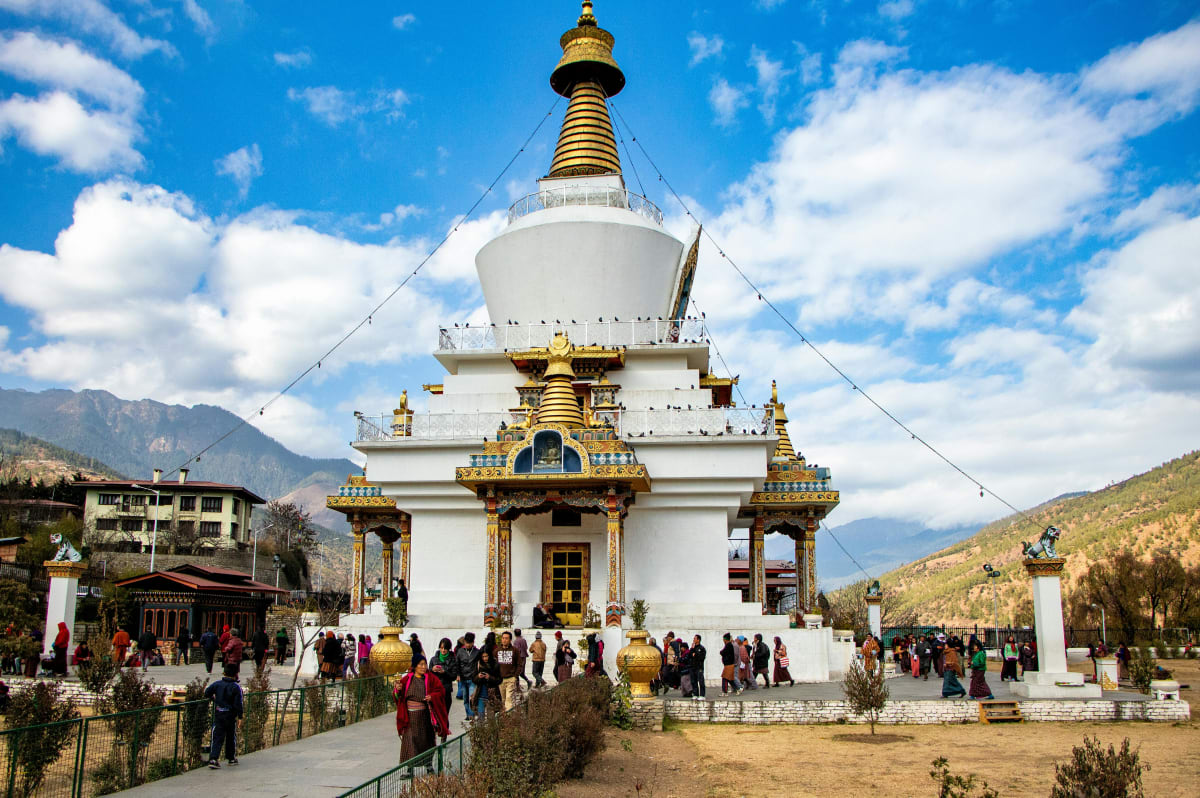
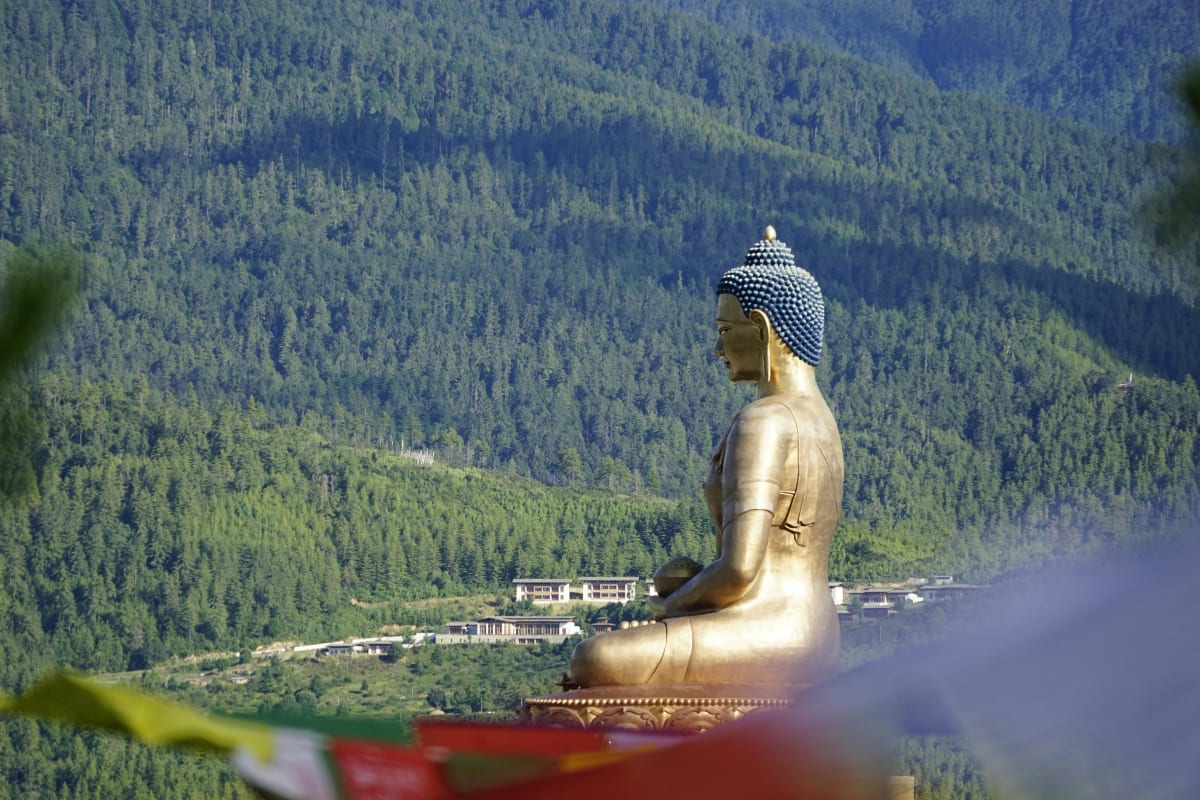
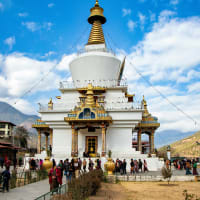
- Day: Visit Buddha Dordenma statue for contemplation
- Evening: Integration discussion with meditation guide
- Departure with home practice recommendations
What Makes Our Meditation Programs Different
Authenticity Over Commercialization
Unlike Commercial Retreats:
- No expensive “certification” programs
- No fixed “meditation packages”
- No crowded group sessions
- No forced spirituality or religious pressure
What We Offer:
- Genuine Buddhist practices from local traditions
- Flexible schedules based on your comfort level
- One-on-one guidance when needed
- Respect for all spiritual backgrounds (Buddhist or not)
Integration with Daily Life
Our Unique Approach:
- Meditation during farming activities (mindful work)
- Eating meditation with traditional meals
- Walking meditation between village locations
- Sleep meditation techniques for better rest
- Integration of meditation into everyday activities
Long-Term Support
After Your Retreat:
- Online meditation check-ins with your guides
- Community of fellow meditators for support
- Resources for maintaining home practice
- Return visit options with familiar hosts
Planning Your Meditation Retreat
Best Times for Meditation in Bhutan:
- Spring (March-May): Clear mountain views, comfortable temperatures
- Autumn (September-November): Golden harvest season, perfect weather
- Winter (December-February): Quiet meditation season, fewer tourists
- Monsoon (June-August): Lush greenery, indoor meditation focus
Physical Requirements:
- Beginner Friendly: No prior meditation experience needed
- Flexible Fitness: Options from easy village meditation to mountain cave retreats
- Health Considerations: Altitude is moderate (2,000-3,000m), suitable for most people
- Age Range: We’ve hosted guests from 18 to 75 successfully
What’s Included:
- Accommodation: Farm stays, monastery guesthouses, or comfortable hotels
- All Meals: Vegetarian options available, special dietary requirements accommodated
- Meditation Guidance: Daily sessions with experienced practitioners
- Transport: Airport transfers, travel between meditation locations
- Materials: Meditation cushions, blankets when needed
- Support: English-speaking guides for translation when needed
Geographic CTAs:
For Chinese-speaking visitors (新加坡, 中国, 马来西亚):
- WeChat: +97517649720 (冥想静修咨询)
- 中文冥想指导可安排
For Western/USA visitors:
- Email: info@silverpinebhutan.com (Detailed spiritual journey planning)
- WhatsApp: +975 1764 9720
For Japanese visitors (日本語対応可能):
- Japanese-speaking guides available
- Cultural meditation explanations available
Book Your Transformative Meditation Experience
Ready to experience meditation in one of the world’s most sacred Buddhist lands? Our meditation retreats offer something commercial centers can’t - authentic practices in locations where spiritual seekers have found peace for centuries.
Based on our guests’ experiences, meditation in Bhutan isn’t just about relaxation - it’s about transformation.
Contact us for your personalized meditation retreat:
WhatsApp/WeChat: +97517649720 Email: info@silverpinebhutan.com Website: https://silverpinebhutan.com
Experience based on hosting spiritual seekers from 8 countries. All meditation programs respect traditional Buddhist practices while welcoming visitors of all spiritual backgrounds.
Send your dates
A festival stay is about USD 1,100 per person. Ten private days for two is about USD 2,600–2,700 per person. The fee is included.