

Trekking Adventures
Bhutan Trekking: Local Trails and Hidden Paths Most Tourists Never See
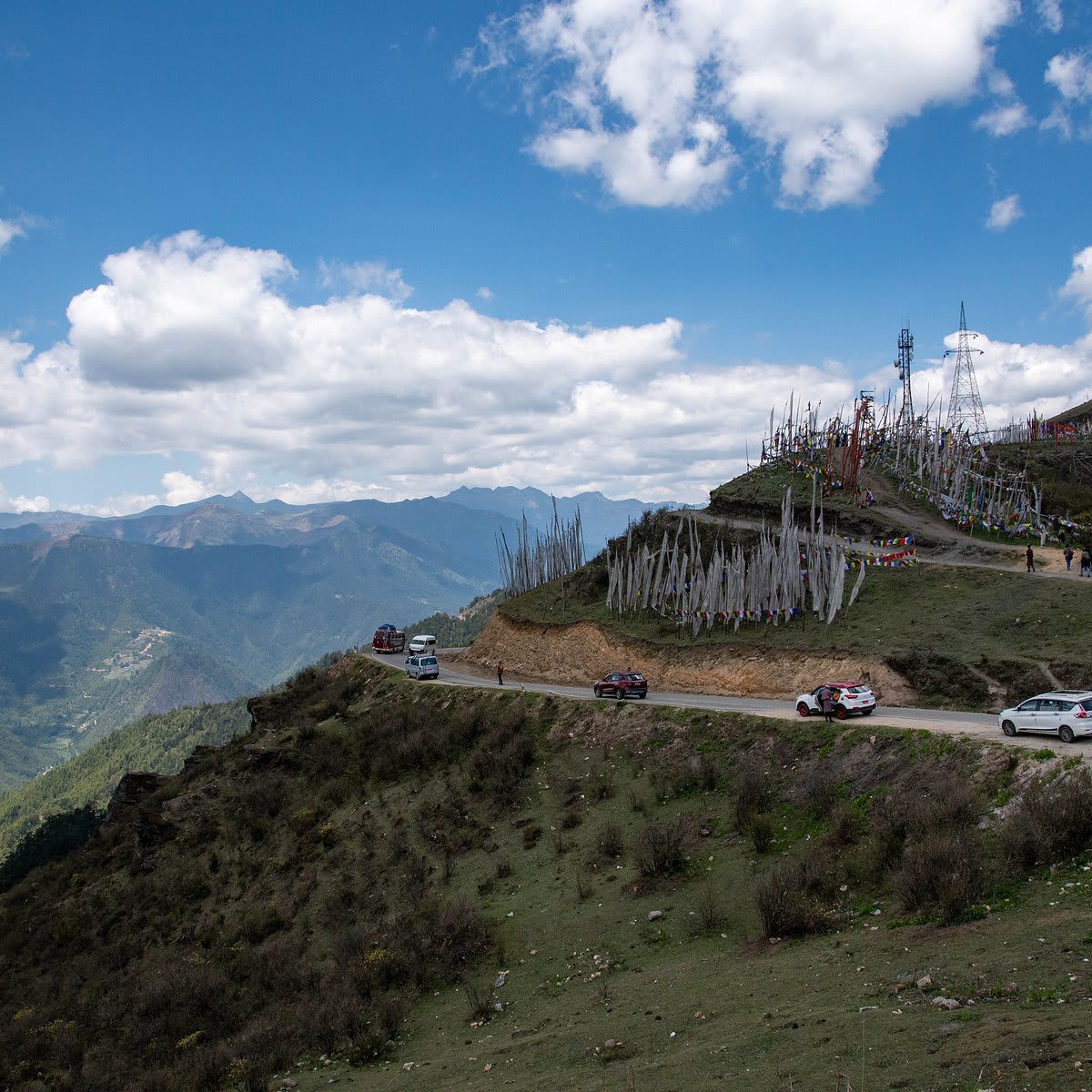
Discover authentic Bhutan trekking experiences using local trails known only to village guides. Avoid tourist crowds, experience real mountain culture, and walk paths used by Bhutanese for centuries.
Discover authentic Bhutan trekking experiences using local trails known only to village guides. Avoid tourist crowds, experience real mountain culture, and walk paths used by Bhutanese for centuries.
In this story
A festival stay is about USD 1,100 per person. Ten private days for two is about USD 2,600–2,700 per person. The fee is included.
Why Tourist Trekking Routes Are Missing the Real Bhutan
Based on hosting trekkers from around the world, we’ve discovered something surprising: the most popular trekking routes in Bhutan are often the least authentic experiences. Our guests who’ve trekked both tourist routes and local trails consistently say the local paths offer something completely different.
Real Trekking Experiences from Our Guests
The Adventure Group from Australia
“We did the Snowman Trek first (incredible but grueling) and then spent 3 days trekking local paths with village guides in Punakha. The local trek was actually more memorable - we stayed in village houses, ate home-cooked food, and met real Bhutanese people living their traditional lives.”
The Nature Lovers from Germany
“The Druk Path trek was beautiful but felt like a tourist conveyor belt. Our local guide Tshewang then took us on trails only villagers use - wild camping spots, ancient meditation caves, and shepherd camps. That was the real Bhutan experience we were looking for.”
Why Local Trails Are Different
Tourist Routes vs. Local Paths
Popular Tourist Treks (Jomolhari, Druk Path, Snowman):
- Crowded: 20-30 people starting same day
- Fixed Camps: Pre-arranged camping spots
- Imported Food: Camping food brought from cities
- Tourist Atmosphere: Other trekkers everywhere
- Fixed Itinerary: Strict schedules to follow
Local Village Trails:
- Empty: You’re often the only foreigners
- Village Stays: Homestays with local families
- Local Food: Fresh from villages along the way
- Authentic Culture: Real village life, not tourist shows
- Flexible Timing: Based on your pace and interests
Hidden Trekking Gems by Region
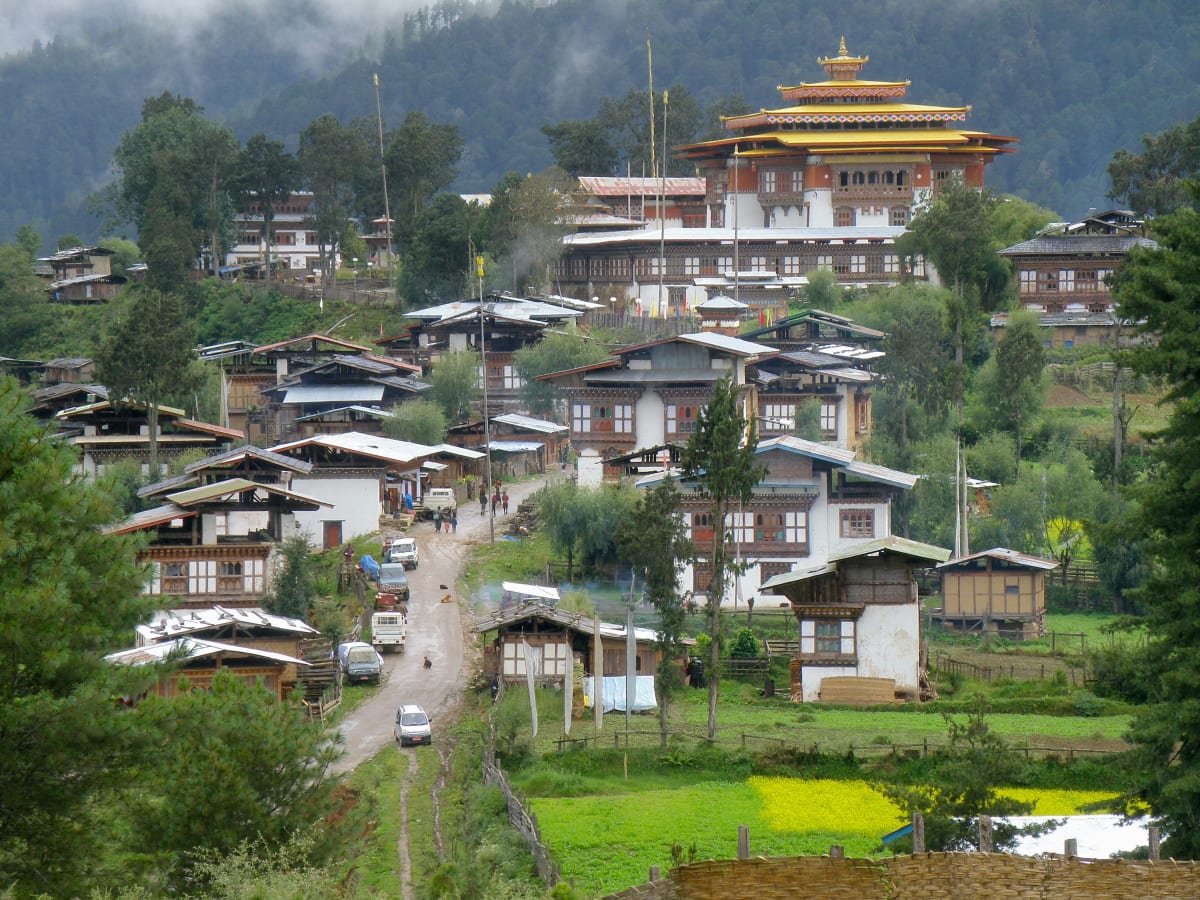
Punakha Valley Local Treks
1. Farm-to-Farm Trek (2-3 days) Perfect For: First-time trekkers, cultural immersion
- Day 1: Trek between farm families in lower Punakha
- Day 2: Riverside paths and traditional villages
- Day 3: Mountain viewpoints and monastery visits
What Makes It Special:
- Stay with different farm families each night
- Participate in evening village activities
- Learn about traditional agriculture
- Cross suspension bridges locals use
Guest Experience: “Instead of camping in tents, we stayed with wonderful farming families. Each evening we’d arrive, help with light farm work, eat incredible home-cooked food, and sleep in traditional houses. This felt like real trekking.” - First-time trekkers from UK, April 2026
Paro Valley Secret Paths
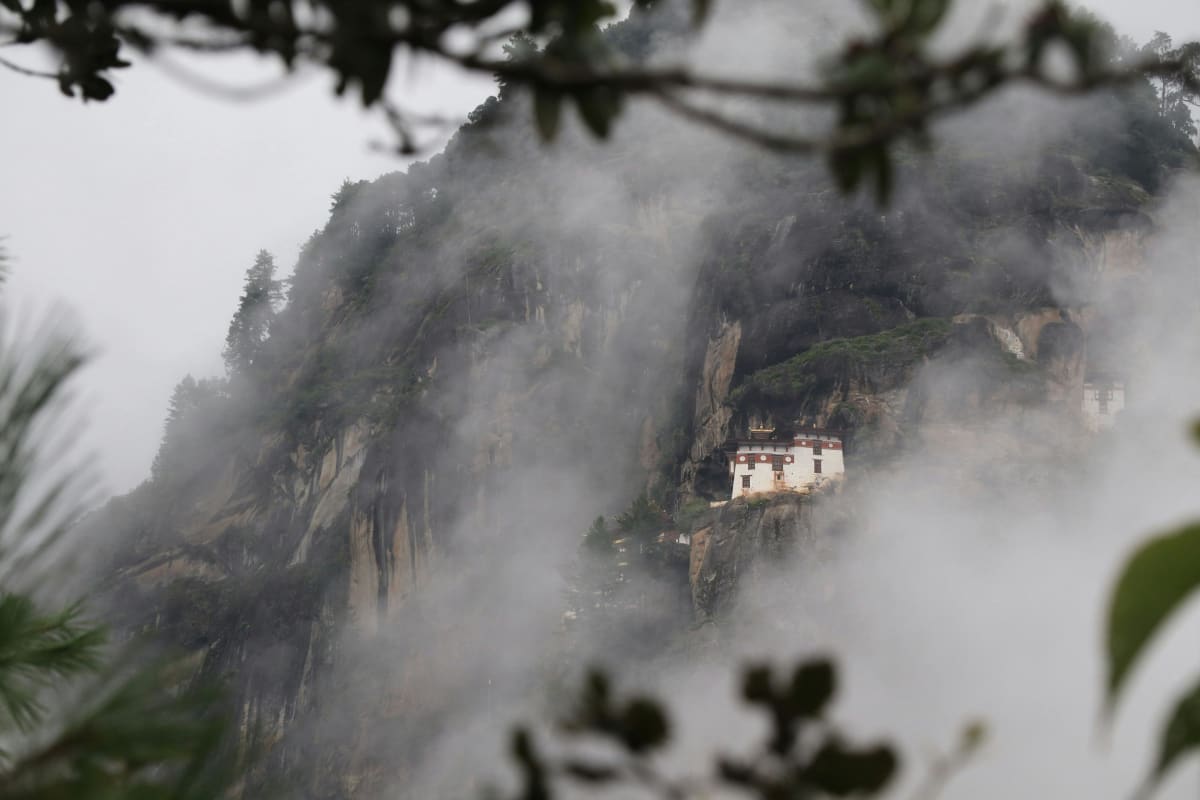
1. Alternative Tiger’s Nest Approach Why Better Than Main Trail:
- Quiet: Almost empty compared to main trail
- Local Pilgrimage Route: Path used by Bhutanese pilgrims
- Hidden Monasteries: Small temples tourists never see
- Forest Sections: Beautiful pristine rhododendron forests
- Village Connections: Pass through traditional hamlets
Technical Details:
- Duration: 4-5 hours vs. 3 hours on main trail
- Difficulty: Moderate (some steep sections)
- Best Time: Early morning for best views
- Local Requirement: Must have local guide
2. Remote Monastery Trek (3-4 days) Hidden Monasteries You’ll Visit:
- Zangdopelri Monastery: Small meditation retreat
- Drunkar Temple: Ancient cliff-side temple
- Ragma Gonpa: Nunnery with incredible views
- Taktsang fallback views: Alternative Tiger’s Nest views
Experience Highlights:
- Monk Accommodation: Stay in monastery guesthouses
- Meditation Sessions: Join monks for morning/evening prayers
- Traditional Food: Simple monk meals (very authentic!)
- Spiritual Atmosphere: Deep peace and quiet
Bumthang Sacred Trails
1. Pilgrimage Path Trek (4-5 days) Following Ancient Pilgrimage Routes:
- Sacred Sites: Visit places Guru Rinpoche meditated
- Traditional Circuits: Pilgrimage paths used for centuries
- Village Monasteries: Small temples in communities
- Mediation Spots: Sacred locations for contemplation
What Makes It Sacred:
- Ancient Energy: Places used for spiritual practice for over 1,000 years
- Living Buddhism: Active practice, not museum displays
- Pilgrim Connections: Meet Buddhist pilgrims from Bhutan
- Spiritual Transformation: Many guests report profound experiences
Thimphu Valley Cultural Trek
1. Mountain Village Connection (2 days) Cultural Highlights:
- Traditional Villages: Visit communities unchanged by tourism
- Artisan Workshops: Watch craftsmen practicing traditional arts
- Festival Connections: Trek between villages during festival seasons
- Mountain Views: Thimphu valley panoramas
Easy Cultural Trek:
- Perfect for Families: Gentle gradients, safe paths
- Comfortable Accommodation: Village guesthouses
- Cultural Learning: Deep cultural immersion without physical challenge
Planning Your Local Trek
Choosing the Right Trek
Consider Your Fitness Level:
- Easy: Farm-to-farm cultural treks
- Moderate: Valley crossing and village-to-village
- Challenging: Mountain pass crossings and remote areas
- Spiritual: Meditation-focused sacred treks
Duration Options
- Day Treks: 6-8 hours, return to same accommodation
- 2-3 Days: Weekend warrior style, cultural focus
- 4-7 Days: Immersive experience, multiple regions
- 14+ Days: Expedition style, remote wilderness
What’s Different About Local Treks
Accommodation:
- Village Homestays: Stay with farming families
- Monastery Guesthouses: Simple but spiritual accommodation
- Traditional Campsites: Places locals actually camp
- Shepherd Huts: Basic shelter in remote areas
Food:
- Home-Cooked: Fresh meals from villages
- Local Ingredients: Vegetables from gardens along the way
- Traditional Recipes: Authentic Bhutanese cuisine
- Flexible Diet: Can accommodate dietary preferences
Guides:
- Local Village Guides: People who actually live there
- Traditional Knowledge: Stories, legends, spiritual significance
- Connection: Genuine relationships with communities
- Flexibility: Can adjust based on your interests
Seasonal Considerations
Spring Trekking (March-May)
Why Special:
- Rhododendron Season: Incredible flower displays
- Clear Views: Best mountain visibility
- Mild Temperatures: Perfect trekking weather
- Agricultural Activity: See traditional farming activities
Spring Treks:
- Flower Trails: Following rhododendron blooms
- Cultural Treks: Spring festival connections
- Bird Watching: Migratory bird season
Summer Monsoon (June-August)
Challenges and Rewards:
- Fewer Trekkers: Almost empty trails
- Lush Greenery: Beautiful valleys and forests
- Wildflowers: Alpine meadow displays
- Challenges: Leeches, mud, occasional rain
Monsoon Strategy:
- Lower Altitude: Below 3,000m for better weather
- Village Focus: More indoor cultural activities
- Flexible Plans: Weather-dependent adjustments
Autumn Trekking (September-November)
Peak Trekking Season:
- Harvest Activity: See traditional harvest practices
- Perfect Weather: Clear skies, comfortable temperatures
- Festival Season: Connect trek with local festivals
- Golden Landscapes: Beautiful harvest colors
Recommended Autumn Treks:
- Harvest Valley Treks: Through farming communities
- Festival Circuits: Trek between festival locations
- Mountain Clear Views: Best high-altitude visibility
Winter Trekking (December-February)
Quiet Season Advantages:
- Solitude: Almost no other trekkers
- Clear Mountain Views: Crisp winter visibility
- Spiritual Focus: Ideal for meditation treks
- Challenges: Cold temperatures, some snow
Winter Strategy:
- Lower Altitudes: Below 3,500m
- Village Stays: Warmer accommodation options
- Shorter Days: Less daylight, flexible planning
Practical Planning
What to Bring for Local Treks
Essential Items:
- Good Boots: Waterproof, broken in before trip
- Layers: Temperature variations throughout day
- Rain Gear: Essential regardless of season
- Sleeping Bag: For colder months and basic accommodation
- Water Purification: SteriPen or purification tablets
- Basic First Aid: Blister treatment, basic medications
Physical Preparation
Training Recommendations:
- Hill Walking: Practice hiking with elevation gain
- Cardio Fitness: Build endurance for longer days
- Break In Boots: Critical to prevent blisters
- Pack Weight: Practice carrying weight (6-10kg typical)
Health Considerations
Altitude:
- Acclimatization: Spend 2-3 days in Thimphu/Paro first
- Hydration: Drink 3-4 liters daily
- Pacing: Walk slowly, rest when needed
- Medications: Consult doctor about altitude medication
Fitness Level:
- Beginner: Cultural treks, valley walks
- Intermediate: Village-to-village, some passes
- Advanced: High passes, longer distances
Costs and Value
Local Trek vs. Tourist Trek Costs
Traditional Tourist Trek (per day, per person):
- Guide/Porter/Cook: $80-120
- Camping Gear: $30-50
- Food: $25-40
- Permits: $10-40/day
- Total: $145-250/day
Local Village Trek (per day, per person):
- Local Guide: $40-60
- Homestay Meals: $15-25
- Accommodation: $10-20
- Permits: $10-40/day
- Total: $75-145/day
Value Proposition:
- 30-50% Less Cost: More economical than traditional treks
- Authentic Experience: Real cultural immersion
- Local Support: 100% of money goes to local communities
- Flexibility: No rigid schedules or tourist routes
Geographic CTAs:
For Chinese-speaking trekkers (中文徒步向导):
- WeChat: +97517649720 (不丹徒步路线)
- 当地向导,隐秘路径
For Western trekkers:
- Email: info@silverpinebhutan.com (Trek planning assistance)
- WhatsApp: +975 1764 9720
For Adventure Groups:
- Custom routes for experienced trekkers
- Off-the-beaten-path experiences
Book Your Authentic Trekking Experience
Ready to experience Bhutan’s mountains the way locals have for centuries? Our local trekking experiences offer something completely different from tourist trails - genuine cultural immersion, authentic village life, and paths used by Bhutanese people for generations.
Contact us to plan your trekking adventure:
WhatsApp/WeChat: +97517649720 Email: info@silverpinebhutan.com Website: https://silverpinebhutan.com
Based on hosting trekkers who consistently rate local trails as more authentic and memorable than popular tourist trekking routes.
Send your dates
A festival stay is about USD 1,100 per person. Ten private days for two is about USD 2,600–2,700 per person. The fee is included.
Continue reading