

Festivals
Bhutan Festival Calendar 2026: Complete Guide to Tshechu Festivals
Bhutan festivals 2026 calendar with dates for all major Tshechus. Plan your festival tour around Paro Tshechu, Thimphu Tshechu, Punakha Drubchen, and more. Complete guide to experiencing Bhutan's vibrant cultural festivals.
Bhutan festivals 2026 calendar with dates for all major Tshechus. Plan your festival tour around Paro Tshechu, Thimphu Tshechu, Punakha Drubchen, and more. Complete guide to experiencing Bhutan's vibrant cultural festivals.
In this story
A festival stay is about USD 1,100 per person. Ten private days for two is about USD 2,600–2,700 per person. The fee is included.
Bookable dates with a Silverpine departure are on the festival departures page. This article is the wider calendar.
Bhutan Festival Calendar 2026: Complete Guide to Tshechu Festivals
Bhutan’s festivals (Tshechus) are among the most vibrant and captivating cultural experiences in the world. These annual celebrations honor Guru Rinpoche, the saint who brought Buddhism to Bhutan, with sacred masked dances, elaborate costumes, and profound rituals.
Having organized festival tours since 2008, let me share the complete 2026 festival calendar to help you plan your cultural adventure.
Quick Overview: 2026 Festival Calendar
| Festival | Month | Location | Duration | Significance |
|---|---|---|---|---|
| Punakha Drubchen | Feb 19-21 | Punakha | 3 days | Victory over Tibetan forces |
| Punakha Tshechu | Feb 22-24 | Punakha | 3 days | Introduction of Buddhism |
| Paro Tshechu | Mar 17-21 | Paro | 5 days | Most popular festival |
| Ura Yakchoe | Apr 15-17 | Ura, Bumthang | 3 days | Yak festival |
| Rhododendron Festival | Apr 20 | Lamperi | 1 day | Nature celebration |
| Thimphu Tshechu | Sep 13-17 | Thimphu | 5 days | Largest festival |
| Wangdue Tshechu | Sep 24-26 | Wangdue | 3 days | Traditional festival |
| Jambay Lhakhang Drup | Oct 26-Nov 1 | Bumthang | 7 days | Fire blessing ceremony |
| Prakhar Tshechu | Nov 14-16 | Prakhar, Laya | 3 days | Community festival |
| Nimalung Tshechu | Dec 14-16 | Trashiyangtse | 3 days | Regional festival |
| Mongar Tshechu | Dec 17-19 | Mongar | 3 days | Community festival |
| Trashigang Tshechu | Dec 28-30 | Trashigang | 3 days | Community festival |
| Domkhar Tshechu | Jan 6-8, 2027 | Trashigang | 3 days | Community festival |
Note: Dates are based on the Bhutanese lunar calendar and may shift slightly. Confirm before booking.
Major Festivals Detailed Guide
1. Punakha Drubchen & Tshechu (February)
Punakha Drubchen
- Dates: February 19-21, 2026
- Location: Punakha Dzong
- Duration: 3 days
- Significance: Commemorates Bhutan’s victory over Tibetan invasion in the 17th century
What Happens:
- Dramatic reenactment of the battle
- Costumed warriors perform traditional combat
- Religious ceremonies and blessings
- Processions with sacred relics
Punakha Tshechu
- Dates: February 22-24, 2026
- Location: Punakha Dzong courtyard
- Duration: 3 days
- Significance: Introduction of Buddhism to Bhutan
What Happens:
- Masked cham dances (not religious, but celebratory)
- Atsara (clowns) entertain crowds
- Traditional music and performances
- Local people in their finest clothes
Why Attend:
- Beautiful Punakha Dzong backdrop
- Two festivals back-to-back
- Fewer tourists than other festivals
- Pleasant weather (pre-spring)
2. Paro Tshechu (March)
The Crown Jewel of Bhutan’s Festivals
- Dates: March 17-21, 2026 (5 days)
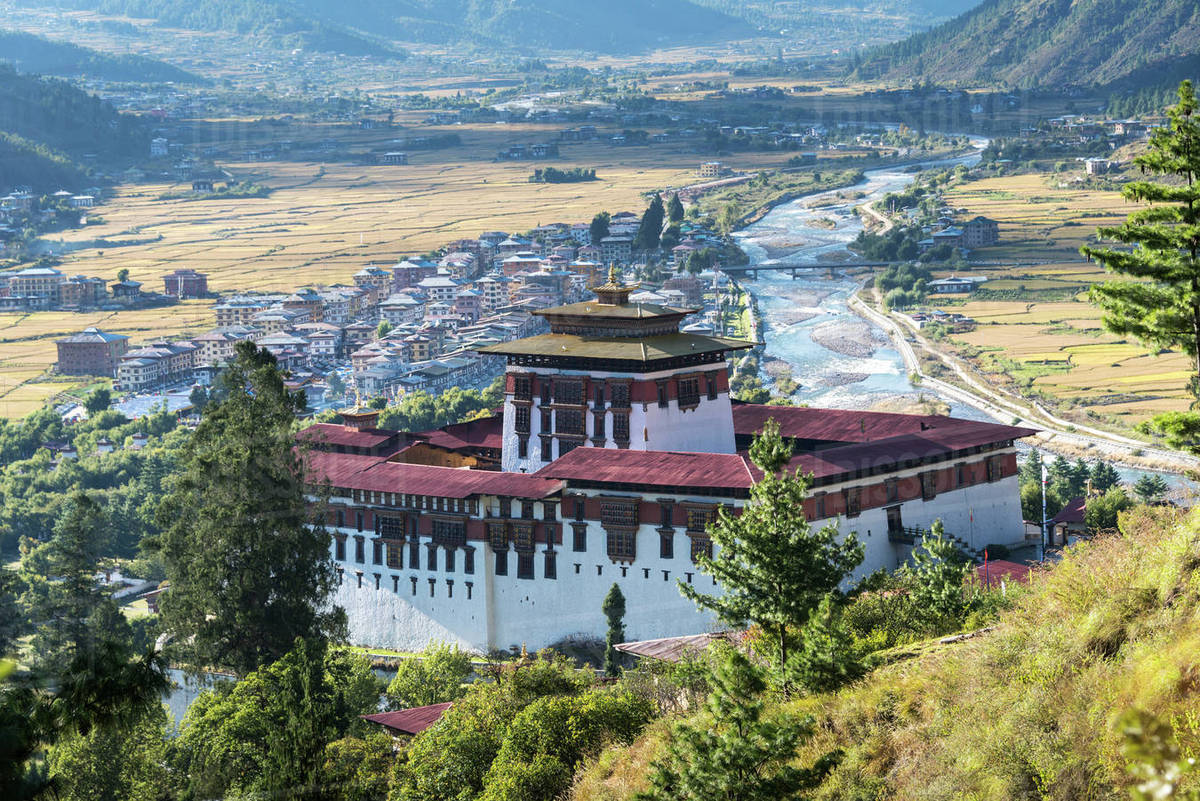
- Location: Paro Rinpung Dzong
- Duration: 5 days
- Significance: Commemorates Guru Rinpoche’s visit to Paro
What Happens:
- Unfurling of the Thongdrol: Giant appliqué on Day 1 (sacred, viewing grants liberation)
- Cham Dances: Sacred masked dances depicting Buddhist deities
- Day 1: Guru Tshengye Ging Tshe Gye
- Day 2: Peling Gyelp Sum Tshe Ngay
- Day 3: Dramitse Ngacham
- Day 4: Durdag Gye (famous black hat dance)
- Day 5: Guru Rinpoche’s birthday celebration
- Religious ceremonies: Monks recite prayers, conduct rituals
- Local participation: Villagers dress in their finest clothes
Why Attend:
- MOST POPULAR festival (book 3-6 months ahead!)
- Largest display of sacred cham dances
- Thongdrol unfurling (sacred liberation)
- Beautiful Paro Valley in spring
Booking Window: 3-6 months in advance!
3. Thimphu Tshechu (September)
The Largest Gathering
- Dates: September 13-17, 2026 (5 days)
- Location: Tashichho Dzong, Thimphu
- Duration: 5 days
- Significance: Celebration of Guru Rinpoche’s birth
What Happens:
- Cham dances similar to Paro but with Thimphu variations
- Large crowds (thousands attend daily)
- Masked dances depicting Buddhist deities
- Religious ceremonies and blessings
- Local people and monks participate
- Display of Thongdrol (sacred scroll) on final day
Why Attend:
- LARGEST festival in Bhutan
- Easy access from Thimphu hotels
- Mix of sacred and cultural activities
- Great for people watching
- Many side events and celebrations
Booking Window: 3-4 months in advance
4. Jambay Lhakhang Drup (October-November)
The Fire Blessing Ceremony
- Dates: October 26 - November 1, 2026 (7 days)
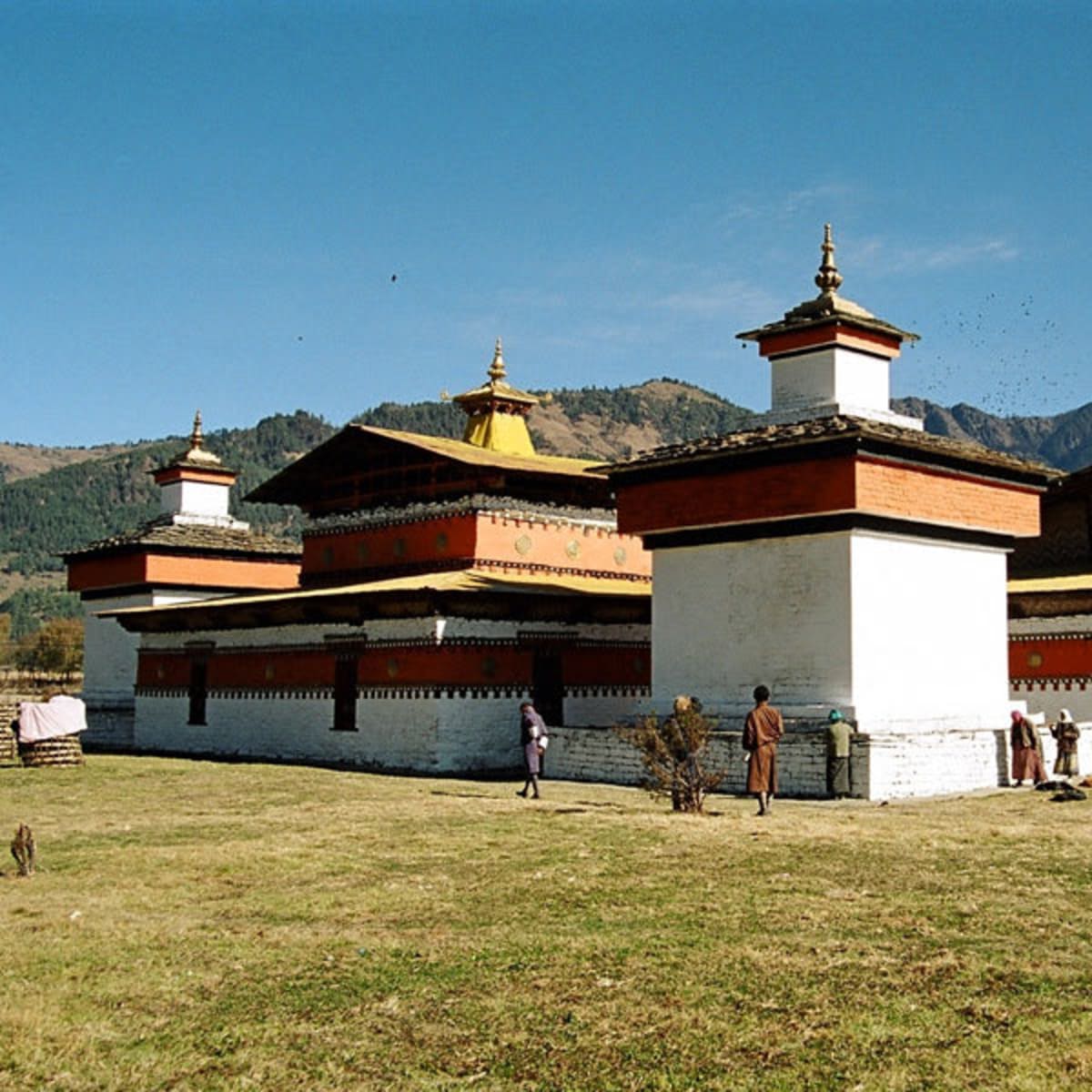
- Location: Jambay Lhakhang, Bumthang
- Duration: 7 days
- Significance: Commemorates Guru Rinpoche’s subjugation of local deities
What Happens:
- Mewang (fire blessing): Sacred fire ritual
- Tor Tshewang: Sacred dance celebration
- Peling Tercham: Masked dances
- Fire jump ceremony: Monks jump through sacred fire
- Local participation: Entire community participates
Why Attend:
- Unique fire blessing ceremony
- Longer festival (7 days)
- Beautiful Bumthang Valley in autumn
- Less crowded than major festivals
- Side trip opportunities
5. Black Necked Crane Festival (November)
- Dates: November 11, 2026 (usually)
- Location: Gangtey-Phobjikha Valley
- Duration: 1 day
- Significance: Celebrates arrival of endangered black-necked cranes
What Happens:
- Crane counting and observation
- Cultural programs by local schoolchildren
- Traditional masked dances
- Conservation awareness programs
- Community celebration
Why Attend:
- Wildlife + culture combination
- Unique conservation focus
- Beautiful Phobjikha Valley
- Less crowded festival
Understanding Tshechu Festivals
What Are Tshechus?
Tshechu means “tenth day” and is held on the 10th day of a Bhutanese month in honor of Guru Rinpoche (Padmasambhava), the saint who brought Buddhism to Bhutan in the 8th century.
Religious Significance
Purpose:
- Honor Guru Rinpoche’s deeds and teachings
- Accumulate merit (good karma)
- Receive blessings
- Purify negative karma
- Teach Buddhist philosophy through dance
Belief: Witnessing cham dances and receiving blessings from lamas can bring spiritual benefits, good fortune, and liberation from suffering.
Cham Dances: Sacred Theater
What Are Cham Dances?
Cham dances are sacred masked dances performed by monks. Each costume, movement, and mask has deep symbolic meaning. These aren’t performances—they’re rituals.
Common Cham Dances:
1. Dramitse Ngacham
- Heroes defeat demon spirits
- Symbolizes triumph of good over evil
- Most famous cham dance
2. Durdag Gye (Black Hat Dance)
- Black hat dancers represent enemy invaders
- They perform violent acts (mock battles)
- Finally convert to Buddhism
- Popular at Paro Tshechu (Day 4)
3. Guru Tshengye Ging Tshe Gye
- Guru Rinpoche manifests as eight different forms
- Each form has specific costume and movements
- Demonstrates Guru Rinpoche’s magical powers
4. Peling Gyelp Sum Tshe Ngay
- Originates from Peling monastery
- Depicts Peling Lama’s magical feats
- Complex choreography and beautiful costumes
Thongdrol: Sacred Liberation
What is Thongdrol? A large appliqué displayed during festivals. Viewing it is believed to liberate viewers from negative karma, granting liberation from the cycle of rebirth.
When is it Unfurled?
- Paro Tshechu: Usually on Day 1 (morning)
- Thimphu Tshechu: On the final day
- Other festivals: May or may not have Thongdrol
Festival Tour Planning Guide
Best Festivals for First-Time Visitors
- Paro Tshechu (March) - Most famous, iconic
- Thimphu Tshechu (September) - Largest, easiest logistics
- Punakha Drubchen (February) - Unique reenactment
For Cultural Enthusiasts
- All major festivals - See the variety across locations
- Jambay Lhakhang Drup - Fire blessing ceremony
- Community festivals - More intimate experiences
For Photographers
- Paro Tshechu - Iconic festival setting
- Thimphu Tshechu - Colorful crowds, many subjects
- Punakha Drubchen - Dramatic reenactment
- Black Necked Crane Festival - Wildlife + culture
For Fewer Crowds
- Community festivals (Dec/Jan)
- Regional festivals (Mongar, Trashigang)
- Ura Yakchoe (unique yak festival)
- Smaller tshechus in rural areas
Booking Festival Tours
Timing is Everything
Peak Season Festivals (book 4-6 months ahead):
- Paro Tshechu (March)
- Thimphu Tshechu (September)
- Punakha festivals (February)
How Far to Book:
- Luxury Hotels: 4-6 months ahead
- Mid-Range Hotels: 3-4 months ahead
- Budget Options: 2-3 months ahead
What Festival Tours Include
Standard Inclusions:
- SDF payment ($100/night)
- Accommodations (in high demand)
- All meals
- English-speaking guide
- Private vehicle
- Festival viewing spots
- Cultural explanation
Premium Inclusions:
- Reserved seating areas
- Professional photography service
- Behind-the-scenes access
- Expert festival guide
- Cultural dress for photos
- Special ceremonies
Festival Tour Packages
5-Day Festival Tour (Paro Tshechu)
- Days 1-2: Paro sightseeing
- Days 3-5: Festival attendance
- Airport transfers
- From: $3,200 per person
7-Day Festival Tour (Thimphu Tshechu)
- Days 1-3: Thimphu exploration
- Days 4-5: Festival attendance
- Days 6-7: Punakha excursion
- From: $3,500 per person
10-Day Festival Hopping
- Multiple festivals (Feb/Mar or Sept/Oct)
- Major tshechus + community festivals
- Cultural immersion
- From: $4,500 per person
Festival Etiquette for Visitors
Do’s and Don’ts
DO:
- Dress modestly (cover shoulders and knees)
- Remove shoes when entering festival grounds
- Stand when locals stand
- Maintain respectful silence during ceremonies
- Follow guide’s instructions on photography
- Arrive early for good viewing spots
- Wear sun protection
- Bring water and snacks
DON’T:
- Block others’ views
- Disrupt ceremonies for photos
- Climb on structures for better views
- Wear shoes inside festival arena
- Take photos during sacred rituals
- Point feet at Buddha images or people
- Use flash photography during dances
- Leave early without proper closure
Photography at Festivals
Guidelines:
- Ask permission before photographing people
- Respect boundaries during sacred rituals
- No flash during performances
- Be considerate with your equipment size
- Share photos with subjects when possible
- Don’t pay for photos (creates problems)
Practical Tips for Festival Attendance
Getting There
- Festival sites fill up early
- Traffic can be heavy
- Walk if staying nearby
- Arrange transport through your operator
Seating
- Bring cushion for stone seating (hard ground)
- Festival areas open early for best spots
- Some operators provide reserved chairs
- Many visitors stand throughout
Weather
- March/April: Pleasant but variable (layers)
- September/October: Mild days, cool nights
- December/January: Cold, dress warmly
Food & Facilities
- Food stalls available but basic
- Limited restroom facilities
- Bring hand sanitizer
- Bring water bottle
- No alcohol sold on festival grounds
2026 Festival Quick Reference
| Festival | Dates | Location | Days | Booking Window |
|---|---|---|---|---|
| Punakha Drubchen | Feb 19-21 | Punakha | 3 | Book by Nov 2025 |
| Punakha Tshechu | Feb 22-24 | Punakha | 3 | Book by Nov 2025 |
| Paro Tshechu | Mar 17-21 | Paro | 5 | Book by Sep 2025 |
| Ura Yakchoe | Apr 15-17 | Bumthang | 3 | Book by Dec 2025 |
| Thimphu Tshechu | Sep 13-17 | Thimphu | 5 | Book by May 2026 |
| Wangdue Tshechu | Sep 24-26 | Wangdue | 3 | Book by May 2026 |
| Jambay Lhakhang Drup | Oct 26-Nov1 | Bumthang | 7 | Book by Jun 2026 |
| Black Necked Crane | Nov 11 | Gangtey | 1 | Book by Jul 2026 |
Special Festival Experiences
Behind-the-Scenes Access
- Meet the dancers before performances
- Visit mask makers and craftsmen
- Receive blessings from participating lamas
- Attend rehearsals (when possible)
- Visit monastery kitchens preparing offerings
Cultural Immersion
- Learn basic cham dance steps
- Try on traditional Bhutanese dress
- Participate in community activities
- Enjoy homestay meals during festivals
- Attend festival preparation ceremonies
Why Book Festival Tours Early?
- Limited Accommodations: Festival season = high demand
- Best Viewing Spots: First come, first served
- Guide Availability: Expert guides get booked early
- Flight Availability: Paro flights fill quickly
- Tour Operator Capacity: Quality operators have limited capacity
Conclusion: Which Festival is Right for You?
- First Visit? → Paro Tshechu (most iconic)
- Largest Festival? → Thimphu Tshechu (easiest logistics)
- Unique Rituals? → Punakha Drubchen (reenactment) or Jambay Lhakhang Drup (fire blessing)
- Wildlife + Culture? → Black Necked Crane Festival
- Fewer Crowds? → Community festivals (Dec/Jan)
No matter which festival you choose, you’ll witness Bhutan’s living Buddhist tradition in its most vibrant, colorful form. The energy, devotion, and cultural richness will stay with you long after you return home.
Since 2008, we’ve organized hundreds of festival tours for our guests. We know the best viewing spots, understand the significance of each ritual, and can provide the cultural context that transforms spectacle into meaningful experience.
Contact us to secure your spot at Bhutan’s 2026 festivals. These popular festivals fill up quickly—we’d love to help you experience the magic.
Send your dates
A festival stay is about USD 1,100 per person. Ten private days for two is about USD 2,600–2,700 per person. The fee is included.