

Festivals
Ura Yakchoe: The Relic That Came in a Milk Pail
The village story of Ura Yakchoe in Bumthang — Lama Thukse Dawa's relic, the yak dance, cobblestone streets at 3,100 meters, and an April and May festival small enough to feel like a household.
The village story of Ura Yakchoe in Bumthang — Lama Thukse Dawa's relic, the yak dance, cobblestone streets at 3,100 meters, and an April and May festival small enough to feel like a household.
In this story
A festival stay is about USD 1,100 per person. Ten private days for two is about USD 2,600–2,700 per person. The fee is included.
Ura Yakchoe: The Relic That Came in a Milk Pail
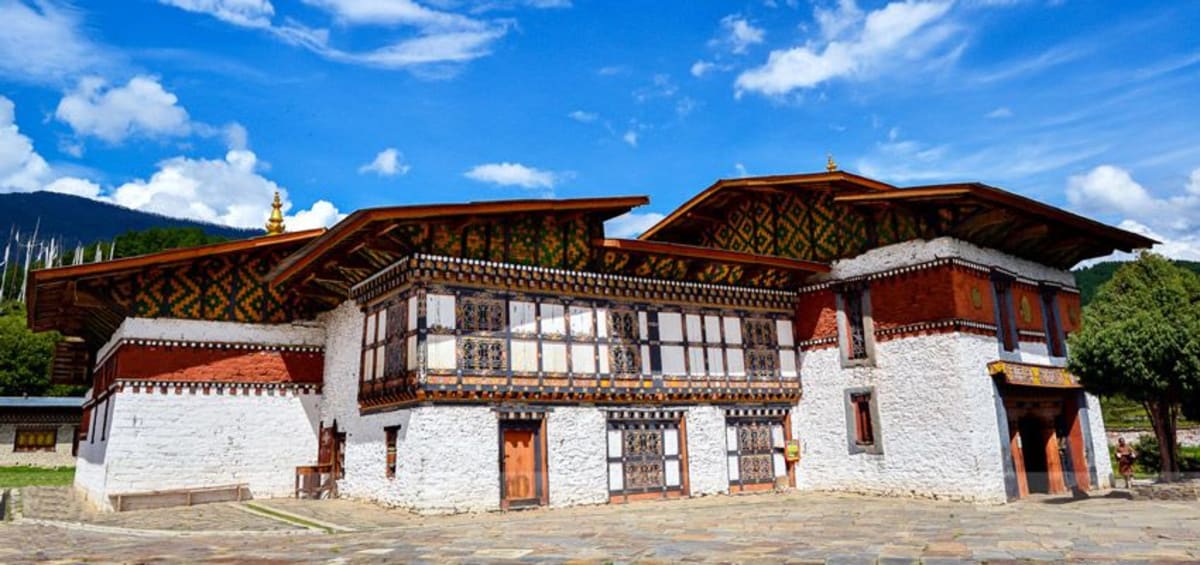
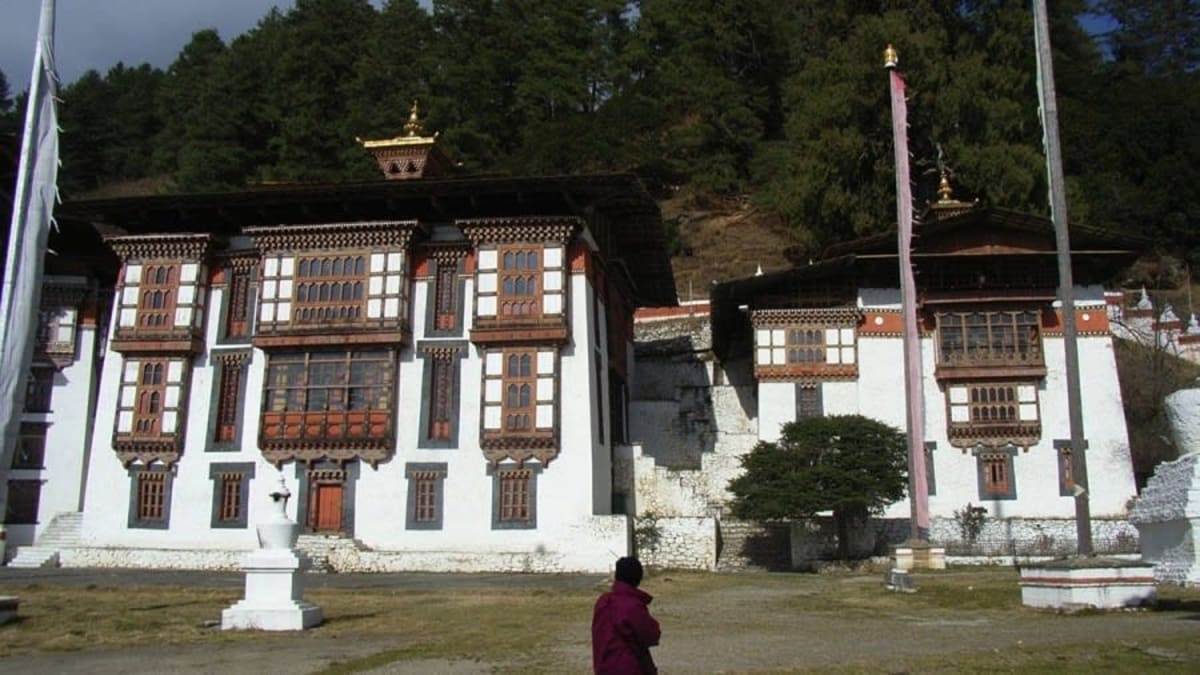
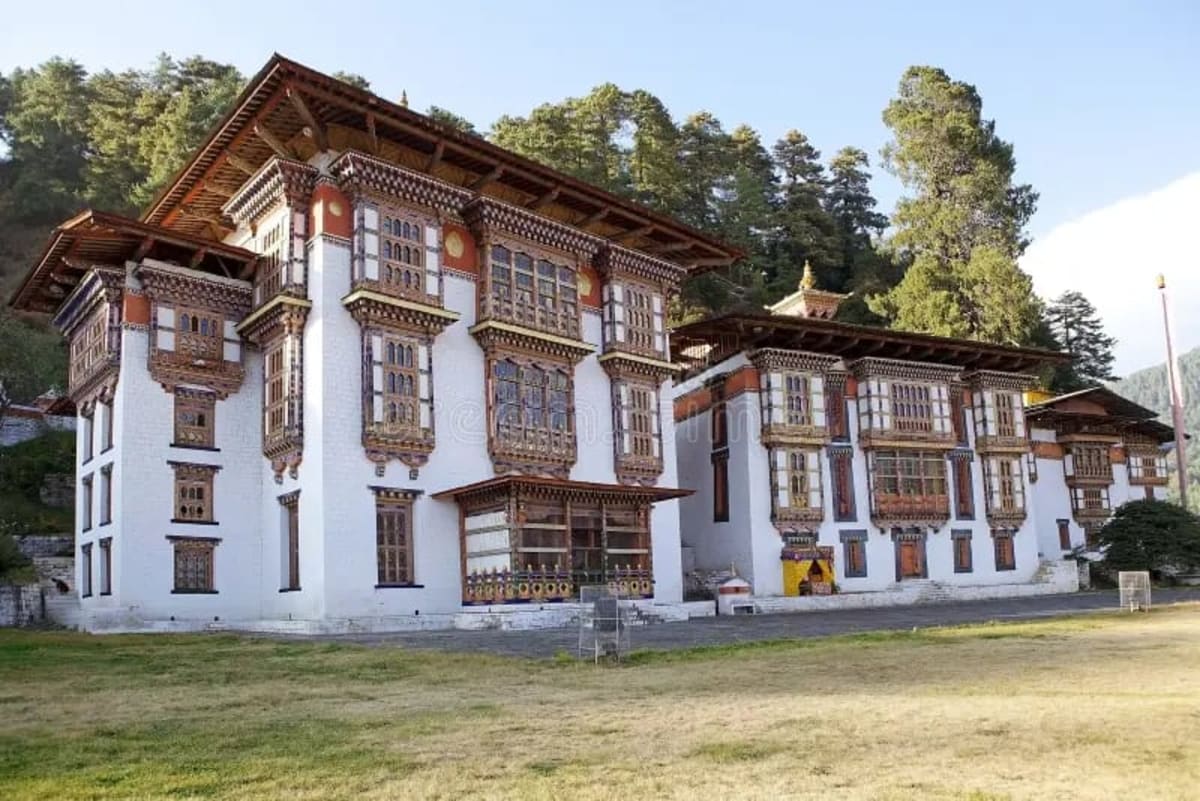
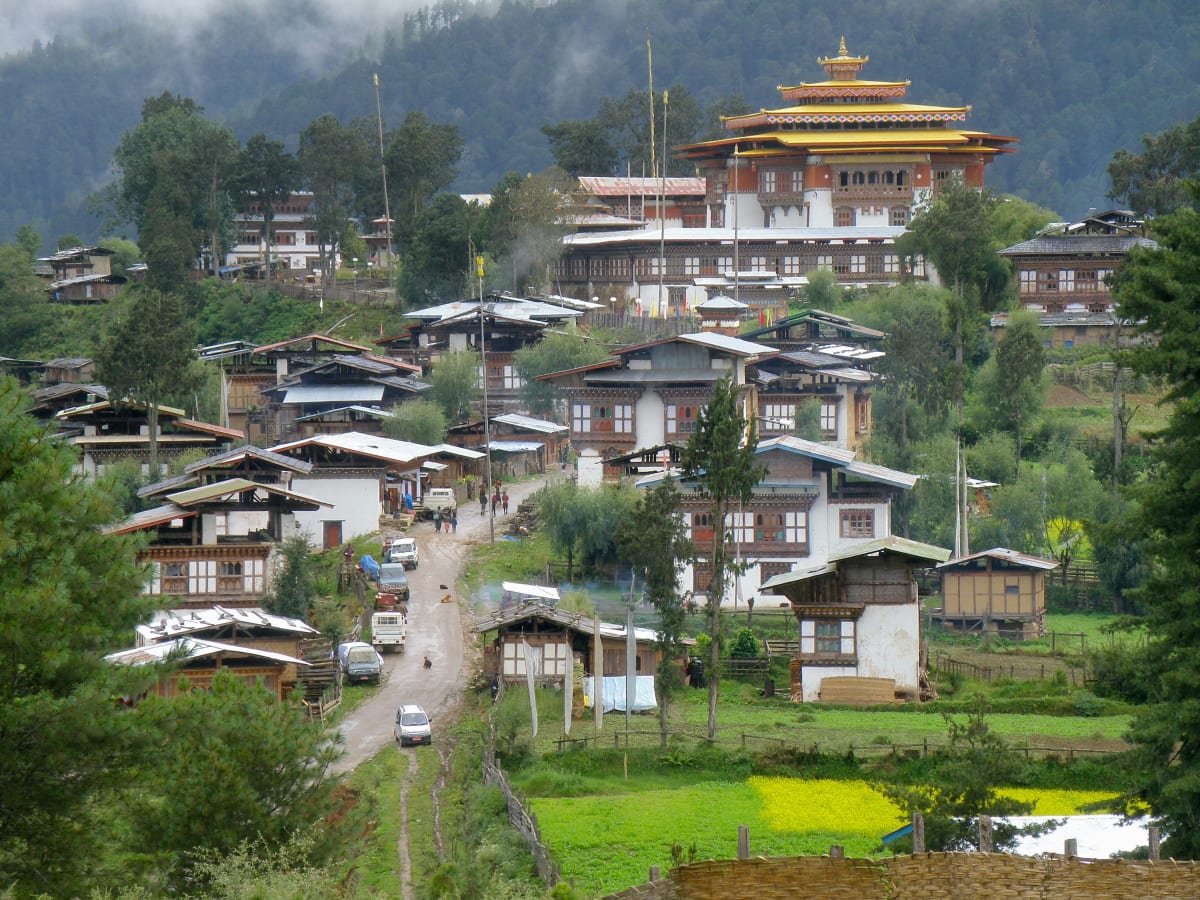
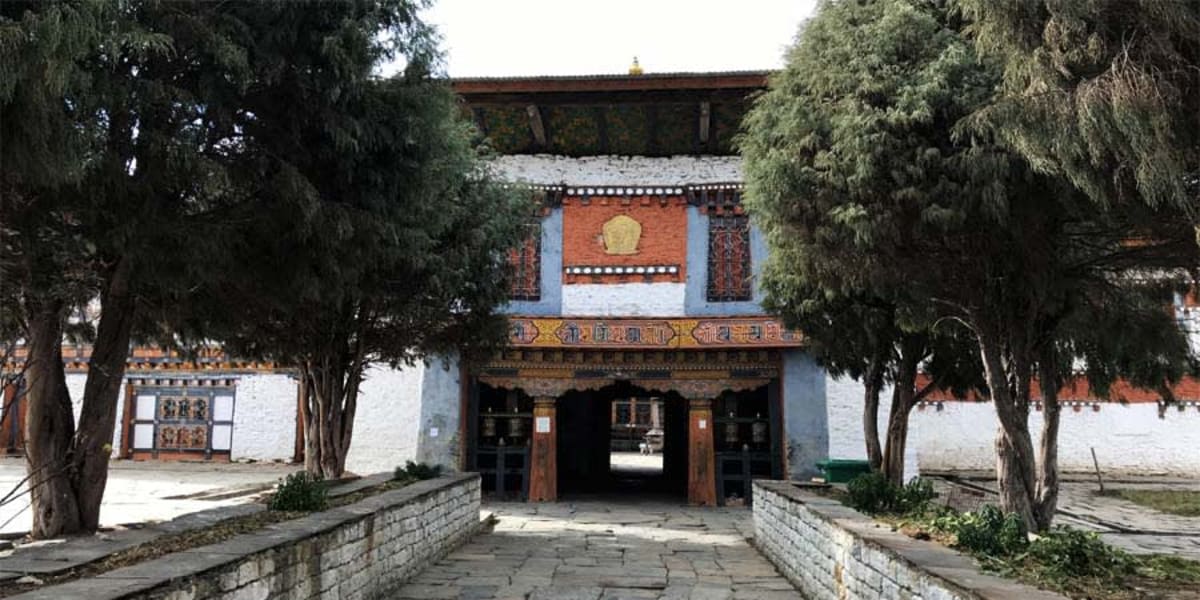
Frost still holds the cobblestones when the first door opens. Ura is a village that looks as if it were assembled by hand and then left, wisely, alone: two-story houses sharing walls against the wind, wooden shingles the color of old tea, a street of fitted stones that leads, as all proper streets here lead, toward the lhakhang. At 3,100 meters the April morning is a blade. A woman in a wool kira steps out with a bucket, sees the prayer flags already moving, and smiles the smile of someone who has not slept enough and does not mind. Today the relic comes out.
Ura Yakchoe is not a dzong festival. There is no fortress to fill with a nation’s worth of silk. There are perhaps seven hundred people in this village on an ordinary day, and during the festival the number swells by cousins, by monks, by a handful of travelers who took the high road from Jakar and did not turn back when the air thinned. The scale is the secret. You can hear a single drum as a single drum. You can see the yak dancer appear between two houses as if a myth had taken a wrong turn and found the right village.
The lama, the milk, and the thing that would not stay hidden
Every household in Ura can tell some version of the relic story, and the versions do not cancel each other; they braid. In one telling, Lama Thukse Dawa — a wandering master, a spiritual son in the old sense, a man whose holiness was not yet obvious to a busy village — came over the ridge with little more than a staff and a bundle. Ura was not unkind, exactly. Ura was busy. High villages are always busy: barley, sheep, the endless arithmetic of winter. The lama was not received as a lama. He left something behind anyway, a relic, a presence, a seed.
In the telling the grandmothers prefer, the seed revealed itself in a milk pail. A woman of the village was milking — yak, some say, which would make the festival’s name a kind of wink; cow, others say, which would make it a miracle in ordinary metal — and there, in the white, a small sacred form, a statue that had not been placed there by any hand she knew. Self-arisen, the temple keepers call such things. The pail, the milk, the dawn: Ura’s theology arrives in the idiom of the dairy.
Thukse Dawa and the woman with the pail are not two religions. They are the same weather system. A saint leaves what a village is not yet ready to honor; a household vessel discloses what the saint left; the village, catching up with itself, builds a festival around the disclosure. The relic is shown during Yakchoe as a public secret, which is the best kind of secret a community can keep: everyone knows, once a year everyone looks, and the rest of the year the lhakhang holds it in the dark like a heart.
I have sat in a kitchen in Ura while this story was told over suja so salty it made a guest blink. The teller did not lower her voice for drama. She lowered it because the relic was in the temple a hundred paces away, and some things are spoken softly when they are nearby.
Some years the village still plays the discovery as a short drama in the local dialect, not for visitors — most visitors would not catch the jokes — but for itself, a way of putting the milk pail back into living mouths. Children know the woman’s lines before they know their multiplication. A boy in a too-large gho mimes the shock of finding a statue in the white, and the courtyard laughs with the particular warmth reserved for a story that is both holy and homemade. Thukse Dawa, in these tellings, is never a distant saint on a thangka. He is the guest who was underestimated, which is a useful teaching in a village that still has to decide, every winter, who is worth a bowl of barley.
A village facing its temple
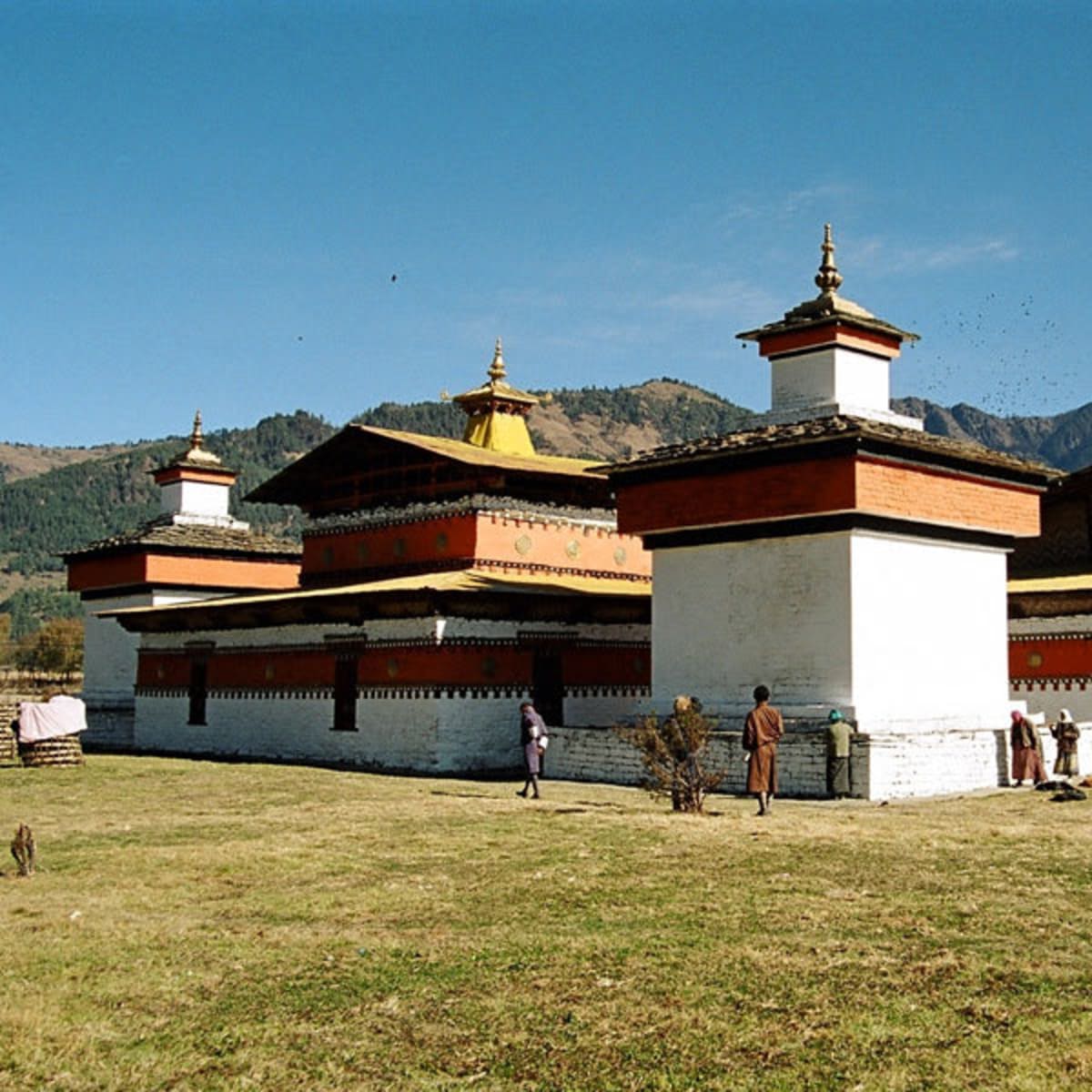
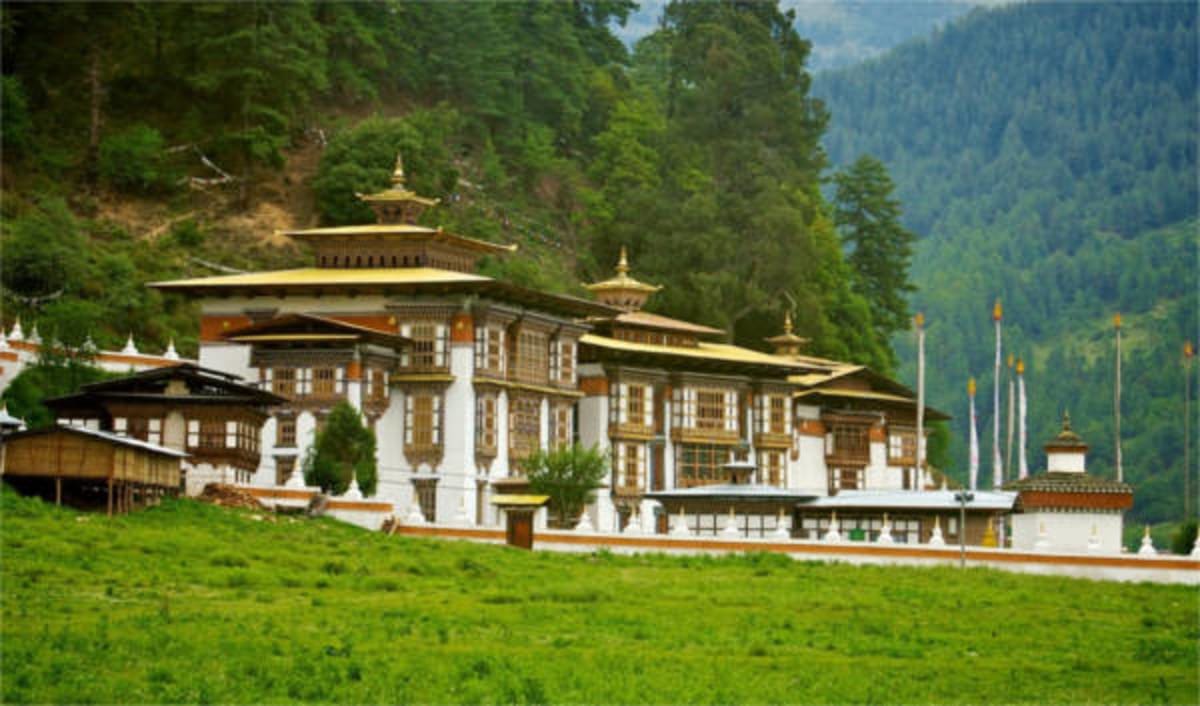
Ura is oriented the way a compass is oriented. Houses look toward the lhakhang. The main stone street runs to the temple door. Wind that would otherwise rake the ridge is broken by the cluster of shared walls. You understand, walking it, that this was never a settlement that happened to have a shrine. The shrine is the reason the roofs lean together. During Yakchoe that architecture becomes choreography. Procession and dance use the street as a nave. Children sit on the cobbles. An old man claims the same doorstep he claimed last year.
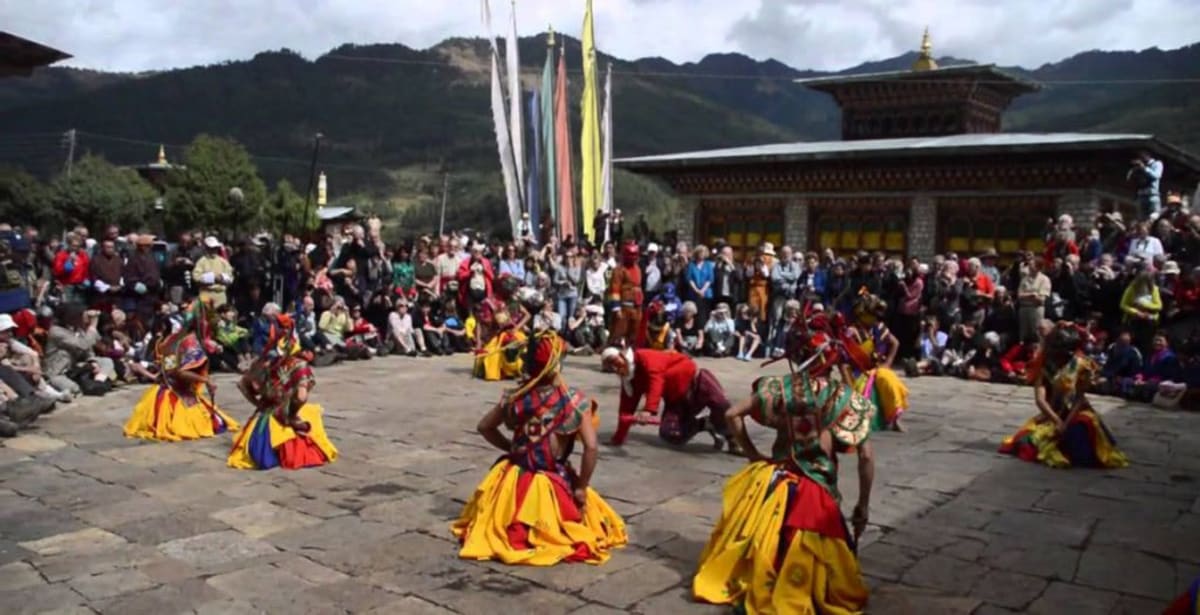
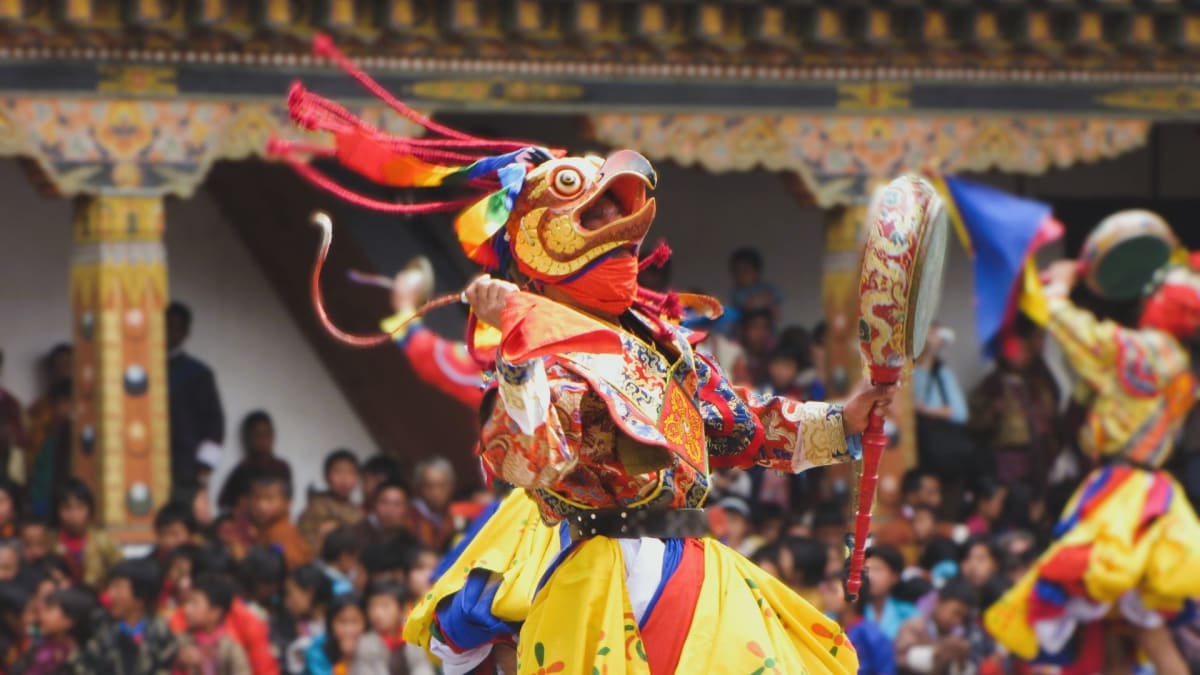
The yak dance — Yak Cham, the heavy, swaying, almost comic and not at all comic arrival of a sacred animal — moves through this nave as if the high pastures had come down to visit. Wool, mask, the dip of a horn: the figure is at once livestock and deity, the valley’s wealth and the valley’s protector. People laugh. People also make way. In a village that still herds sheep and knows the price of a hard winter, a yak on the temple stones is not a mascot. It is a relative.
Atsaras work the crowd with the same red-faced license they have in larger tshechus, but here they know everyone’s nickname. That changes the jokes. A mask that might, in Paro, tease a generic tourist, here teases a specific uncle who drinks too much at funerals. The sacred clowns of Ura are a form of local journalism.
Between dances there is food, and the food is not a stall economy so much as a series of invitations. I have been pulled into a house I did not know and given puta, the buckwheat noodles of Bumthang, and a seat by a bukhari still warm from morning. The woman who poured the tea asked where I was from as a courtesy; she could already tell I was from lower down. Festival in Ura is a set of doors opening. If you stand in the street looking only at the masks, you will miss half the rite.
April light, May light, no stadium
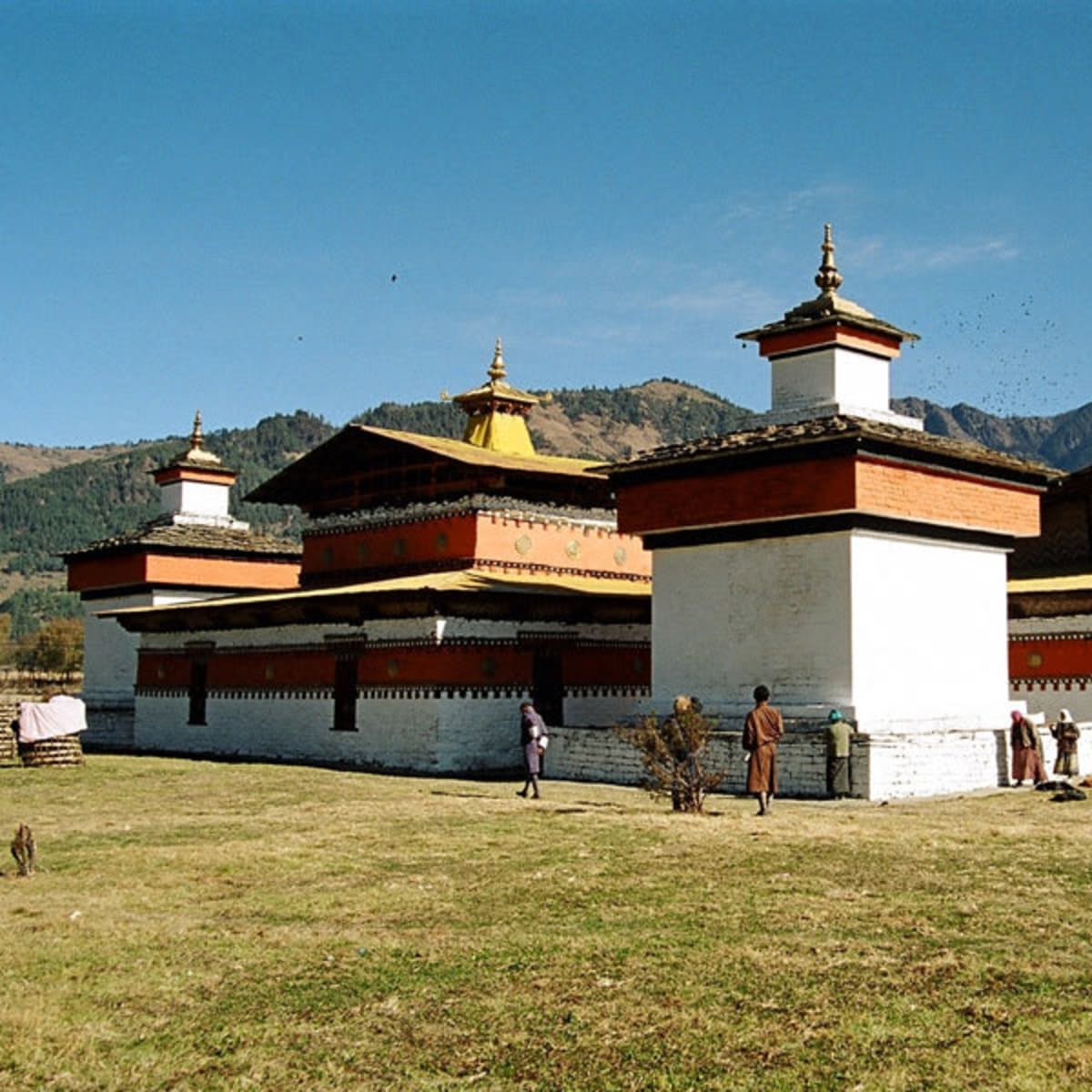
The festival follows the lunar calendar into April or May, when Ura’s frost still visits at night and the barley is only thinking about green. The light at this altitude is a jeweler’s light. Every stone in the street has an edge. Prayer flags crack like small whips. On the ridges around the village the mountains hold snow in the gullies, and when a cloud passes the whole bowl of the valley goes from gold to pewter and back.
What you will not find is a grandstand. What you will not find is a rope telling you where the real Bhutanese stand and where the visitors stand. You will find a place to sit if you arrive with patience, and you will find that the best seat is next to someone who will explain, without being asked twice, which dance is which and why the relic matters more than the yak, or why the yak matters more than the relic, depending on which auntie you asked.
I think of Ura Yakchoe as a correction to the idea that Bhutanese festival means dzong courtyard and national television. Those festivals are genuine and splendid. This one is genuine and small. The difference is not authenticity as a score. The difference is volume. In Ura you can still hear the village thinking. You can still see a teenager who danced this morning stacking firewood this evening, the mask on a shelf, the ordinary world putting its coat back on.
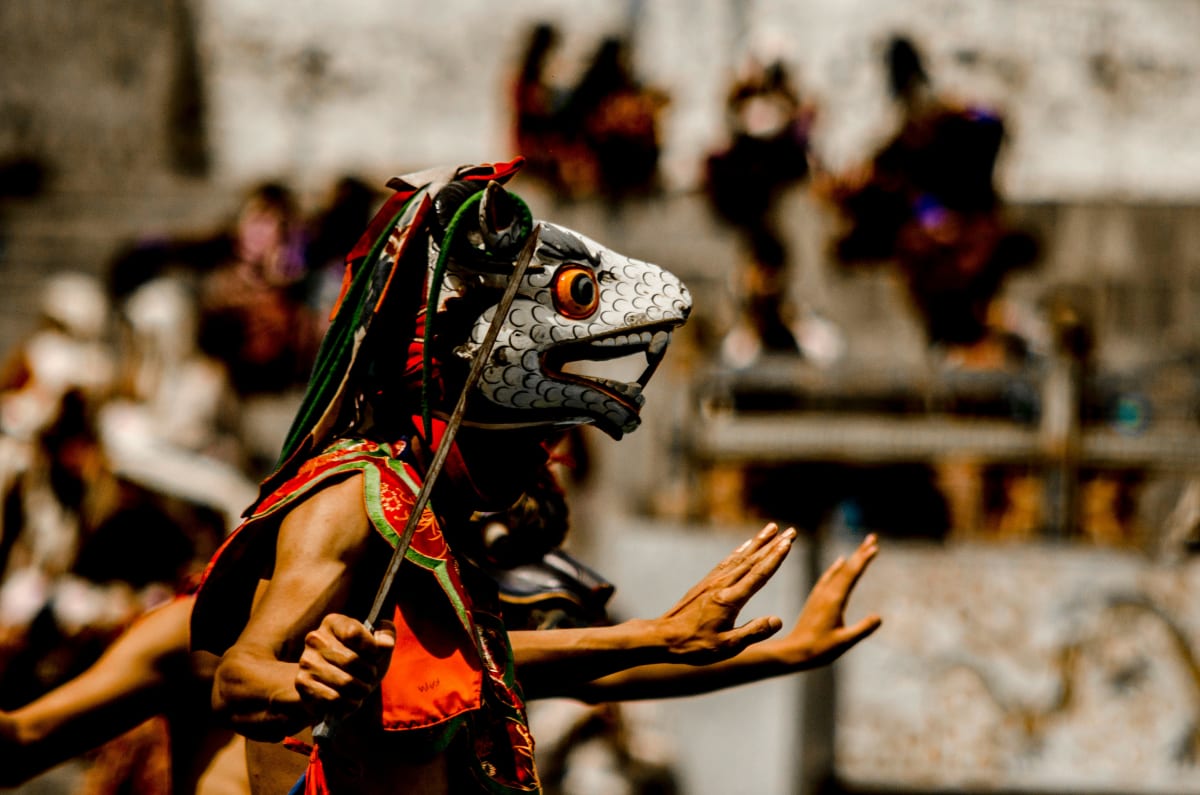
When the relic has been shown and shown again, when the yak has gone back to being a costume in a wooden chest, the cobblestones are just cobblestones, wet where tea was spilled, scuffed where a thousand festival shoes have been. Smoke rises from the same chimneys. A loom — Ura weaves sheep wool in patterns that are not Chumey’s yathra, a geometry of their own — starts again in a back room. Thukse Dawa’s gift, whether it arrived in a bundle or a pail, returns to the quiet. That quiet is not emptiness. It is the sound of a village that has done what it promised the saint it would do.
Ura Yakchoe is held in April or May, a few days whose dates slide with the moon, in the temple-facing lanes of Ura village about two hours by road from Jakar, high enough that you should bring a jacket even when the map says spring. Dress as you would for any lhakhang. Ask before you photograph faces. Eat what you are offered if you can, because refusal in this context is a kind of distance, and distance is the one thing the festival is designed to close. Foreign visitors come with a licensed Bhutanese operator, not as a formality but because the road, the altitude, and the etiquette of a household shrine made public are easier with someone who has cousins in the valley. Come for the relic if you are a pilgrim. Come for the yak if you are a lover of dances. Come, if you are wise, for the frost on the cobblestones and the door that opens before the sun, when Ura is still only itself, about to remember why it faces the temple.
Send your dates
A festival stay is about USD 1,100 per person. Ten private days for two is about USD 2,600–2,700 per person. The fee is included.