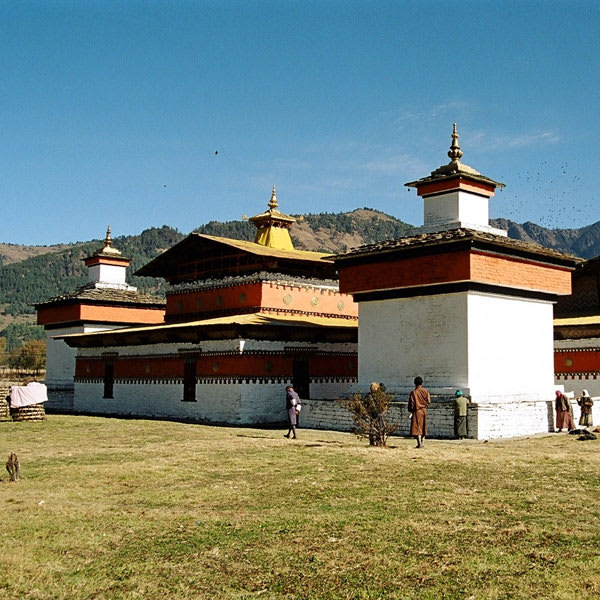
Why Cultural Etiquette Matters in Bhutan
Based on hosting respectful travelers from around the world, we’ve discovered that understanding Bhutanese etiquette dramatically improves your experience. Our guests who take time to learn local customs consistently report deeper connections, more authentic experiences, and genuine relationships with local people.
Why Etiquette Creates Better Experiences
Real Examples from Our Guests
The Cultural Respect Story: “We spent our first day learning basic etiquette from our guide. The rest of our trip was completely different - locals opened up to us, invited us into their homes, and treated us like family rather than tourists. Simple respect made all the difference.” - Couple from Canada, March 2026*
The Learning Curve: “I accidentally broke a taboo by touching a monk’s head (very disrespectful!). Our guide explained gently, I apologized sincerely, and instead of being offended, the monk laughed and taught me more customs. People appreciate effort to learn.” - Solo traveler from USA, February 2026*
Essential Buddhist Customs to Understand
Core Buddhist Principles in Daily Life
What This Means for Visitors:
- Non-Harming: Ahimsa extends to all beings (including insects!)
- Compassion: Kindness to everyone, even when things go wrong
- Mindfulness: Being present and aware in sacred spaces
- Respect: For all beings, sacred objects, and traditions
- Patience: Things move slower in Bhutan - accept this gracefully
Sacred Object Respect
What’s Sacred (and How to Treat It):
- Religious Images: Statues, thangkas, paintings - never touch
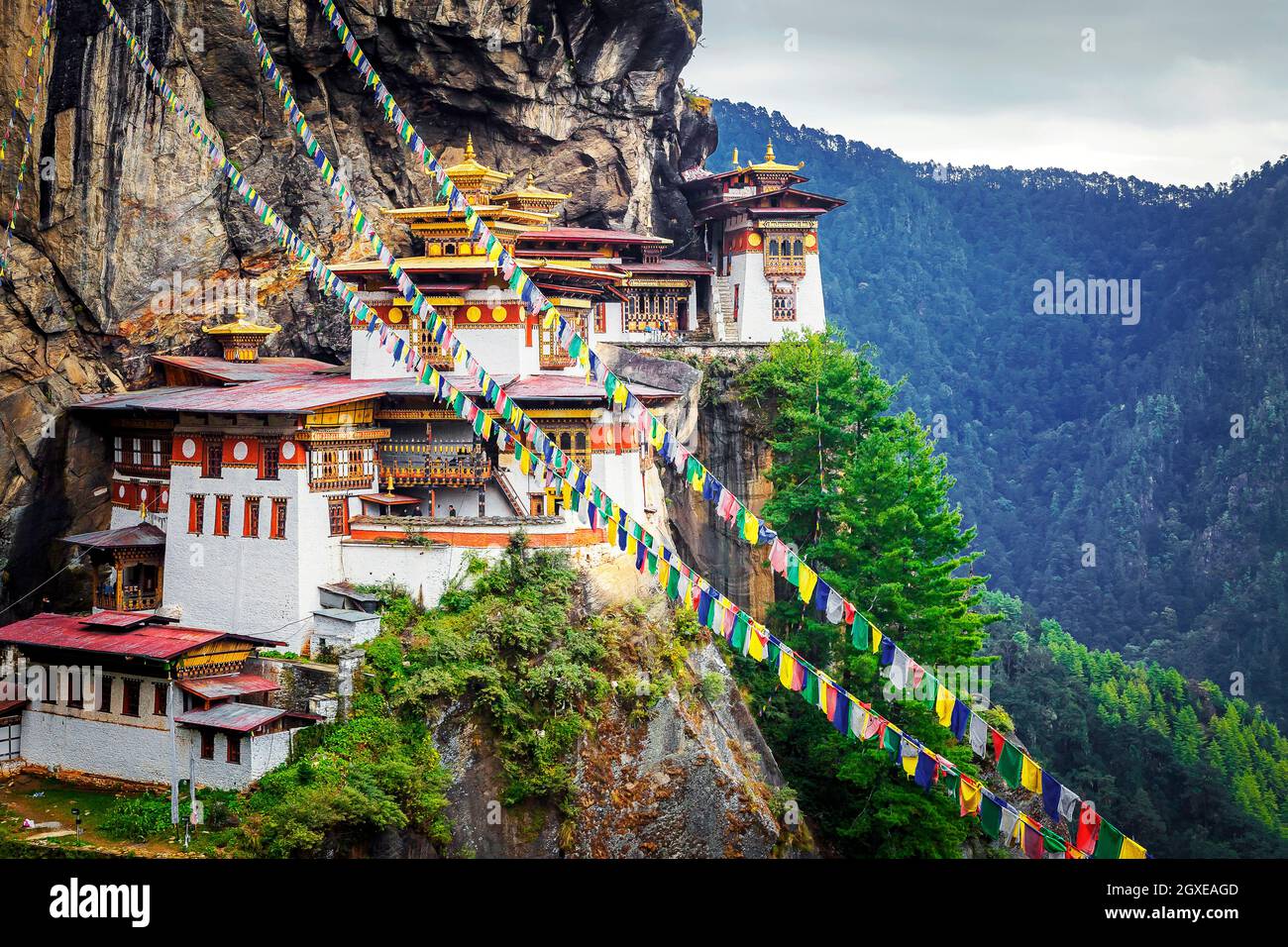
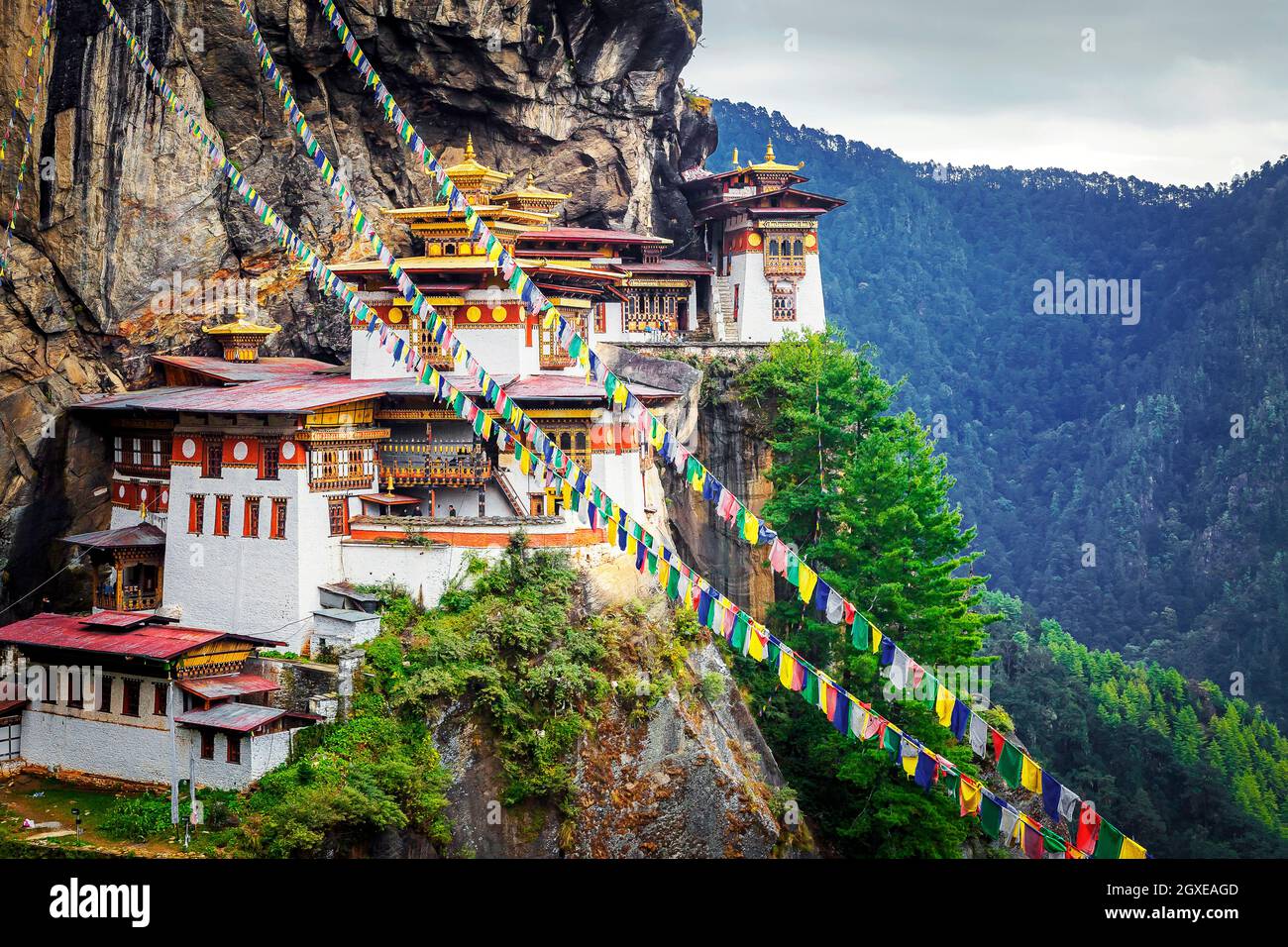
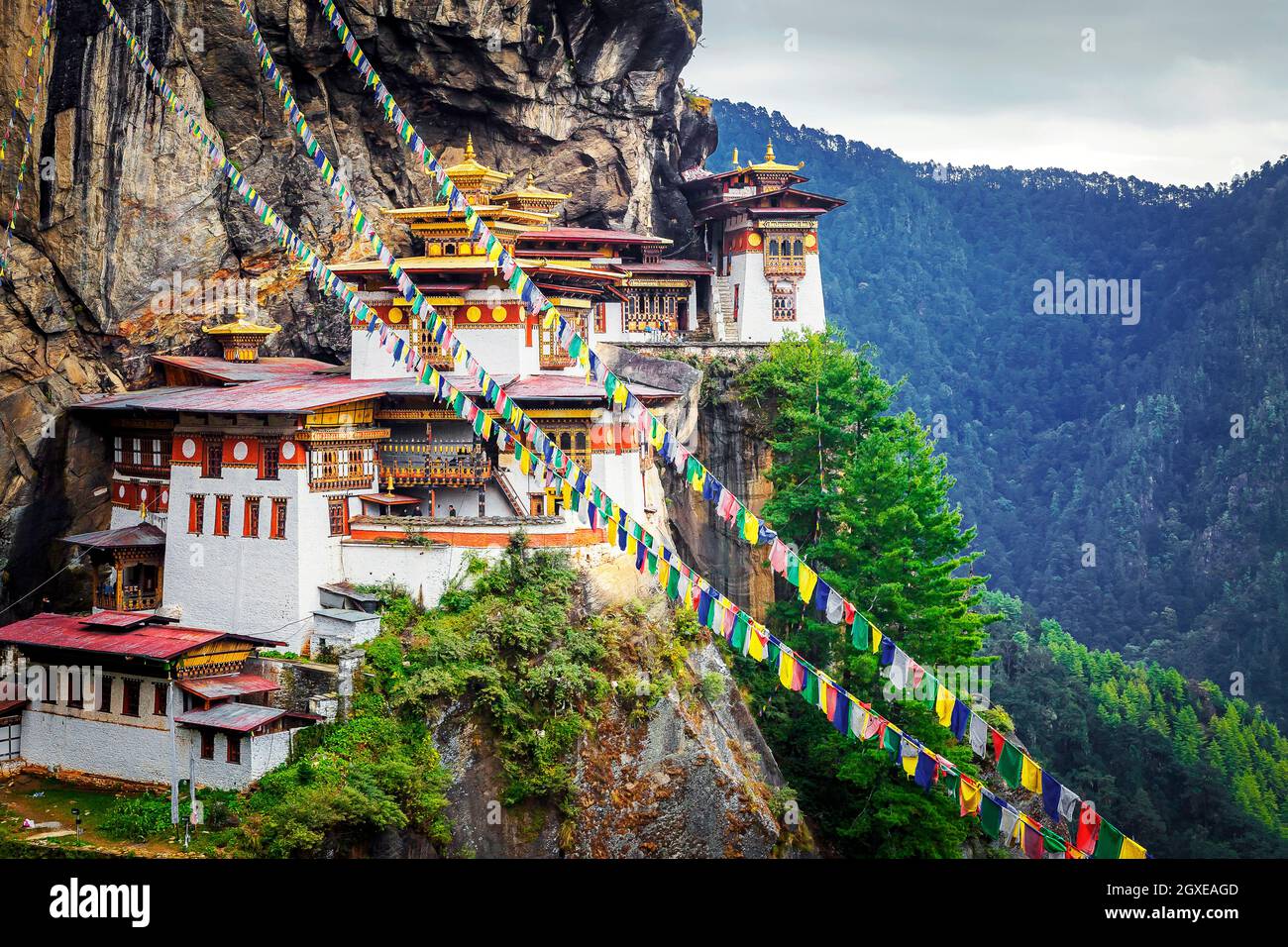
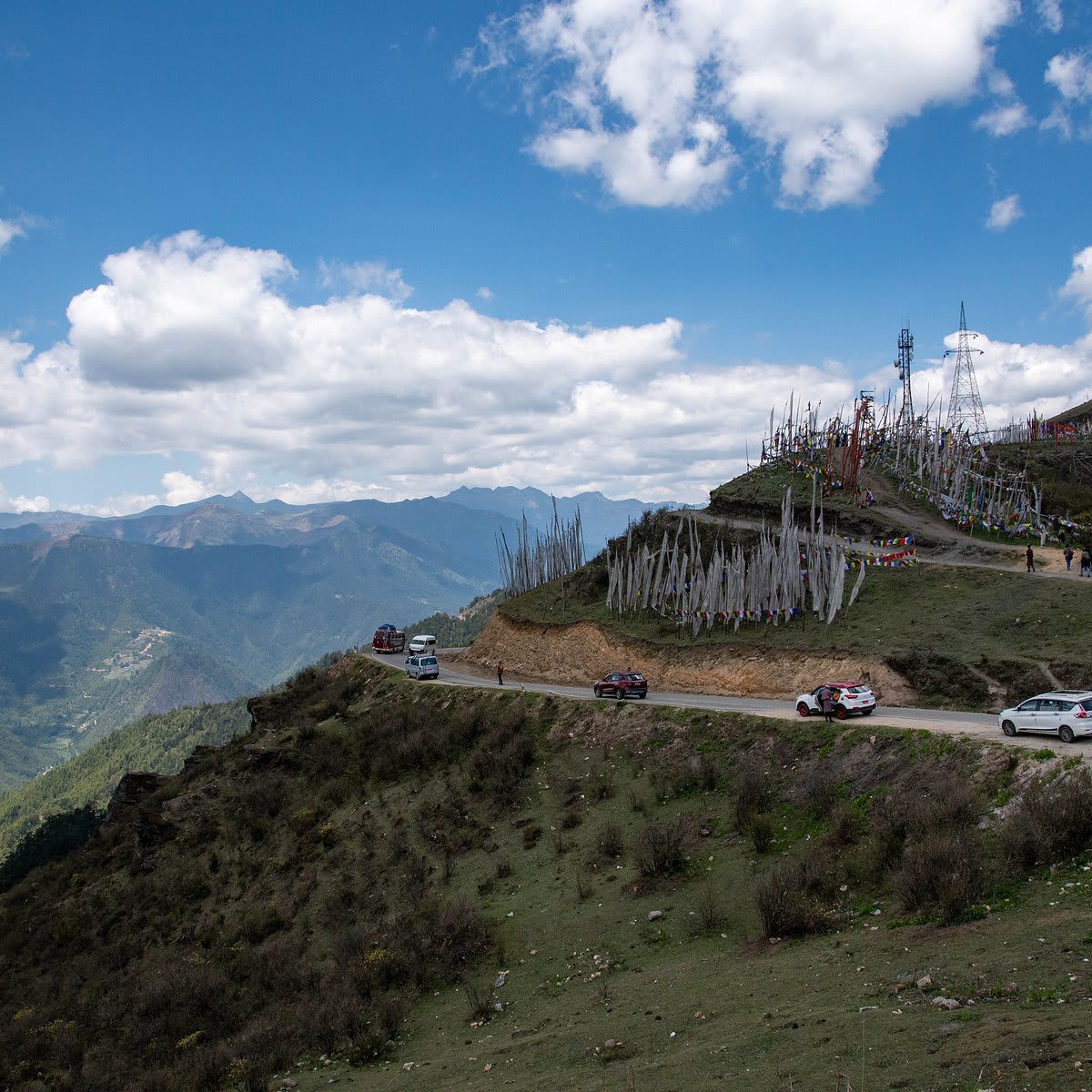
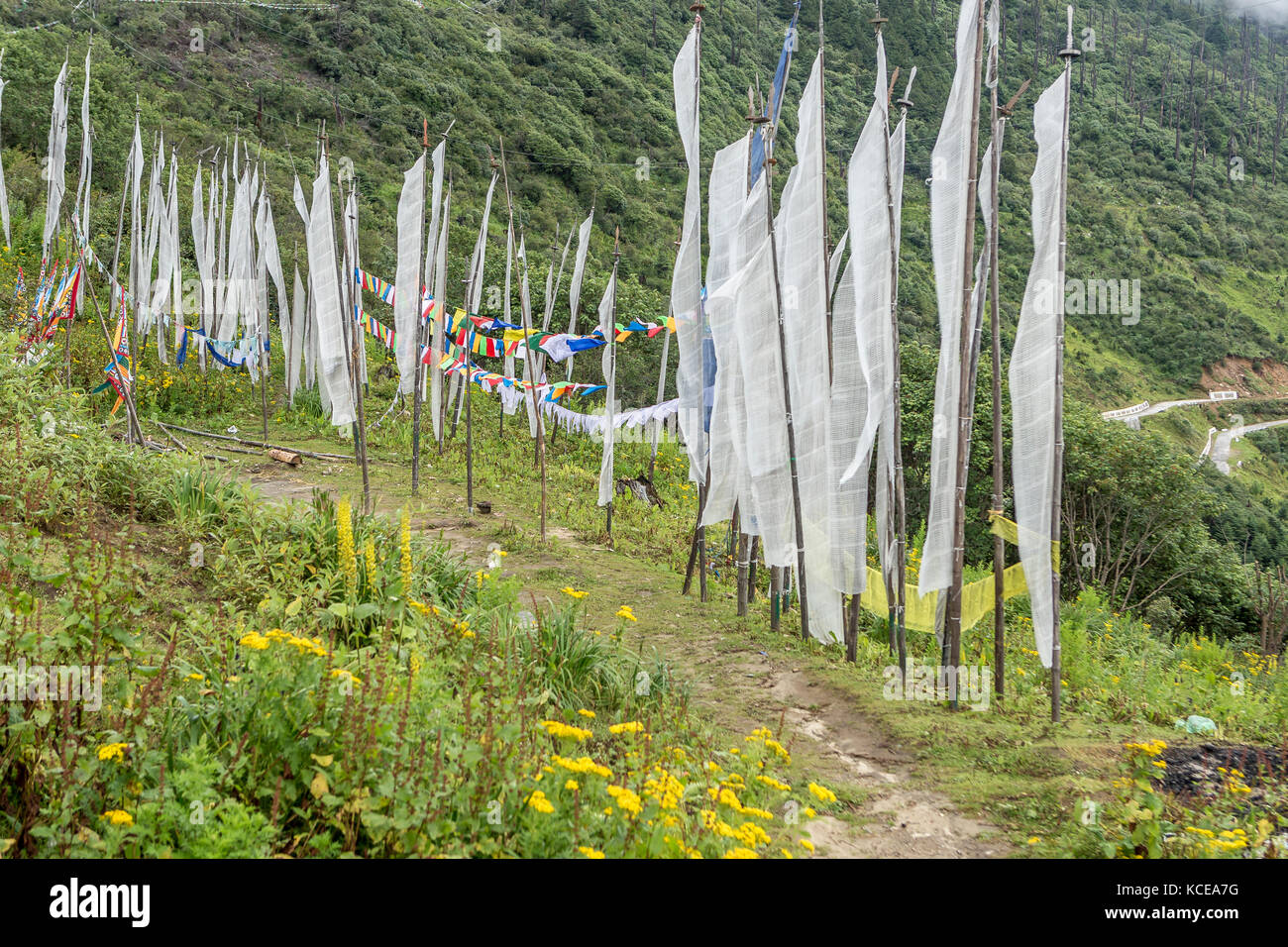
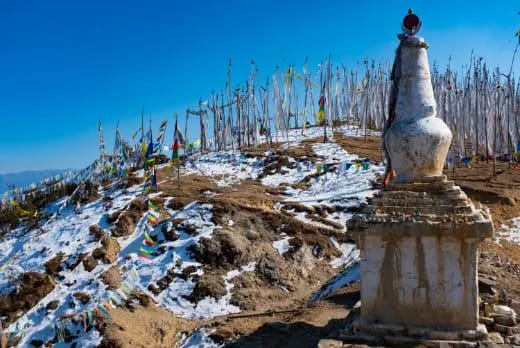
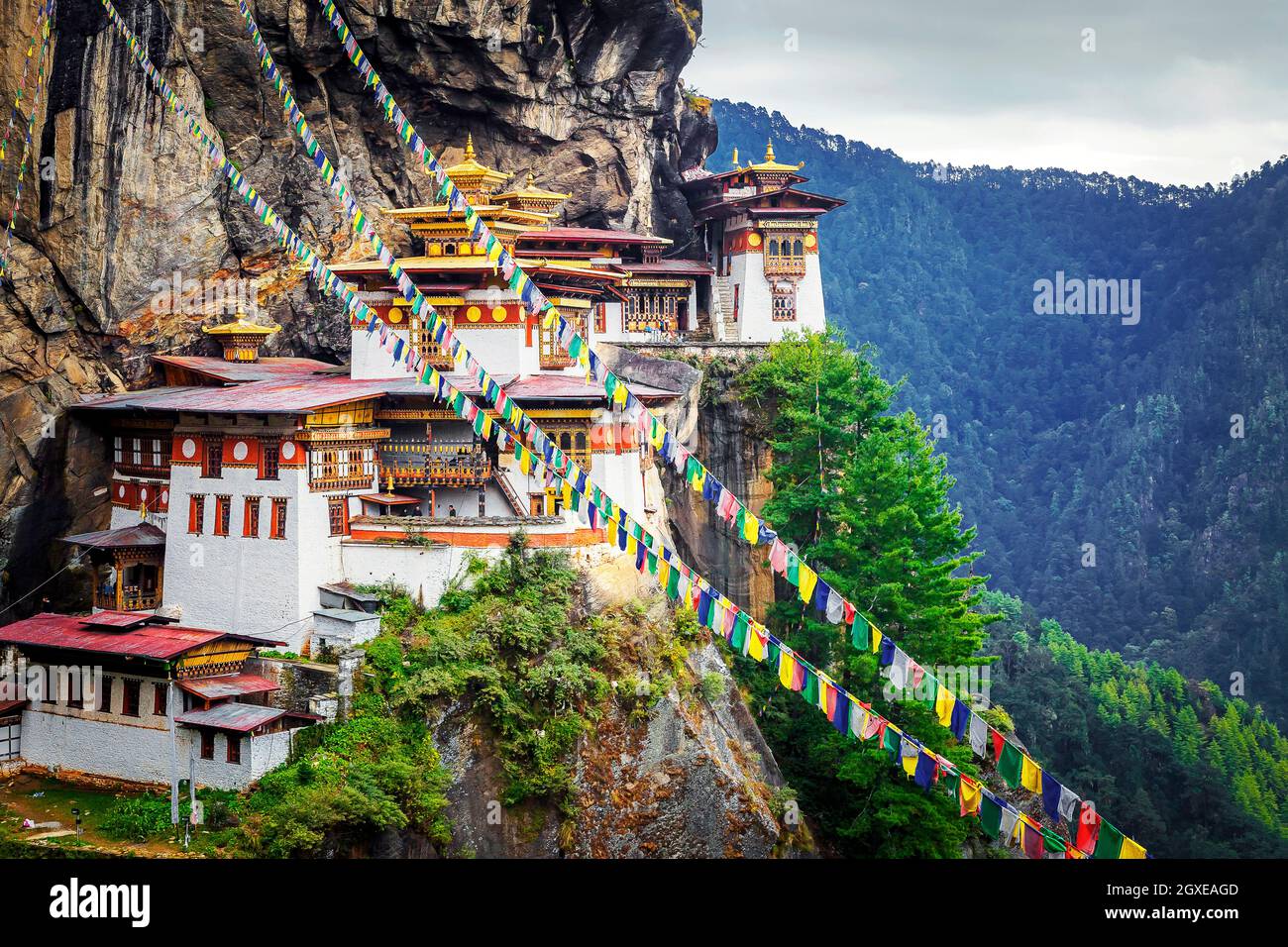
- Prayer Flags: Never walk under (walk around or over)
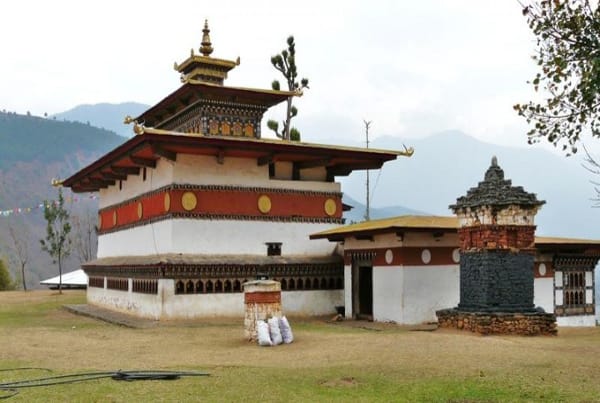
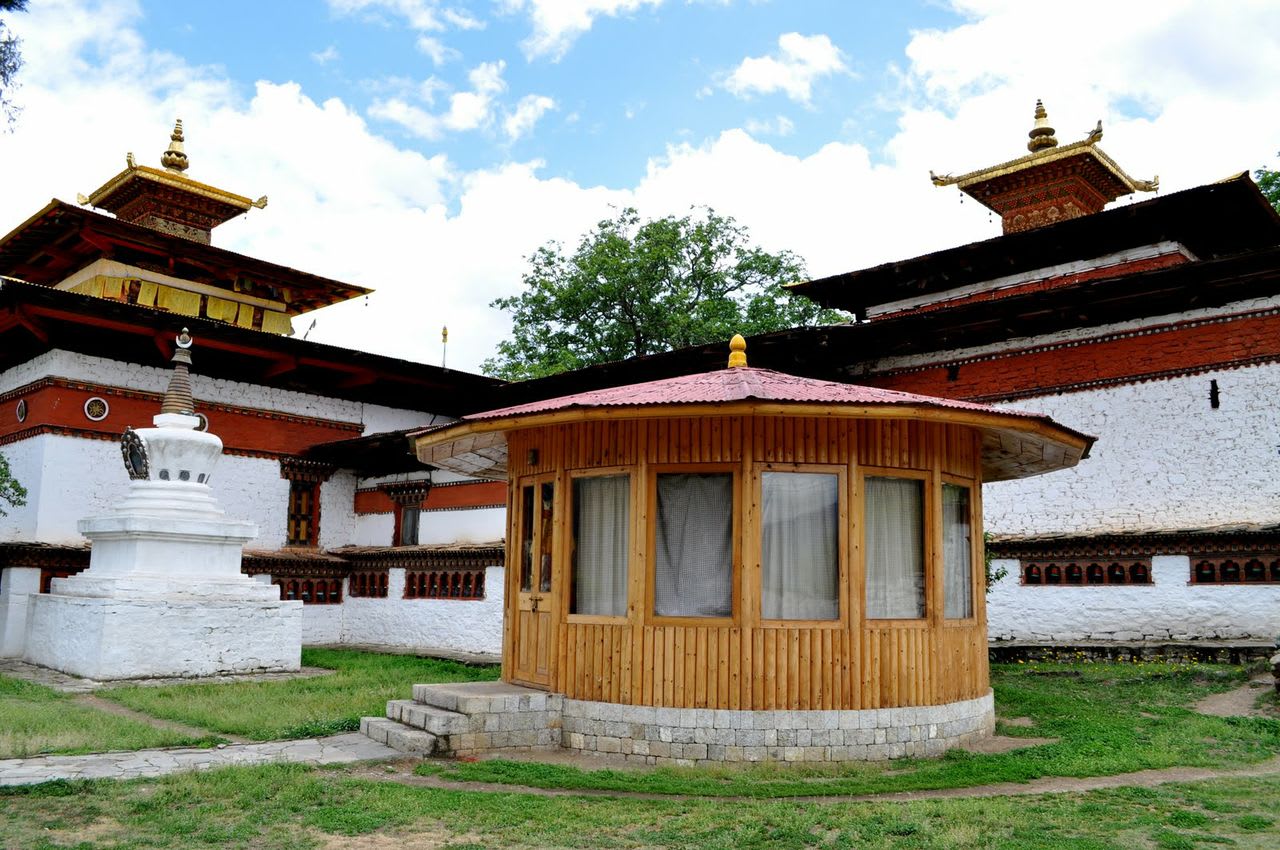
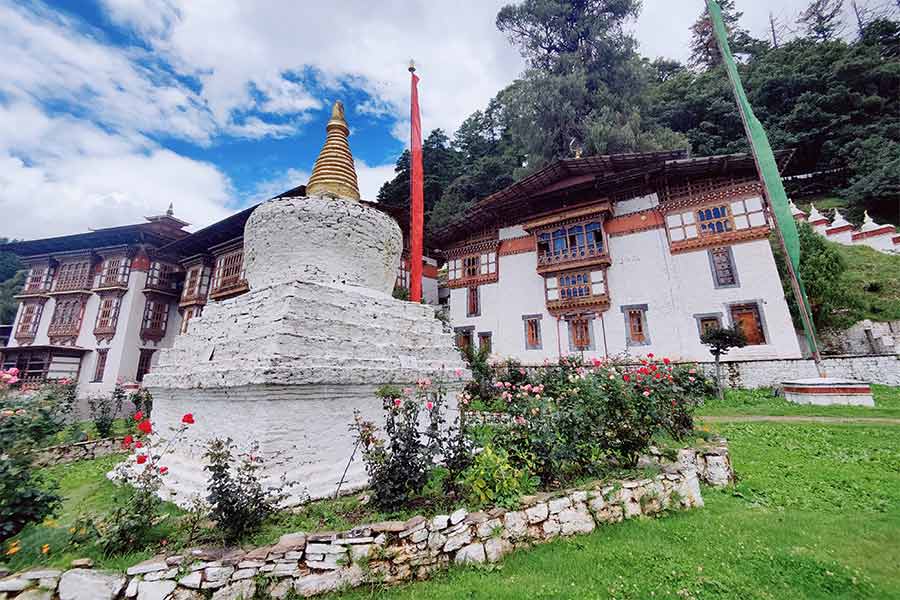
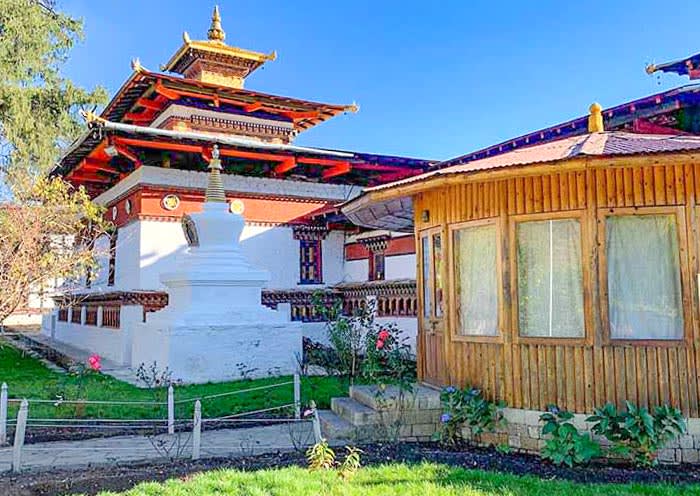
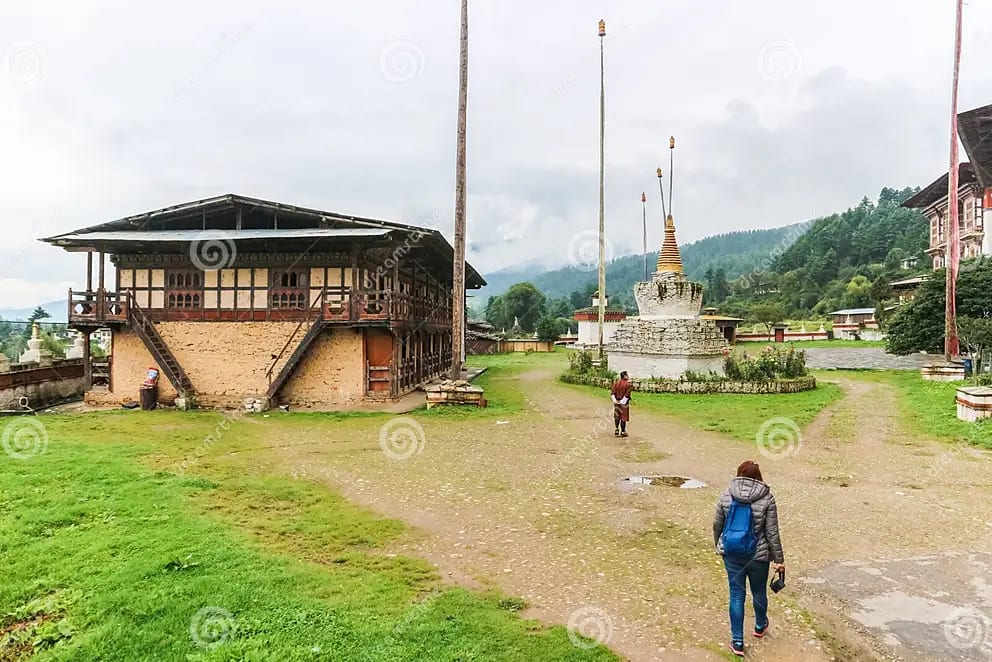
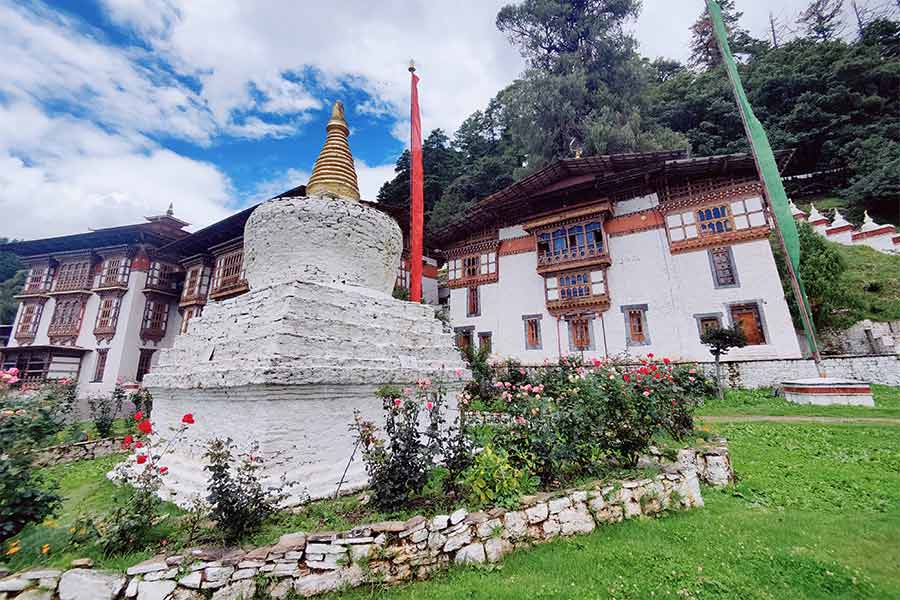
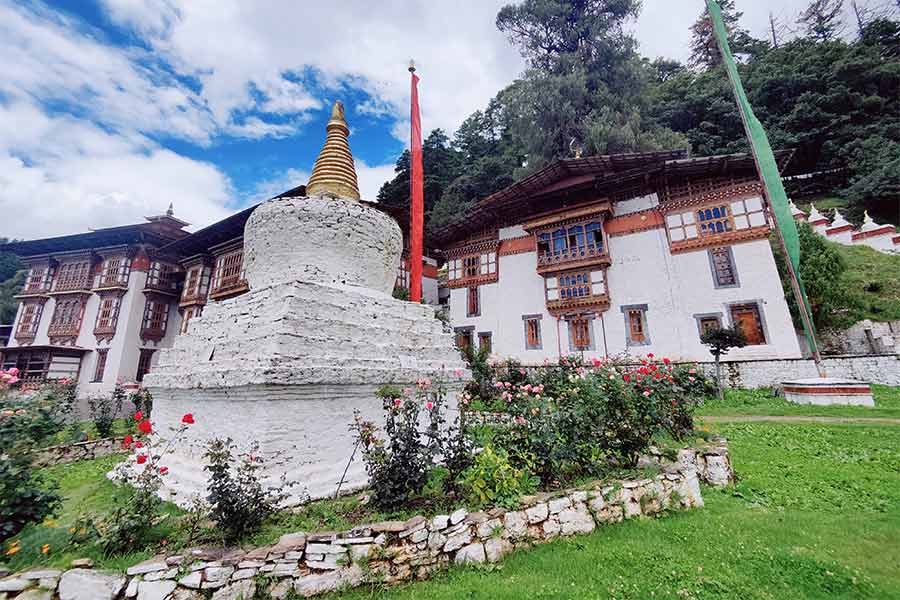
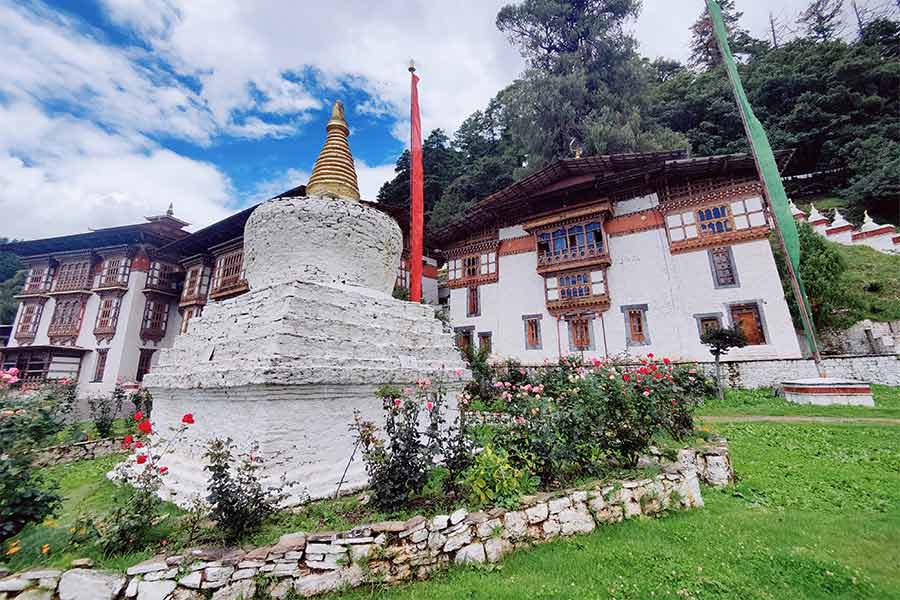
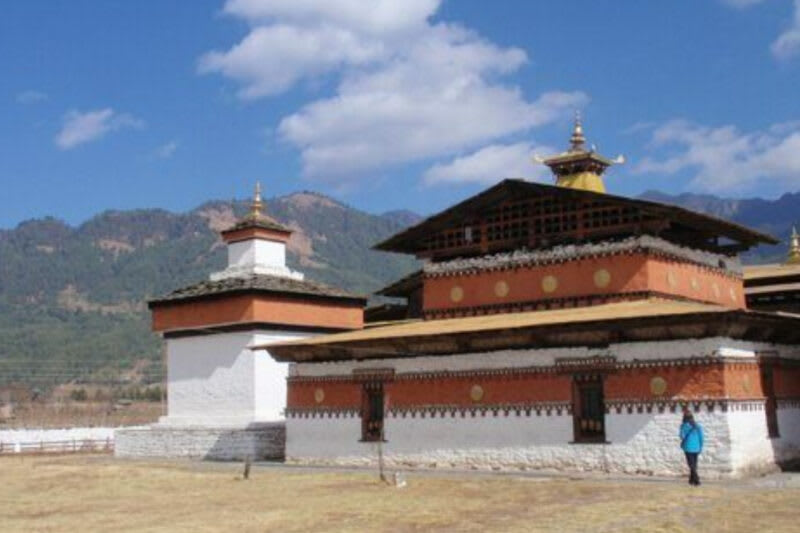
- Stupas/Chortens: Circumambulate clockwise (left shoulder to center)
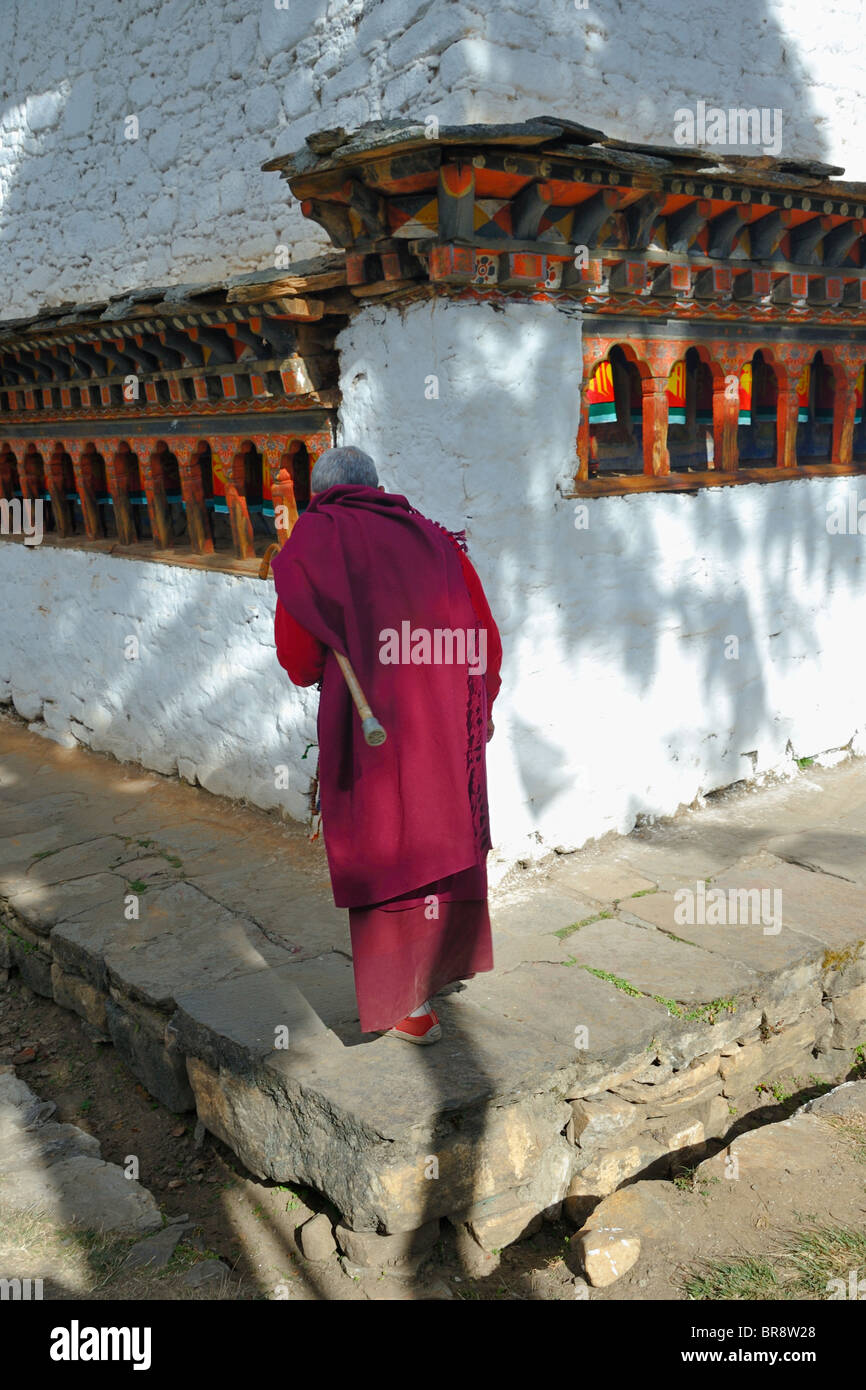
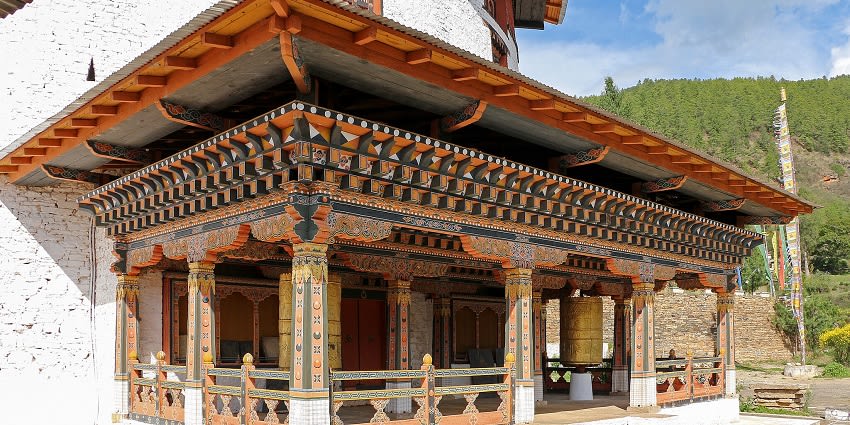
- Prayer Wheels: Spin clockwise, never reverse
- Religious Texts: Never place on ground or touch with feet
Sacred Space Behavior:
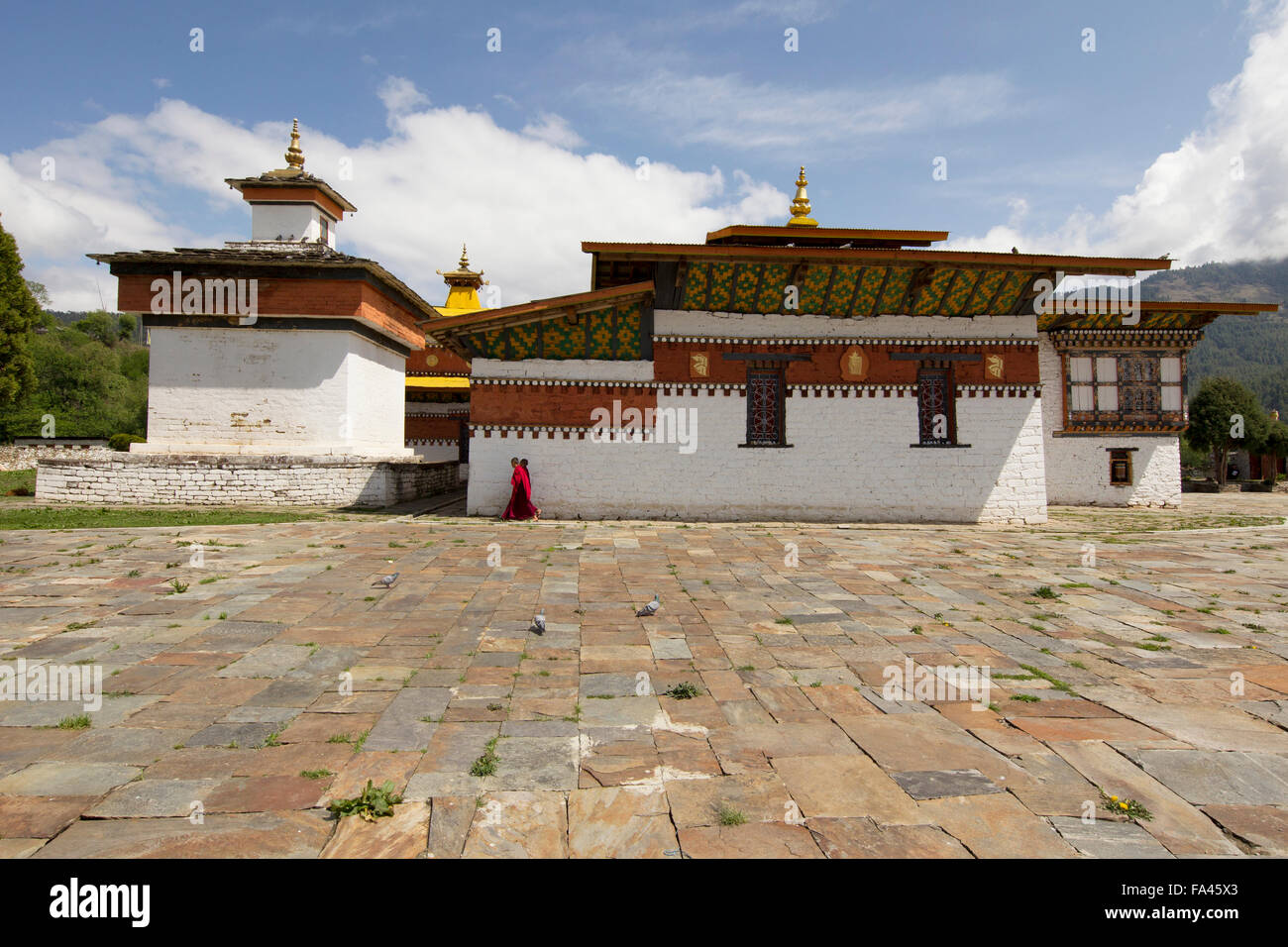
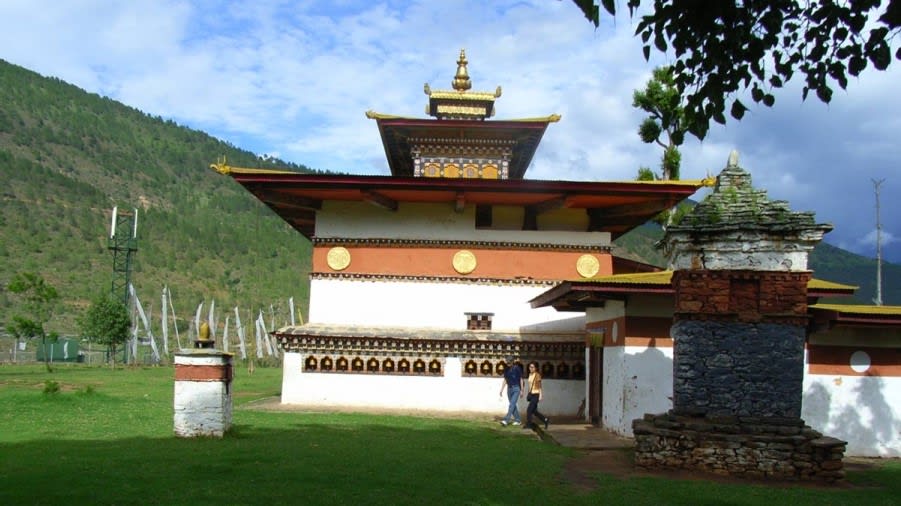
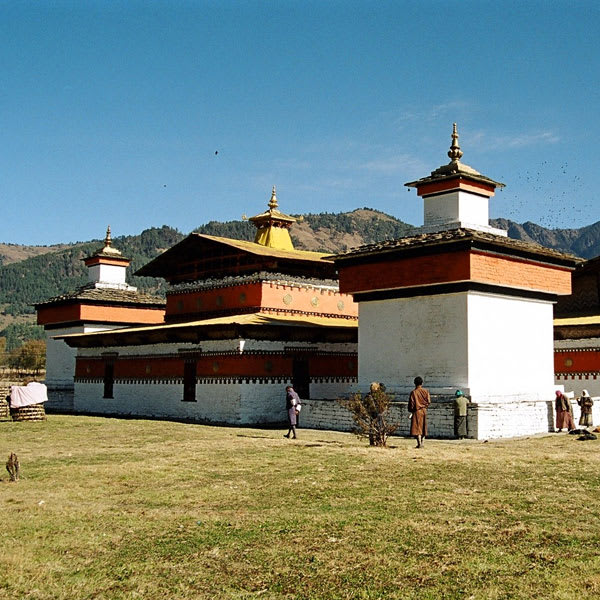
- Temples: Remove shoes before entering
- Shrines: Never point feet toward Buddha images or altars
- Photography: Always ask permission first
- Silence: Maintain quiet in meditation areas
- Respect: Even if you don’t believe, respect others’ faith
Greeting and Interaction Customs
The Traditional Bhutanese Greeting
How to Greet Properly:
- Verbal: “Kuzuzangpo” (Hello) or “Tashi Delek” (Good luck/blessings)
- Body Language: Slight bow, palms pressed together (namaste-style)
- Elders First: Greet older people before younger
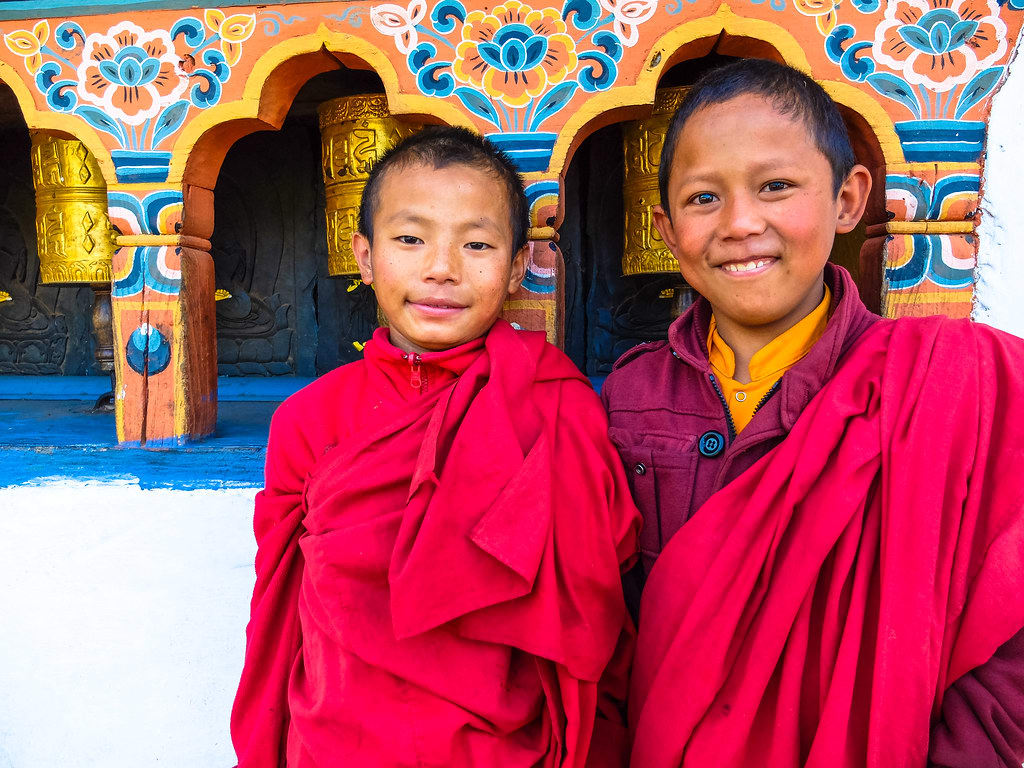
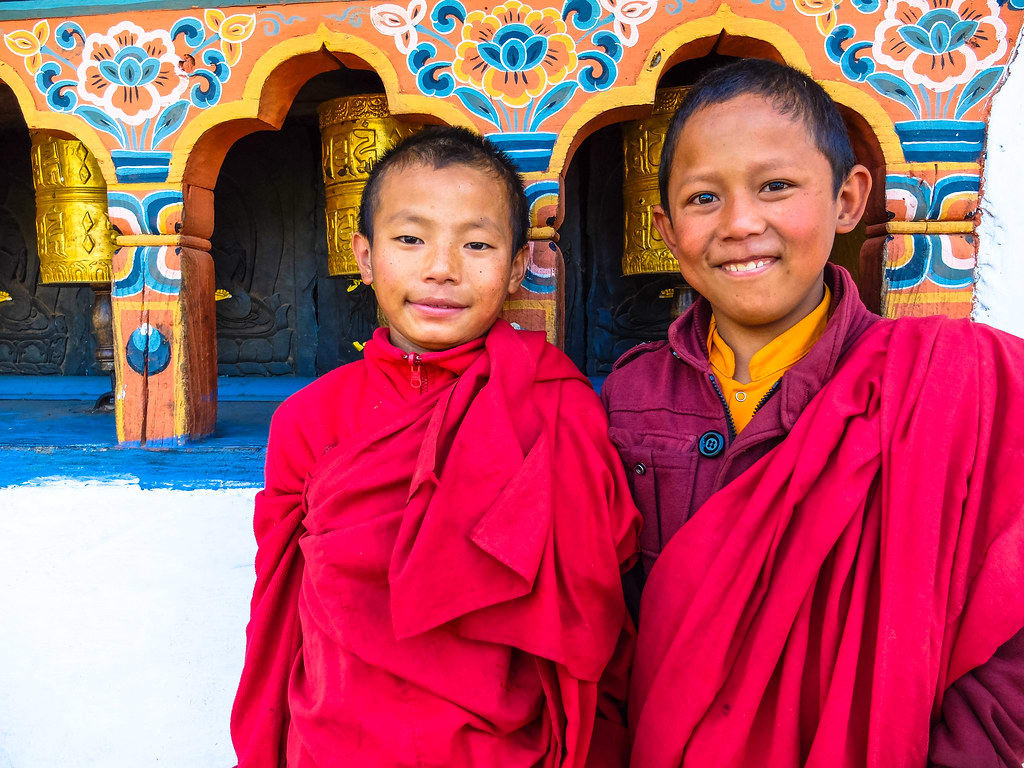
- Monks: Show extra respect to those in robes
Physical Contact Guidelines
What’s Appropriate:
- Handshakes: Common with Westerners, less so with traditional Bhutanese
- Touching Heads: NEVER touch anyone’s head (very sacred)
- Public Affection: No public displays of affection (even hand-holding)
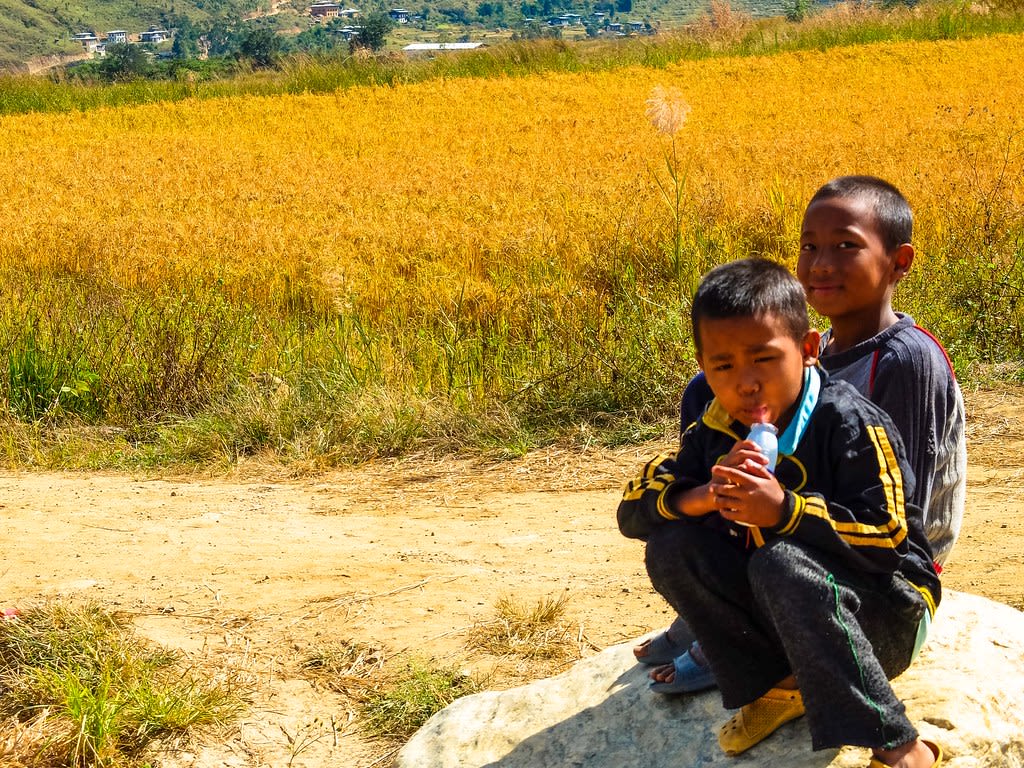
- Children: Ask before photographing or touching children
- Feet Pointing: Never point feet toward people or sacred objects
Conversation Etiquette
Cultural Communication Style:
- Indirect Communication: Bhutanese rarely say direct “no”
- Politeness: Emphasis on harmony over directness
- Questions: Show interest in their lives and culture
- Religion: Respectful curiosity about Buddhism welcomed
- Politics: Avoid controversial political topics
Dress and Appearance Guidelines
Proper Dress Code
What to Wear:
- Modest Clothing: Cover shoulders and knees
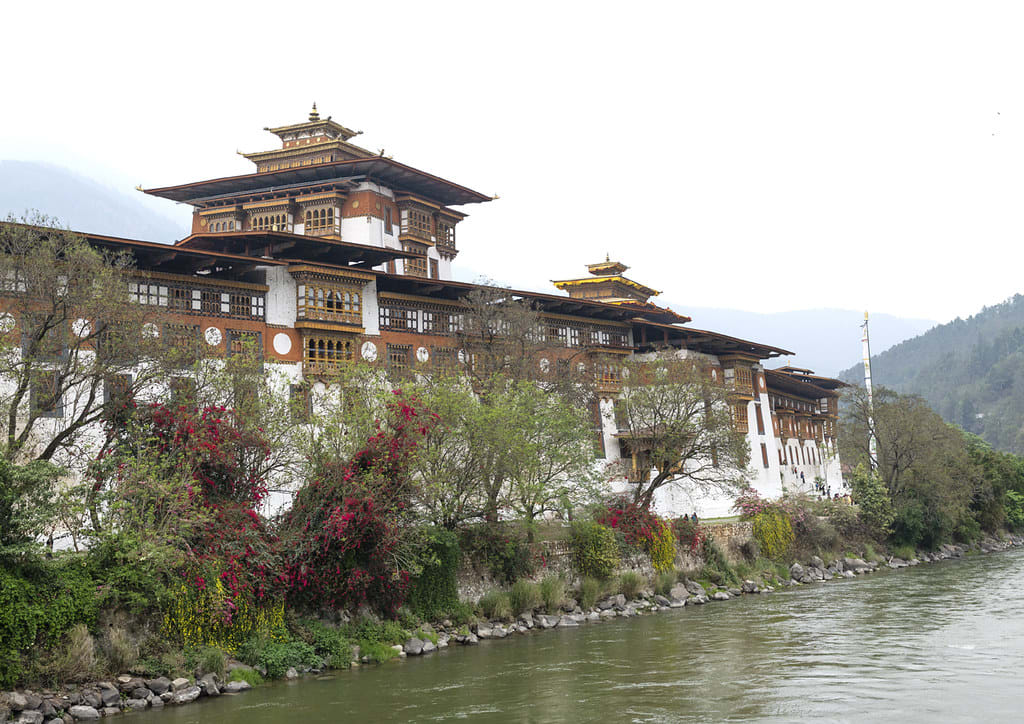
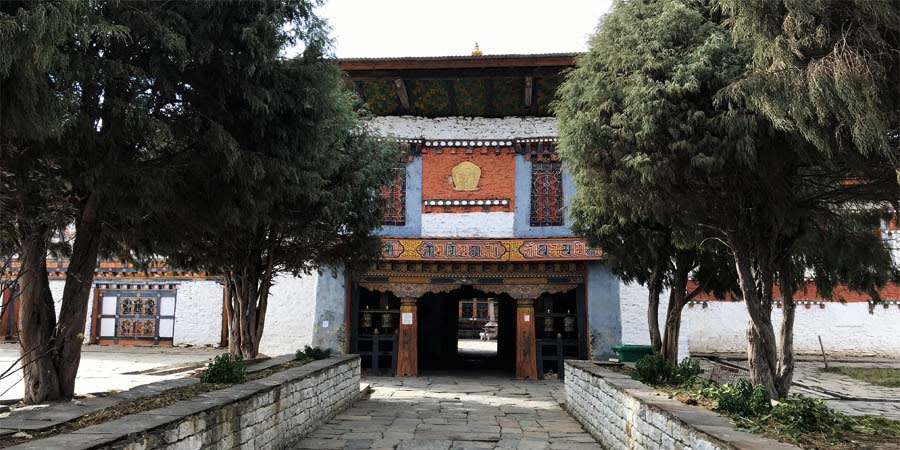
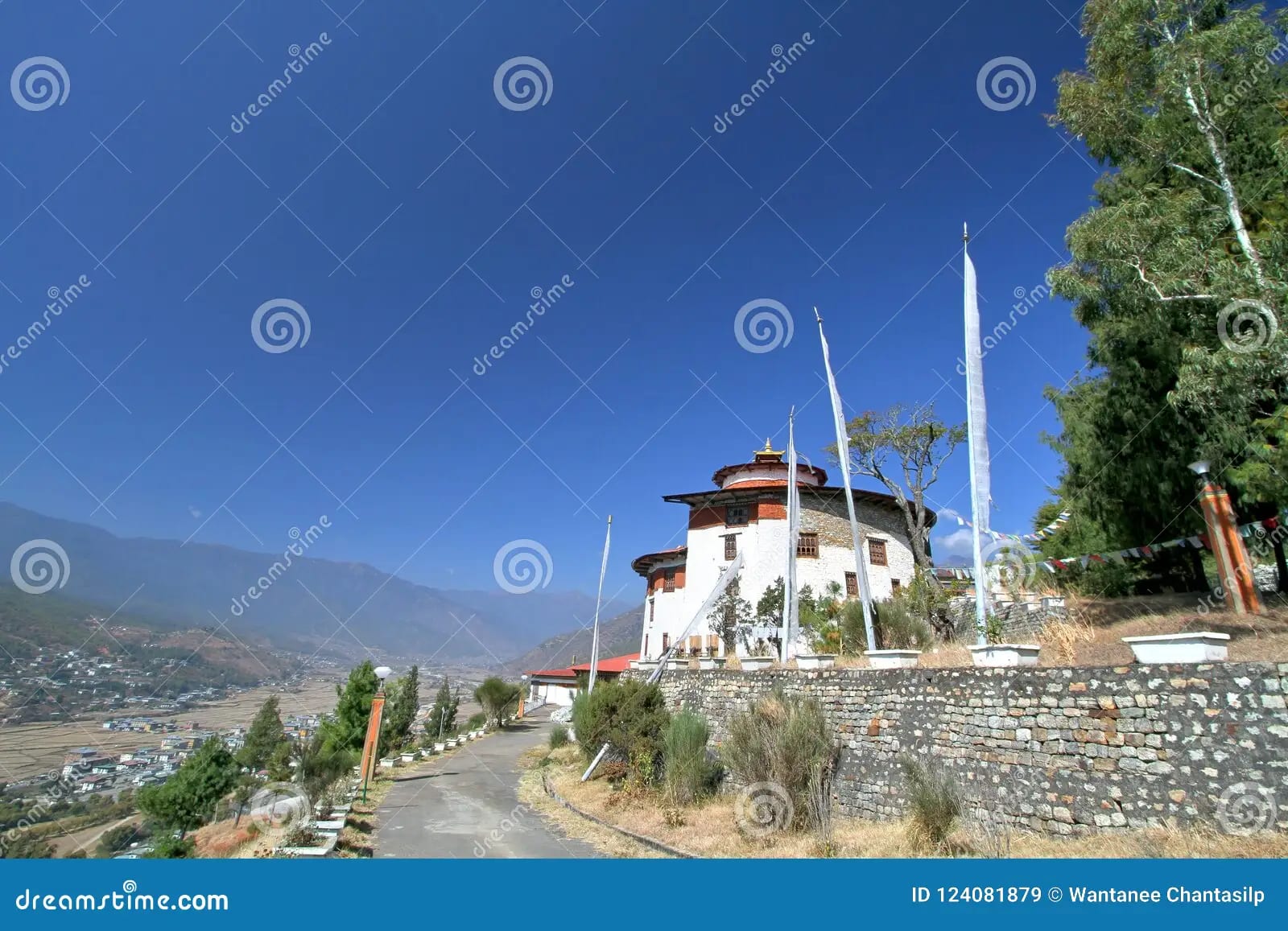
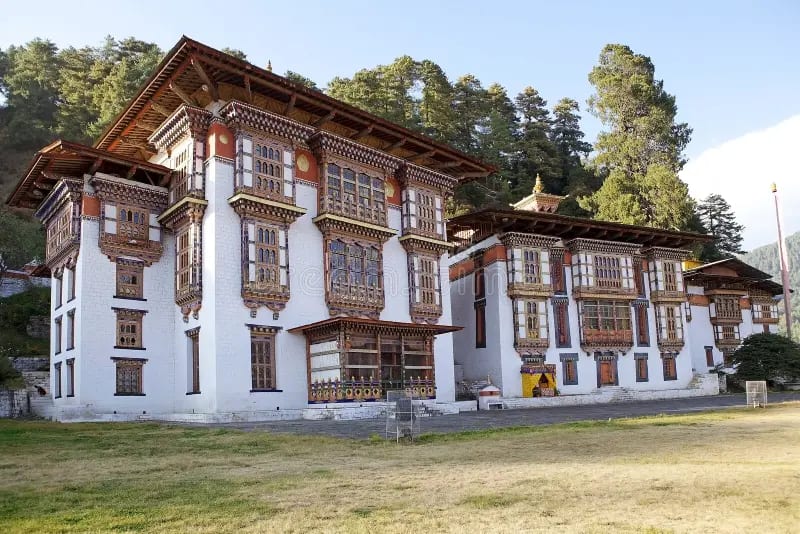
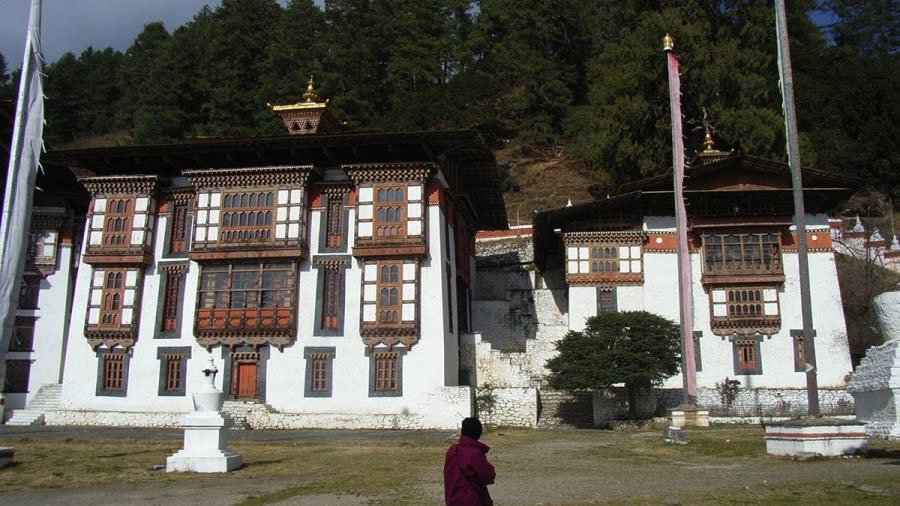
- Temples/Dzongs: Long pants/skirts, covered shoulders required
- Shoes: Easy to remove (slip-on shoes ideal)
- Hats: Remove hats when entering sacred spaces
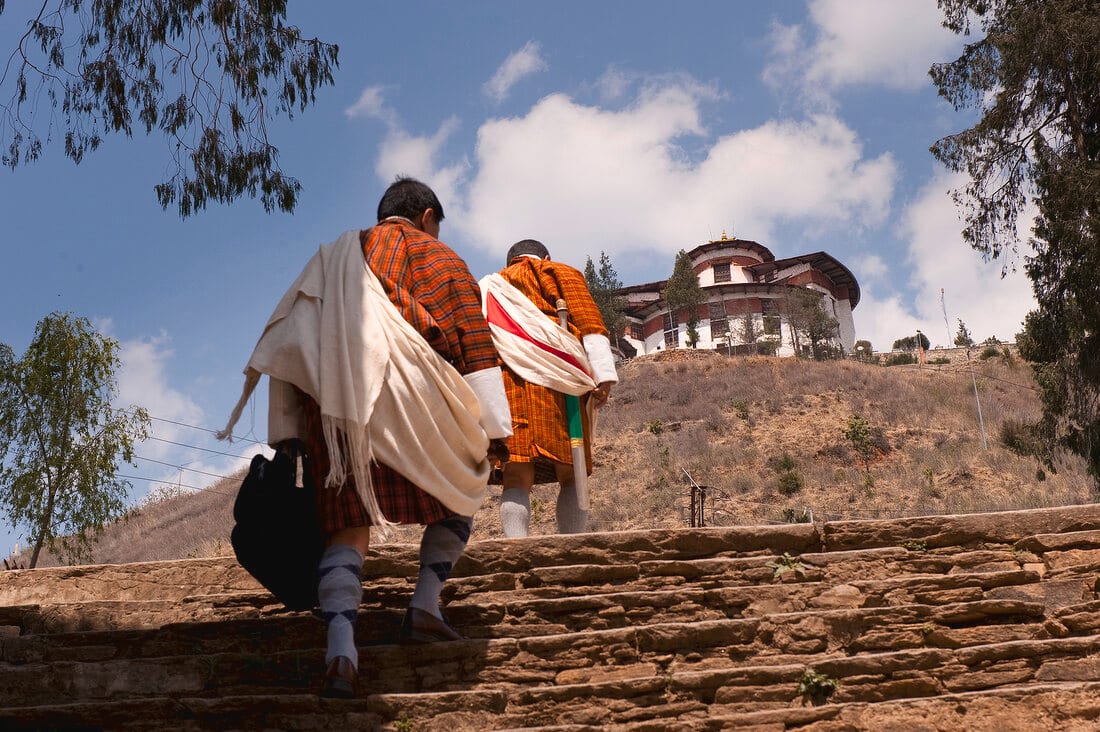
- Traditional Wear: Wearing kira/gho welcomed and appreciated
What to Avoid:
- Revealing Clothing: No short shorts, tank tops, tight clothing
- Slogans: Avoid clothing with offensive text/images
- Beachwear: Save for appropriate locations (not around towns/temples)
- Dirty/Worn Clothing: Bhutanese take pride in appearance
Special Dress Considerations
For Different Settings:
- Temples/Monasteries: Conservative dress essential
- Festivals: Modest clothing, remove hats during ceremonies
- Farm Stays: Practical but clean clothing appreciated
- Thimphu Nightlife: Slightly more relaxed but still modest
- Trekking: Functional but respectful clothing
Photography and Media Etiquette
Respecting Privacy and Sacred Moments
When to Ask Permission:
- Portraits: Always ask before photographing people
- Ceremonies: Ask officials before photographing rituals
- Monks: Some monks prefer not to be photographed
- Private Spaces: Never photograph in private areas
- Children: Always ask parents first
Sacred Space Photography
Temple and Monastery Guidelines:
- Exterior: Generally acceptable
- Interior: Often prohibited - always ask first
- Ceremonies: Some sacred moments no photography allowed
- Respect Signs: Follow posted photography restrictions
- When in Doubt: Ask rather than risk offense
Social Media Considerations
Responsible Sharing:
- Permission: Ask before posting photos of people
- Context: Represent places and people accurately
- Sacred Sites: Don’t reveal locations that should remain private
- Respect: Some ceremonies should not be shared publicly
- Ask: When uncertain, ask your guide or host
Eating and Dining Etiquette
Mealtime Customs
Traditional Dining Behavior:
- Wait to Be Seated: Hosts will indicate where to sit
- Serve Elders First: Wait for older people to begin eating
- Use Right Hand: Traditionally eat with right hand
- Accept Everything: Try what’s offered, even if unusual
- Finish: Finishing your plate shows appreciation
Special Eating Customs
Unique Bhutanese Practices:
- Ema Datshi: National dish - try it even if spicy
- Tea Culture: Accept tea when offered (butter tea is traditional)
- Eating with Hands: Traditional for some dishes
- Sharing: Communal dishes common
- Seconds: Accepting seconds shows appreciation
Alcohol and Social Drinking
Local Alcohol Customs:
- Ara (Local Spirit): Traditional home-brewed alcohol
- Moderation: Bhutanese drink moderately, social occasions only
- Toasting: Common during celebrations and gatherings
- Refusal: Polite to decline if you don’t drink
- Respect: Never pressure others to drink more
Religious Site Behavior
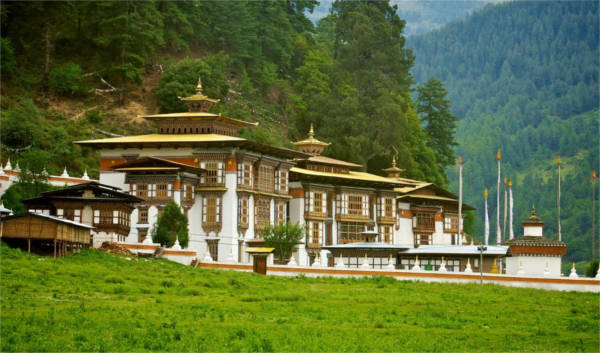
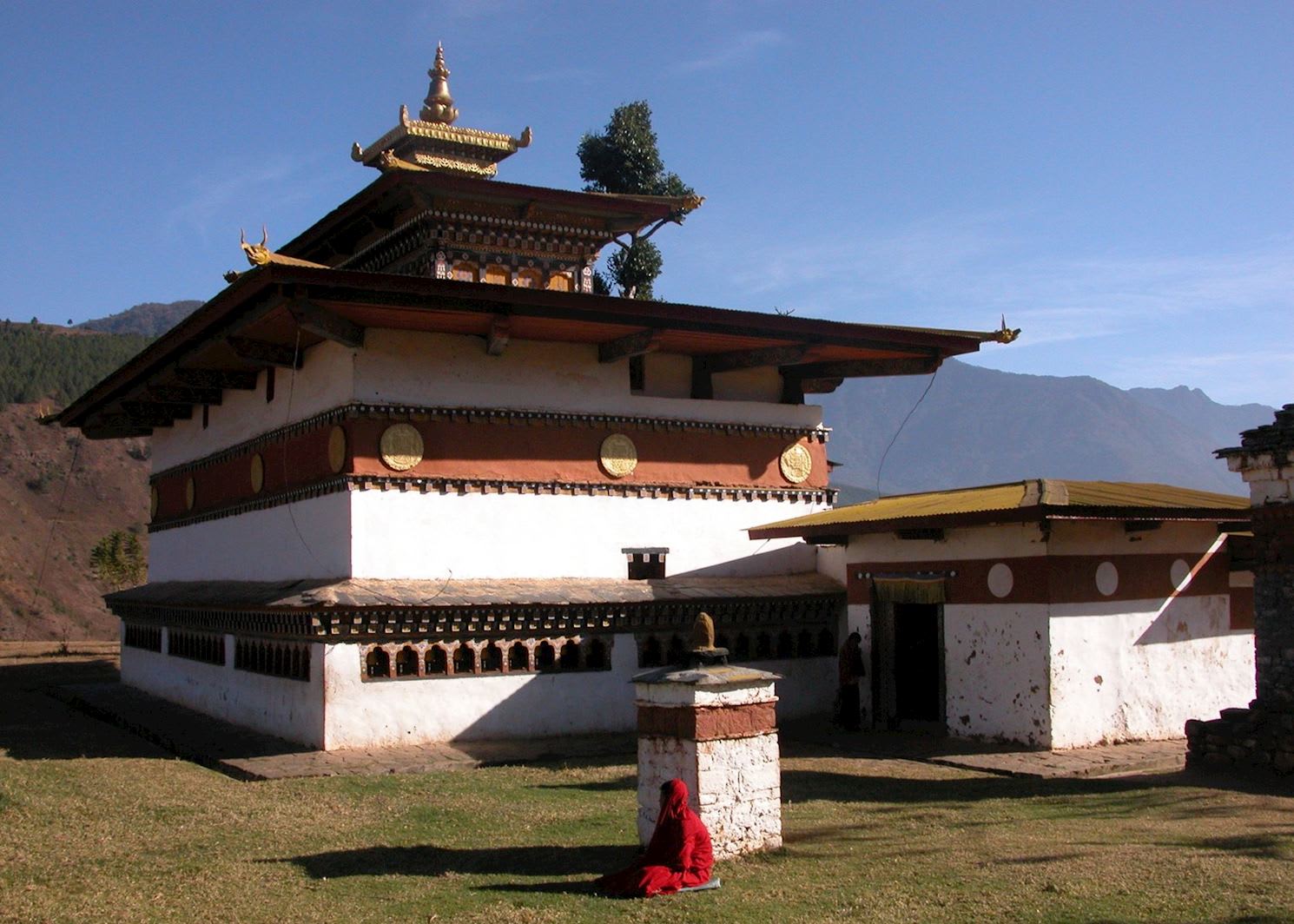
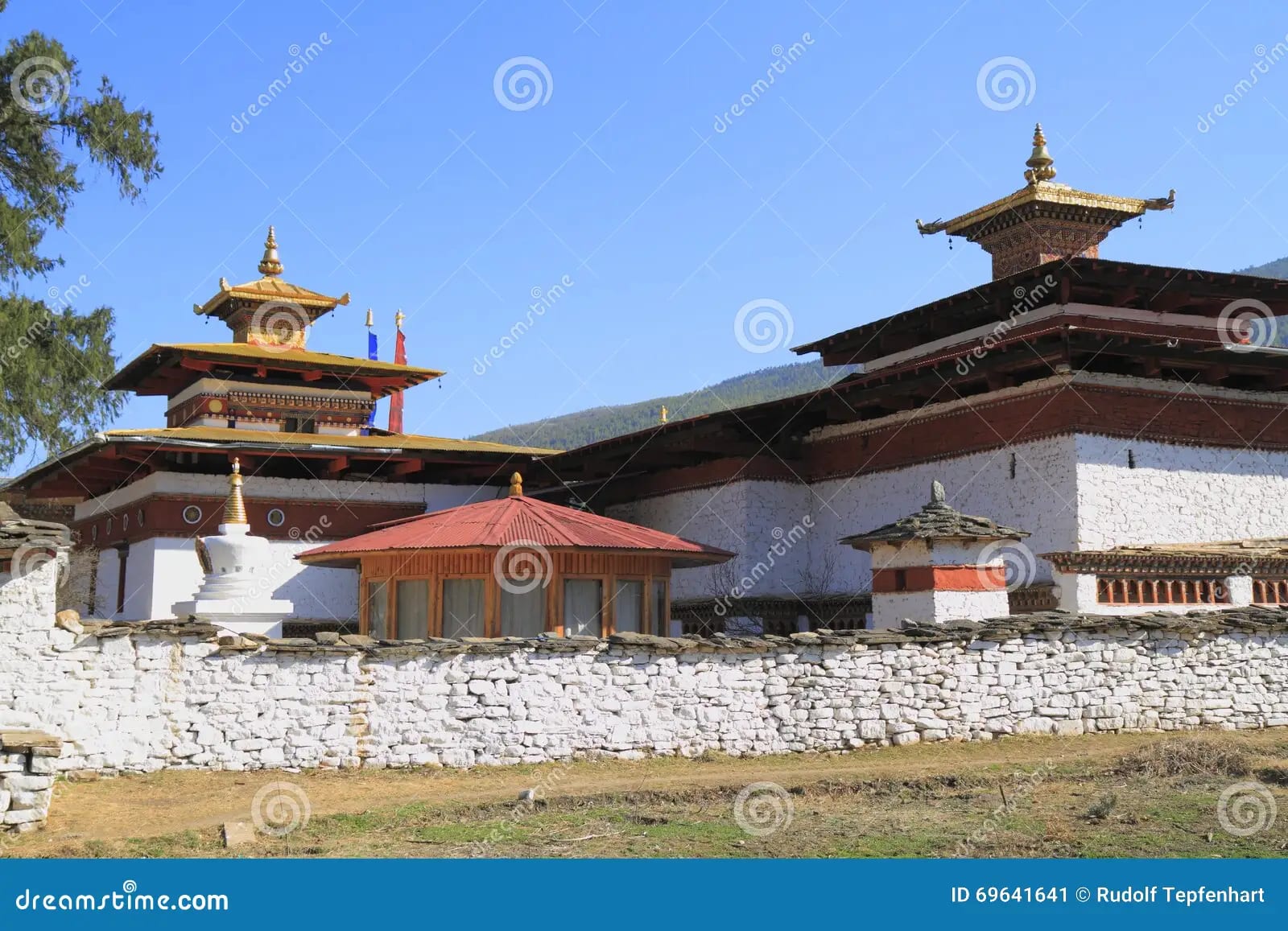
Monastery and Temple Etiquette
Sacred Space Conduct:
- Quiet Voices: Maintain respectful silence
- Remove Shoes: Always before entering temples
- No Flash Photography: Can be disruptive to worship
- Clockwise Movement: Circumambulate sacred sites clockwise
- Respect Worshipers: Never disrupt prayers or ceremonies
Festival and Ceremony Behavior
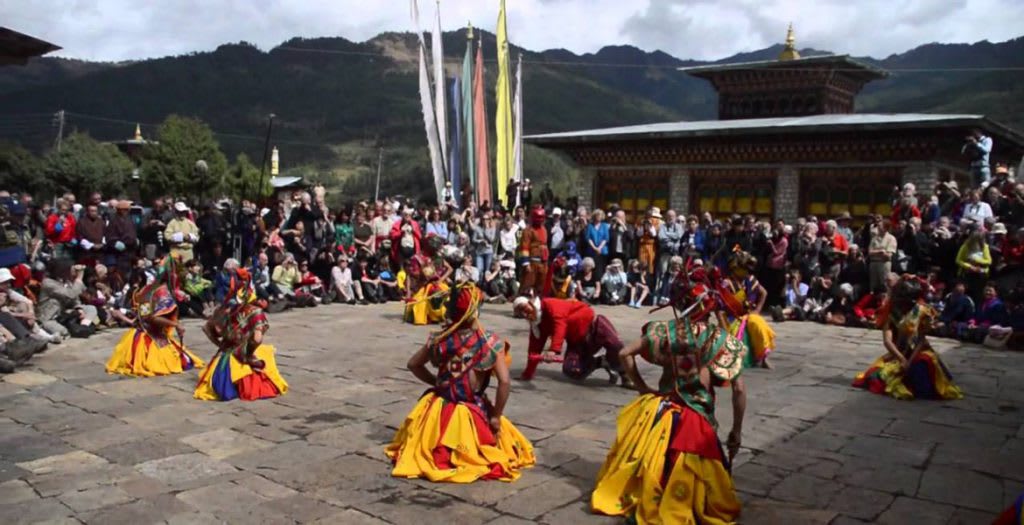
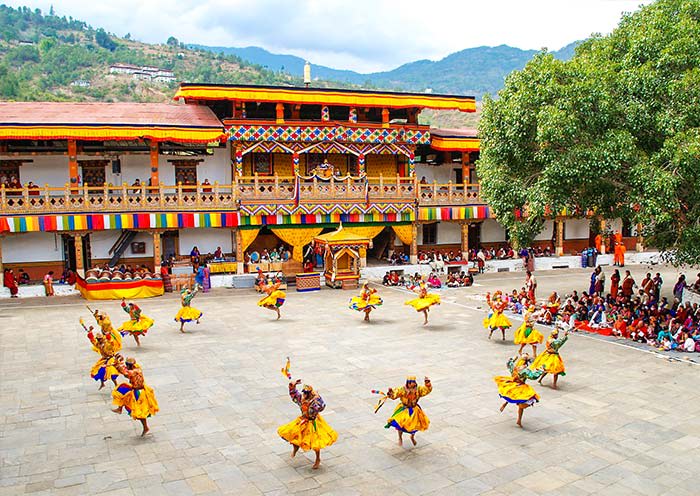
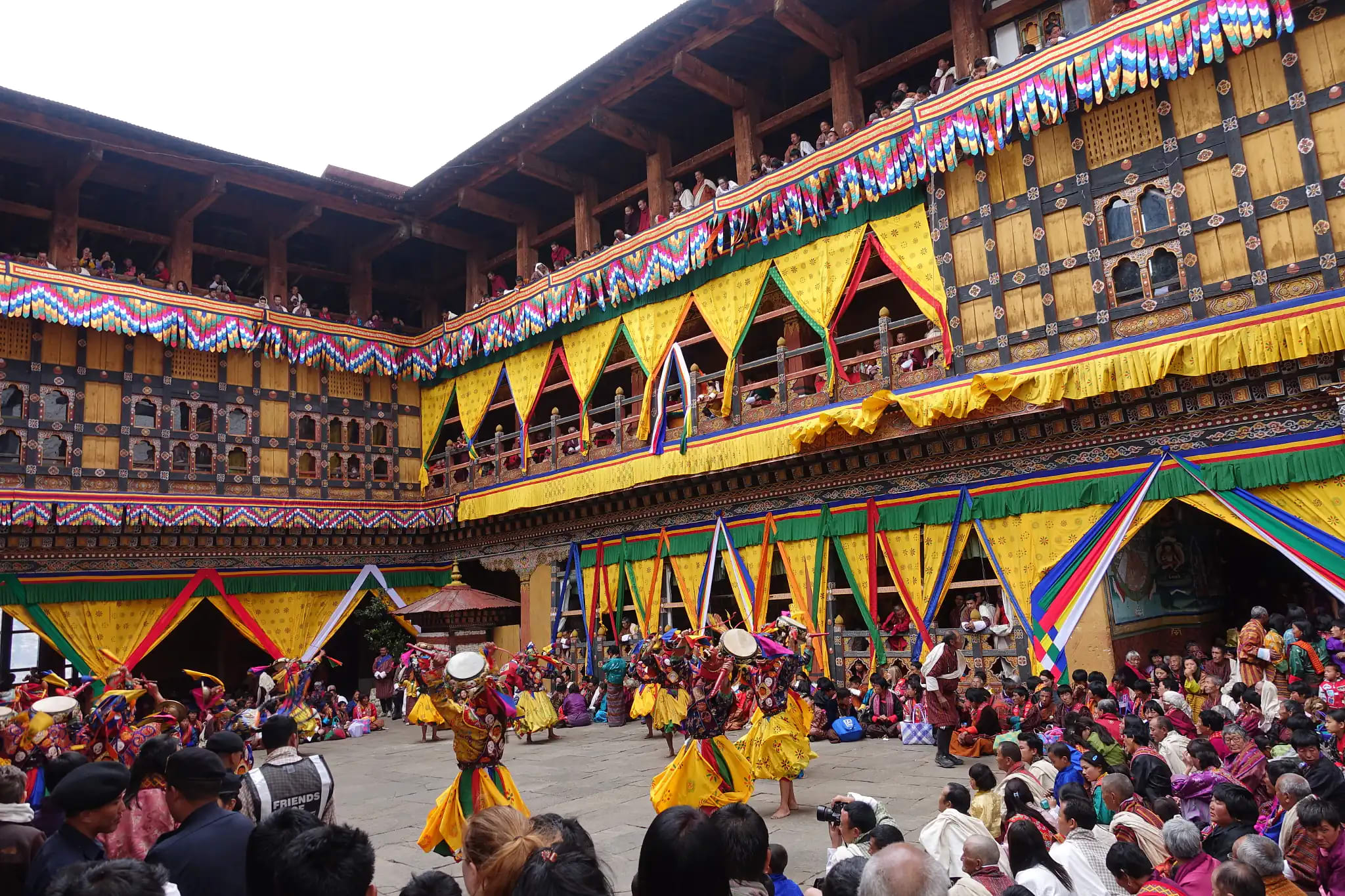
Tsechu and Celebration Guidelines:
- Sit Respectfully: Cross-legged, never point feet at sacred objects
- Quiet During Ceremonies: Maintain silence during rituals
- Follow Local Cues: Watch what Bhutanese do and follow
- Participation: Join when invited, watch respectfully otherwise
- Patience: Ceremonies can last hours - be patient
Gift-Giving and Reciprocity
Appropriate Gifts
What to Give (and What to Avoid):
- Good Gifts: Pens, notebooks, small items from home country
- For Children: School supplies, small toys, books
- For Families: Food items, practical household items
- Avoid: Money (can be seen as disrespectful), expensive items
Gift-Giving Customs
How to Give Properly:
- Both Hands: Present and receive with both hands
- Right Hand: If one hand, use right hand only
- Humility: Give humbly, not expecting anything in return
- Relationship: Gifts strengthen relationships, not transactions
- Timing: Appropriate at departure, not arrival
Environmental and Animal Respect
Nature and Wildlife Etiquette
Buddhist Environmental Principles:
- All Life is Sacred: Even insects deserve respect
- No Littering: Keep Bhutan pristine as you found it
- Stay on Trails: Protect fragile ecosystems
- Wildlife: Observe from distance, never feed or disturb
- Water Sources: Respect sacred rivers and lakes
Animal Treatment
Bhutanese Views on Animals:
- Stray Dogs: Leave alone (they’re community cared for)
- Yaks and Animals: Don’t disturb working animals
- Insects: Even mosquitoes have right to life (Buddhist principle)
- Hunting: Completely prohibited and culturally abhorrent
- Photography: Respect animals, don’t harass for photos
Geographic CTAs:
For Chinese-speaking visitors (中文礼仪指南):
- WeChat: +97577773737 (不丹文化礼仪)
- 尊重当地习俗,获得更好体验
For Western visitors:
- Email: info@silverpinebhutan.com (Cultural guidance)
- WhatsApp: +975 7777 3737
Common Mistakes (and How to Avoid Them)
Frequent Cultural Errors
What Not to Do:
- Touching Heads: Never touch anyone’s head, especially children or monks
- Feet Pointing: Never point feet at people or sacred objects
- Public Displays of Affection: Even hand-holding can be inappropriate
- Photographing Without Permission: Always ask first
- Disrespecting Sacred Objects: Never climb on or touch religious structures
Recovering from Mistakes
What to Do When You Err:
- Apologize Sincerely: Bhutanese appreciate genuine apologies
- Learn from the Experience: Ask for guidance on proper behavior
- Show Respect: Demonstrate you want to learn and improve
- Move On: Don’t dwell on mistakes - locals forgive quickly
- Share Learning: Help other travelers avoid same mistakes
How Etiquette Improves Your Experience
Benefits of Cultural Respect
What You Gain:
- Deeper Connections: Locals open up to respectful visitors
- Authentic Experiences: Invited into homes and ceremonies
- Learning Opportunities: People teach you their culture
- Reciprocal Kindness: Respect returned with genuine hospitality
- Lasting Memories: More meaningful travel experiences
Real Results from Proper Etiquette
Guest Experiences:
- “Learning basic greetings opened doors to genuine conversations”
- “Showing respect for Buddhist customs led to invitation to private ceremonies”
- “Dressing appropriately meant being welcomed everywhere”
- “Following temple etiquette resulted in monk teaching me meditation”
Simple Etiquette Quick Reference
The Essentials (Remember These!)
- Never touch heads (very sacred)
- Remove shoes before entering temples/homes
- Dress modestly (cover shoulders and knees)
- Ask permission before photographing people
- Walk clockwise around sacred sites
- Accept tea/food when offered
- Use both hands when giving/receiving
- Quiet in temples (maintain respectful silence)
- Point feet away from people and sacred objects
- Show respect for all Buddhist practices
Book Your Culturally Respectful Journey
Ready to experience Bhutan with proper cultural understanding? Our guests who take time to learn and practice respectful etiquette consistently report deeper, more meaningful connections and authentic experiences.
Contact us to plan your respectful journey:
WhatsApp/WeChat: +97577773737 Email: info@silverpinebhutan.com Website: https://silverpinebhutan.com
Based on hosting respectful travelers who consistently report that understanding and practicing Bhutanese etiquette dramatically improved their experiences, leading to genuine connections and authentic cultural immersion.