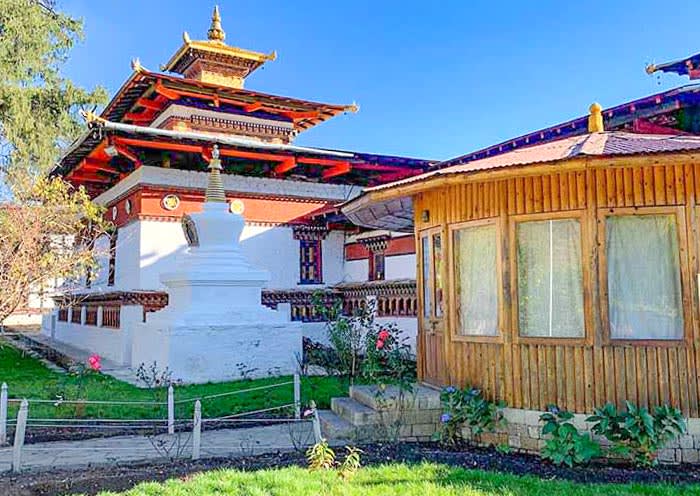
Why Tourist Festivals Are Only the Beginning
Based on hosting festival-goers from around the world, we’ve discovered that the famous tsechus are just the tip of Bhutan’s festival iceberg. Our guests who’ve attended both major tourist festivals and local village celebrations consistently say the village experiences are more authentic and transformative.
Real Festival Experiences We’ve Facilitated
The Cultural Anthropologist from USA
“I attended both Paro Tsechu (incredible but crowded) and then spent 3 days at village festivals in Punakha. The village festivals were completely different - we were the only foreigners, sitting with local families, eating together, and participating rather than just watching. That was the real Bhutan.”
The Buddhist Practitioner from Japan
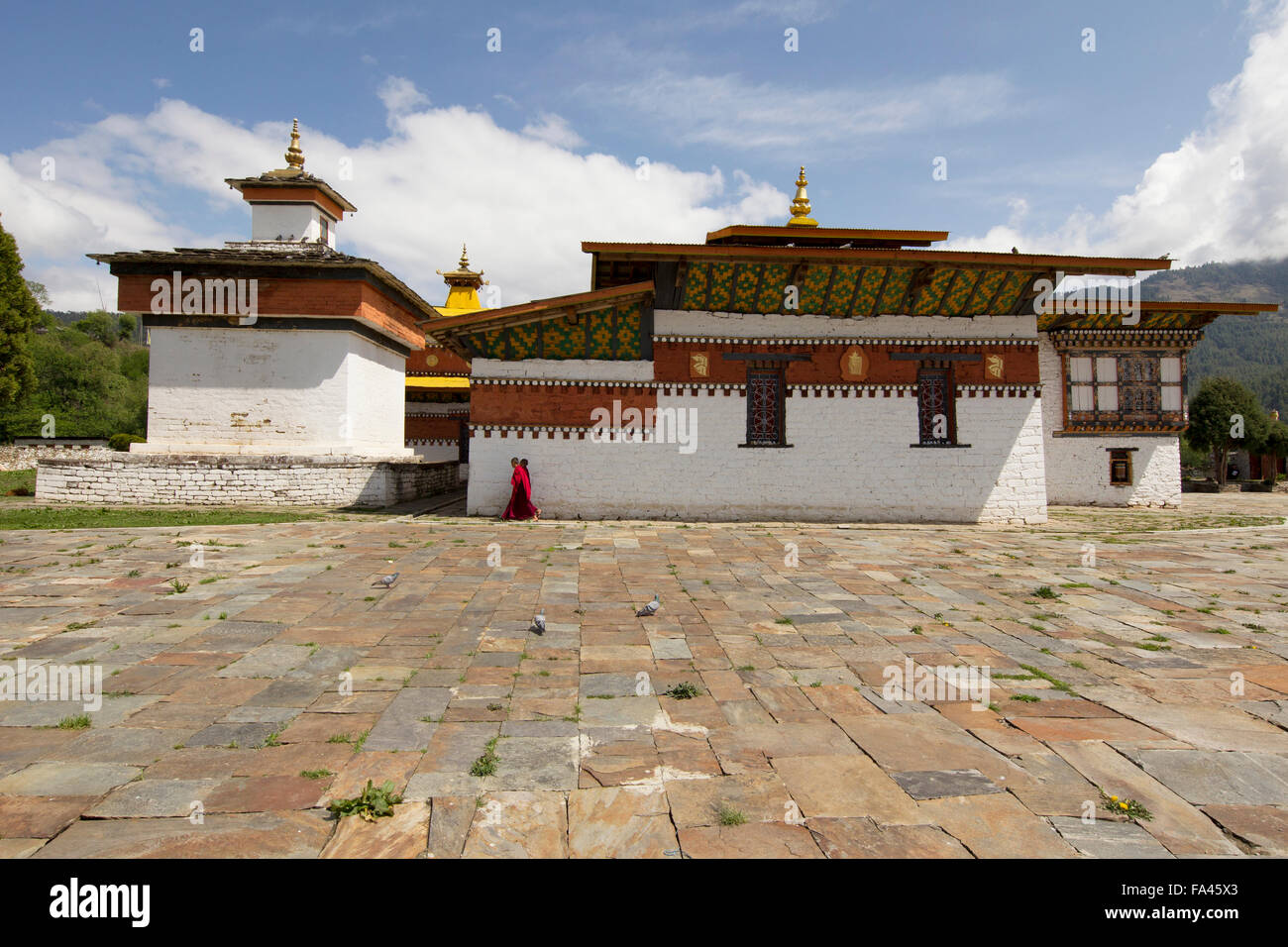
“The Jambay Lhakhang singye cham (sacred dance) was profound. Unlike tourist festivals where you watch from behind barriers, at village festivals we sat right in front, participated in ceremonies, and received blessings directly from monks. The energy was completely different.”
Major Tsechu Festivals (Tourist Favorites)
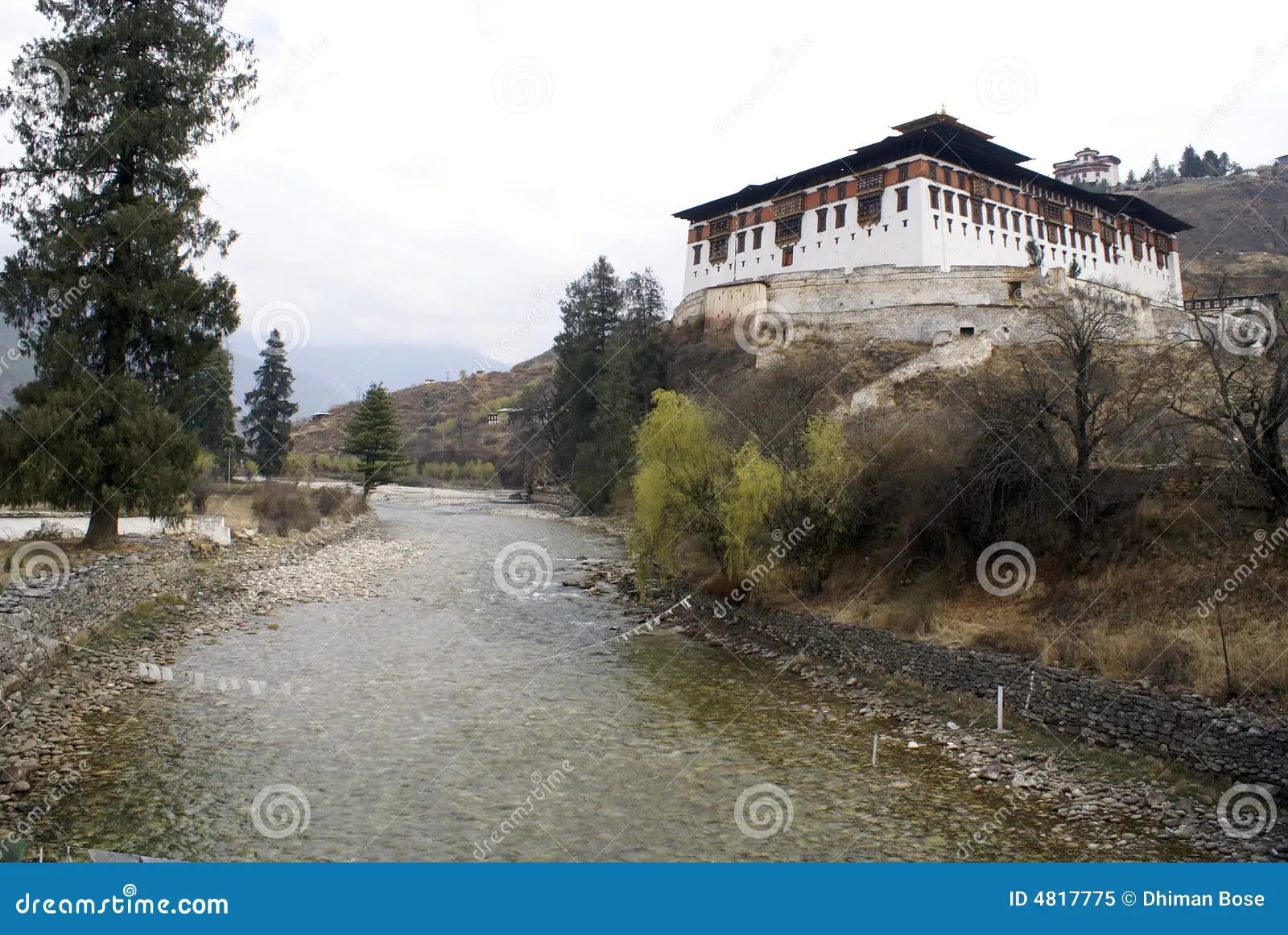
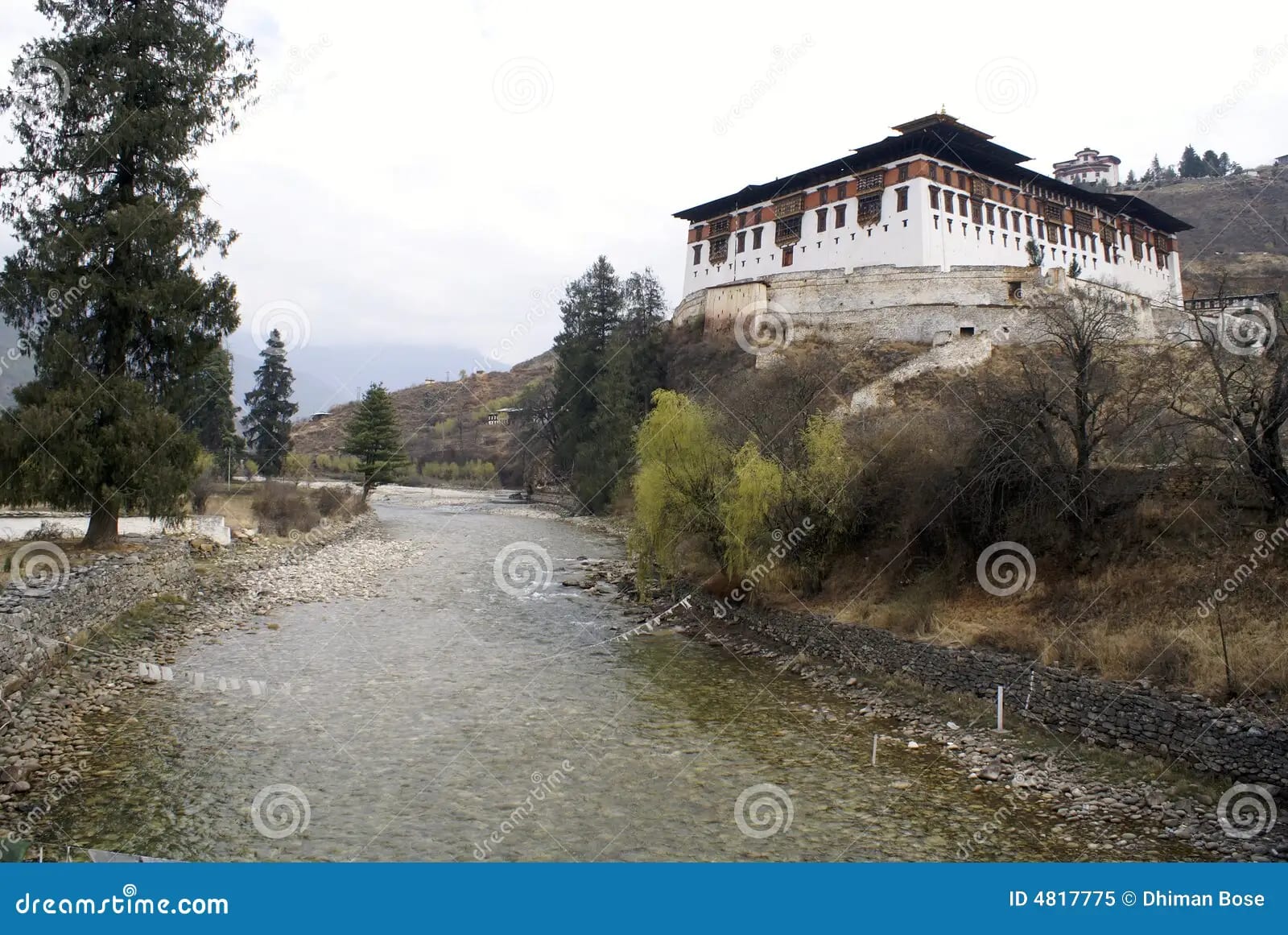
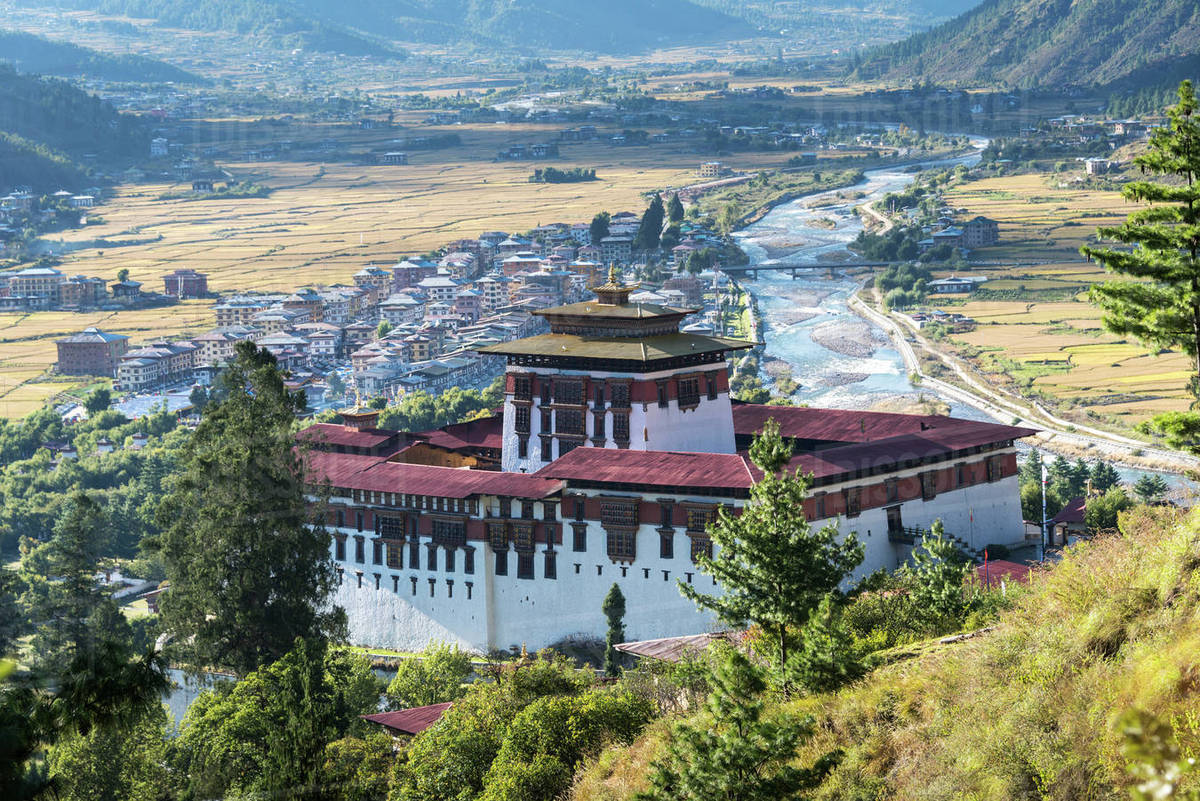
Paro Tsechu (Spring Festival)
Why It’s Famous:
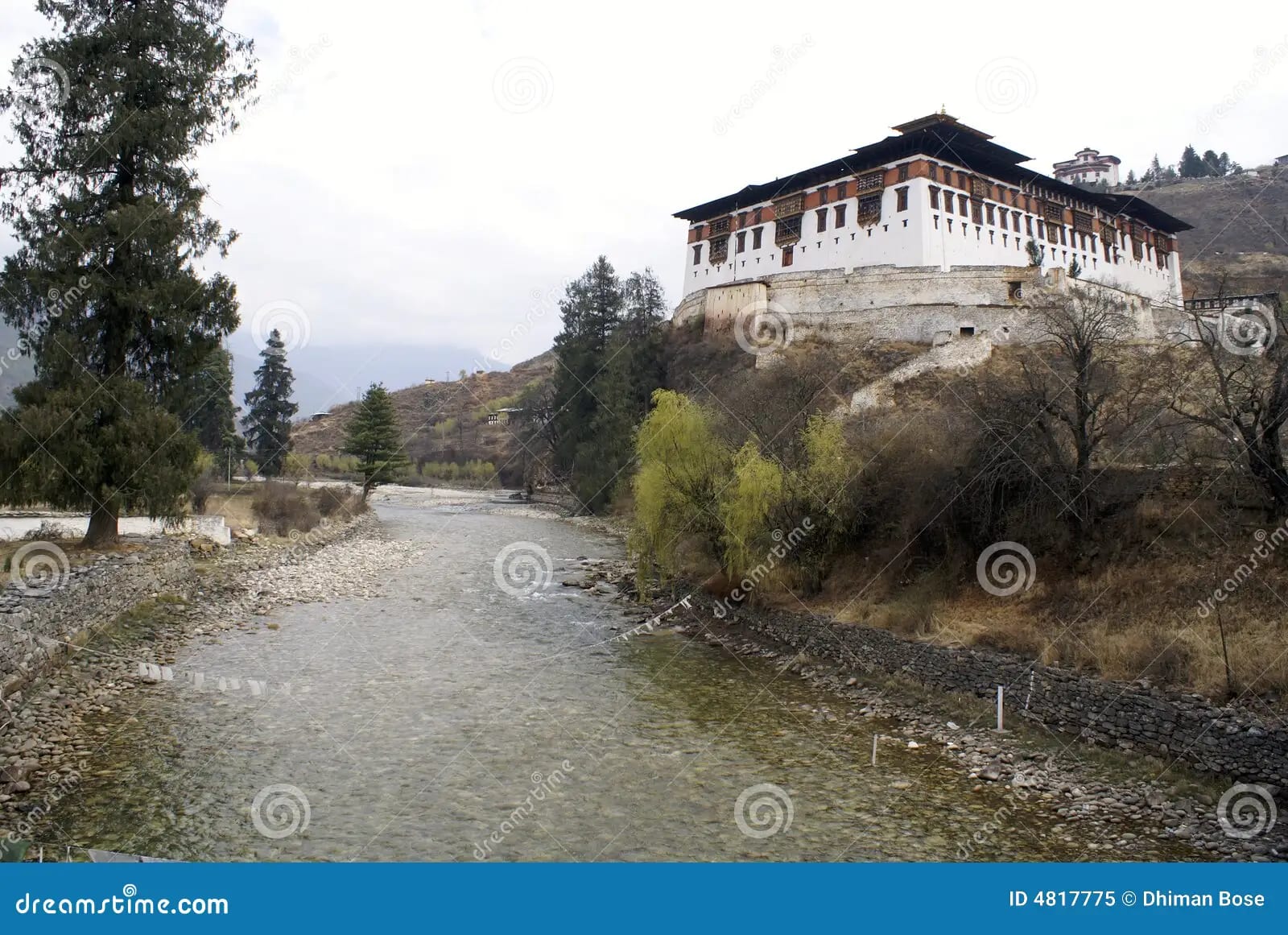
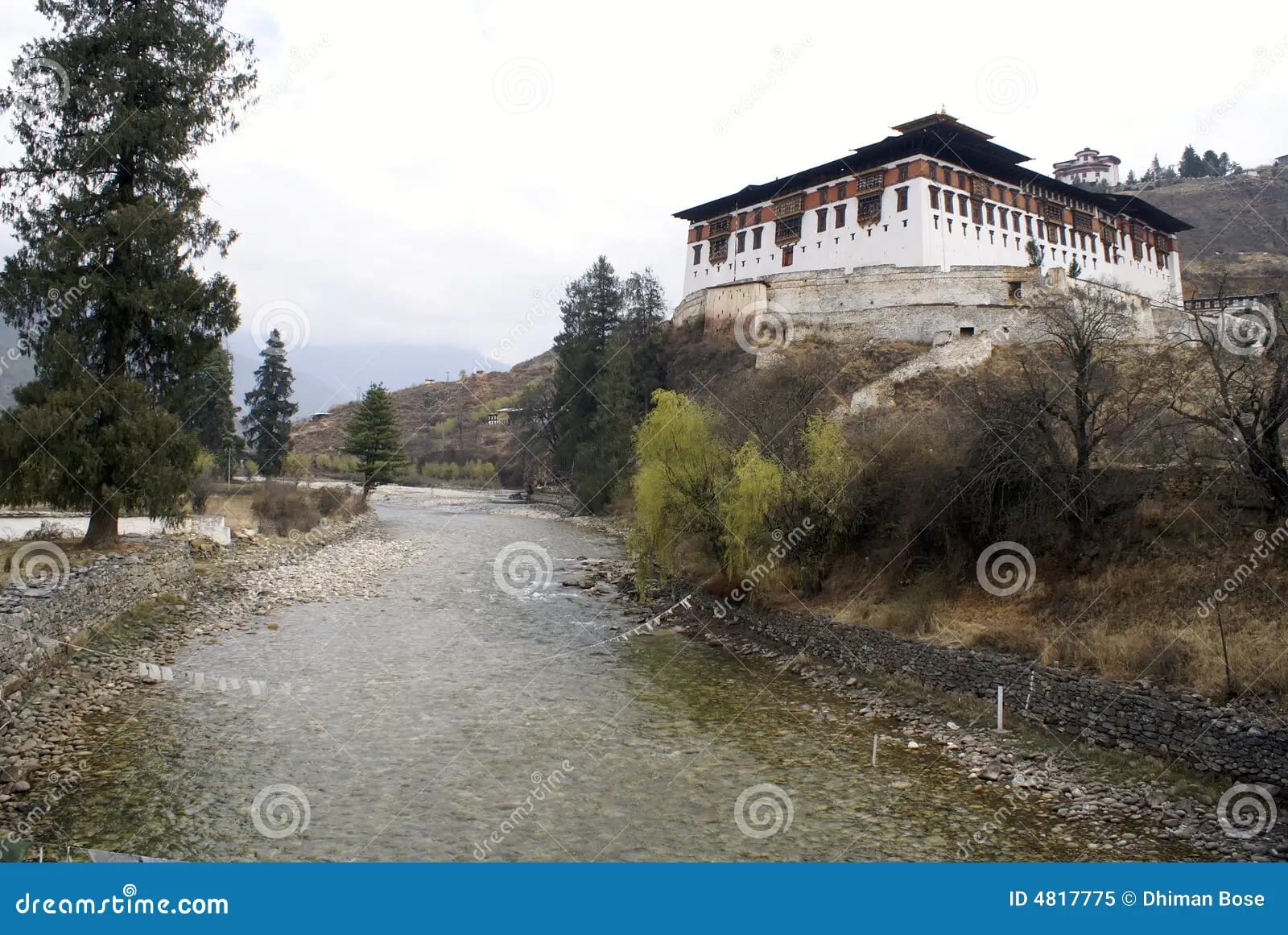
- Location: Paro Dzong, stunning setting
- Timing: March/April (spring season perfect weather)
- Significance: Honors Guru Rinpoche
- Duration: 5 days of ceremonies and dances
What to Expect:
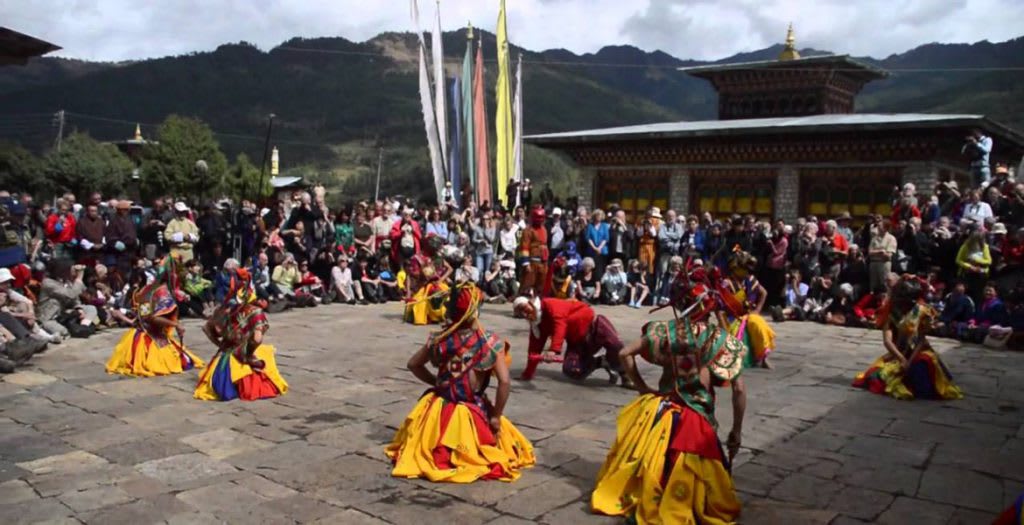
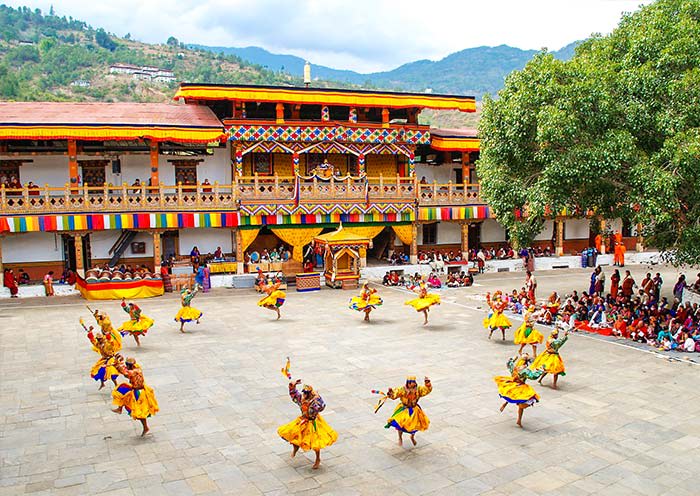
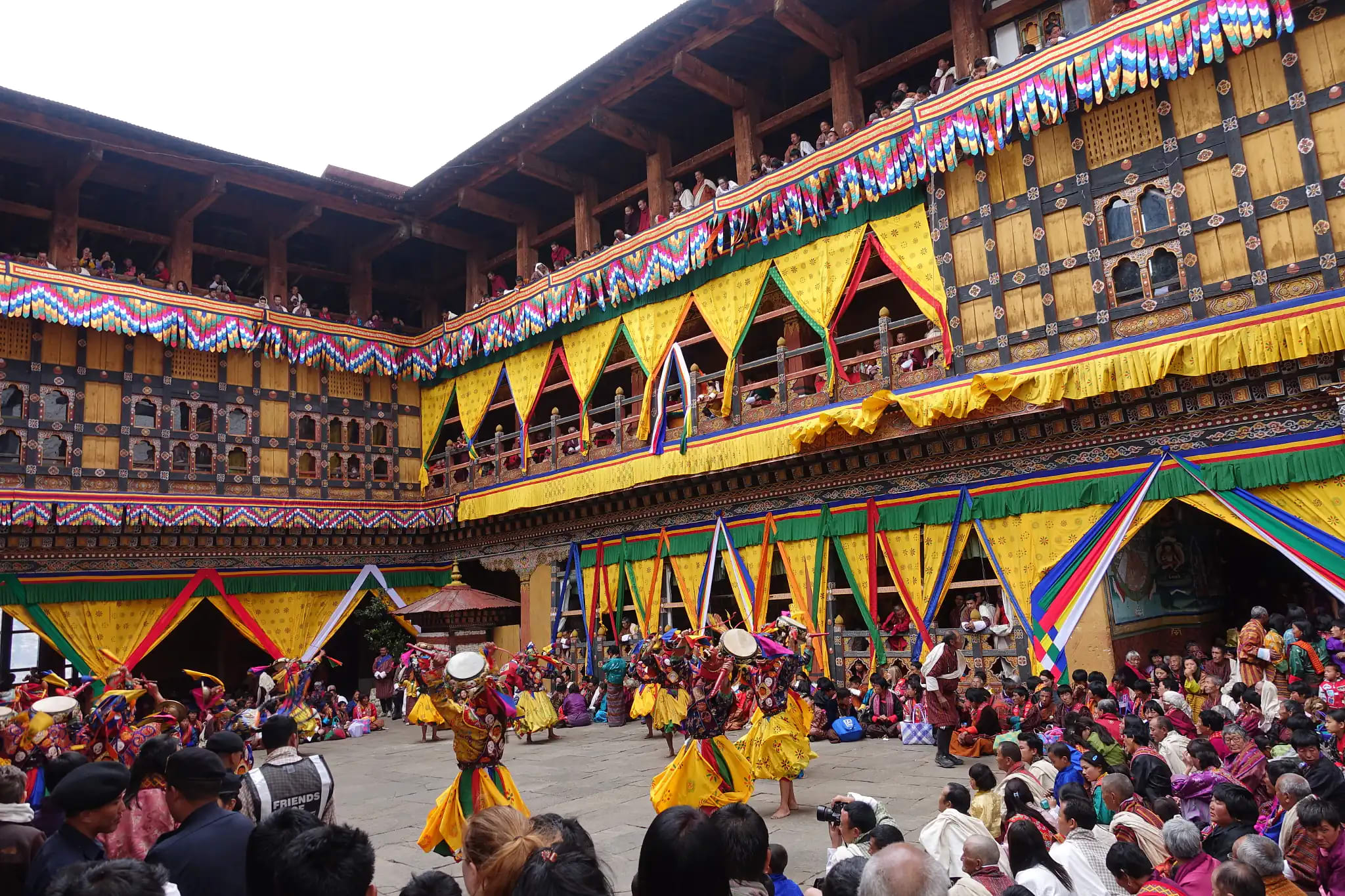
- Masked Dances: elaborate cham dances with intricate costumes
- Thongdrel: Large sacred thangka displayed before dawn
- Pilgrims: Thousands of Bhutanese from throughout country
- Tourists: International visitors, but mostly Bhutanese
Photography Guidelines:
- Allowed: Most dances and ceremonies can be photographed
- Respect: Some sacred moments no photography
- Distance: Tourists stay in designated areas
- Ask First: Always check with officials
Thimphu Tsechu (Fall Festival)
Why Special:
- Location: Thimphu Dzong (capital city)
- Timing: September/October (peak season)
- Size: Largest and most elaborate tsechu
- Variety: Wide range of dances and ceremonies
Unique Elements:
- Dances: More variety than other festivals
- Crafts Market: Traditional goods and food stalls
- Atmosphere: Urban festival energy with rural traditions
- Accessibility: Easy to reach from hotels
Punakha Drubchen
Why Different:
- Historical Recreation: Reenacts Tibetan invasion defeat
- Warrior Dances: Pena cham (warrior dance) unique to this festival
- Timing: February/March (before tourist season)
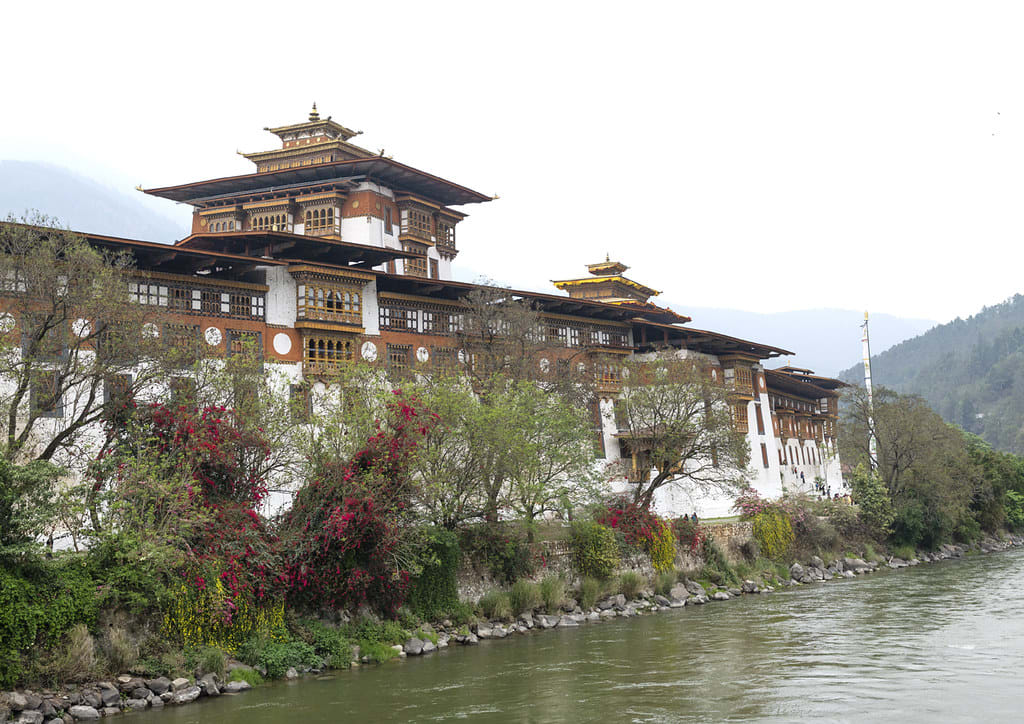
- Location: Punakha Dzong by rivers
Special Experience:
- Historical Drama: Recreates 17th century battle
- Warrior Costumes: Different from typical festival dress
- River Procession: Ceremonies on Mo Chhu river
- Less Touristy: More Bhutanese than international visitors
Village Festivals (The Real Experience)
Why Village Festivals Are Different
Authentic vs. Tourist:
- Audience: Entire village community vs. tourist buses
- Participation: Join ceremonies rather than just watching
- Intimacy: Close to monks, dancers, and sacred objects
- Atmosphere: Community celebration rather than performance
- Duration: 1-3 days vs. 5+ days for major festivals
Bumthang Village Festivals
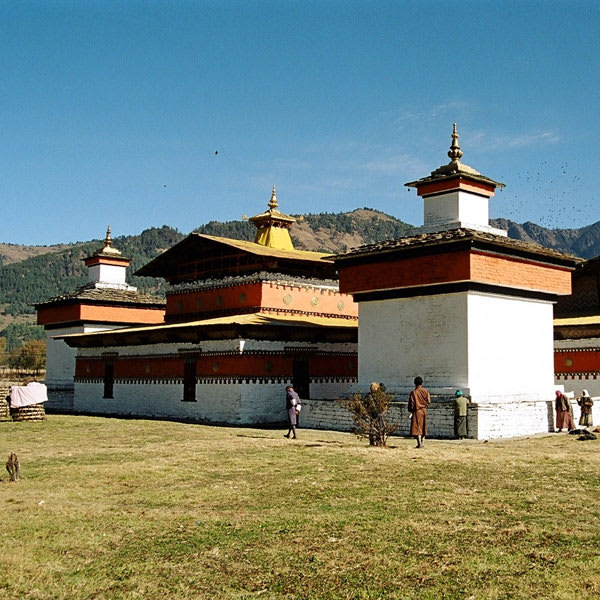
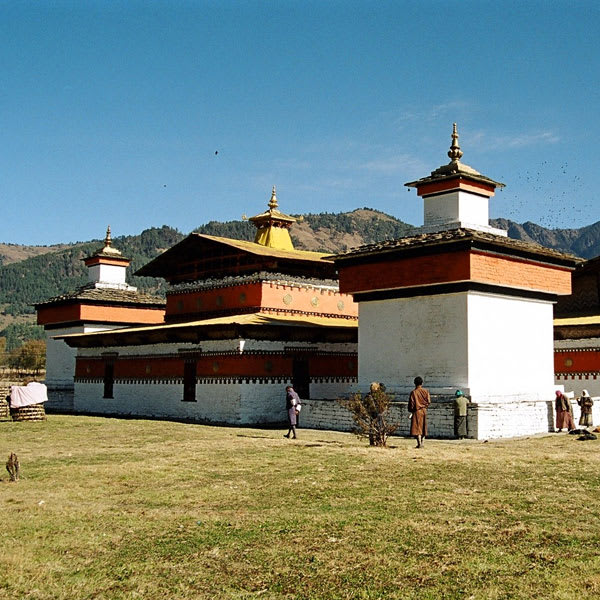
Jambay Lhakhang Drup:
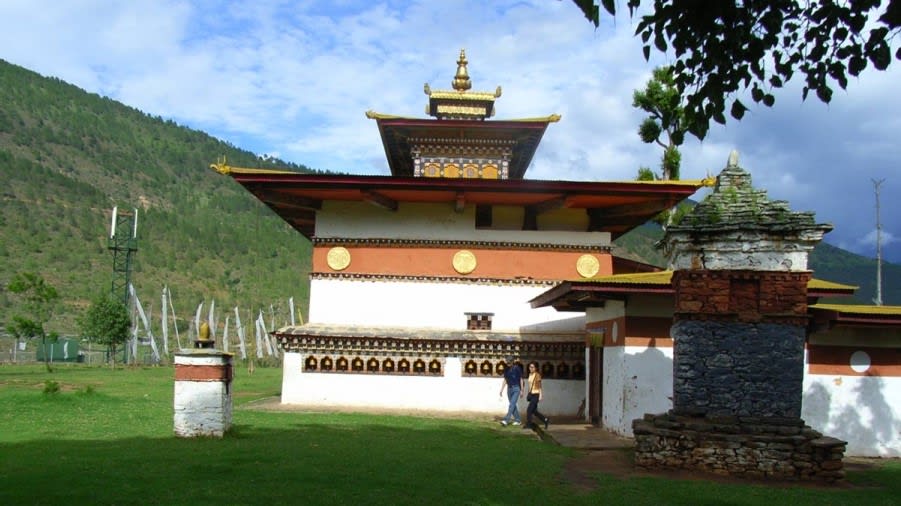
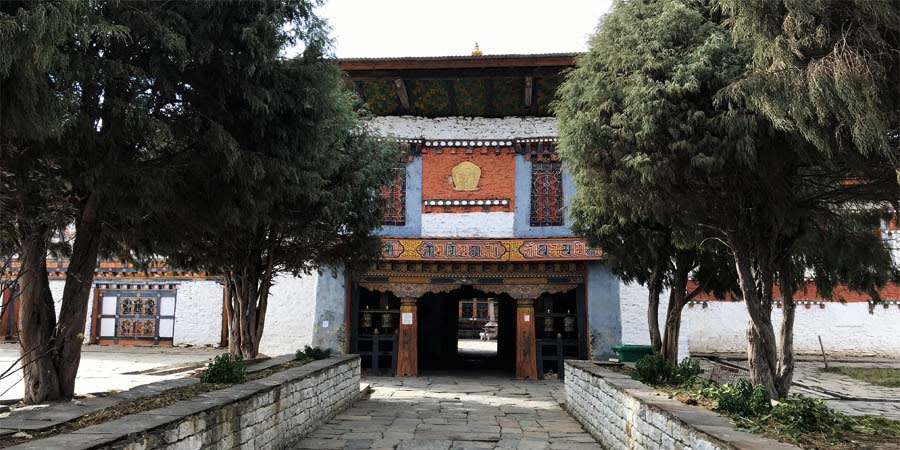
- Location: Jambay Lhakhang, Bumthang
- Timing: October (fall festival season)
- Specialty: Fire blessing ceremony (singye cham)
- Atmosphere: Highly sacred, intense spiritual energy
Unique Fire Ceremony:
- Sacred Fire: Monks perform blessing with fire
- Night Ceremony: Dramatic evening rituals
- Spiritual Power: Considered especially blessed
- Participation: Villagers receive individual blessings
Ura Village Festival:
- Location: Ura village, Bumthang
- Timing: May/June (summer festival)
- Community Focus: Entire village participation
- Authenticity: Very few international visitors
Tang Valley Sacred Festivals
Mebar Tsho Festival:
- Location: Burning Lake area
- Timing: January (winter spiritual focus)
- Pilgrimage: Combines festival with sacred site visits
- Winter Atmosphere: Quiet, intense spiritual focus
Unique Elements:
- Lake Ceremonies: Blessings at sacred burning lake
- Treasure Revelation: Honors Terton Pema Lingpa
- Winter Pilgrims: Dedicated spiritual practitioners
- Sacred Landscape: Festival integrated with sacred geography
Punakha Village Festivals
Local Temple Celebrations:
- Timing: Vary throughout year (align with agricultural calendar)
- Community Focus: Specific village temple festivals
- Agricultural Connection: Celebrations tied to farming cycles
- Authentic Experience: Real community celebration
What Makes Them Special:
- Village Integration: Festival as part of village life
- Families Together: All generations participating
- Sacred & Secular: Religious ceremonies mixed with community celebration
- Food Sharing: Village feasts and communal meals
Planning Your Festival Experience
Festival Timing Strategy
Best Festival Calendar:
- Spring: Paro Tsechu (March/April), Punakha Drubchen (February/March)
- Summer: Village festivals throughout summer (agricultural calendar)
- Fall: Thimphu Tsechu (September/October), Jambay Lhakhang Drup (October)
- Winter: Sacred winter ceremonies (January/February)
Combination Strategy:
- Major + Village: Attend one major tsechu plus local festivals
- Regional Focus: Pick one region, attend multiple village festivals
- Timing Flexibility: Plan around festival dates + farm stay experiences
Duration Recommendations
Major Tsechu Experience:
- Minimum 3 days: See main ceremonies and dances
- Full Experience 5 days: Complete festival cycle
- Plus Days: Add time for valley exploration and cultural sites
Village Festival Experience:
- 1-2 Days: Most village festivals last 1-3 days
- 3 Days: Festival + village exploration + local experiences
- Multi-Village: Plan around multiple village festival dates
Accommodation During Festivals
Booking Strategy:
- Major Festivals: Book 3-6 months in advance
- Village Festivals: Farm stays usually available
- Flexibility: Village festivals less crowded, more availability
- Location: Stay with local families during village festivals
Festival Accommodation Options:
- Farm Stays: Best for village festivals (local families host)
- Guesthouses: Available in towns for major festivals
- Monastery Guesthouses: Sacred accommodation during festivals
- Camping: Some festival locations allow camping
Cultural Participation Guide
Understanding Festival Ceremonies
Sacred Dances (Cham):
- Purpose: Not entertainment but religious practice
- Meaning: Each dance tells Buddhist stories
- Participants: Monks and trained lay dancers
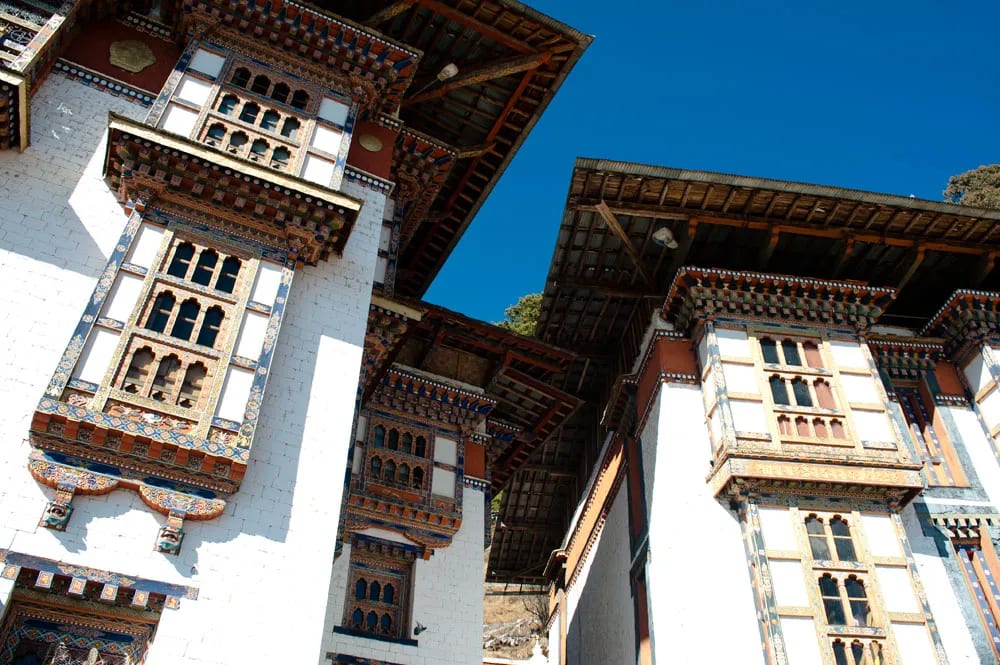
- Costumes: Elaborate traditional dress with sacred symbolism
Types of Dances:
- Graceful Dances: Peaceful deities and teachings
- Fierce Dances: Protection against negative forces
- Comic Dances: Moral lessons through humor
- Warrior Dances: Historical victories and protection
Festival Etiquette
Behavior Guidelines:
- Respectful Dress: modest clothing, remove hats during ceremonies
- Quiet During Ceremonies: Maintain respectful silence
- Follow Local Cues: Watch what Bhutanese do
- Photography: Ask permission, respect restrictions
- Sacred Objects: Never touch or cross over ritual items
Participating vs. Watching
How to Participate Respectfully:
- Sit with Locals: Join village seating areas
- Receive Blessings: Line up for monk blessings when offered
- Join Processions: Follow village processions when invited
- Share Food: Accept food offerings from locals
- Learn Phrases: Basic greetings and thank you in Dzongkha
Authentic Festival Experiences
Beyond the Dances
What Makes Festices Special:
- Spiritual Energy: Collective devotion creates powerful atmosphere
- Community Bonding: Villages strengthen social connections
- Cultural Transmission: Traditional teachings passed to new generation
- Sacred Timing: Align with auspicious dates in Buddhist calendar
Festival Food and Social Aspects
Community Feasting:
- Village Meals: Shared meals during festival days
- Local Specialties: Festival foods and treats
- Tea and Ara: Traditional beverages (responsibly)
- Social Connection: Strengthening community bonds
Economic and Social Dimensions
Festival Purposes:
- Religious Merit: Earn merit through participation
- Social Cohesion: Strengthen community bonds
- Cultural Preservation: Pass traditions to new generations
- Economic Exchange: Villages trade and socialize
Photography at Festivals
Respectful Festival Photography
Guidelines for Authentic Images:
- Ask Permission: Especially for close-ups and ceremonies
- No Flash: Can disrupt sacred ceremonies
- Respect Barriers: Stay in designated areas for tourists
- Sacred Moments: Some rituals cannot be photographed
- Share Results: Show locals their photos when possible
Best Festival Photography
Timing and Techniques:
- Dawn Light: Early morning ceremonies have beautiful light
- Crowd Scenes: Show community participation
- Details: Focus on costumes, masks, sacred objects
- Environmental: Include landscape and architecture context
- Portraits: Ask permission for individual portraits
Geographic CTAs:
For Chinese-speaking festival visitors (中文节庆咨询):
- WeChat: +97577773737 (不丹节庆体验)
- 真实村庄庆典,神圣仪式
For Western festival visitors:
- Email: info@silverpinebhutan.com (Festival trip planning)
- WhatsApp: +975 7777 3737
For Cultural Researchers:
- Deep cultural access possible
- Academic and spiritual study opportunities
Festival Travel Planning
Logistics Considerations
Transportation During Festivals:
- Book Early: Buses and vehicles fill during major festivals
- Public Transport: Available but crowded during major festivals
- Private Vehicles: More flexibility but more expensive
- Walking: Many festival locations walkable from accommodations
Weather Preparation
Seasonal Considerations:
- Spring Festivals: Pleasant weather, clear views
- Summer Festivals: Monsoon possibility, green landscapes
- Fall Festivals: Perfect weather, peak season
- Winter Festivals: Cold but atmospheric, fewer tourists
What Our Festival Guests Say
Consistent Feedback:
- “The major tsechu was incredible but the village festivals were transformative”
- “Sitting with local families, receiving blessings, participating rather than watching”
- “The energy at village festivals was completely different from tourist shows”
- “We’re still in contact with our host family from the village festival”
Book Your Authentic Festival Experience
Ready to experience Bhutan’s festivals beyond the tourist shows? Our festival experiences offer genuine participation in sacred ceremonies and village celebrations that most travelers never see.
Contact us to plan your festival journey:
WhatsApp/WeChat: +97577773737 Email: info@silverpinebhutan.com Website: https://silverpinebhutan.com
Based on hosting festival-goers who consistently report that village festivals provide more authentic, transformative experiences than the famous tourist tsechus. Real participation in sacred ceremonies creates lasting cultural connections.