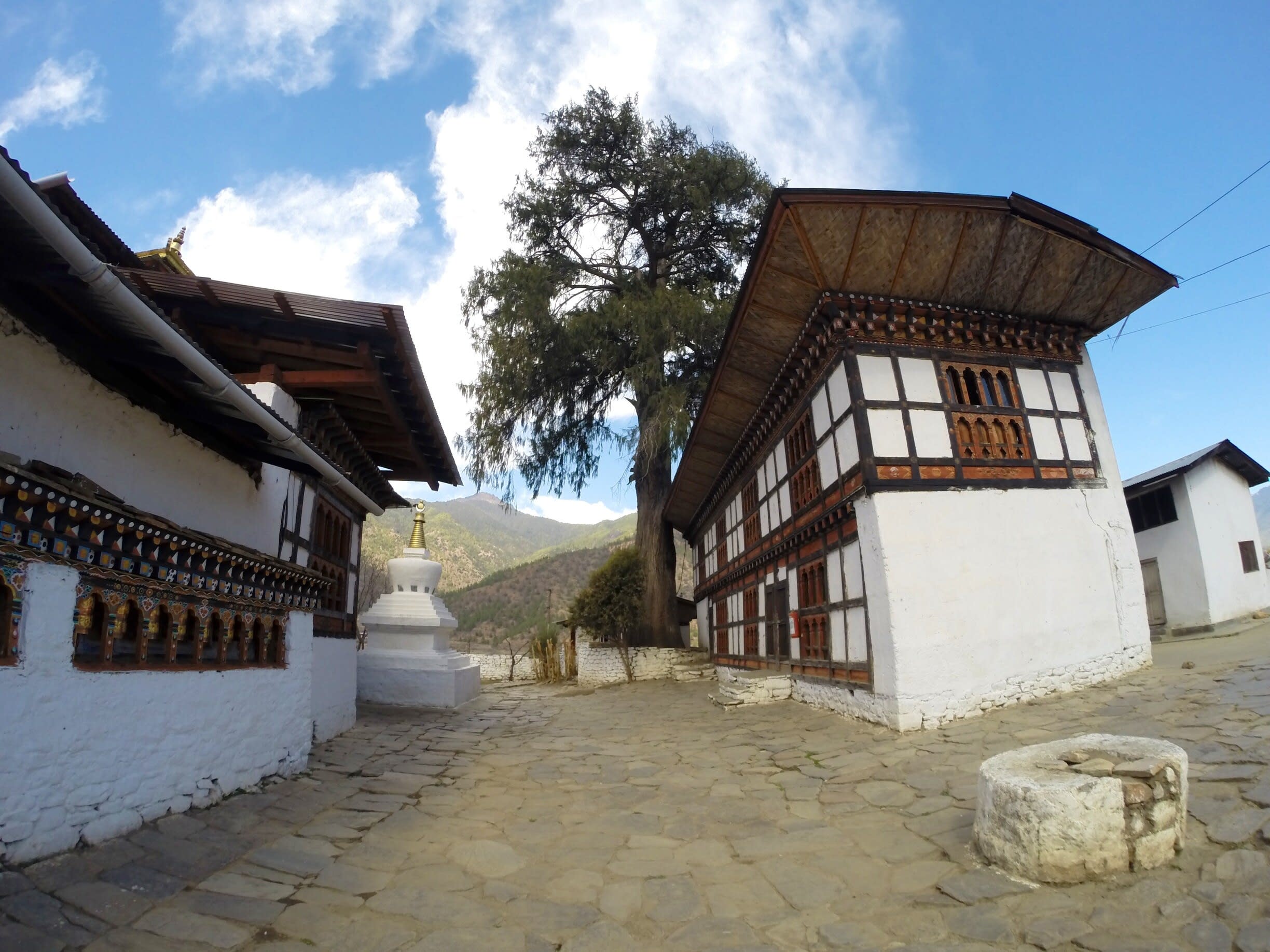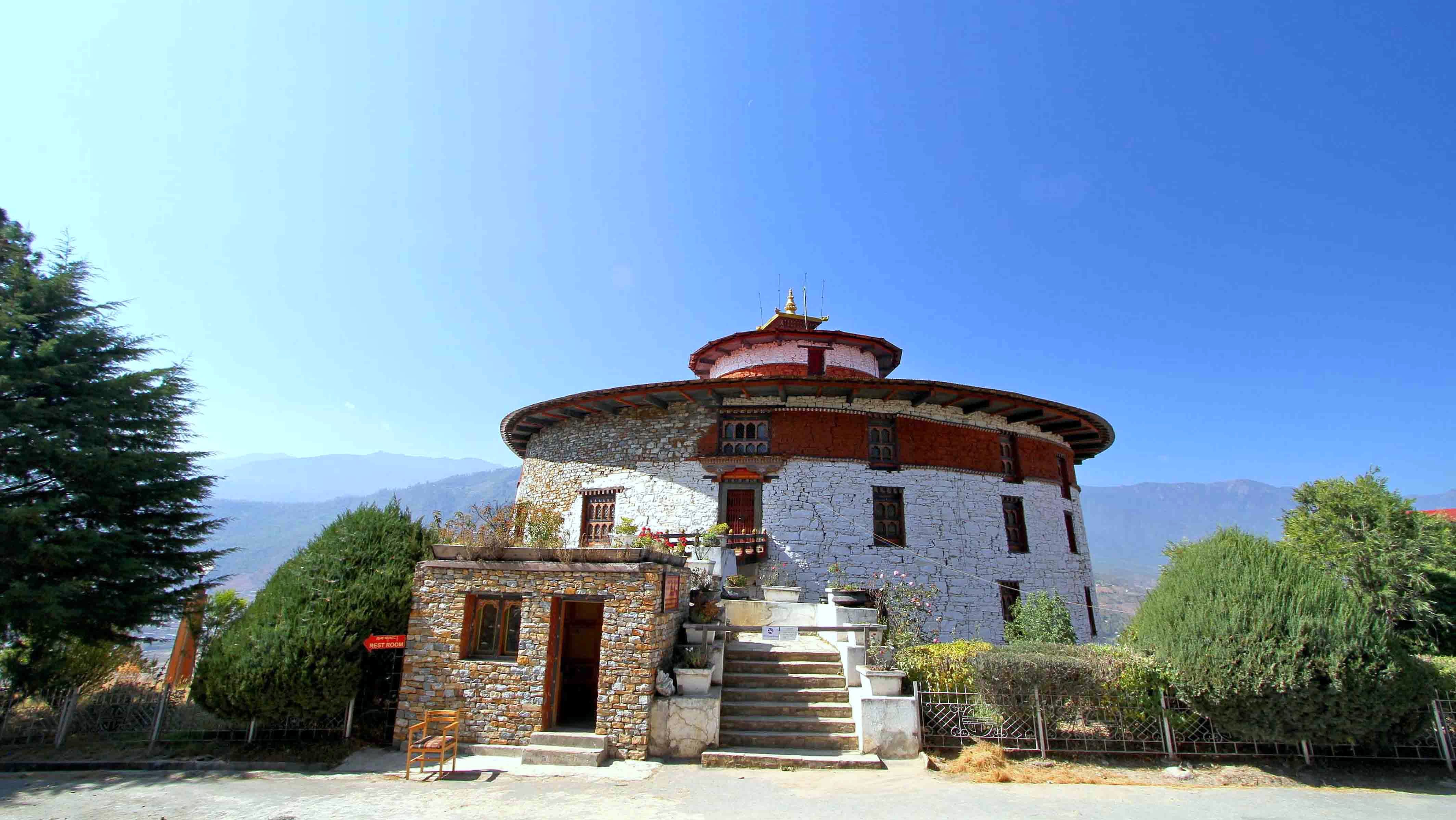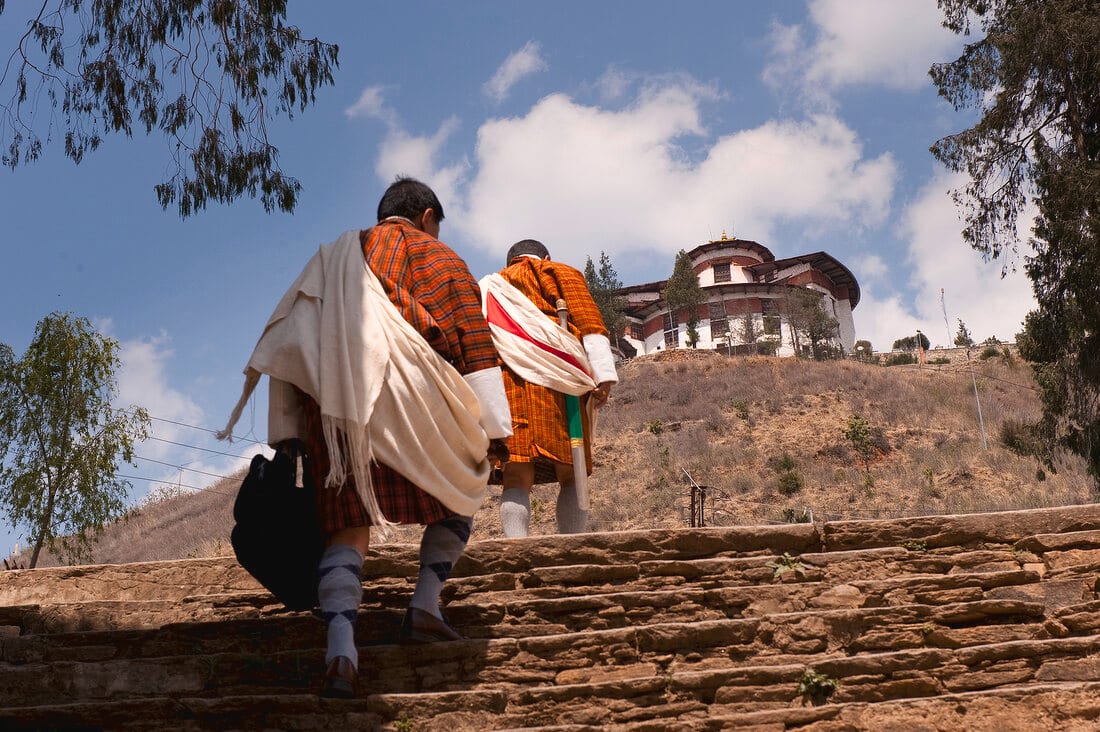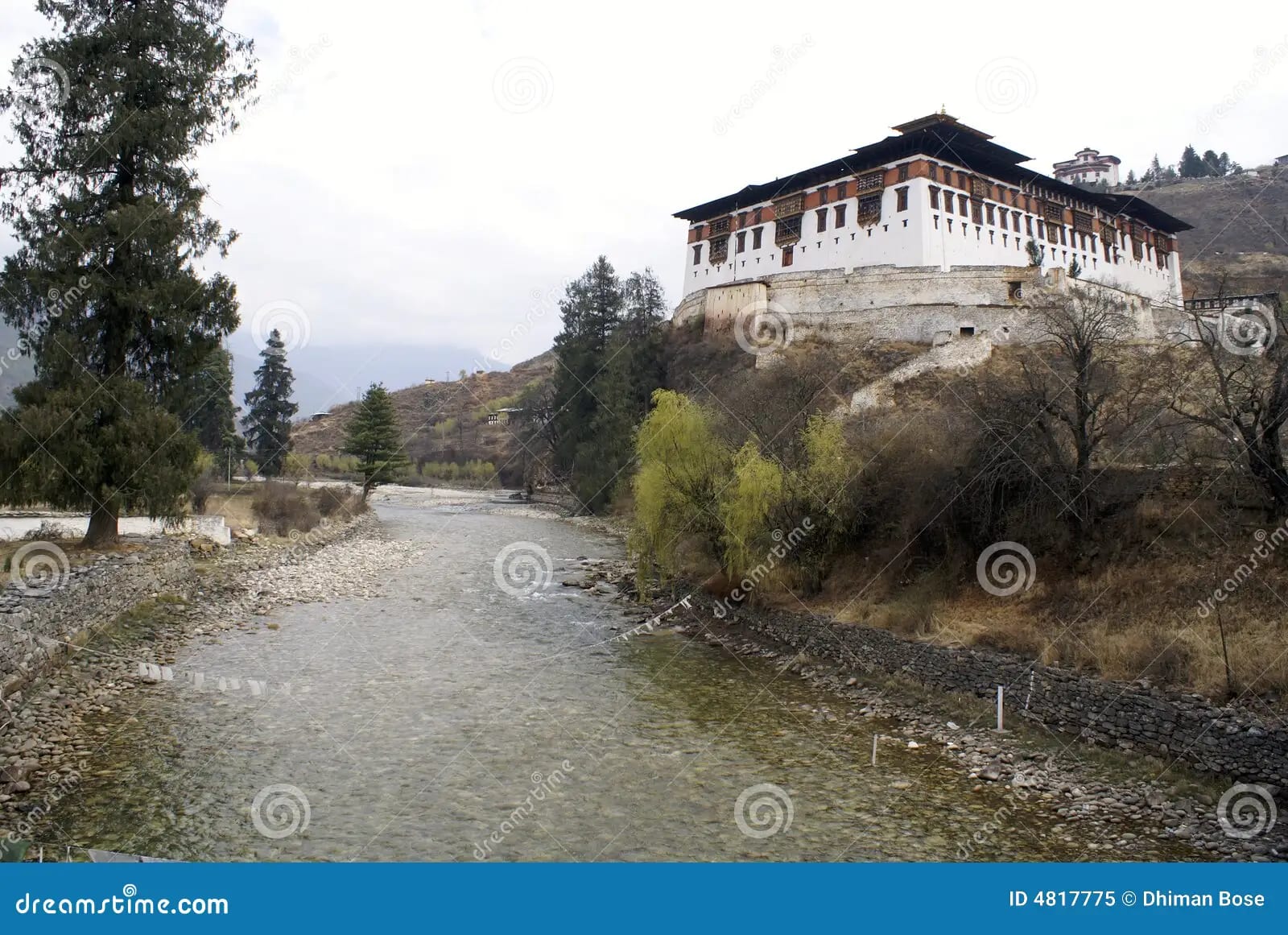
Why Bhutan is a Photographer’s Paradise
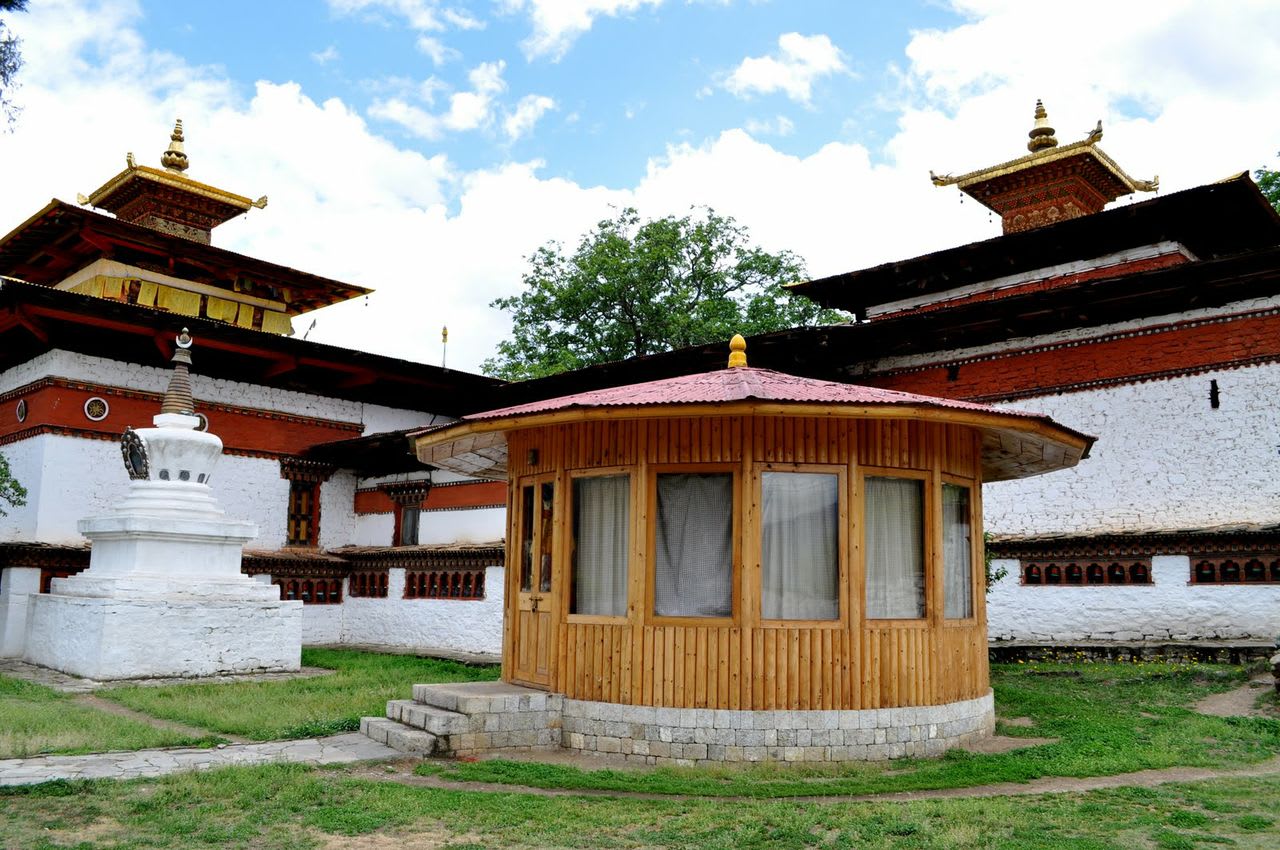
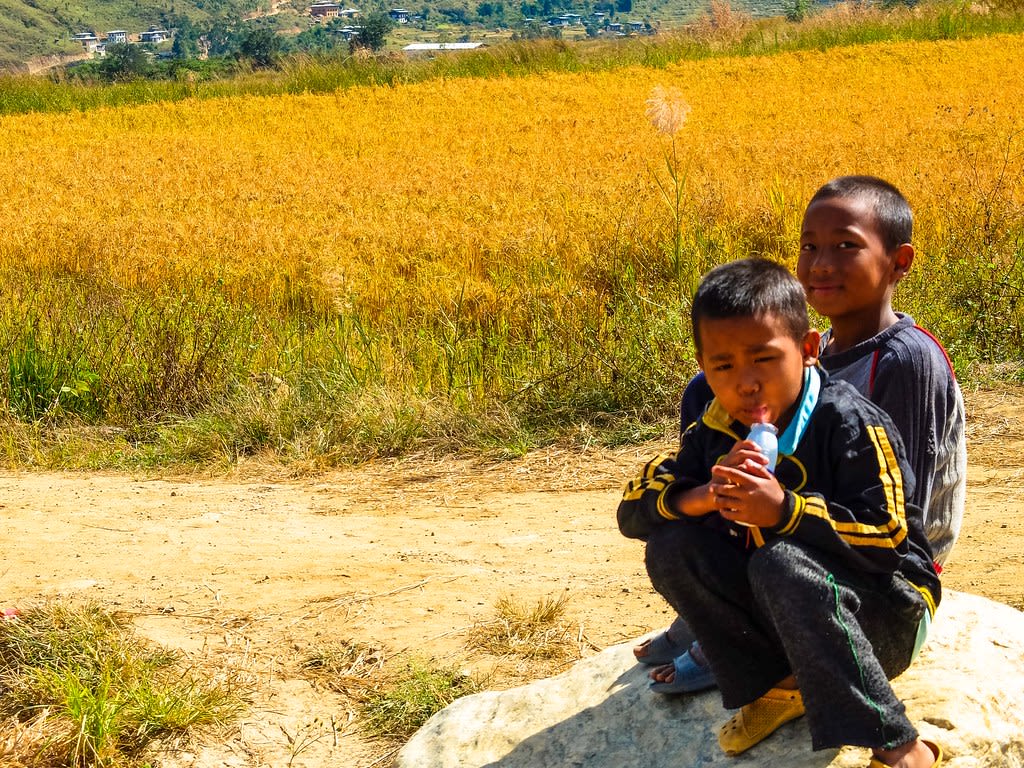
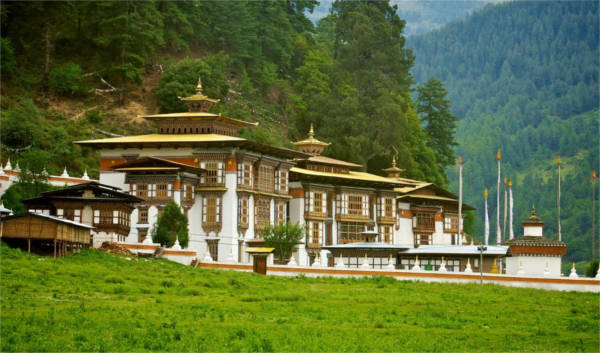
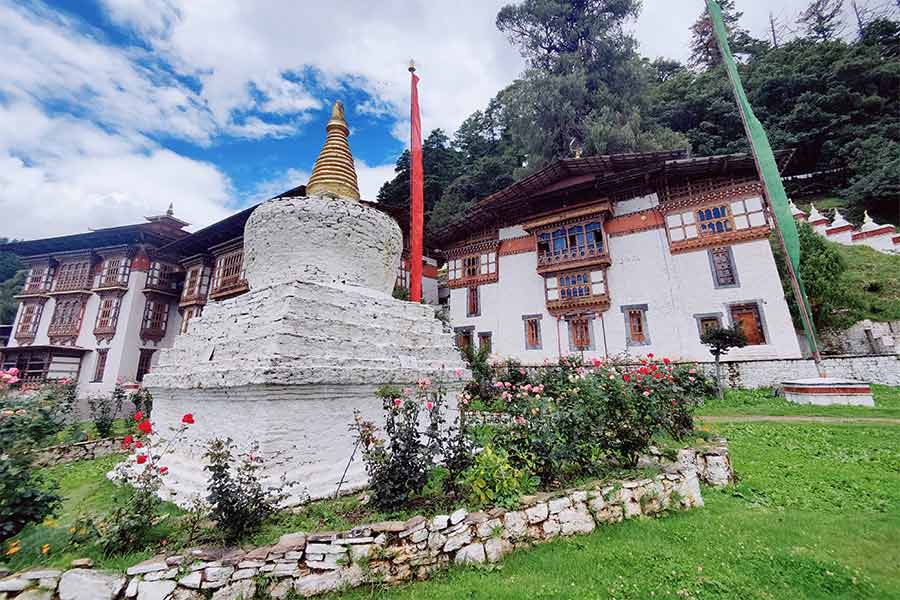
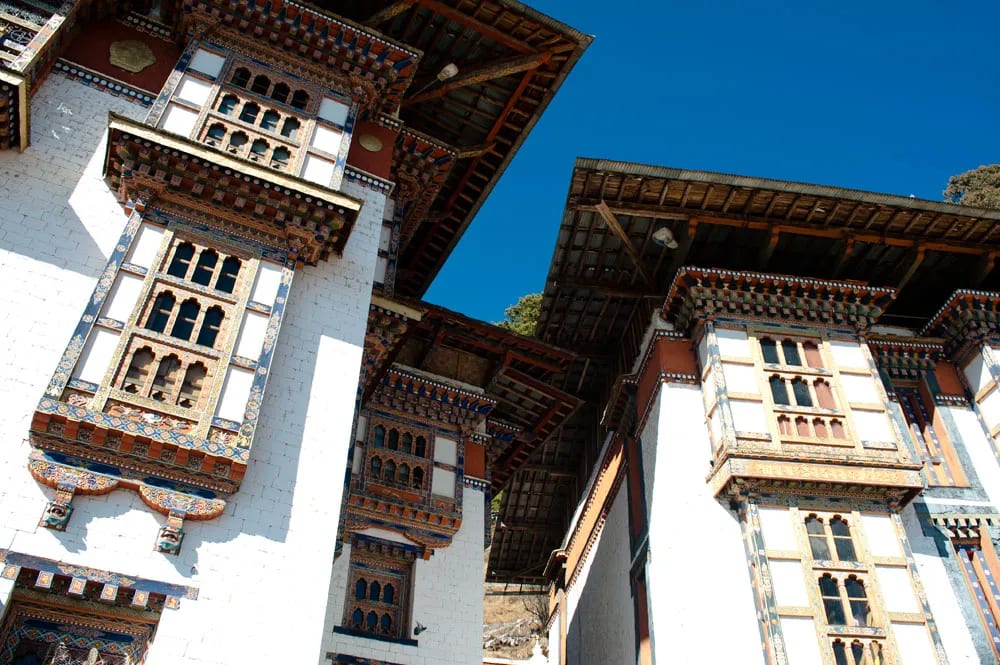
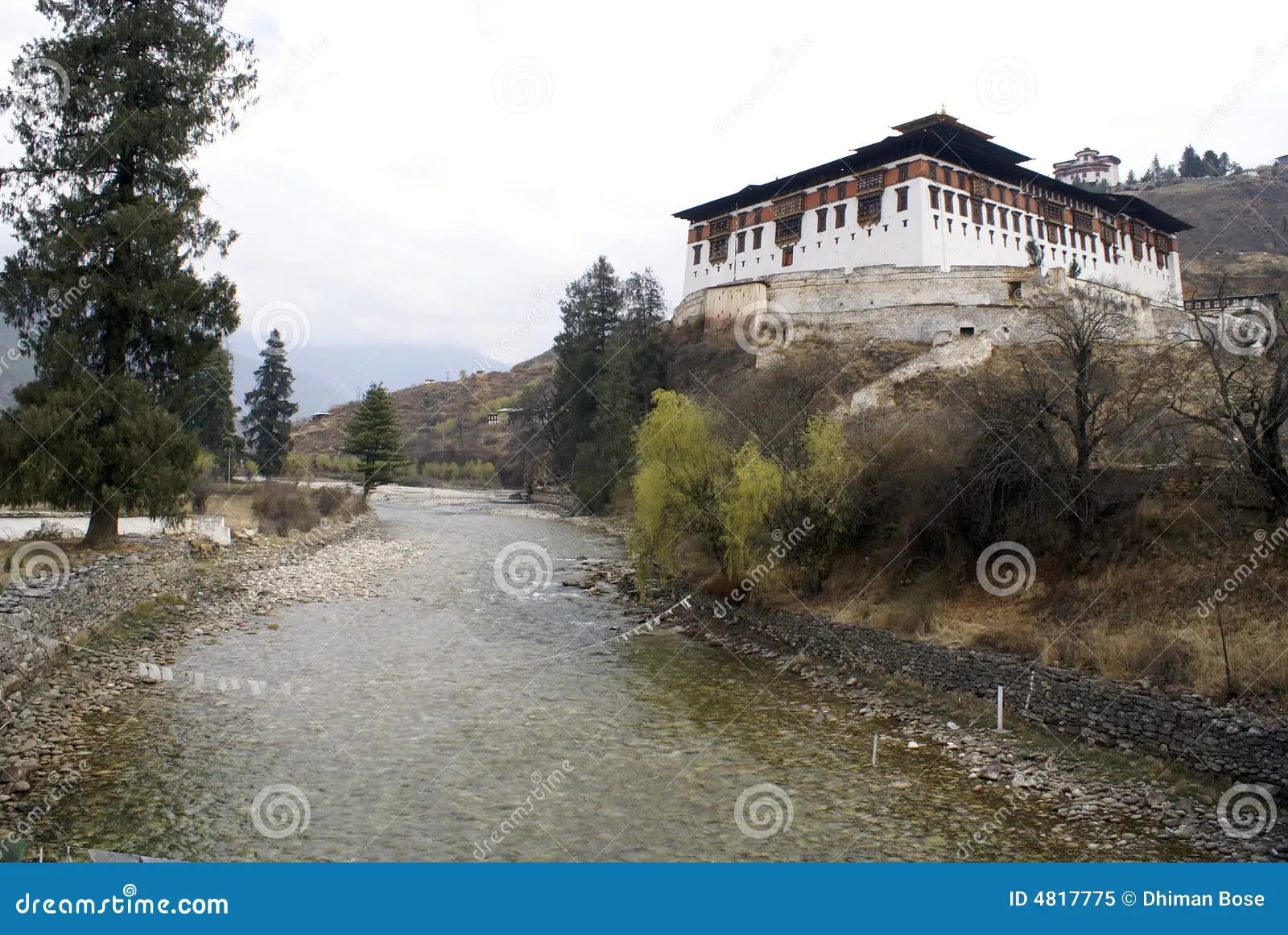
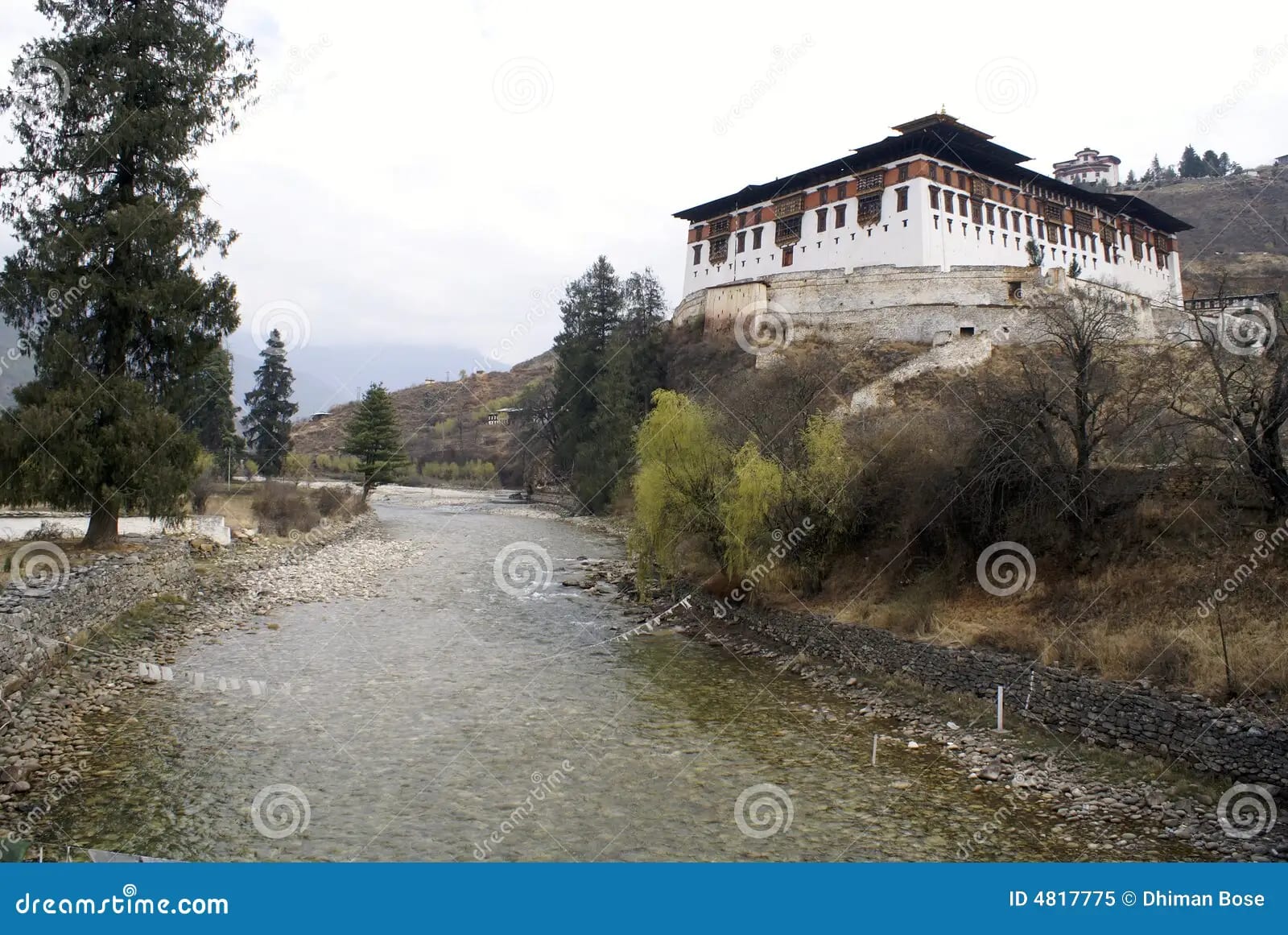
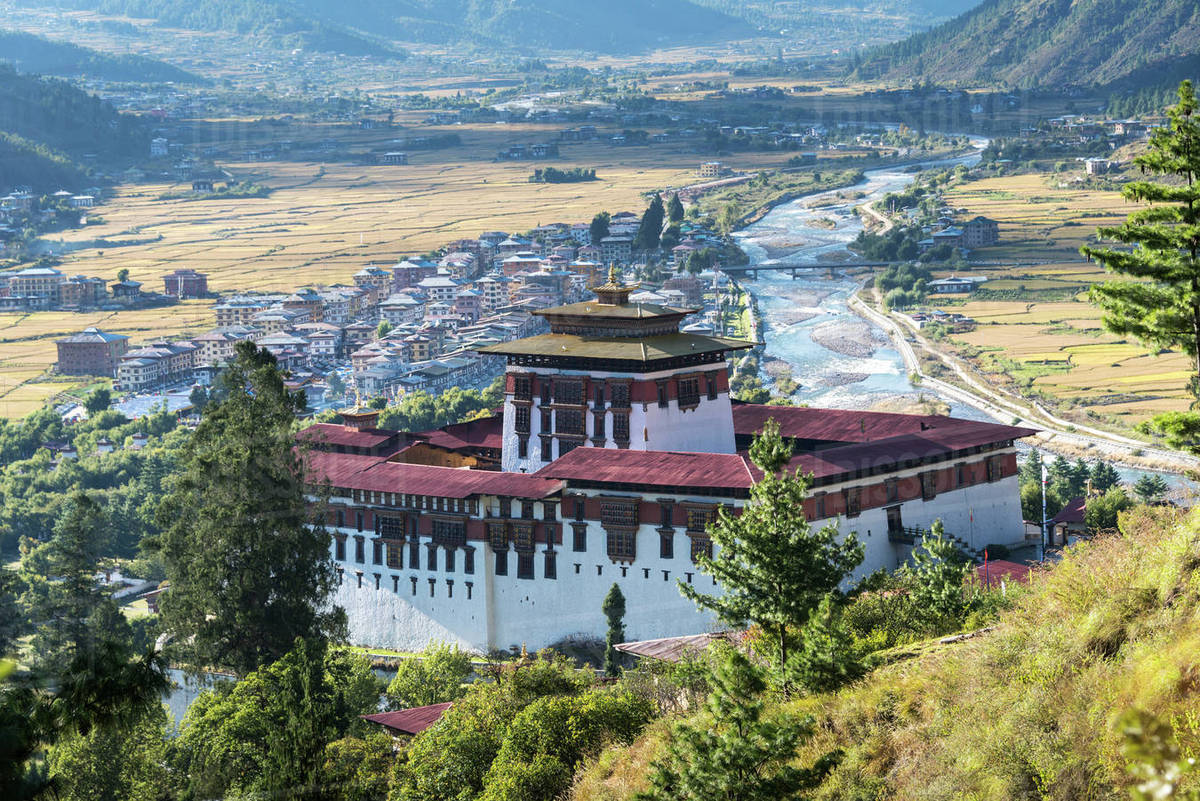
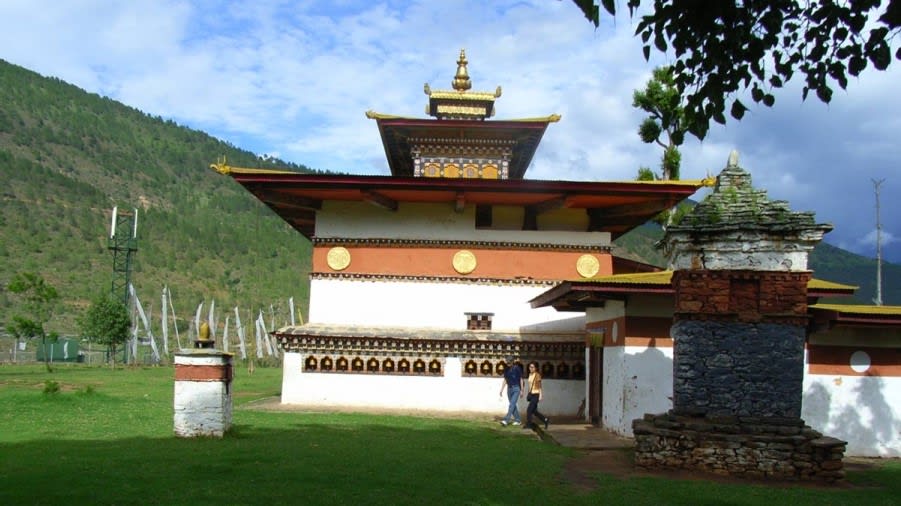
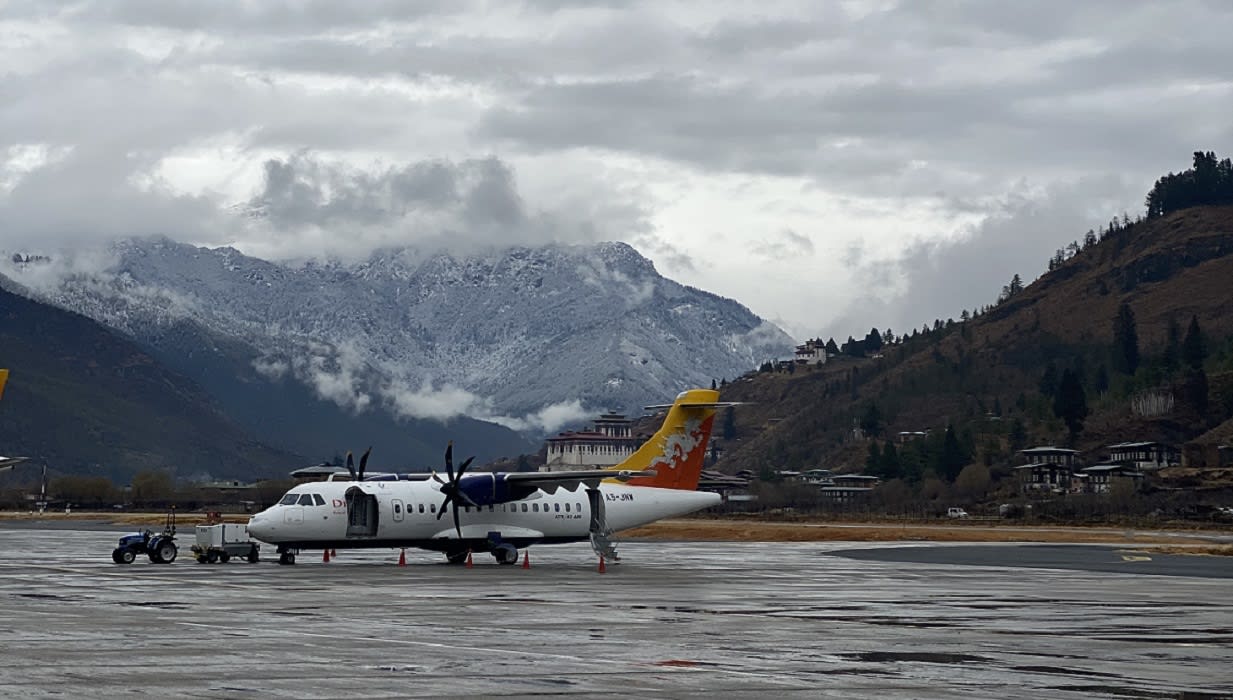
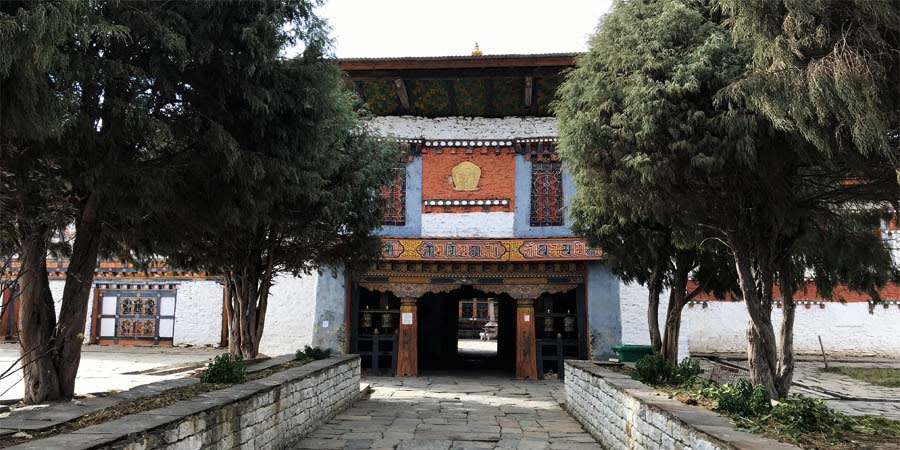
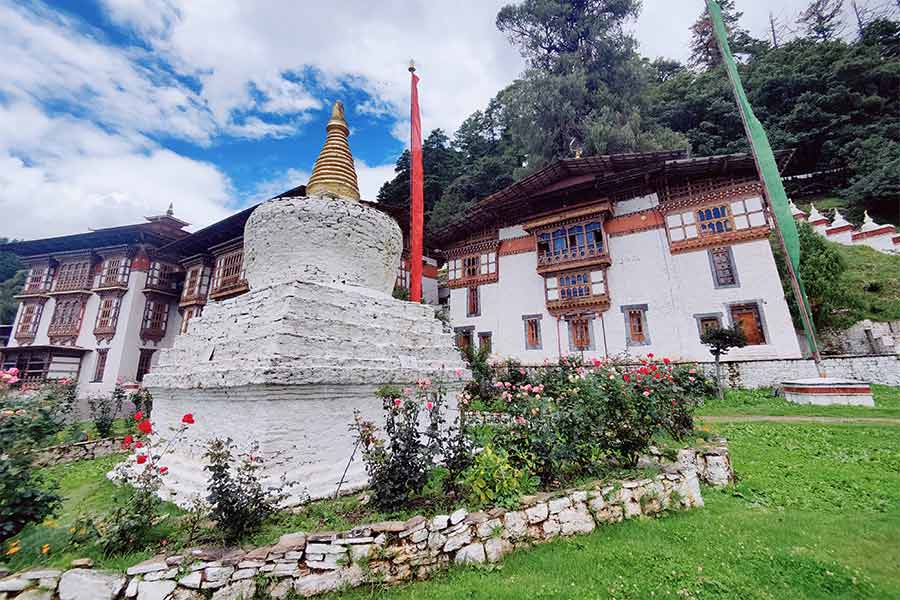
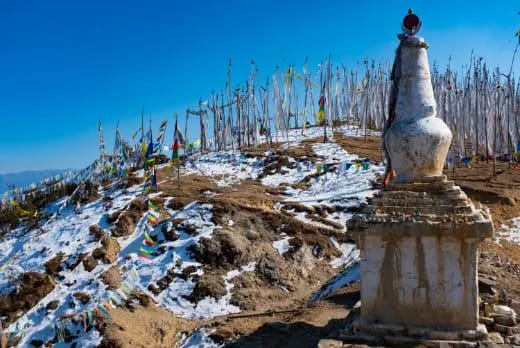
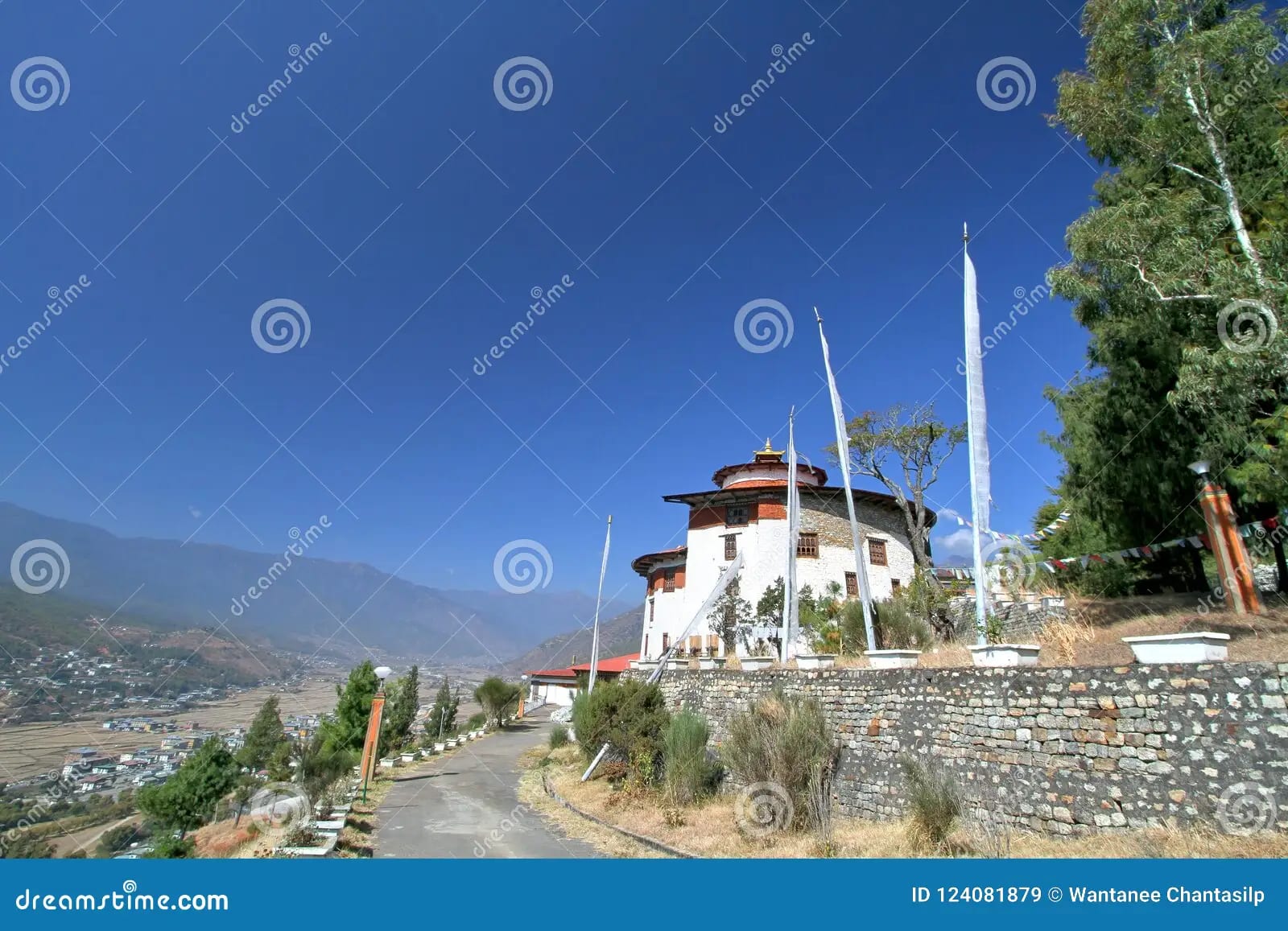
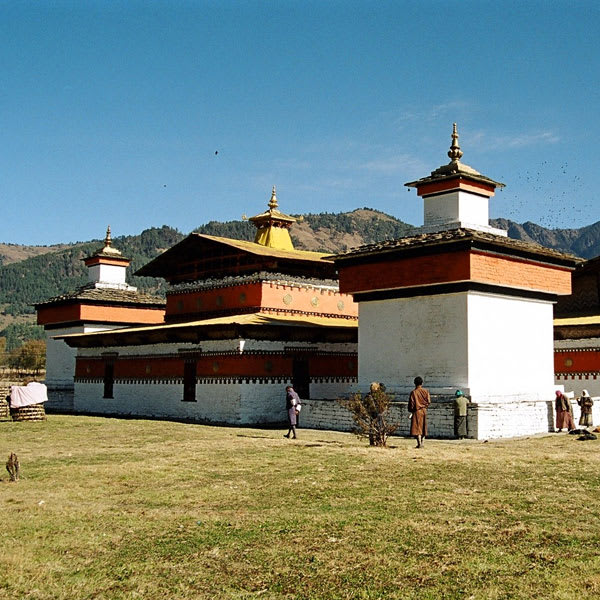
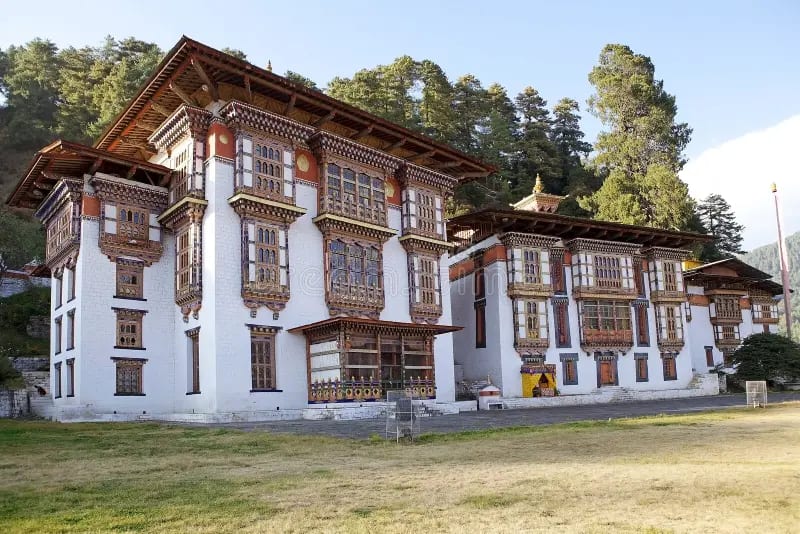
Based on hosting professional photographers and serious amateurs, we’ve discovered that Bhutan offers something completely unique for photographers - sacred landscapes, authentic culture unchanged by tourism, and genuine spiritual moments that create extraordinary images.
Real Photography Experiences We’ve Facilitated
Professional Photographer from National Geographic
“I’ve photographed in 40+ countries but Bhutan was completely different. The access to sacred moments, authentic village life, and spiritual practices - I captured images here that would be impossible anywhere else. Our local guide knew exactly when and where to be for the perfect light.”
Wildlife Photographer from BBC
“The combination of pristine landscapes and spiritual culture creates incredible compositions. Unlike photographing religious ceremonies elsewhere, the Bhutanese people welcomed respectful photography. Our farm stay access gave me intimate portraits impossible to get as a tourist.”
Essential Photography Locations
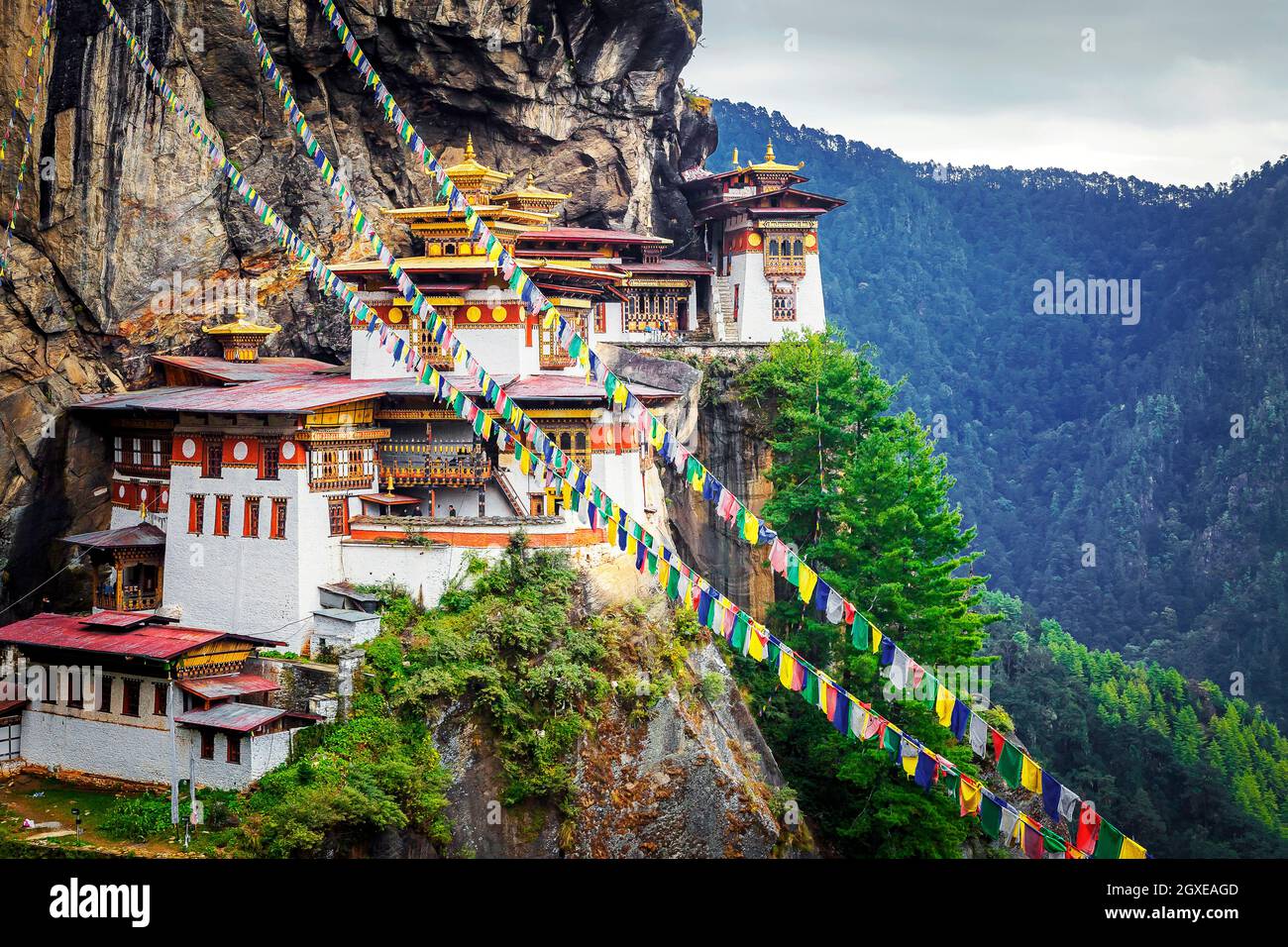
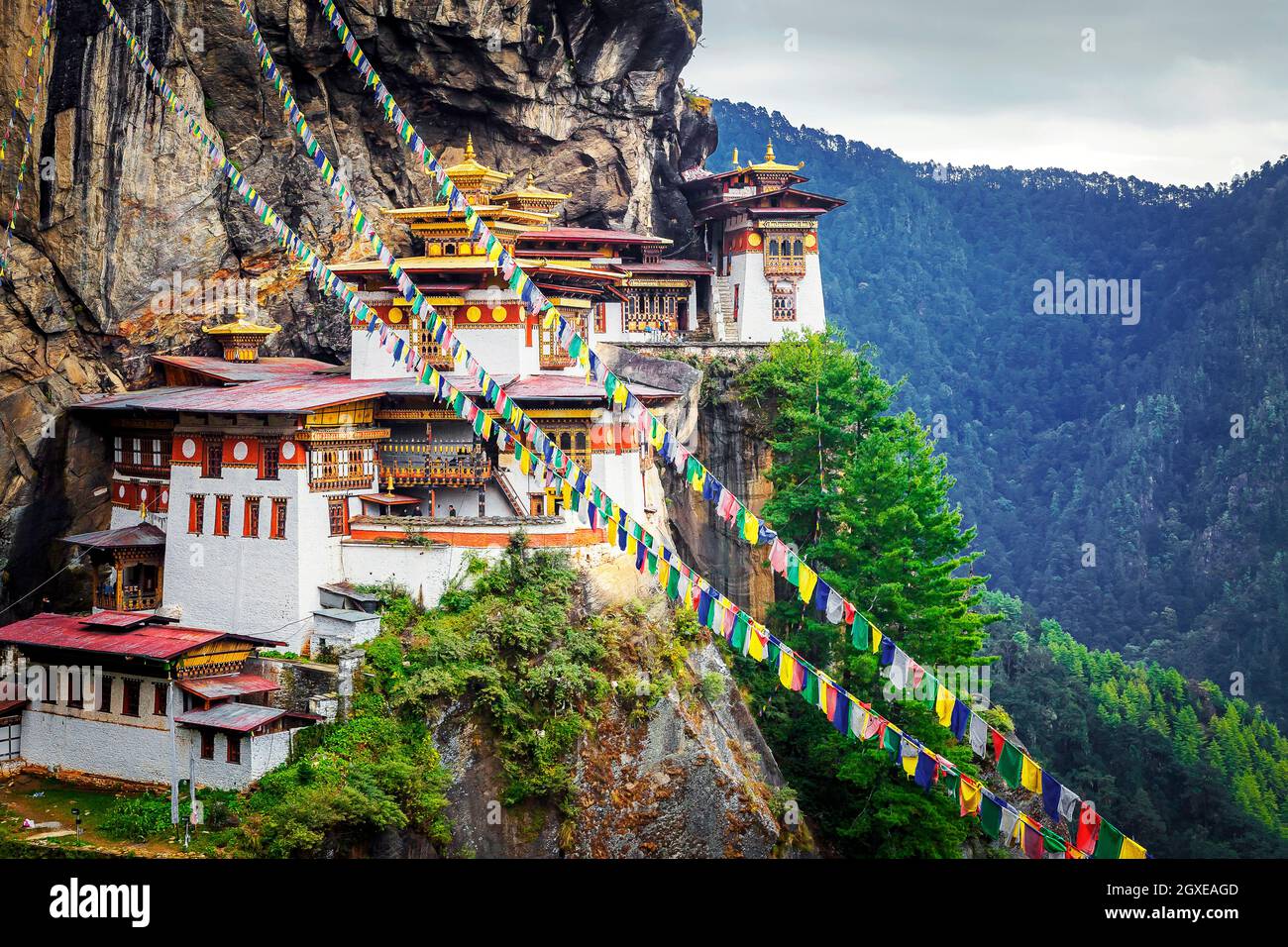
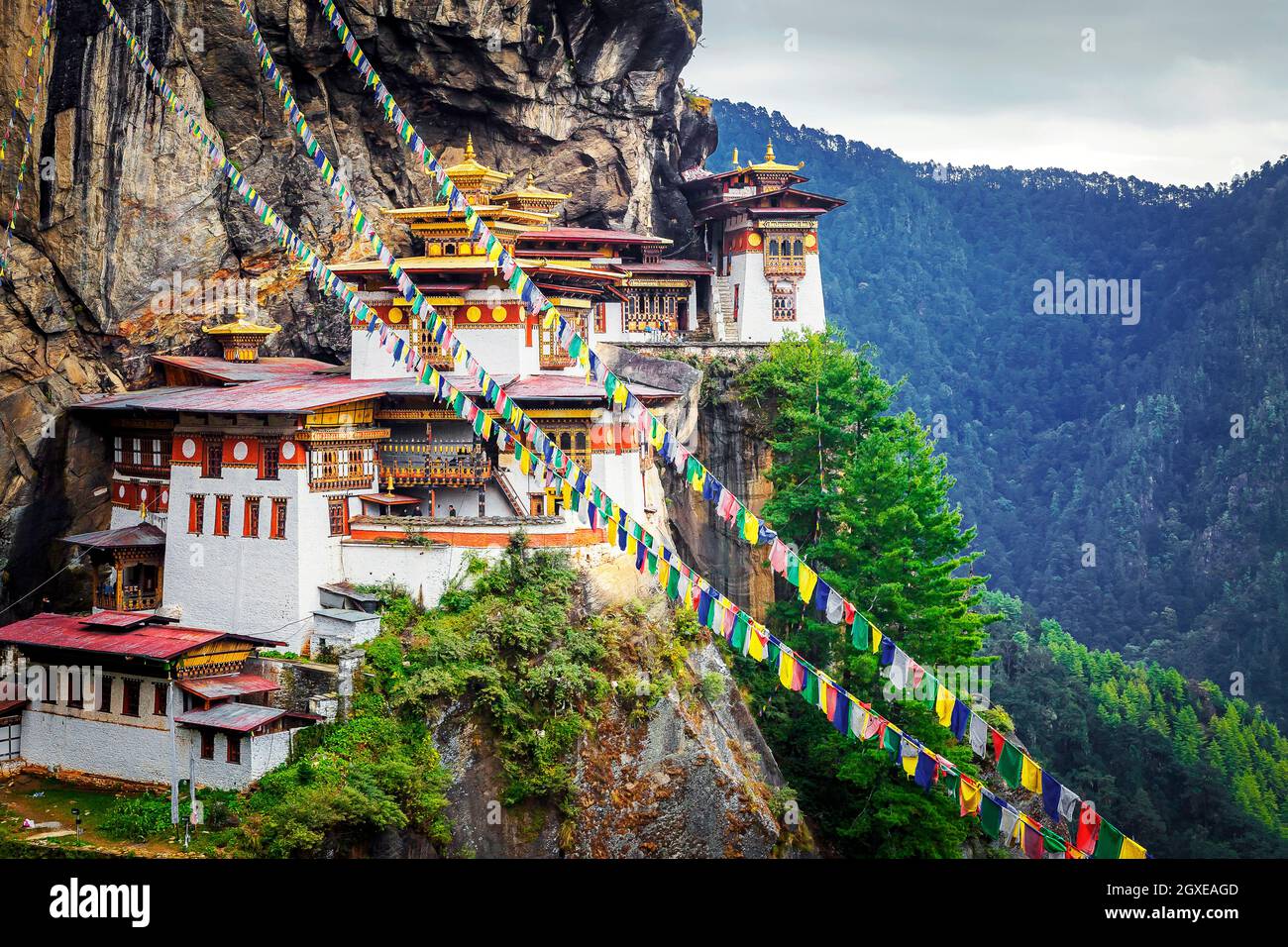
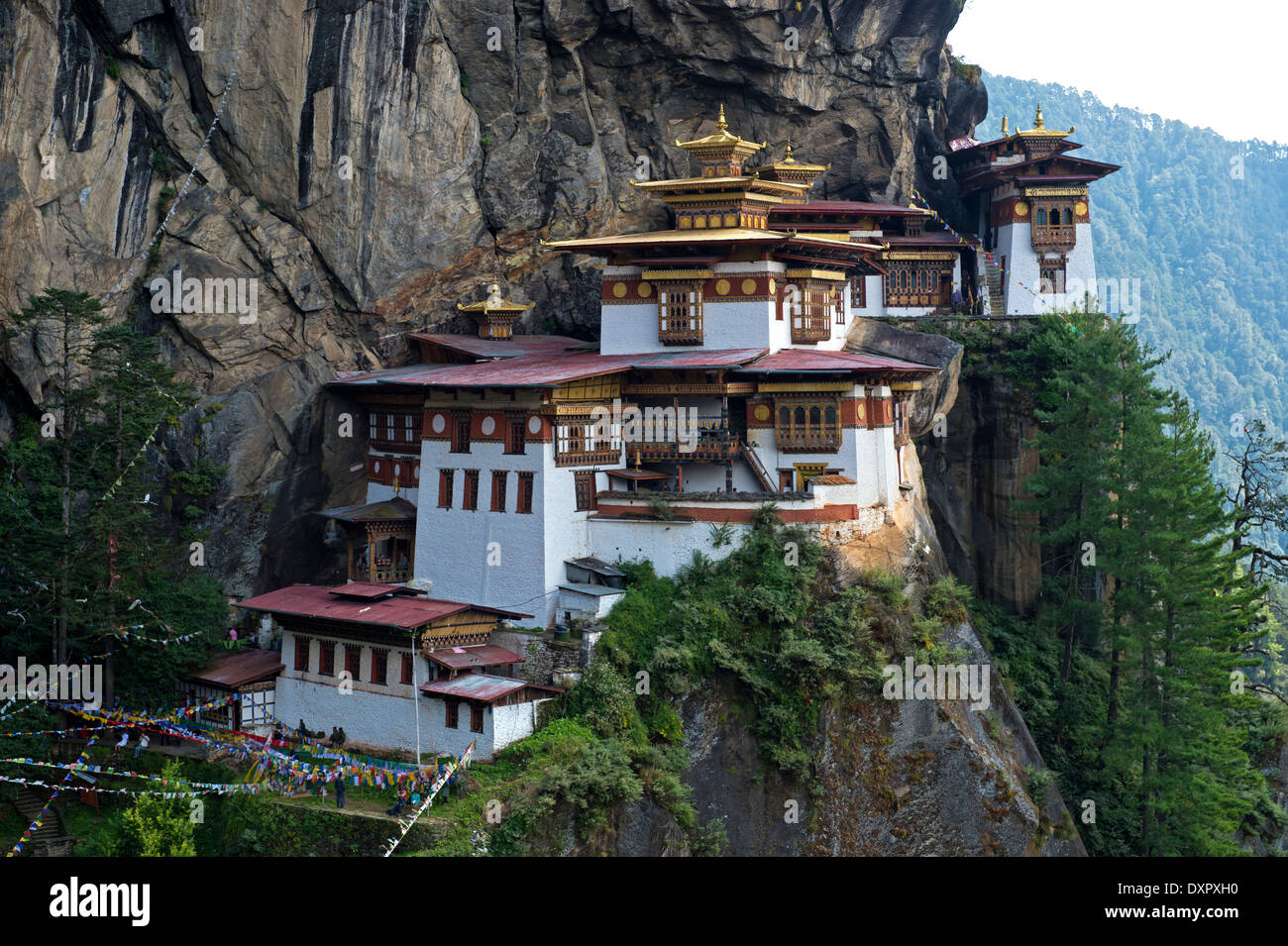
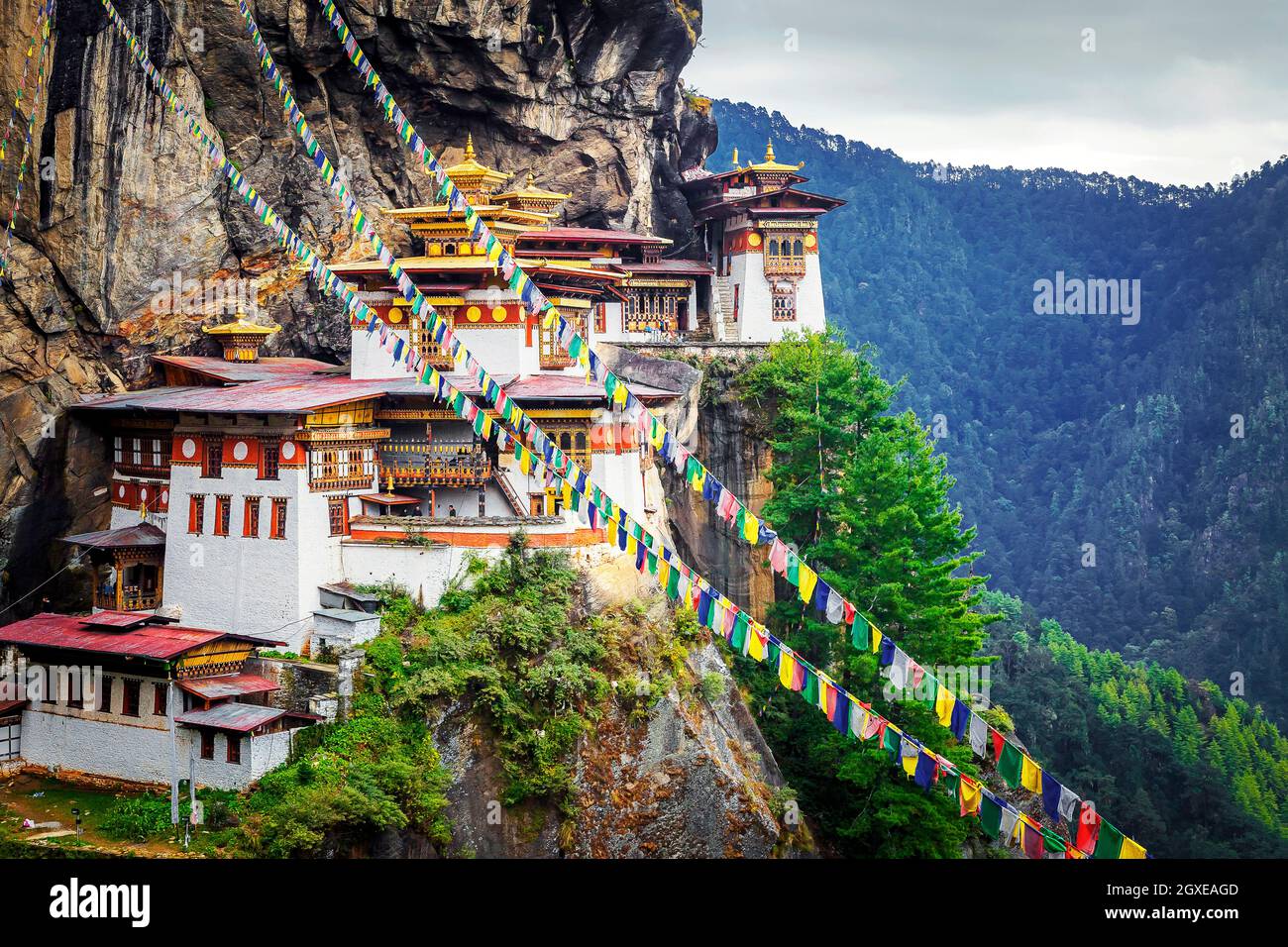
1. Tiger’s Nest (Taktsang Palphug Monastery)
Why It’s Iconic:
- Dramatic Setting: Cliff-side monastery at 3,120m
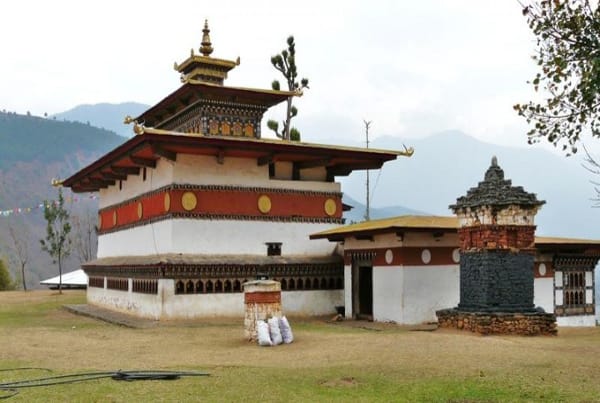
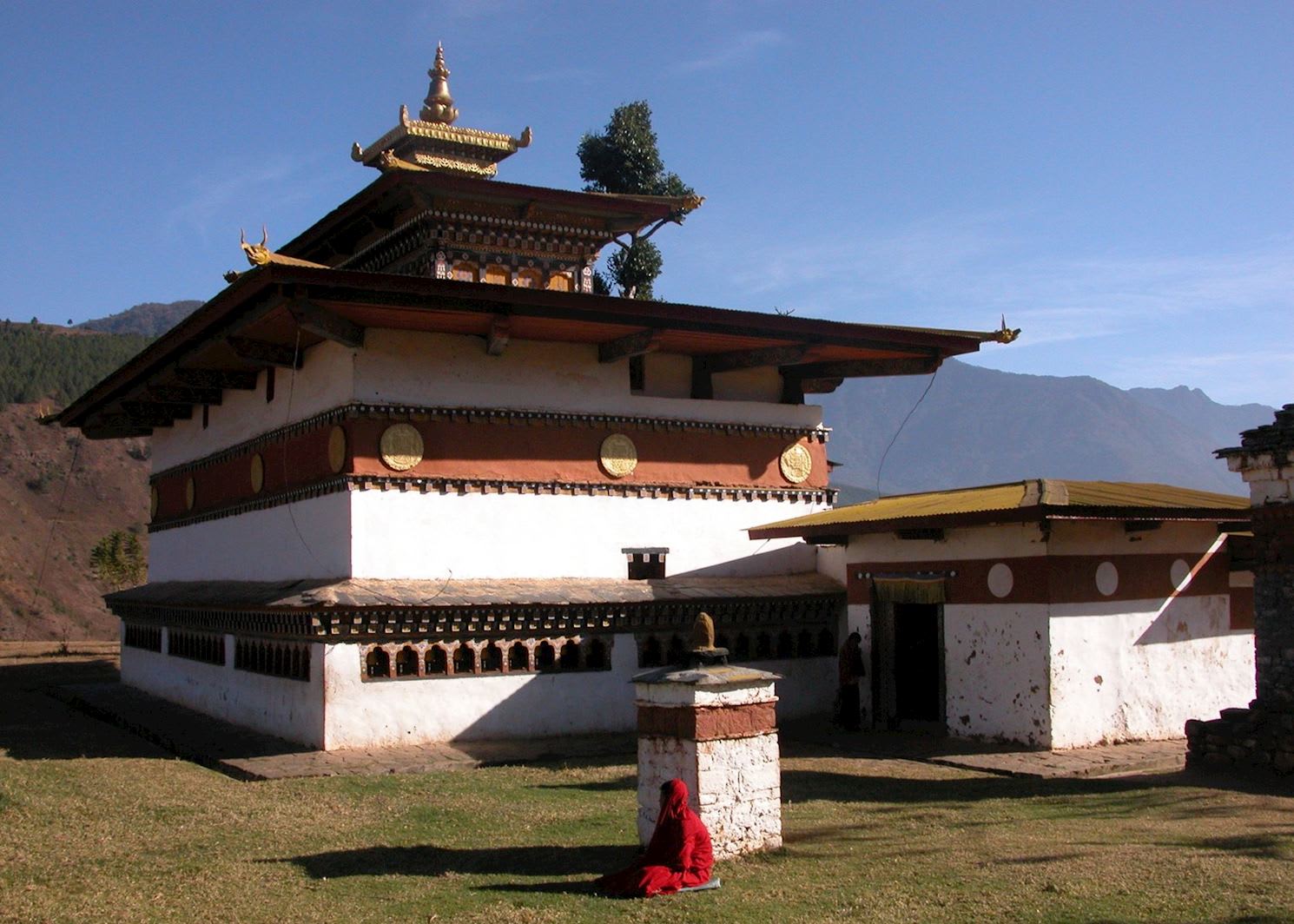
- Sacred Architecture: Traditional Bhutanese design
- Pilgrim Activity: Authentic Buddhist devotion
- Mountain Views: Stunning Paro valley backdrop
Photography Tips:
- Best Time: Early morning (6-8 AM) for clear views and pilgrims
- Season: Spring (March-May) and autumn (September-November)
- Composition: Use telephoto from viewpoint, wide from closer approaches
- Respect: No photography inside main temples
- Local Insight: Our guides know best angles and timing
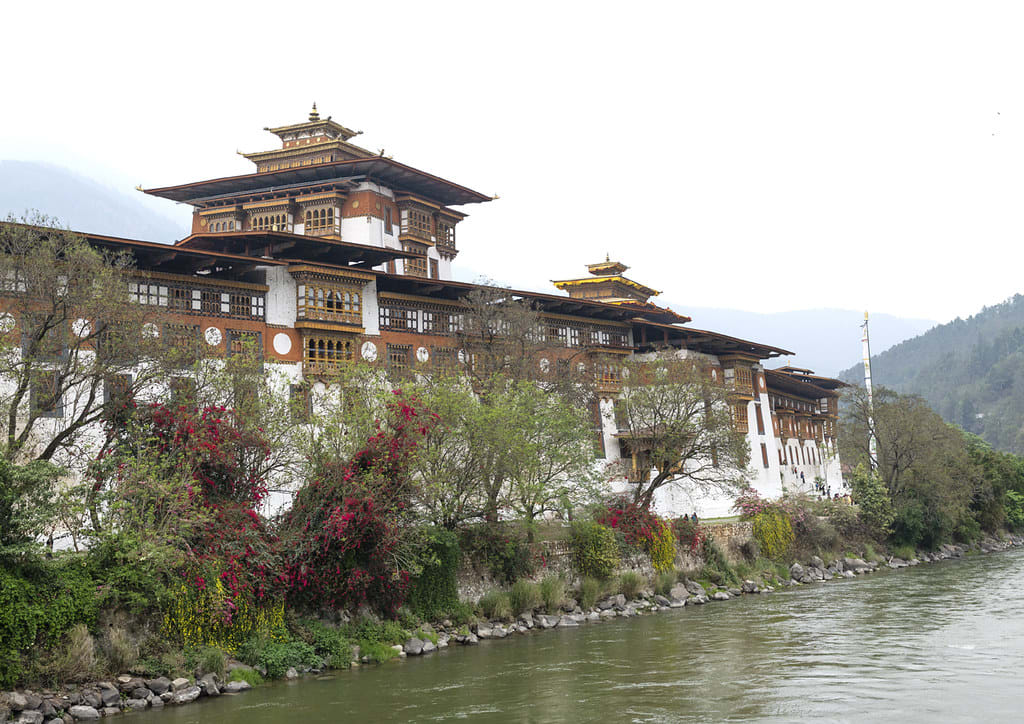
2. Punakha Dzong at Dawn
Why It’s Spectacular:
- Riverside Beauty: Confluence of Pho and Mo rivers
- Golden Hour Light: Perfect morning light on architecture
- Sacred Architecture: Incredible traditional design
- Mirror Reflections: River often still at dawn
Technical Approach:
- Arrival Time: 5:30-6 AM depending on season
- Equipment: Tripod essential for low light
- Composition: Include river reflections and mountain backdrop
- Weather: Clear winter mornings offer best visibility
3. Bumthang Sacred Valley Landscapes
Why Photographers Love It:
- Rolling Hills: Beautiful agricultural landscapes
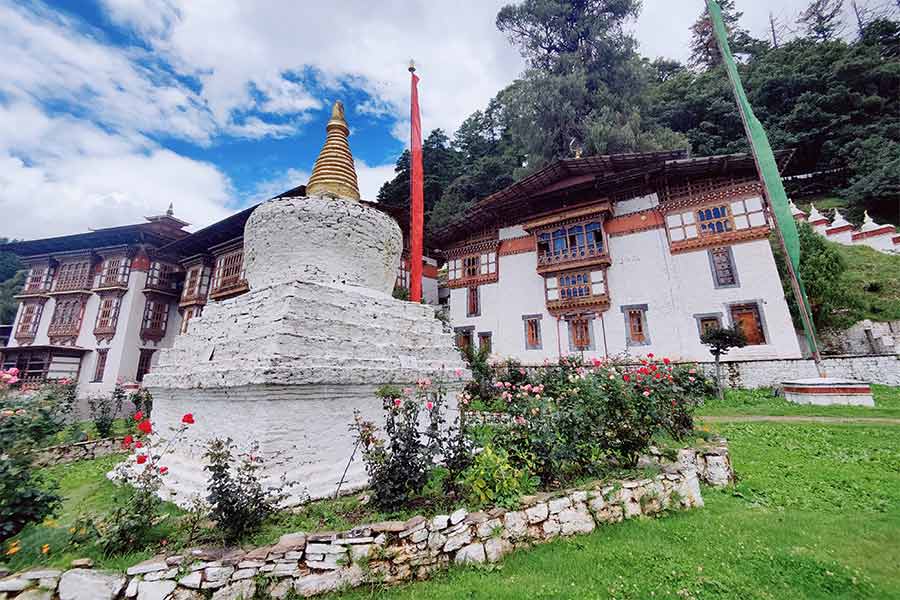
- Traditional Architecture: Pristine farmhouses and monasteries
- Spiritual Atmosphere: Peaceful, undisturbed locations
- Cultural Authenticity: Real village life, not tourist shows
Recommended Locations:
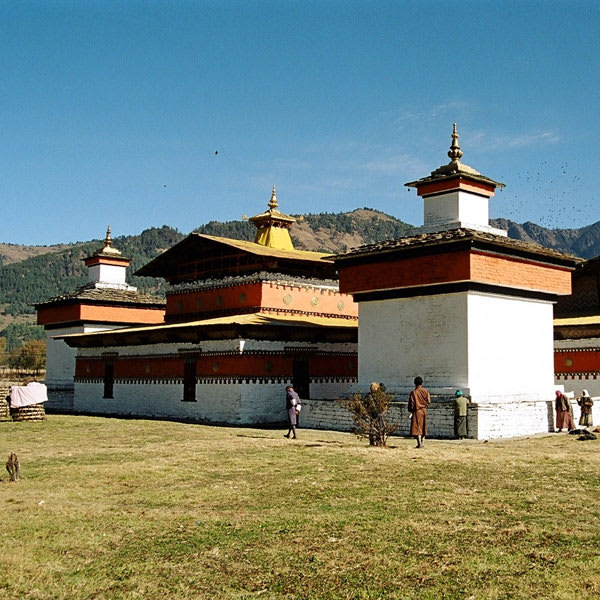
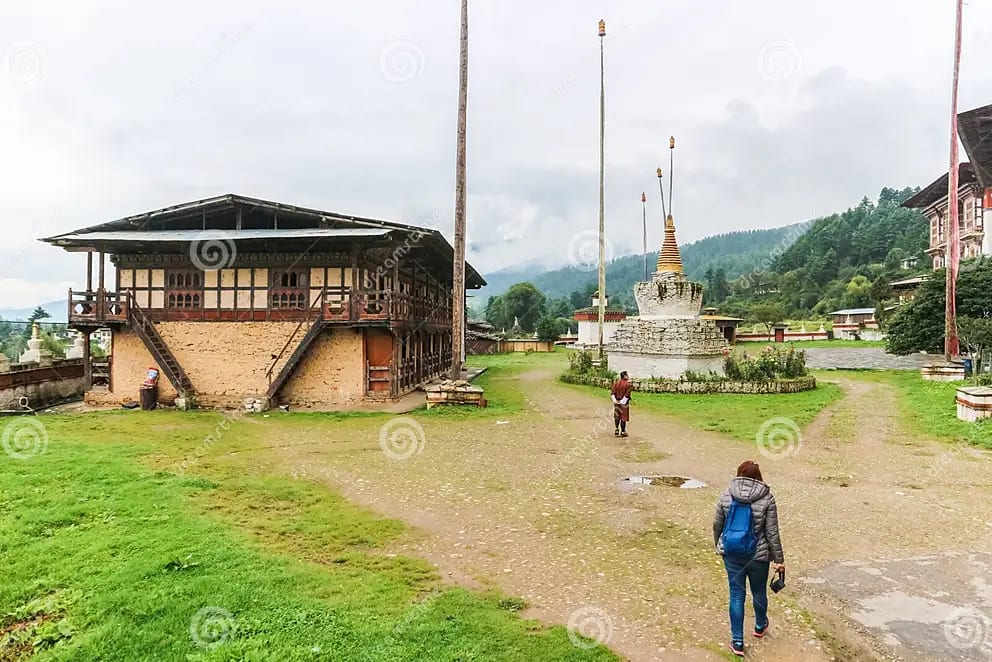
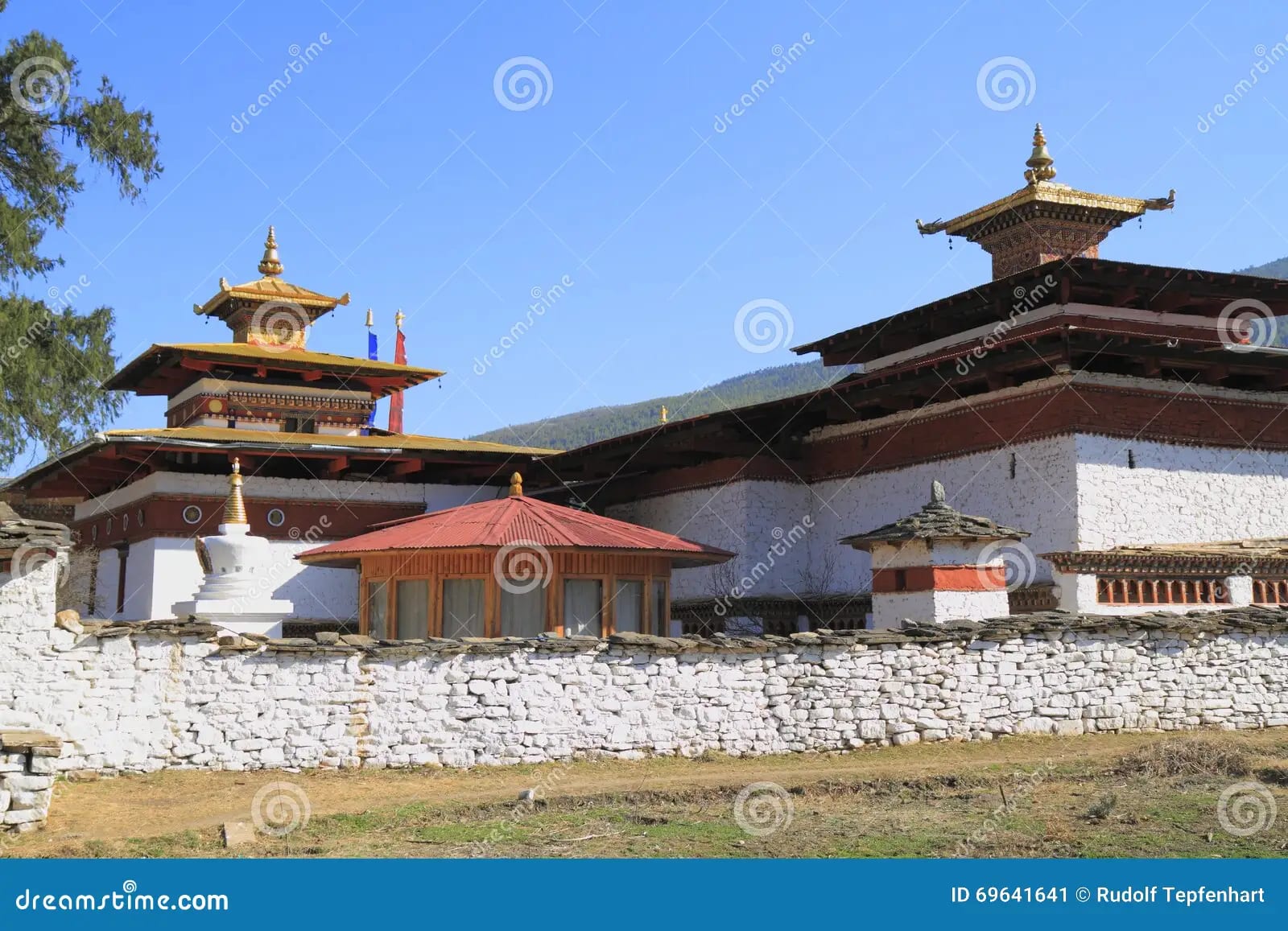
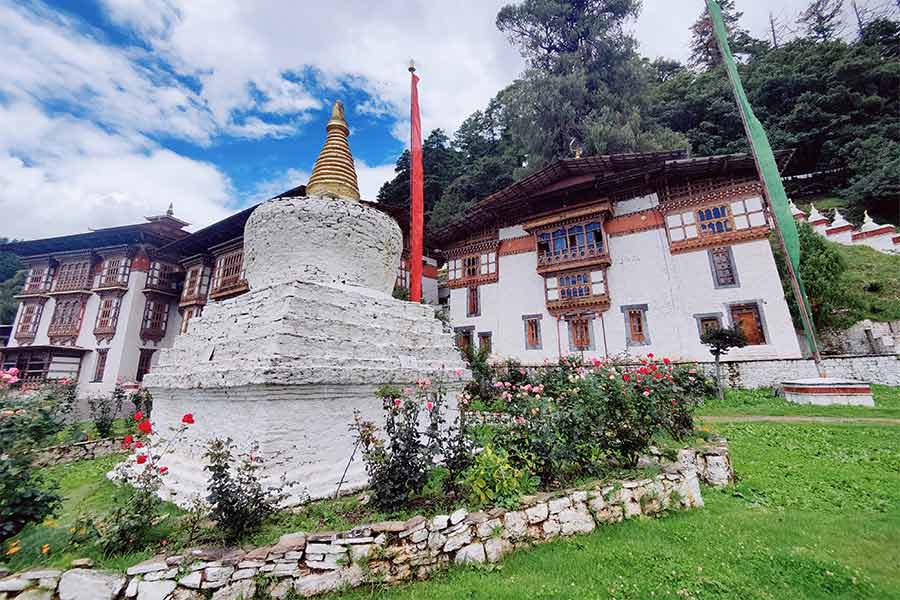
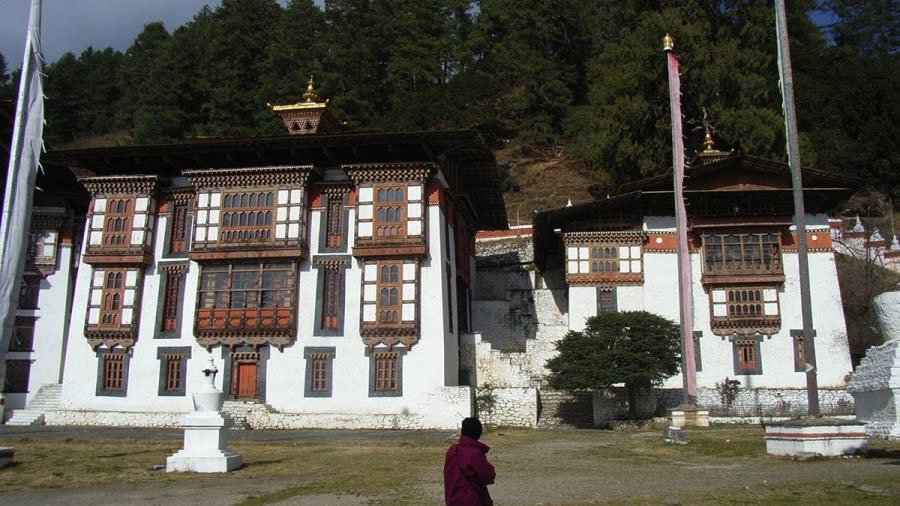
- Kurjey Lhakhang: Morning light on ancient temple
- Jakar Dzong: Hilltop fortress with valley views
- Ura Village: Traditional cluster of houses
- Tang Valley: Hidden paradise with sacred sites
4. Thimphu Street Life and Culture
Urban Photography Opportunities:
- Weekend Market: Vibrant colors and local life
- Traditional Dress: People in kira and gho daily wear
- Street Scenes: Mix of traditional and modern Bhutan
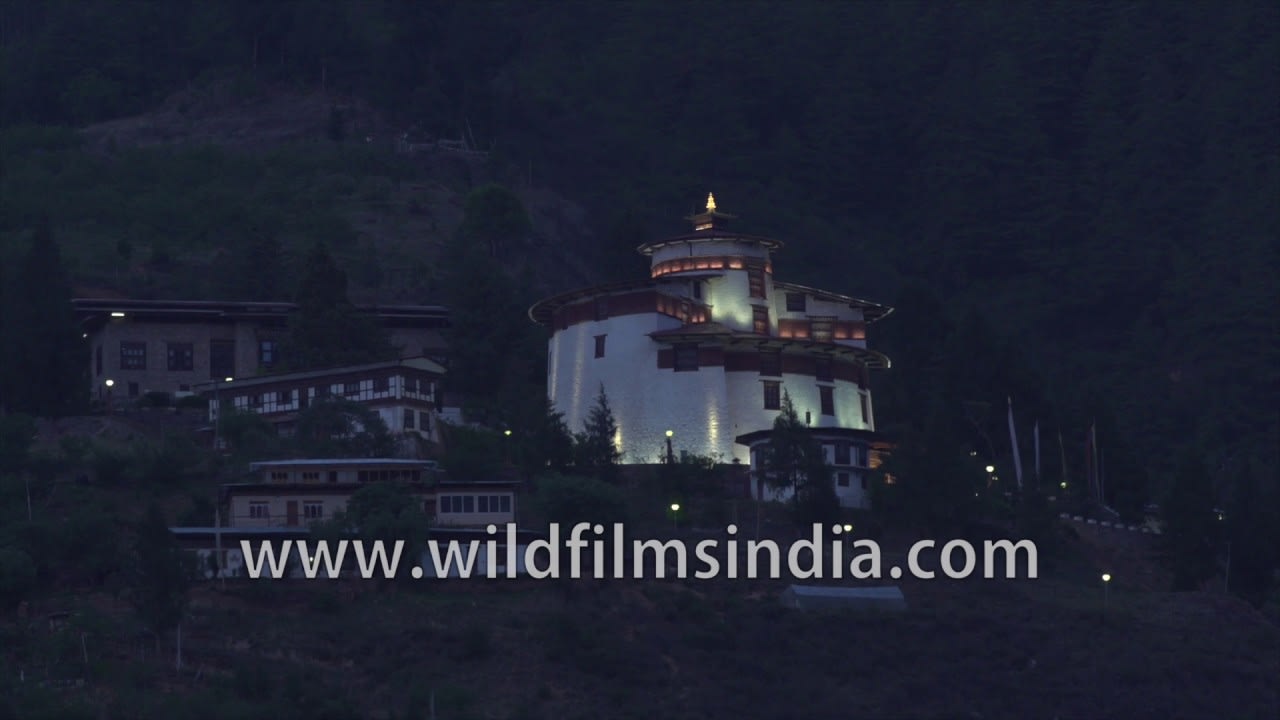
- Night Photography: Illuminated monuments and streets
Best Times:
- Market: Saturday/Sunday 6-9 AM for busiest activity
- Street Life: Early morning and late afternoon
- Monuments: Golden hour and blue hour after sunset
Cultural Photography Guidelines
Photographing People Respectfully
Bhutanese Culture and Photography:
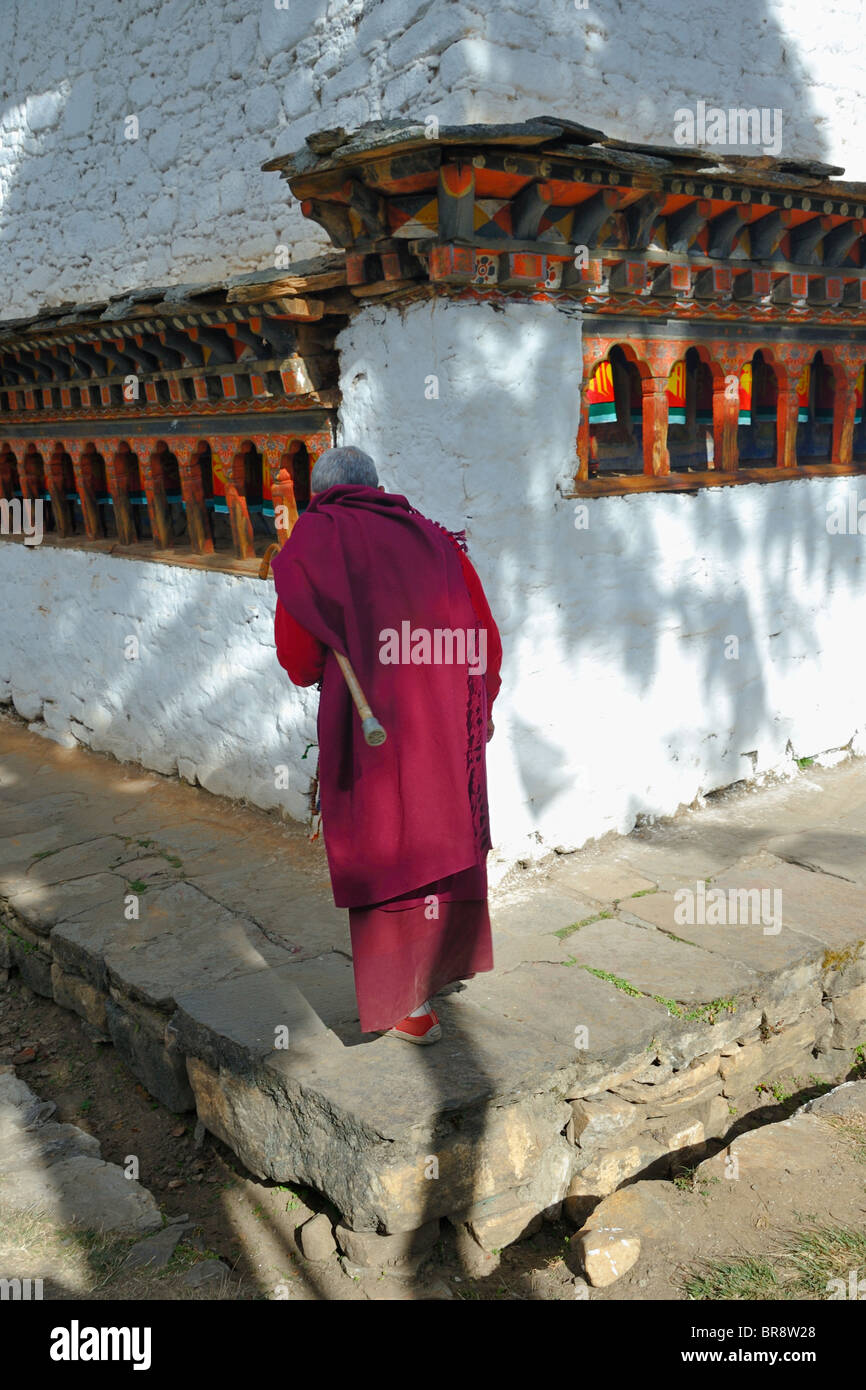
- Generally Welcoming: Bhutanese people usually happy to be photographed
- Ask Permission: Always ask before close-up portraits
- Reciprocal Interest: People often want photos of you too
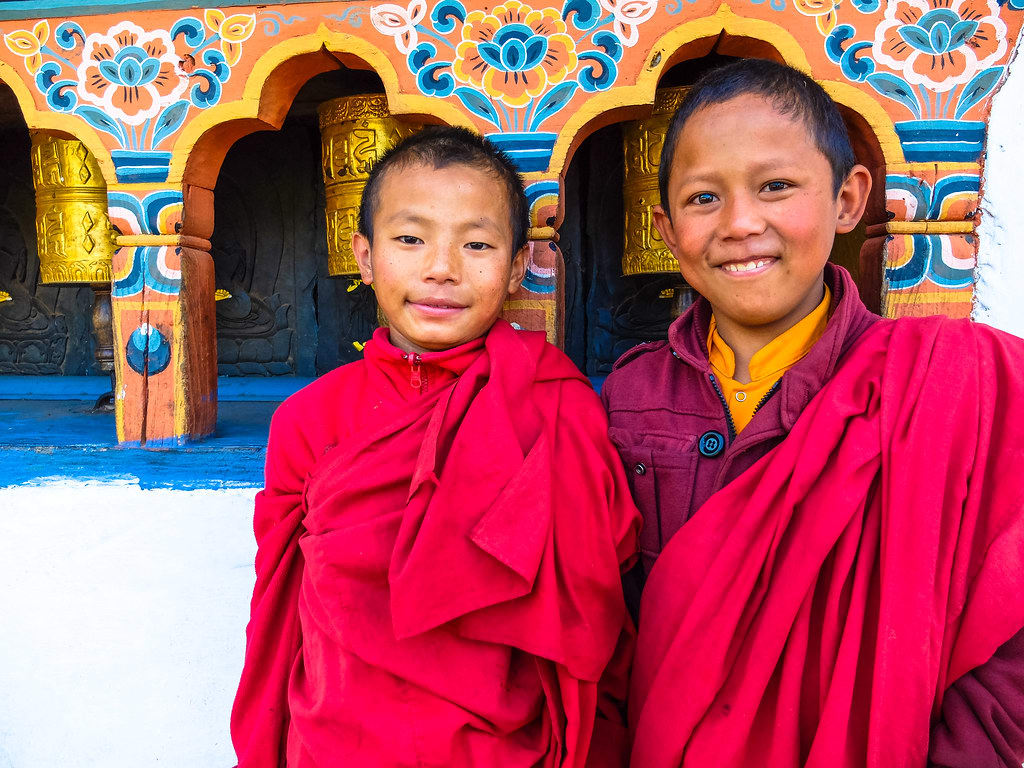
- Respect Monks: Some monks prefer not to be photographed
- Sacred Moments: During ceremonies, ask first
Best Approaches:
- Smile and Gesture: Non-verbal communication works well
- Learn Basic Phrases: “May I take your photo?” in Dzongkha
- Share Results: Show people their photos (digital cameras help)
- Build Connection: Talk before shooting
- Respect Refusals: Accept if someone says no
Religious Ceremonies and Festivals
Tsechu Photography Etiquette:
- Ask Officials: Check photography rules with organizers
- No Flash: Can be disruptive during ceremonies
- Respectful Distance: Don’t block participants or viewers
- Sacred Objects: Some items cannot be photographed
- Timing: Certain moments are more photographable than others
Best Festival Photography:
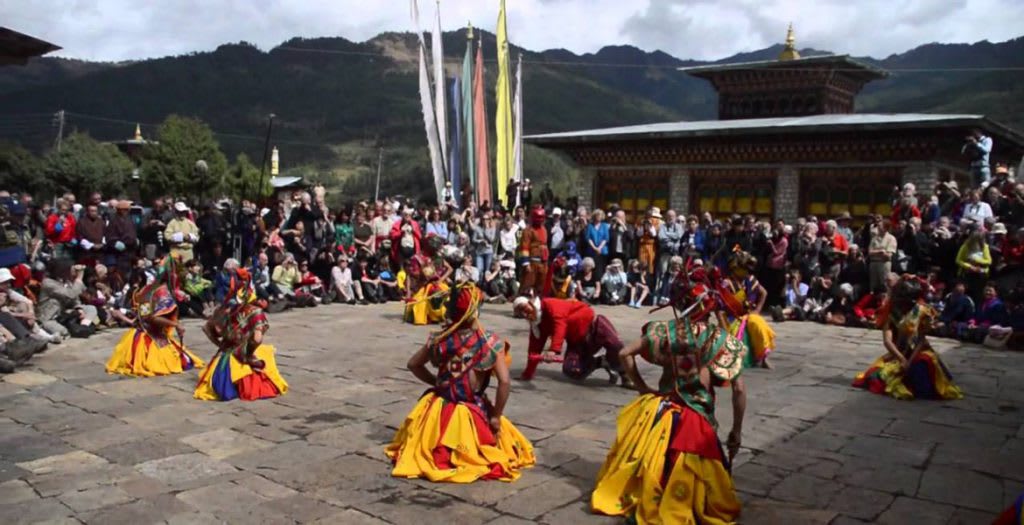
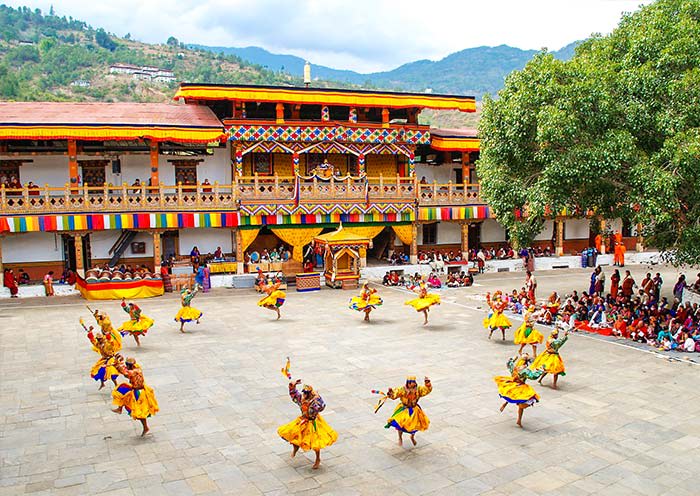
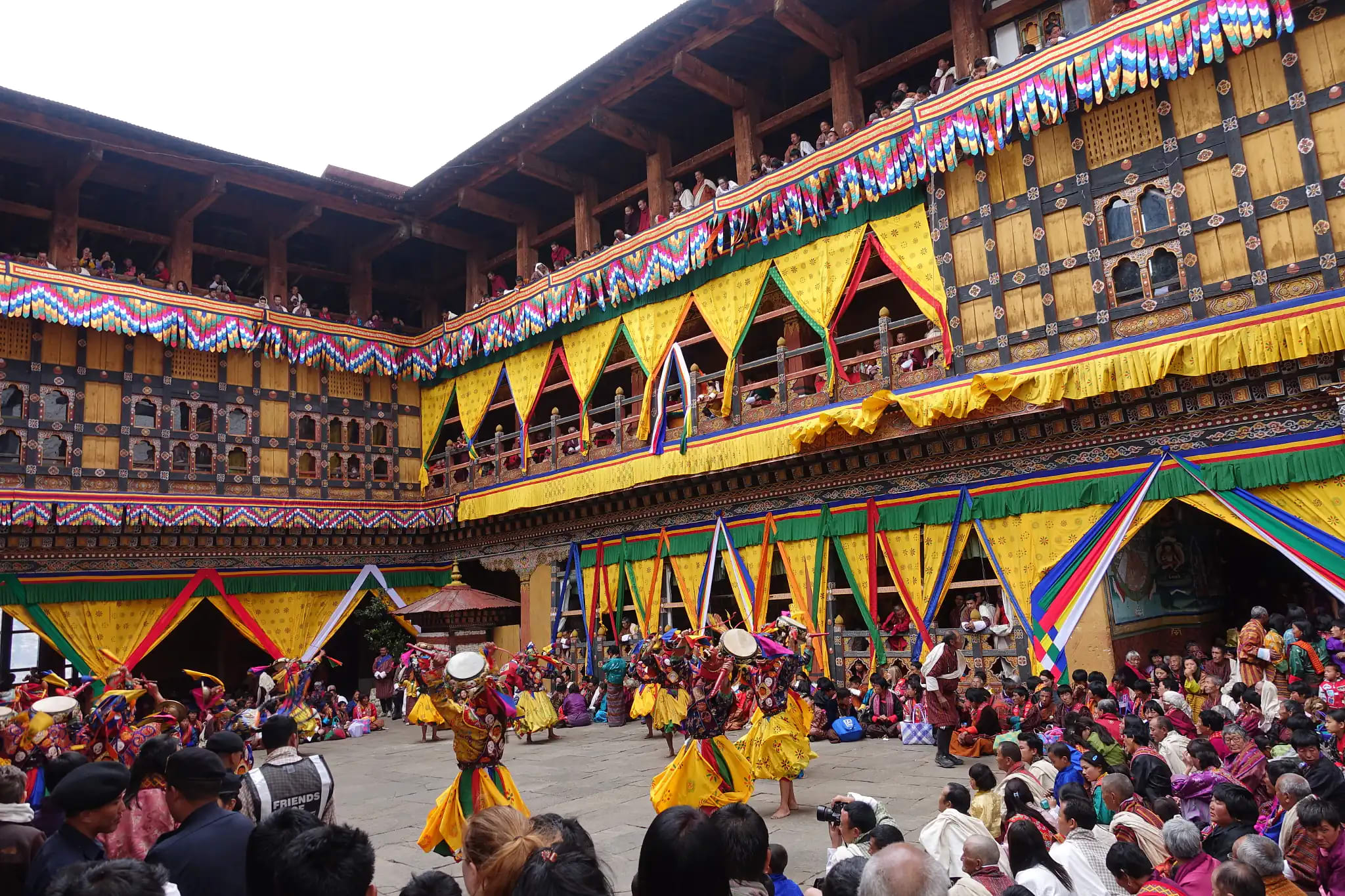
- Paro Tsechu: Spring festival with masked dances
- Thimphu Tsechu: Fall festival with elaborate costumes
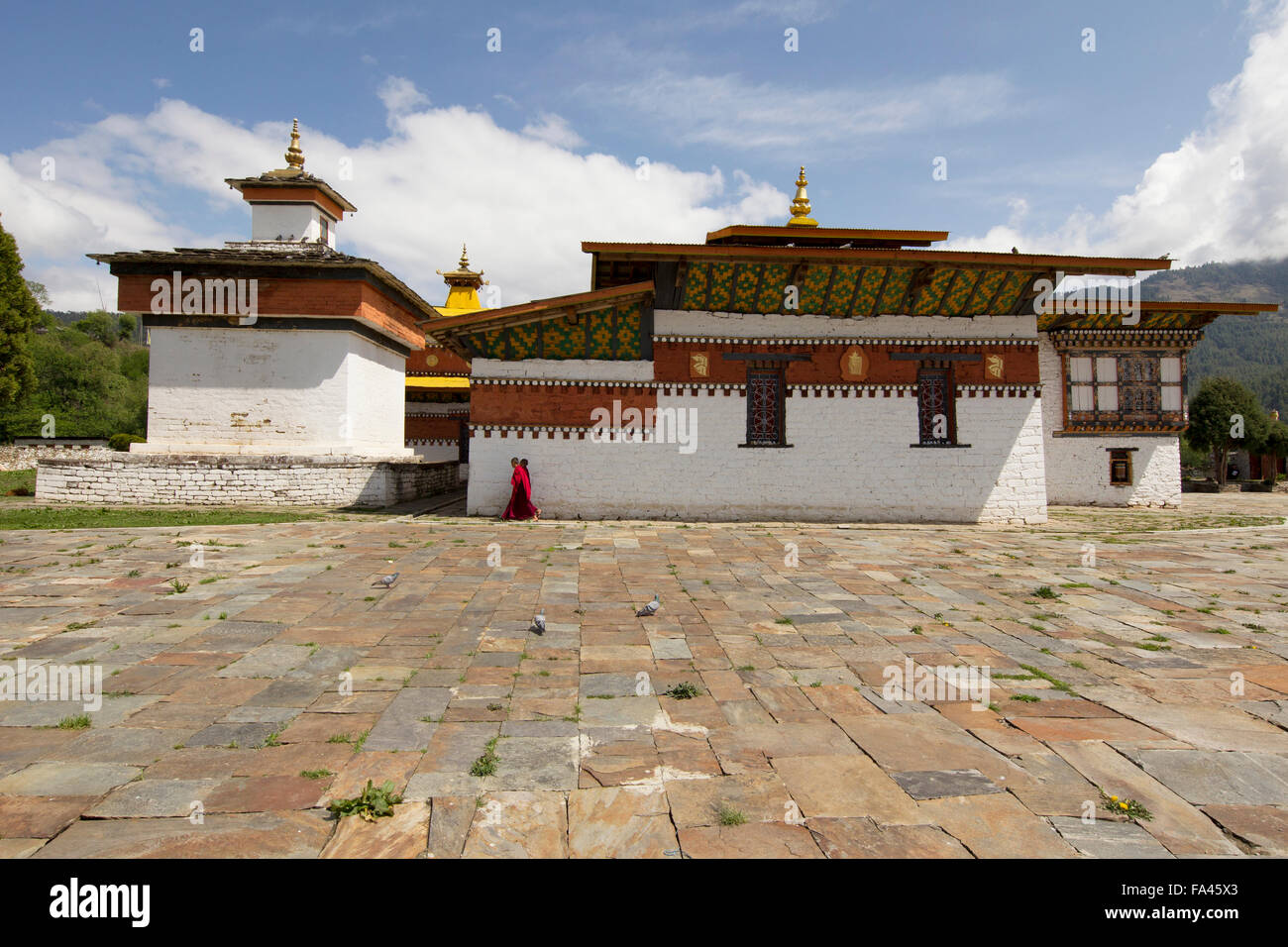
- Jambay Lhakhang: Bumthang’s sacred fire ceremony
- Local Village Festivals: More intimate, less restrictive
Monastery and Temple Photography
Sacred Space Guidelines:
- Exterior Photography: Generally welcome
- Interior Rules: Many temples prohibit photography inside
- Ask First: Always check with monks or caretakers
- Respect Worshipers: Don’t disrupt prayers or ceremonies
- Sacred Objects: Some relics and statues cannot be photographed
Seasonal Photography Opportunities
Spring (March-May)
Why Perfect for Photography:
- Rhododendron Season: Incredible flower displays
- Clear Views: Best mountain visibility
- Festival Season: Paro and Punakha tshechus
- Agricultural Activity: Traditional farming practices
Spring Highlights:
- Rhododendron Forests: Hikes above 3,000m for best displays
- Paro Tsechu: Colorful masked dances and ceremonies
- Blossoming Valleys: Fruit trees and wildflowers
- Cultural Activities: Traditional spring ceremonies
Summer Monsoon (June-August)
Challenges and Opportunities:
- Lush Greenery: Vibrant landscapes and vegetation
- Dramatic Skies: Storm clouds and mountain moods
- Fewer Tourists: Empty photographic locations
- Cultural Activities: Indoor ceremonies and practices
Monsoon Photography:
- Weather Photography: Dramatic storm scenes
- Water Scenes: Rivers and waterfalls at peak flow
- Indoor Cultural: Monasteries and temples during rain
- Macro Work: Wildflowers and detailed shots
Autumn (September-November)
Peak Photography Season:
- Harvest Colors: Golden rice terraces and landscapes
- Festival Season: Thimphu and other tshechus
- Perfect Weather: Clear skies, comfortable temperatures
- Cultural Events: Harvest celebrations and ceremonies
Autumn Highlights:
- Golden Rice Terraces: Punakha and Paro valleys
- Thimphu Tsechu: Major cultural festival
- Mountain Clarity: Best high-altitude visibility
- Cultural Abundance: Multiple simultaneous events
Winter (December-February)
Winter Photography Specialties:
- Snow-Capped Peaks: Dramatic mountain landscapes
- Clear Air: Exceptional visibility and sharpness
- Minimal Tourists: Empty photographic locations
- Spiritual Focus: Meditation and practice intensify
Winter Opportunities:
- Snow Scenes: Rare but beautiful snow events
- Architecture: Clear views of dzongs and monasteries
- Portraiture: Beautiful winter light for people photos
- Night Skies: Perfect for astrophotography
Technical Photography Guide
Equipment Recommendations
What to Bring:
- Camera Body: Full-frame or high-end crop sensor
- Lenses: Wide-angle (16-35mm), Standard (24-70mm), Telephoto (70-200mm)
- Tripod: Essential for low light and landscapes
- Filters: Polarizer, neutral density for long exposures
- Extra Batteries: Cold drains batteries faster
- Weather Protection: Rain covers for monsoon season
Camera Settings for Different Situations
Landscape Photography:
- Aperture: f/8-f/16 for depth of field
- ISO: 100-200 for best quality
- Shutter Speed: Tripod-mounted, can use slow speeds
- Focus: Manual for precise control
Cultural Events:
- Aperture: f/2.8-f/4 for subject isolation
- ISO: 400-1600 depending on light
- Shutter Speed: 1/250+ to freeze movement
- Focus: Continuous for moving subjects
Indoor Temples:
- Aperture: f/2.8 if allowed, otherwise wider
- ISO: 800-3200 for low light
- Shutter Speed: 1/60+ if handheld, slower with tripod
- Respect: Often no photography allowed inside
Working with Natural Light
Golden Hour Magic:
- Dawn Photography: 5:30-7 AM depending on season
- Evening Light: 5-6:30 PM depending on season
- Blue Hour: Twilight periods for architectural shots
- Planning: Check sunrise/sunset times for your dates
Challenging Light Situations:
- High Contrast: Mountain shadows and bright sun
- Overcast: Perfect for cultural and people photography
- Rain/Mist: Moody, atmospheric conditions
- Night Photography: Illuminated monuments and starry skies
Specialized Photography Opportunities
Portrait Photography
Authentic Bhutanese Portraits:
- Farm Families: During homestay experiences
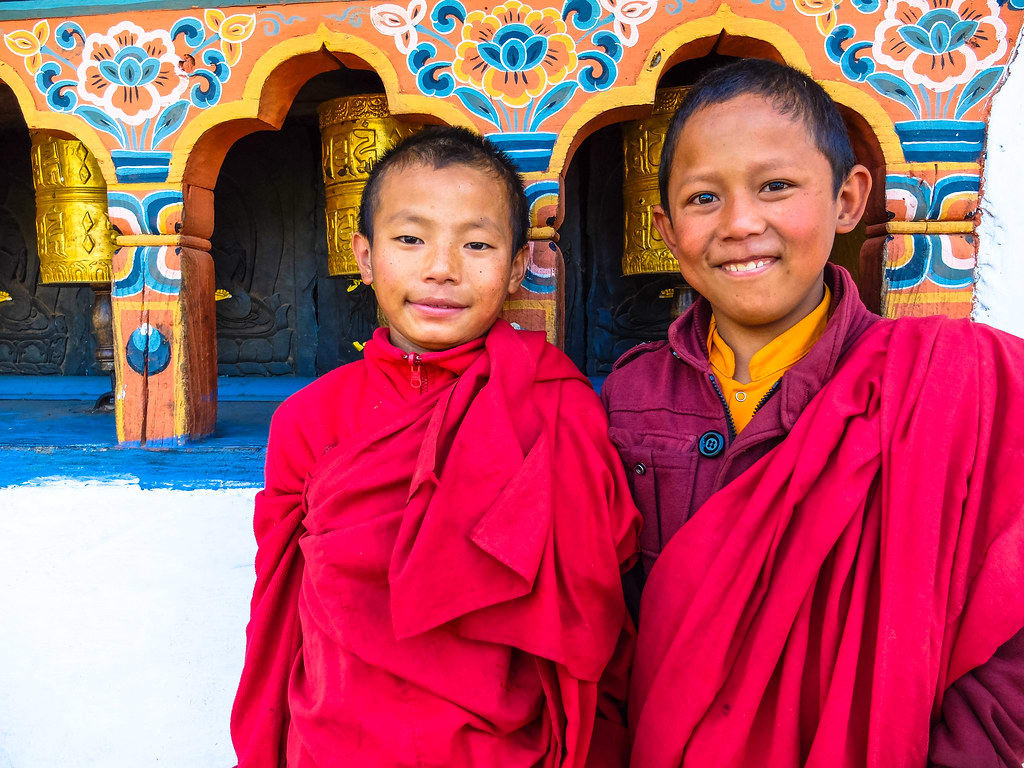
- Monks and Nuns: With permission at monasteries
- Traditional Crafts: Artisans at work
- Village Life: Daily activities and celebrations
- Festival Participants: In traditional dress and masks
Portrait Tips:
- Respect First: Always ask permission
- Build Connection: Talk before photographing
- Natural Light: Window light or open shade
- Environmental Portraits: Include context and setting
- Reciprocal: Show them their photos
Landscape Photography
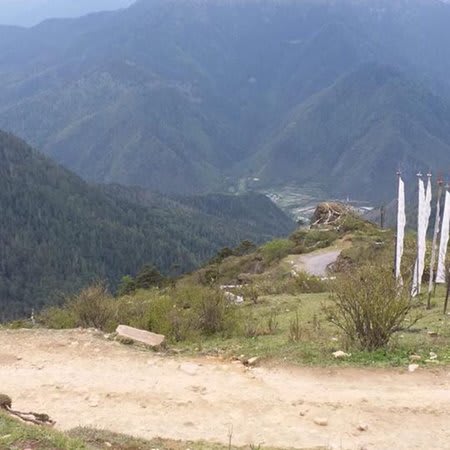
Iconic Bhutan Landscapes:
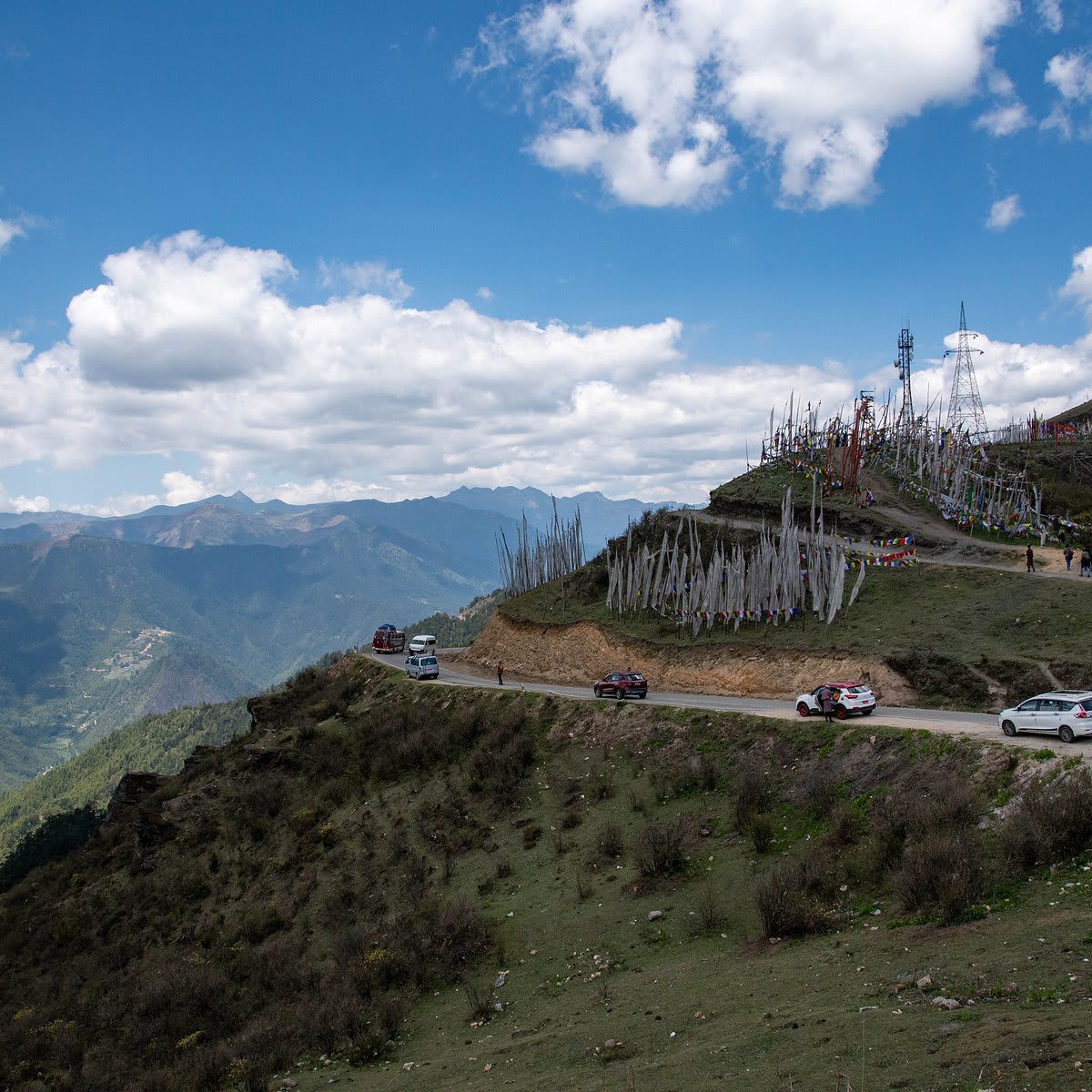
- Mountain Vista: Himalayan peaks and passes
- Valley Views: Agricultural terraces and villages
- Sacred Sites: Monasteries in dramatic settings
- Rivers and Bridges: Traditional suspension bridges
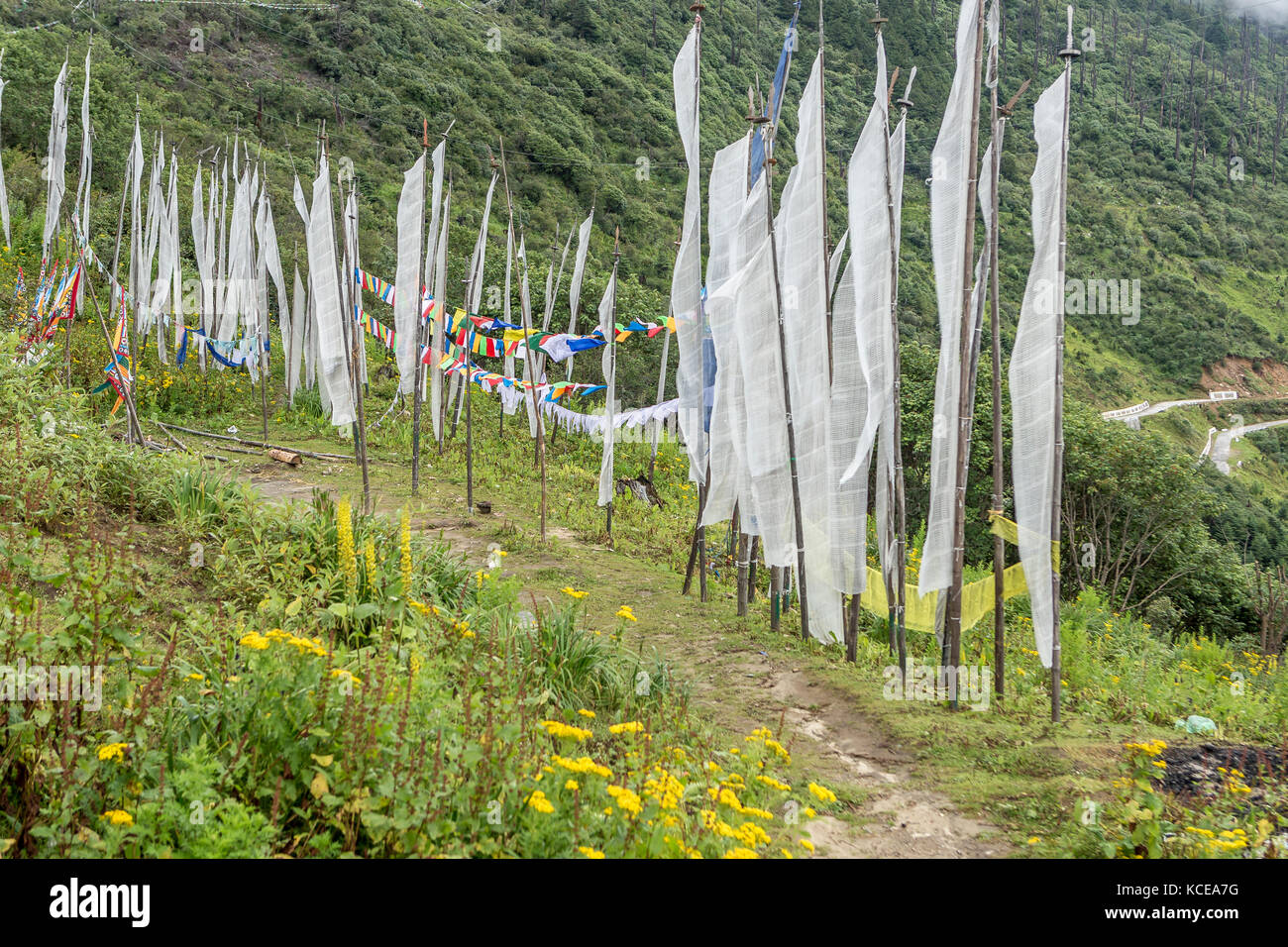
- Forest Scenes: Pristine rhododendron and pine forests
Architectural Photography
Traditional Bhutanese Design:
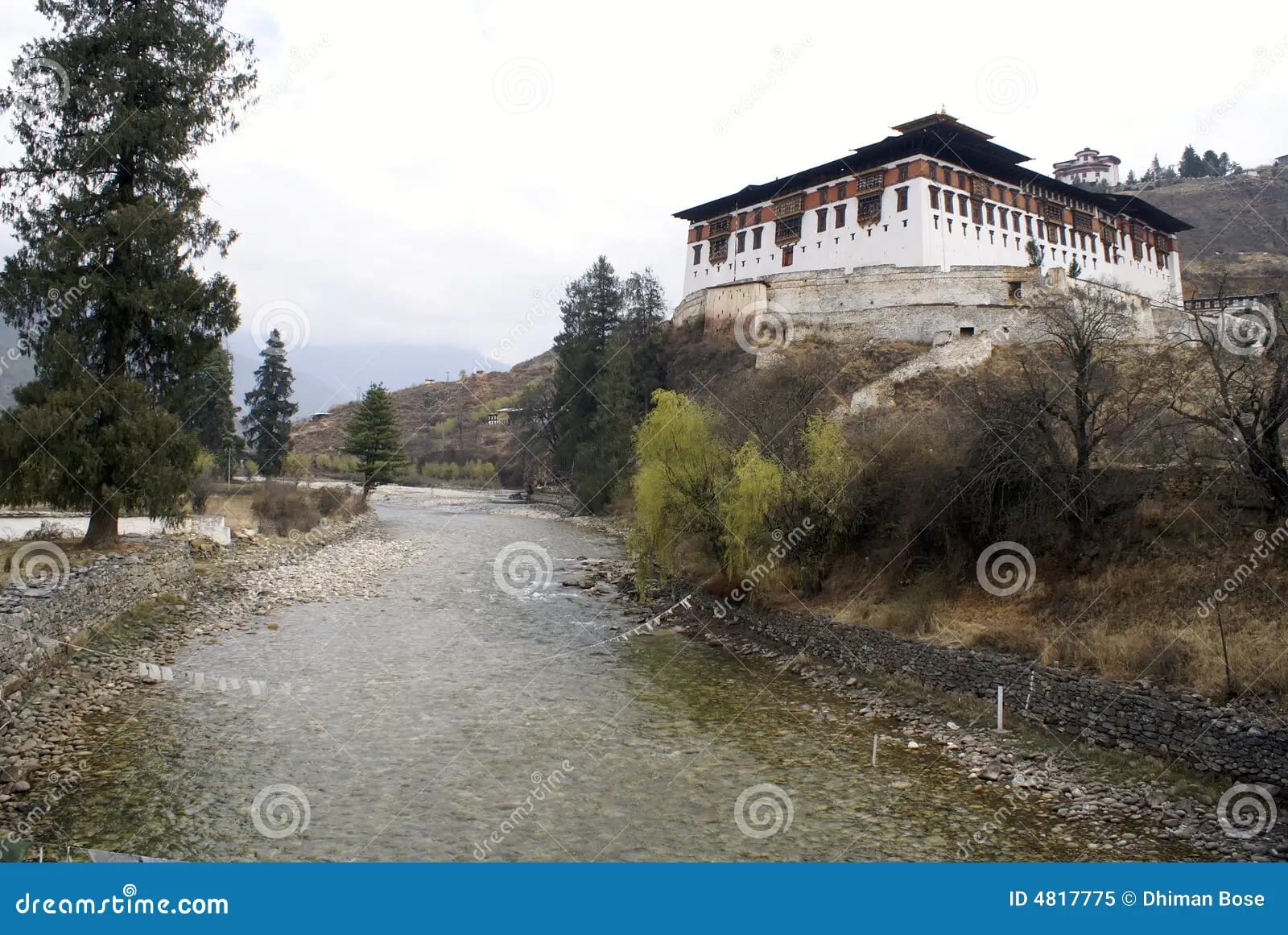
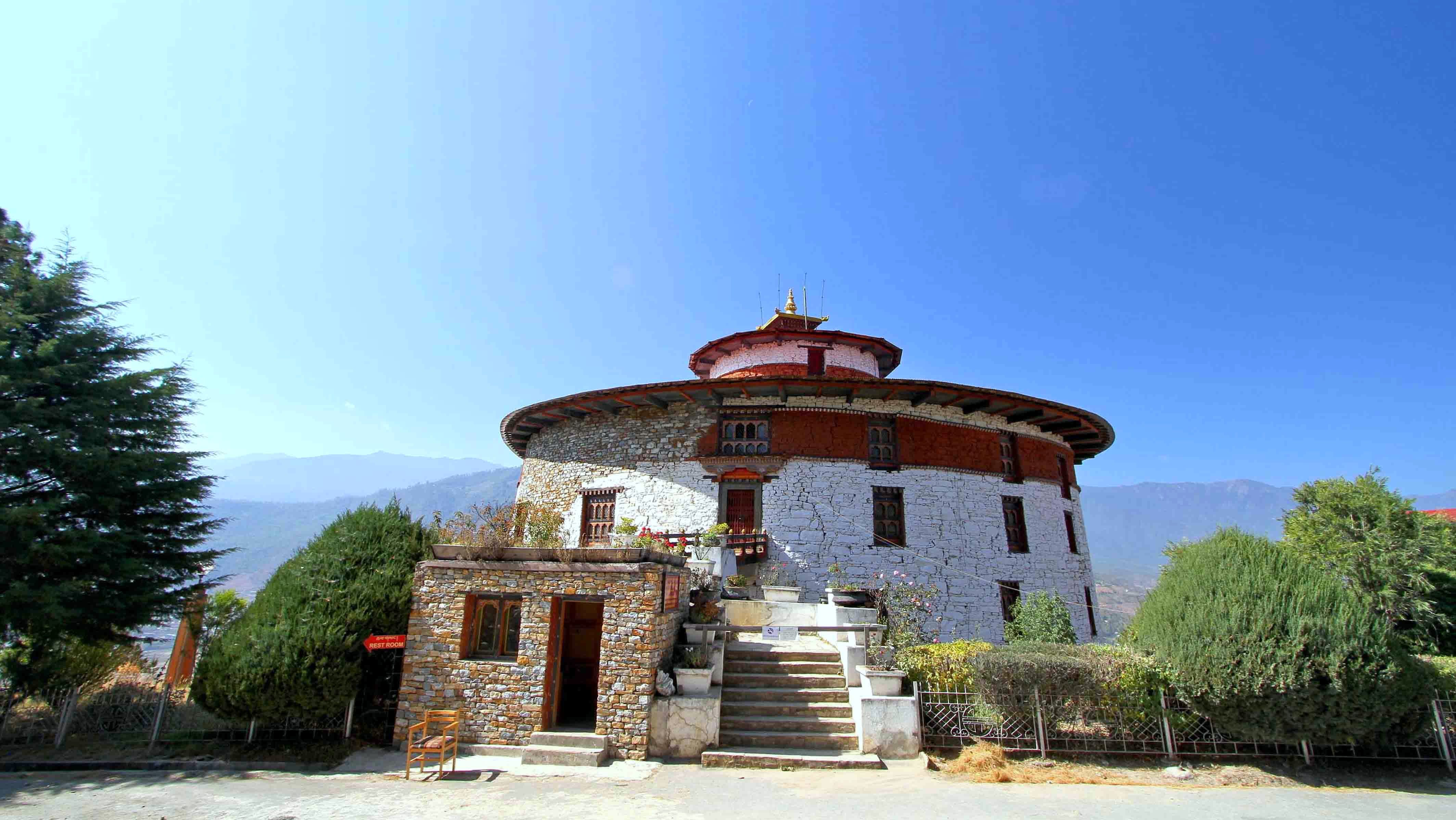
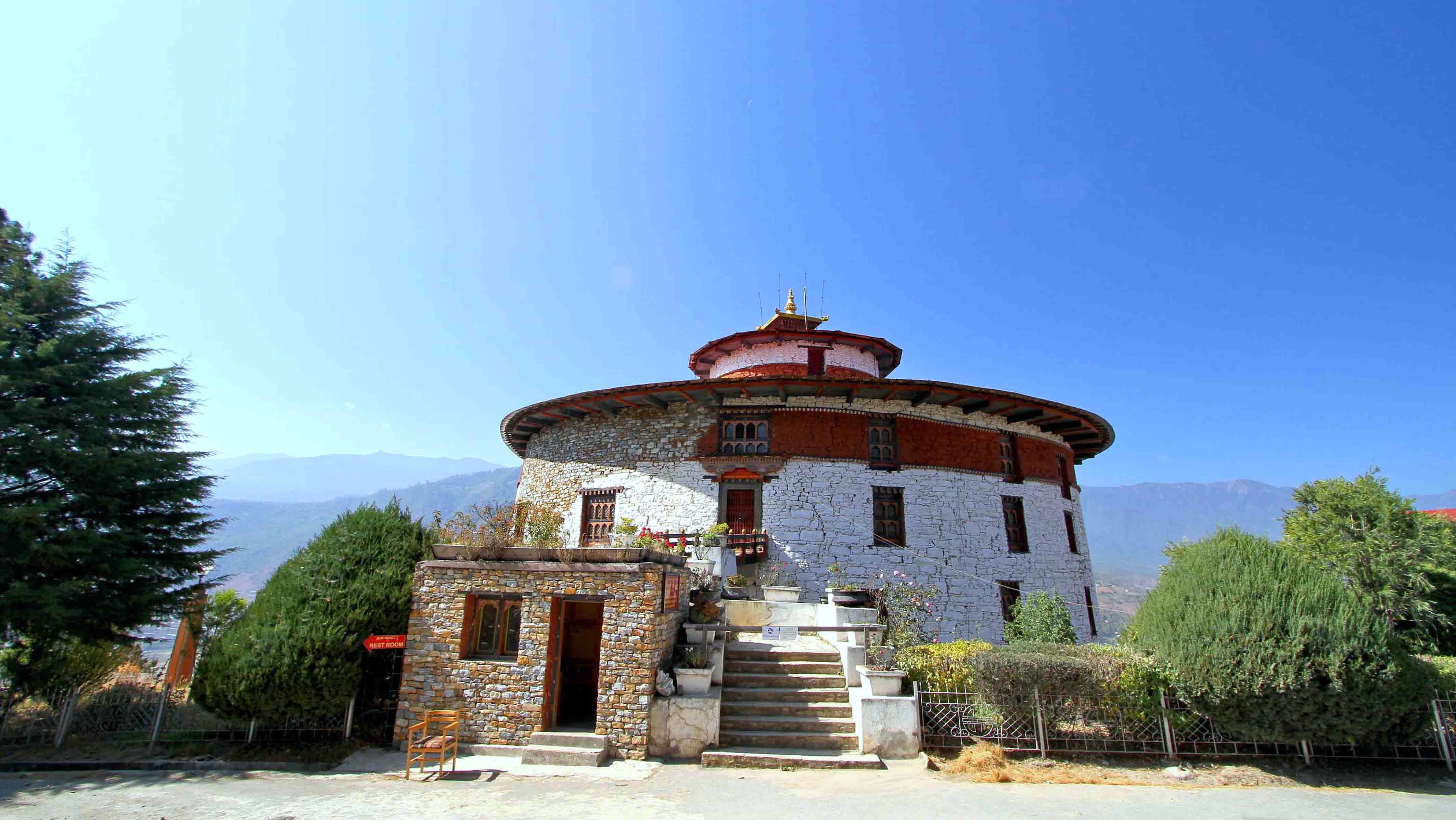
- Dzongs: Fortress-monasteries with incredible architecture
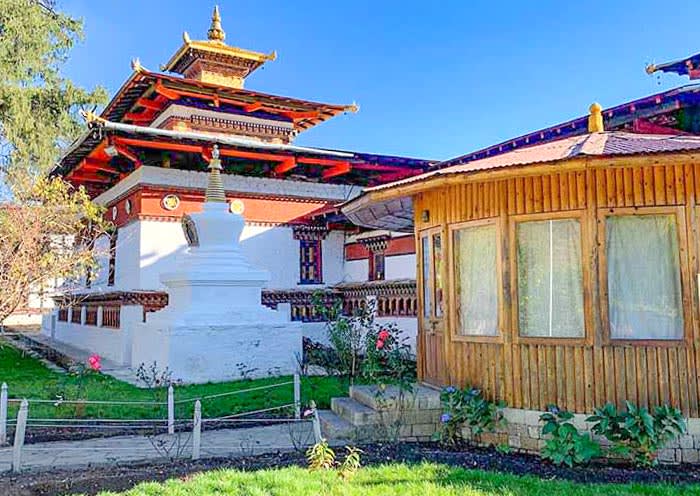
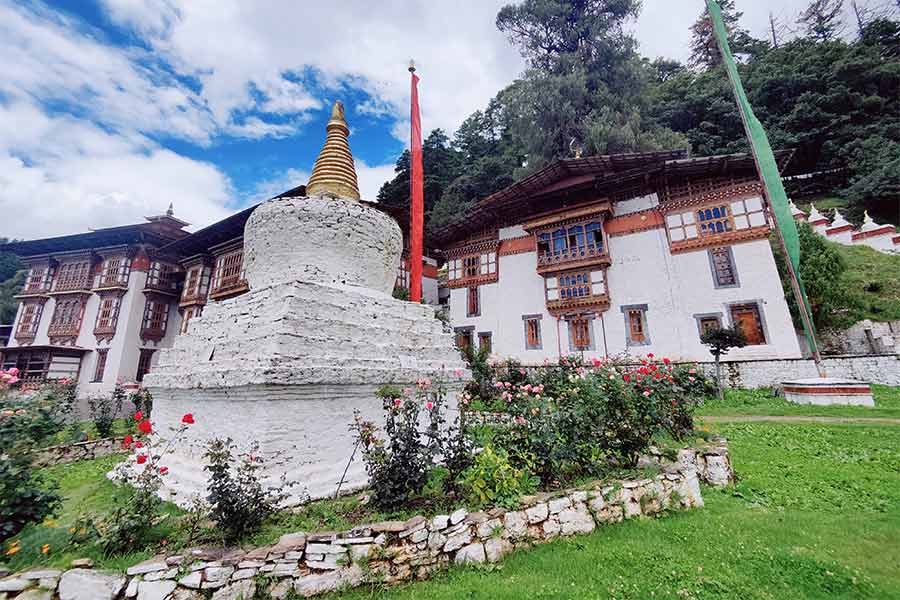
- Chortens: Religious monuments throughout country
- Traditional Houses: Farmhouses with intricate details
- Monasteries: temples and meditation centers
- Bridges: Suspension bridges with mountain backdrops
Photography Tour Logistics
Planning Your Photography Journey
Duration Recommendations:
- Minimum 7 days: Cover major locations
- Ideal 14 days: Comprehensive coverage with flexibility
- Extended 21+ days: In-depth coverage, seasonal variety
Photography-Focused Itinerary
Days 1-3: Thimphu
- Urban culture, weekend market, traditional architecture
- Days 4-6: Punakha
- Dzong at dawn, farm stay portraits, valley landscapes
- Days 7-9: Paro
- Tiger’s Nest, cultural sites, valley views
- Days 10-14: Bumthang
- Sacred valleys, monasteries, traditional villages
Working with Local Guides
Why Essential for Photographers:
- Access Knowledge: Which locations allow photography
- Timing: Best light and activity times
- Cultural Insight: What’s appropriate to photograph
- Language: Communicate with subjects
- Hidden Locations: Sites tourists never find
Geographic CTAs:
For Chinese-speaking photographers (中文摄影指导):
- WeChat: +97577773737 (不丹摄影之旅)
- 专业摄影向导,完美机位
For Western photographers:
- Email: info@silverpinebhutan.com (Photography tour planning)
- WhatsApp: +975 7777 3737
For Professional Photographers:
- Custom locations and access
- Cultural liaison and permissions
- Special timing for sacred events
Photography Ethics and Permissions
Responsible Photography
Essential Guidelines:
- People First: Never disrupt lives for photos
- Sacred Respect: Religious sites and ceremonies
- Cultural Sensitivity: Understanding local customs
- Environmental Impact: Stay on trails, respect nature
- Appropriate Behavior: No climbing sacred structures
Legal Considerations
Drone Photography:
- Generally Prohibited: Strict regulations on drones
- Special Permits: Possible for professional projects
- Restricted Areas: No drones near monasteries or dzongs
- Cultural Respect: Drones considered disrespectful to sacred sites
Book Your Photography Journey
Ready to capture Bhutan’s incredible landscapes and culture? Based on the photographers we’ve hosted, Bhutan offers photographic opportunities that are both technically rewarding and culturally profound.
Contact us to plan your photography journey:
WhatsApp/WeChat: +97577773737 Email: info@silverpinebhutan.com Website: https://silverpinebhutan.com
Based on hosting professional photographers and serious amateurs who consistently rate Bhutan as one of the world’s most rewarding photography destinations - combining incredible landscapes, authentic culture, and respectful access to sacred moments.